Why Are Yamaları for Apparel Logo the Secret Weapon for 2026 Brand Identity?
Table of Contents
- The Anatomy of a Perfect Patch: Deconstructing the Modern Yamaları Making Process
- Beyond the Basics: Next-Gen Yamaları Categories Redefining Apparel
- Strategic Comparison Matrix for Brand Owners
- Pro-Tips: Avoiding the Top 3 Pitfalls in Yamaları Sourcing
- Forward-Looking FAQ (Frequently Asked Questions)
Consumers no longer just look at a logo; they feel it. In this landscape, the strategic deployment of Yamaları for apparel logo has become the definitive differentiator between a generic garment and a high-value brand asset.
Unlike direct-to-garment (DTG) printing that cracks over time, or standard embroidery that lacks depth, modern Yamaları offer modular, durable, and highly textured brand expressions. This guide deconstructs the next-generation manufacturing process, explores hybrid patch categories, and provides strategic comparison matrices to help brand owners maximize ROI and visual impact.
The Anatomy of a Perfect Patch: Deconstructing the Modern Yamaları Making Process
Creating a high-impact Yamaları for apparel logo in today’s market requires more than just stitching thread onto fabric. It is a precision engineering process. Here is the advanced, four-phase workflow utilized by top-tier manufacturers.
Phase 1: Digital Twin & Micro-Digitizing
The process begins with transforming your 2D vector art into a "Digital Twin." Advanced digitizing software now maps stitch direction, thread tension, and 3D foam height. For a Yamaları for apparel logo, micro-digitizing is crucial: it ensures that text as small as 4pt remains legible and that complex gradients are translated into precise, step-stitched color blocks without losing the design’s integrity.
Phase 2: Sustainable Material Sourcing
Modern brands demand ESG (Environmental, Social, and Governance) compliance. The sourcing phase now prioritizes eco-conscious materials. This includes using base fabrics made from recycled PET bottles, organic cotton twill, or bio-based polyurethane for leather alternatives. Thread selection has also evolved, with high-tenacity recycled polyester offering the same luster as virgin rayon but with a 60% lower carbon footprint.
Phase 3: Hybrid Crafting Techniques
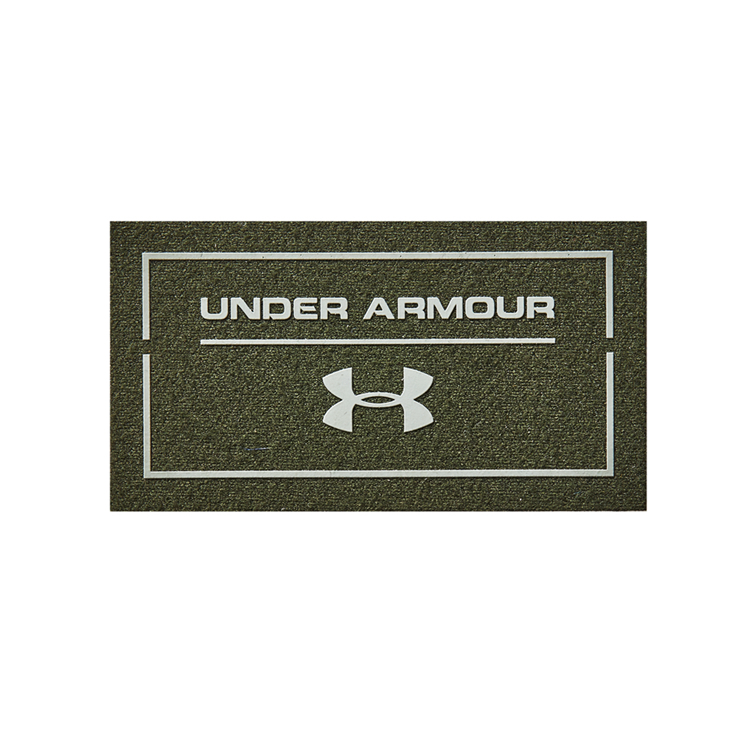
The most innovative Yamaları for apparel logo designs in 2026 utilize hybrid manufacturing. Instead of relying on a single method, manufacturers combine techniques. For example, a base layer of high-density woven fabric provides intricate background detail, while specific foreground elements are elevated using 3D silicone injection or metallic embroidery. This multi-sensory approach creates a "wow" factor that flat printing cannot replicate.
Phase 4: Smart Finishing & Edge Sealing
The final phase dictates longevity. Instead of traditional hot-knife cutting, premium manufacturers use precision laser cutting. This instantly seals the edges of synthetic materials, preventing fraying even after 50+ industrial wash cycles. Concurrently, the backing is applied using eco-friendly, phthalate-free heat-activated adhesives or modular Velcro systems, ensuring the patch remains secure without damaging delicate garment fabrics.
Beyond the Basics: Next-Gen Yamaları Categories Redefining Apparel
Forget the standard, flat patches of the past. The current market demands Yamaları for apparel logo solutions that align with specific brand narratives. Here are the four cutting-edge categories dominating the supply chain.
1. 3D High-Density Silicone Patches
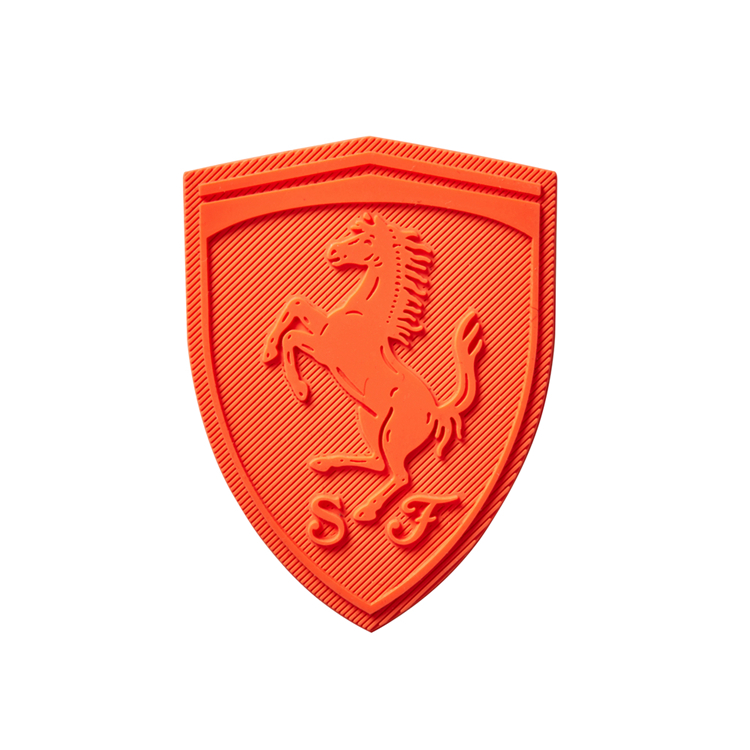
Moving beyond basic rubber, high-density silicone patches offer a soft-touch, matte finish with extreme 3D relief. They are inherently waterproof, UV-resistant, and flexible. Best for: Technical outerwear, streetwear brands focusing on "gorpcore" aesthetics, and accessories that require a futuristic, tactile feel.
2. Mixed-Media Embroidery (The "Maximalist" Patch)
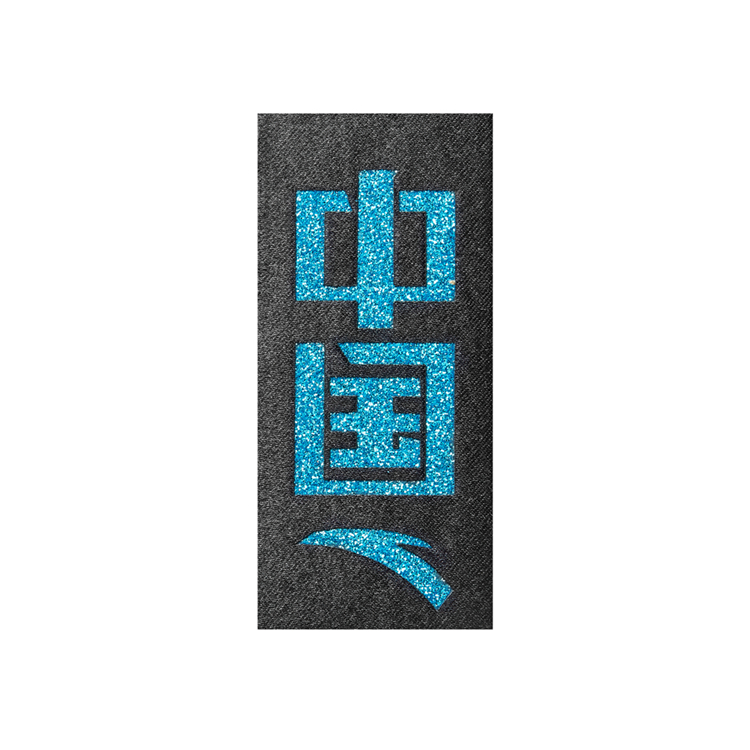
This category pushes the boundaries of traditional thread. It combines standard polyester embroidery with specialty materials like reflective 3M threads (for night visibility), metallic gold/silver bullion wires, or even embedded micro-sequins. Best for: Premium nightlife apparel, high-end streetwear, and statement pieces where the logo needs to catch the light and demand attention.
3. Recycled Woven Blends (The "Eco-Conscious" Patch)
Woven patches are known for their flat, smooth finish and ability to capture photographic detail. The next-gen version utilizes 100% recycled threads, resulting in a slightly muted, vintage-inspired color palette that is highly sought after by sustainable fashion brands. Best for: Organic cotton t-shirts, eco-friendly tote bags, and minimalist brand identities requiring fine-line detail.
4. Deconstructed & Laser-Engraved Leather
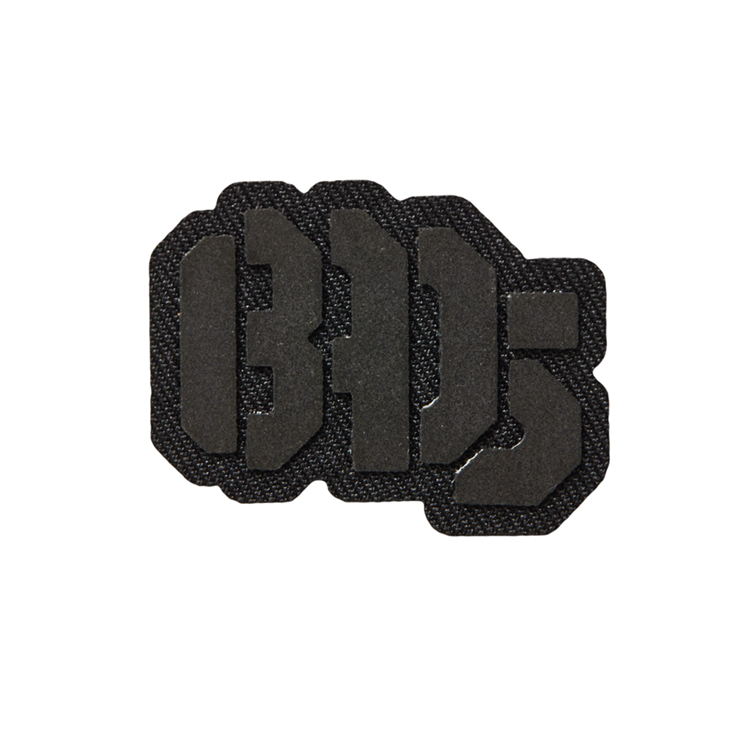
Genuine or premium vegan leather patches are no longer just stamped. Modern Yamaları for apparel logo in this category feature laser-engraved details that burn the design into the material, creating a subtle, monochromatic, and ultra-luxurious effect. Some feature intentionally "deconstructed" or raw edges for a rugged, artisanal look. Best for: Raw denim jeans, heritage workwear, and luxury leather goods.
Strategic Comparison Matrix for Brand Owners
To help you allocate your production budget effectively, we have developed two advanced comparison matrices. These go beyond basic physical traits to evaluate brand impact and sustainability.
Table 1: Brand Impact vs. Production Reality Matrix
Evaluate how each Yamaları type translates to perceived brand value and manufacturing feasibility.
| Yamaları Category | Perceived Brand Value | Tactile Experience | Production Complexity | Ideal Order Volume |
|---|---|---|---|---|
| 3D Silicone | High (Futuristic, Premium) | Soft, rubbery, highly raised | Medium (Requires custom metal molds) | 100+ pcs (Mold cost amortization) |
| Mixed-Media Embroidery | Very High (Artisanal, Unique) | Highly textured, multi-layered | High (Multiple machine passes & manual checks) | 50 - 500 pcs (Highly customizable) |
| Recycled Woven | Medium-High (Ethical, Clean) | Smooth, flat, lightweight | Low-Medium (Fast loom programming) | 200+ pcs (Optimal for loom efficiency) |
| Laser-Engraved Leather | Ultra-High (Luxury, Heritage) | Supple, natural grain, subtle depth | Medium (Precision laser calibration required) | 100+ pcs (Material cutting optimization) |
Table 2: Eco-Credentials & Lifecycle Analysis (2026 Standards)
For brands needing to meet strict ESG reporting or eco-conscious consumer demands.
| Patch Type | Recycled Material Content | End-of-Life Recyclability | Chemical Safety (Phthalate/Azo Free) | Carbon Footprint Rating |
|---|---|---|---|---|
| 3D Silicone | Low (Mostly virgin silicone) | Low (Difficult to separate from garment) | Yes (Medical-grade options available) | Medium |
| Mixed-Media Embroidery | Medium (Recycled PET thread options) | Medium (Natural fiber bases are compostable) | Yes (OEKO-TEX certified threads) | Medium-Low |
| Recycled Woven | Very High (Up to 90% post-consumer waste) | High (100% polyester, easily recyclable) | Yes (Global Recycled Standard certified) | Low |
| Laser-Engraved Leather | Low (Unless using certified vegan/apple leather) | Low (Tanned leather is not easily recyclable) | Varies (Depends on tanning process) | High |
Pro-Tips: Avoiding the Top 3 Pitfalls in Yamaları Sourcing
Even with a great design, sourcing Yamaları for apparel logo can go wrong if you overlook these critical B2B pitfalls:
- Ignoring the "Shrinkage Factor" in Woven Patches: Woven patches can shrink by 3-5% during the heating and backing process. Always approve a physical sample and measure it after the backing is applied, not just from the digital mockup.
- Mismatched Backing for Fabric Weight: Applying a heavy, stiff iron-on backing to a lightweight, stretchy performance fabric will cause the garment to pucker and the patch to peel. For stretch fabrics, always opt for a flexible sew-on or specialized stretch-adhesive backing.
- Underestimating Color Variance in Mixed Materials: If your design requires both embroidery and silicone, be aware that matching a Pantone color exactly across two different mediums (thread vs. liquid rubber) is physically impossible. Always design with a 5-10% color tolerance in mind or choose a single-medium patch for strict color accuracy.
Forward-Looking FAQ (Frequently Asked Questions)
Q1: Can Yamaları for apparel logo be made fully sustainable for a certified eco-friendly brand?
A1: Yes. By combining a GRS (Global Recycled Standard) certified recycled polyester woven base, OEKO-TEX certified threads, and a water-based, phthalate-free heat-seal backing, you can create a 100% compliant, eco-friendly Yamaları for apparel logo that supports your brand’s sustainability claims.
Q2: How do I ensure my complex, multi-color logo doesn’t look "muddy" on a small patch?
A2: The key is in the "Phase 1: Micro-Digitizing" process. We recommend simplifying the design to a maximum of 6-8 solid Pantone colors. Our design team will create a "stitch map" that strategically uses overlapping thread directions to create the illusion of shading without actually blending threads, keeping the logo crisp even at 2 inches wide.
Q3: What is the most durable backing for Yamaları on heavy-duty workwear that undergoes industrial laundering?
A1: For industrial environments, heat-seal adhesives will eventually fail. The gold standard is a dual-attachment method: a light heat-seal for initial placement during garment assembly, followed by a perimeter lock-stitch (sew-on) by the factory. This guarantees the patch will survive 100+ commercial wash cycles.
Q4: Do you offer "blind" or tonal Yamaları for apparel logo designs?
A4: Absolutely. Tonal patches (where the thread color matches the base fabric color, relying solely on texture and light reflection to reveal the logo) are a massive trend in 2026 luxury streetwear. We specialize in high-density embroidery and laser-engraved leather to achieve this subtle, sophisticated aesthetic.
How Can You Master DIY Iron On Transfers to Create Studio-Quality Custom Patches?
Need to Remove Iron On Patch Backings for a Rebrand?
Related Article