Why is Everyone Obsessed with the Heat Press Silicone Apparel Patch
Table of Contents
- Understanding the Core Mechanics Behind the Heat Press Silicone Apparel Patch
- Exploring Diverse Industries That Rely on Heat Press Silicone Apparel Patches
- Measurable Business and Consumer Benefits of Using Heat Press Silicone Apparel Patches
- Comparing the Heat Press Silicone Apparel Patch Against Traditional Branding Methods
- Mastering the Application Process for Flawless Heat Press Silicone Apparel Patches
- Frequently Asked Questions About the Heat Press Silicone Apparel Patch
Upgrade your brand with a heat press silicone apparel patch. Explore its premium 3D feel, durability, and easy application. Read our complete guide today!
Understanding the Core Mechanics Behind the Heat Press Silicone Apparel Patch
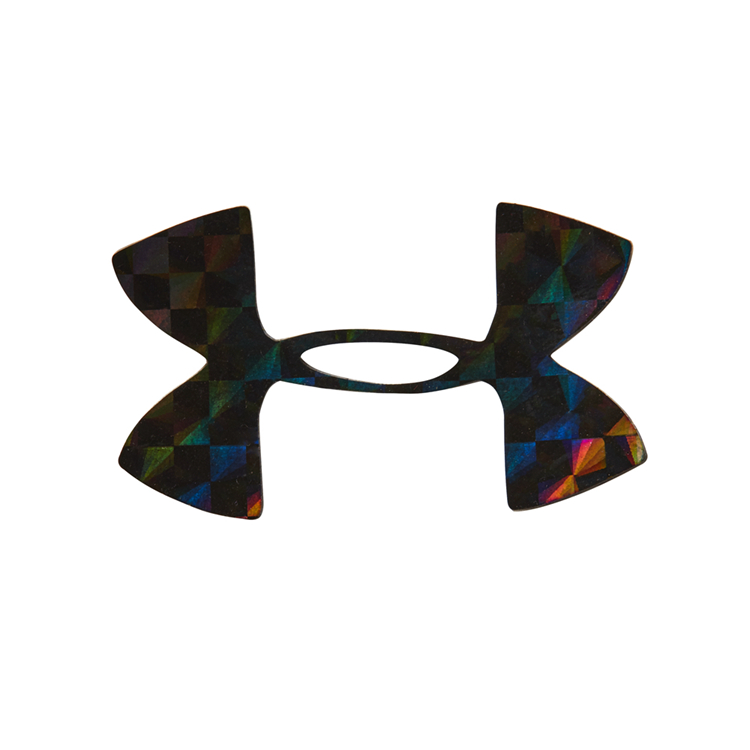
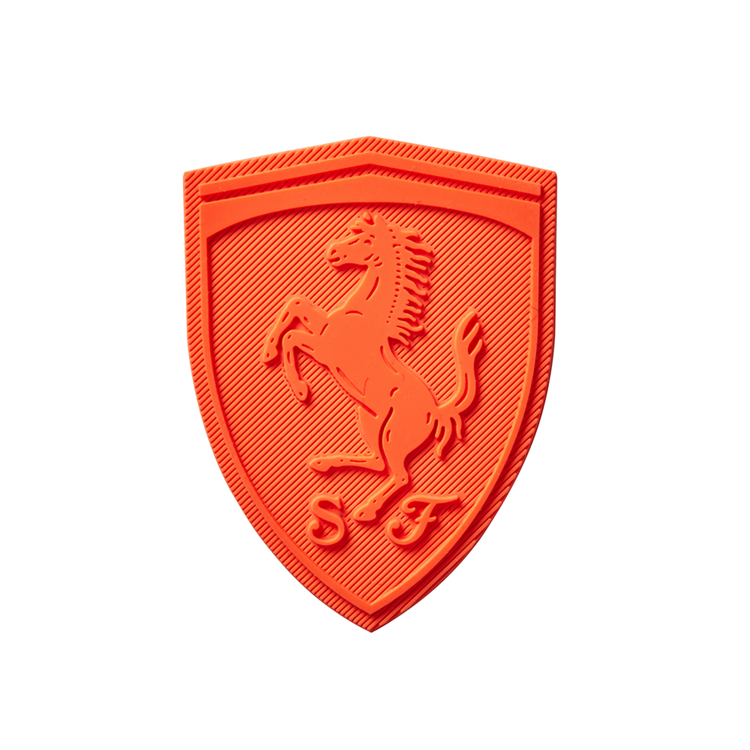
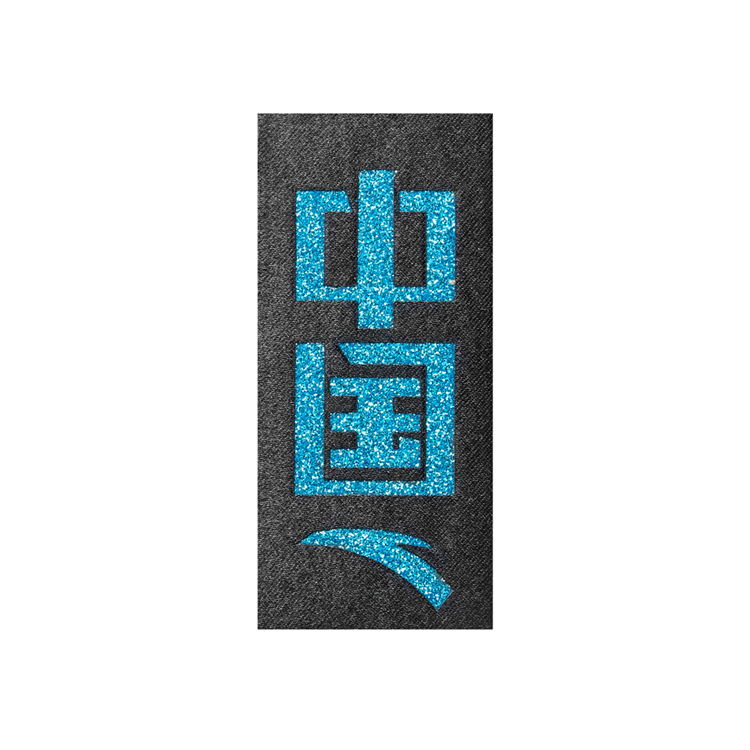
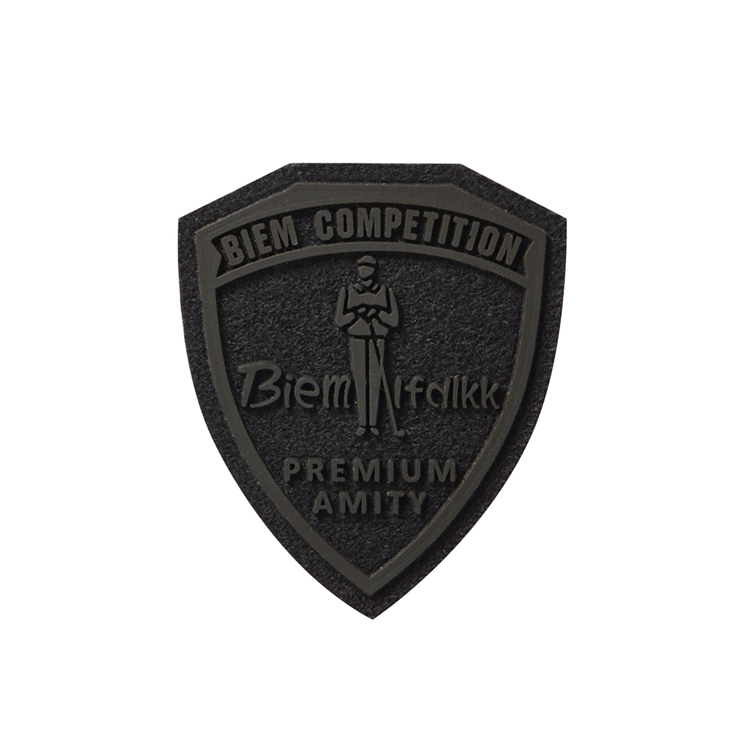
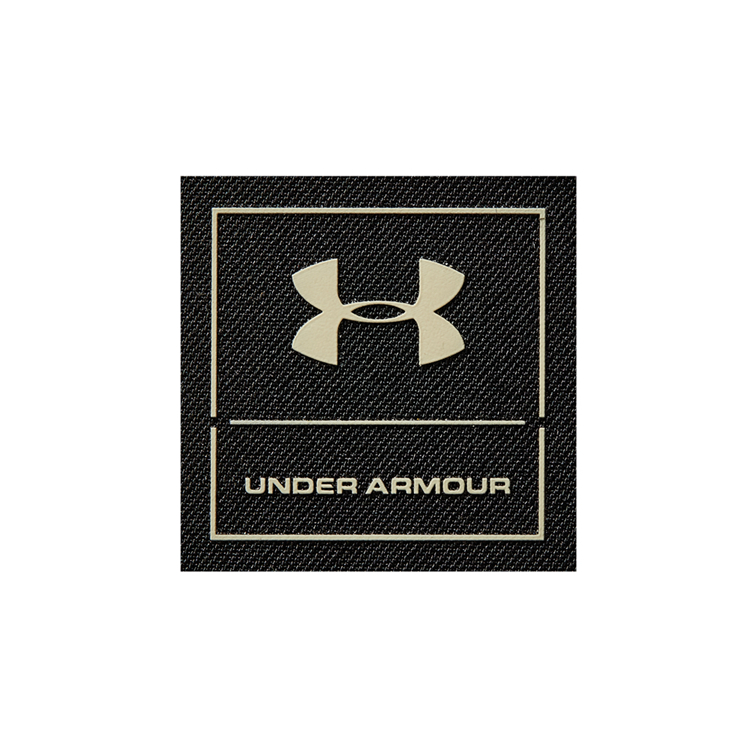
To truly appreciate the value of this product, we must first understand what it is and how it is engineered. A heat press silicone apparel patch is a premium, three-dimensional branding element crafted from high-grade, eco-friendly silicone rubber. Unlike flat prints or woven tags, this patch is created through a precision molding process. Liquid silicone is injected into custom-designed molds that capture even the most intricate details of your logo, from fine typography to complex geometric shapes.
Once molded, the silicone is cured under controlled temperatures to achieve a perfect balance of softness and structural integrity. The magic truly happens at the backing stage. The underside of the cured silicone is coated with a specialized, heat-activated adhesive film. This adhesive is specifically formulated to bond seamlessly with textile fibers without compromising the flexibility of the fabric.
The physical characteristics of the heat press silicone apparel patch are what make it so highly sought after. It offers a smooth, matte, or glossy finish that feels luxurious to the touch. The slight 3D elevation gives it a prominent visual presence, while the inherent elasticity of silicone ensures that the patch stretches and moves naturally with the garment. It is completely waterproof, resistant to extreme temperatures, and immune to the cracking or peeling issues that plague inferior branding methods.
Exploring Diverse Industries That Rely on Heat Press Silicone Apparel Patches
One of the most remarkable aspects of this product is its incredible versatility. It is not confined to a single niche; rather, it serves as a premium upgrade across a wide spectrum of markets. Below is a detailed breakdown of the primary industries that leverage this technology, along with the specific reasons why it works so well for them.
| Target Industry | Primary Applications | Why the Heat Press Silicone Apparel Patch Excels Here |
|---|---|---|
| Streetwear & High Fashion | Hoodies, oversized tees, caps, joggers | Provides a luxury, tactile feel that justifies premium price points and creates a strong visual identity. |
| Activewear & Sportswear | Yoga pants, running jerseys, gym shorts | Moves seamlessly with the body during intense workouts, resisting sweat, stretching, and repetitive washing. |
| Outdoor & Tactical Gear | Windbreakers, hiking jackets, backpacks | Offers superior weather resistance, UV stability, and durability in harsh environmental conditions. |
| Children & Baby Apparel | Onesies, school uniforms, kids' jackets | Hypoallergenic, exceptionally soft against sensitive skin, and free from choking hazards or scratchy threads. |
| Corporate & Hospitality | Staff uniforms, polo shirts, aprons | Maintains a crisp, professional appearance that withstands rigorous commercial and industrial laundering. |
In the streetwear sector, the heat press silicone apparel patch is often used as the focal point of a garment, turning a simple hoodie into a collector's item. For activewear brands, the lightweight nature of the patch ensures that athletes are not burdened by heavy, stiff logos. Meanwhile, in the corporate world, the uniform look it provides elevates the professional image of a brand, ensuring that employees look polished even after months of daily wear.
Measurable Business and Consumer Benefits of Using Heat Press Silicone Apparel Patches
Switching to or incorporating the heat press silicone apparel patch into your product line yields benefits that go far beyond mere aesthetics. These advantages translate directly into improved business metrics and heightened consumer satisfaction.
First and foremost is the dramatic increase in perceived value. When a customer picks up a garment featuring a raised, smooth silicone logo, their brain instantly registers the item as high-quality and premium. This tactile feedback allows brands to command higher retail prices and improves profit margins. The physical touchpoint creates an emotional connection that flat, printed logos simply cannot achieve.
Secondly, brand longevity and durability are vastly improved. Traditional screen prints are notorious for cracking after a dozen washes, while embroidery can snag, pill, or lose its shape. The heat press silicone apparel patch is virtually indestructible under normal wear conditions. It retains its vibrant color, sharp edges, and structural integrity through dozens of wash cycles. This durability means your brand logo stays looking brand new for the entire lifespan of the garment, turning your customers into long-term walking billboards.
Furthermore, production efficiency and scalability see a massive boost. Because the application process is incredibly fast, manufacturers can apply these patches in seconds using standard heat press machinery. This reduces labor costs, speeds up turnaround times, and allows for agile production runs, making it easier to respond to fast-changing fashion trends without holding excessive inventory.
Comparing the Heat Press Silicone Apparel Patch Against Traditional Branding Methods
Choosing the right branding technique requires weighing various factors such as cost, durability, aesthetics, and application speed. To help you make an informed decision, here is a comprehensive comparison of the heat press silicone apparel patch against the most common alternatives in the market.
| Feature | Heat Press Silicone Apparel Patch | Traditional Embroidery | Screen Printing | PVC / Rubber Patches |
|---|---|---|---|---|
| Visual & Tactile Feel | Soft, smooth, premium 3D raised effect. | Textured, traditional, slightly stiff. | Completely flat, ink sits on the surface. | Hard, rigid, heavy, and plasticky. |
| Fabric Drape & Comfort | Excellent. Moves naturally with the fabric. | Poor. Can pucker thin fabrics and feel stiff. | Good, but thick ink layers can feel heavy. | Very poor. Adds significant bulk and stiffness. |
| Wash & Wear Durability | Exceptional. Resists cracking, fading, and peeling. | Good, but threads can fray or snag over time. | Moderate to poor. Prone to cracking and fading. | Good, but the stiff adhesive can degrade. |
| Application Speed | Extremely fast. Seconds per unit via heat press. | Slow. Requires precise, time-consuming sewing. | Fast for large batches, slow for setup. | Moderate. Requires sewing or slow heat pressing. |
| Detail Resolution | High. Captures fine lines and gradients beautifully. | Low. Limited by thread thickness and stitch density. | Medium. Struggles with very fine details. | Medium. Edges can sometimes appear rough. |
As the table clearly illustrates, the heat press silicone apparel patch occupies the ultimate sweet spot. It delivers the premium, three-dimensional aesthetic of embroidery without the weight, fabric distortion, or high labor costs. It offers a level of comfort and flexibility that rigid PVC patches completely lack. And unlike screen printing, it will not crack or fade, ensuring your brand looks pristine wash after wash.
Mastering the Application Process for Flawless Heat Press Silicone Apparel Patches
To achieve the maximum bond strength and visual perfection, the application process must be executed correctly. While the heat press silicone apparel patch is designed for user-friendly application, adhering to precise temperature and time parameters is crucial. Below is a standardized guide to ensure a flawless transfer every time.
| Application Parameter | Recommended Setting | Crucial Tips for Success |
|---|---|---|
| Temperature | 150°C to 160°C (300°F to 320°F) | Always use an infrared thermometer to verify the actual heat platen temperature. |
| Press Time | 10 to 15 seconds | Do not exceed 15 seconds to prevent scorching the silicone or the garment. |
| Pressure | Medium to Firm (40 - 60 PSI) | Ensure the heat press is perfectly leveled for even pressure distribution. |
| Peel Method | Cold Peel | Allow the garment and patch to cool completely to room temperature before removing the carrier film. |
| Post-Press | 5 seconds (Optional) | A quick second press with a Teflon sheet can further enhance the adhesive bond. |
Always remember to pre-press your garment for 3 to 5 seconds before applying the patch. This vital step removes moisture and wrinkles from the fabric, creating a perfectly smooth surface for the adhesive to grip. Never apply the heat press silicone apparel patch to fabrics treated with water repellents, silicone coatings, or heavy dyes that might sublimate and discolor the patch.
Frequently Asked Questions About the Heat Press Silicone Apparel Patch
Q1: Can the heat press silicone apparel patch be applied to 100% polyester performance fabrics?
Yes, absolutely. In fact, it is one of the best branding methods for polyester activewear. However, because polyester is sensitive to high heat, you must strictly adhere to the lower end of the temperature spectrum (around 150°C) and use a protective Teflon sheet to prevent scorching or dye migration.
Q2: Is the material used in the heat press silicone apparel patch safe for sensitive skin?
Yes. High-quality silicone is inherently hypoallergenic, non-toxic, and incredibly soft. It does not contain harsh chemicals, PVC, or phthalates, making the heat press silicone apparel patch an ideal and safe choice for baby clothing, underwear, and children's apparel.
Q3: How does the cost of the heat press silicone apparel patch compare to embroidery at high volumes?
While the initial mold creation fee for silicone is comparable to the digitizing fee for embroidery, the per-unit cost drops significantly at higher volumes. Because heat pressing takes only seconds compared to the minutes required for sewing machines to stitch an embroidered logo, the overall production cost and labor time for silicone patches are much lower for medium to large runs.
Q4: Can I achieve complex multi-color designs or gradients with this product?
Yes. The molding process allows for intricate multi-color layering, translucent effects, and even custom color matching to your exact Pantone specifications. While true photographic gradients are difficult in solid silicone, clever design techniques and layered molds can simulate depth and complex color schemes beautifully.
Q5: What is the typical turnaround time for custom orders?
Standard production times usually range from 7 to 15 business days after the final artwork and mold are approved. This includes the time required for mold machining, silicone mixing, color matching, curing, and applying the heat-activated adhesive backing. Rush orders can often be accommodated for an additional fee.
Q6: Will the heat press silicone apparel patch affect the stretchability of my garment?
Not at all. One of the greatest advantages of silicone is its natural elasticity. The heat press silicone apparel patch will stretch, recover, and move in perfect sync with spandex, elastane, and knit fabrics without restricting movement or causing the fabric to pucker.
Want to Upgrade Your Gear with an Iron on Patches Backpack?