How Can You Create the Perfect Custom Silicone Zipper Pull Patch for Your Brand?
Table of Contents
Unlike traditional metal or generic plastic alternatives, a high-quality silicone zipper pull offers a unique combination of ergonomic comfort, extreme weather resistance, and limitless design flexibility.
For brand managers, product developers, and procurement specialists, understanding the nuances of silicone zipper manufacturing is the key to elevating product perceived value while maintaining rigorous quality control. This comprehensive guide explores the categories, the precise manufacturing workflow, and the strategic advantages of integrating custom silicone hardware into your product line.
What Are the Main Categories of Custom Silicone Zipper Patches?
The world of custom silicone zipper tags is highly versatile. By manipulating mold design, material compounds, and finishing techniques, manufacturers can produce a wide array of styles to match specific brand aesthetics and functional requirements.
The Dimensional Spectrum
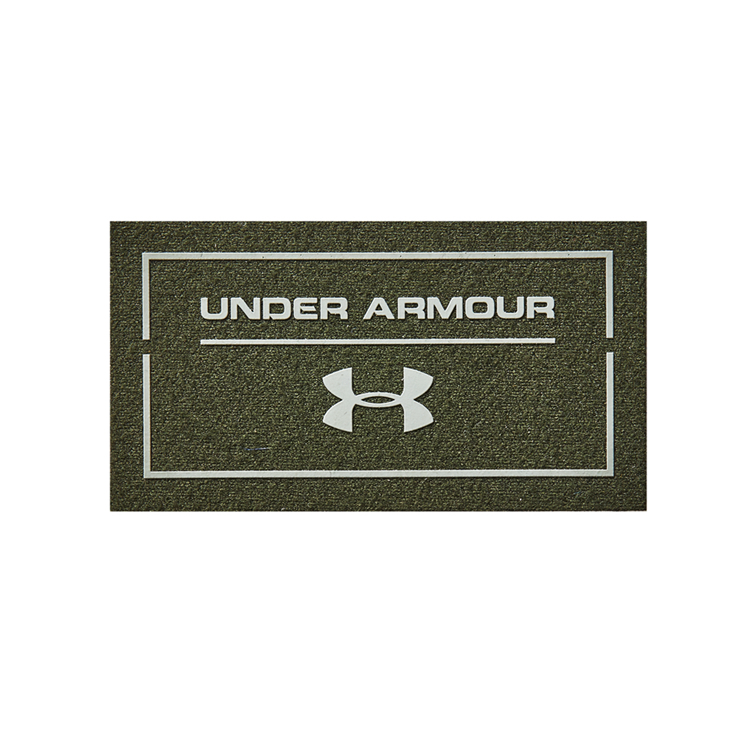
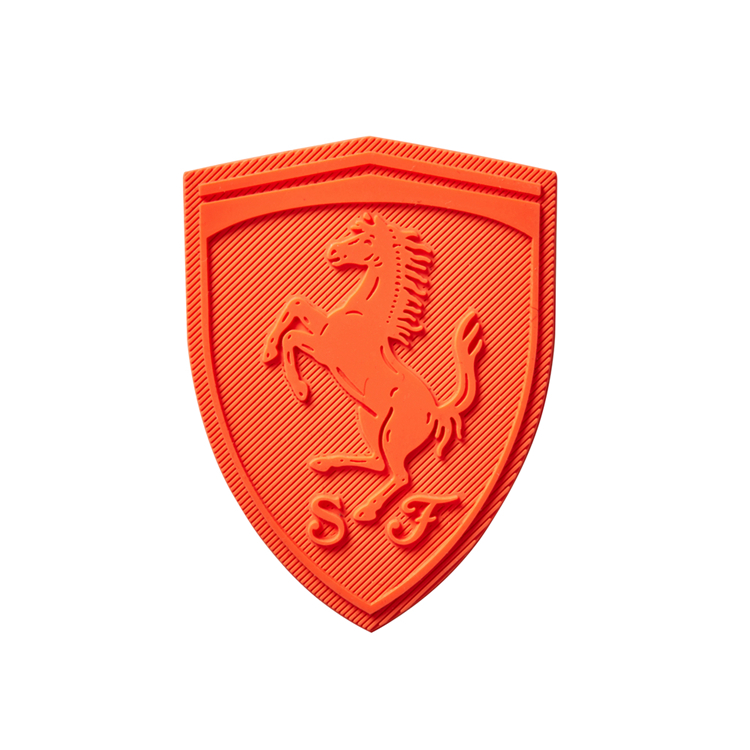
The most fundamental distinction lies in the physical depth of the design. Two-dimensional silicone zipper pulls feature a flat base with raised or recessed artwork. This style is highly efficient for clean, minimalist branding and offers rapid production turnaround. Three-dimensional silicone zipper pulls, however, utilize multi-level molding to create a sculpted, lifelike appearance. Elements of the logo can float at different heights, providing a premium, high-end aesthetic that catches light and shadow dynamically.
Surface Texture and Finish Dynamics
Beyond shape, the surface finish dramatically alters the user experience. A matte finish provides a sophisticated, understated look that resists fingerprints and scuffs, making it ideal for tactical or minimalist outdoor gear. A glossy finish delivers vibrant color saturation and a sleek, modern appearance, often favored in streetwear and fashion-forward apparel. Additionally, soft-touch coatings can be applied to give the silicone zipper an ultra-premium, velvety feel that encourages repeated tactile interaction.
Functional and Specialty Add-ons
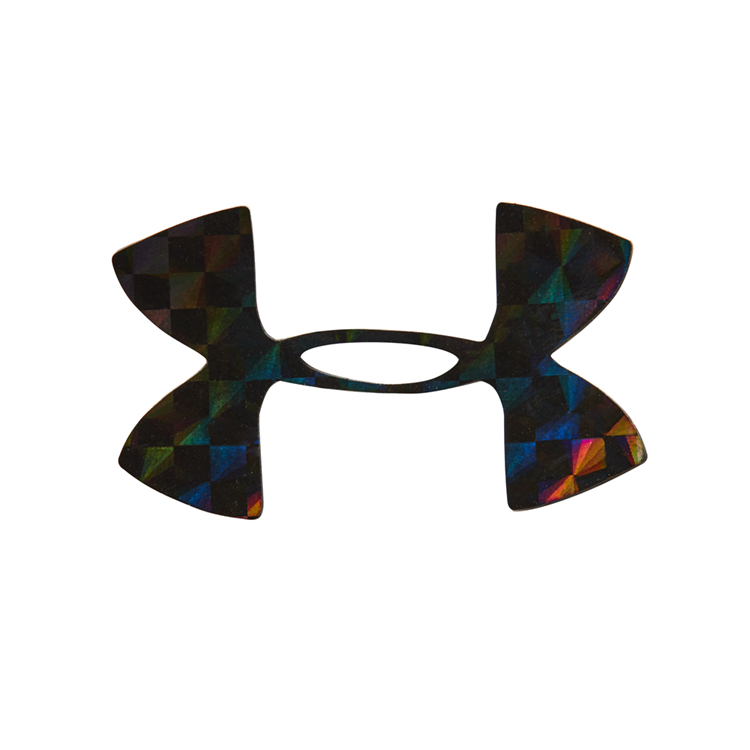
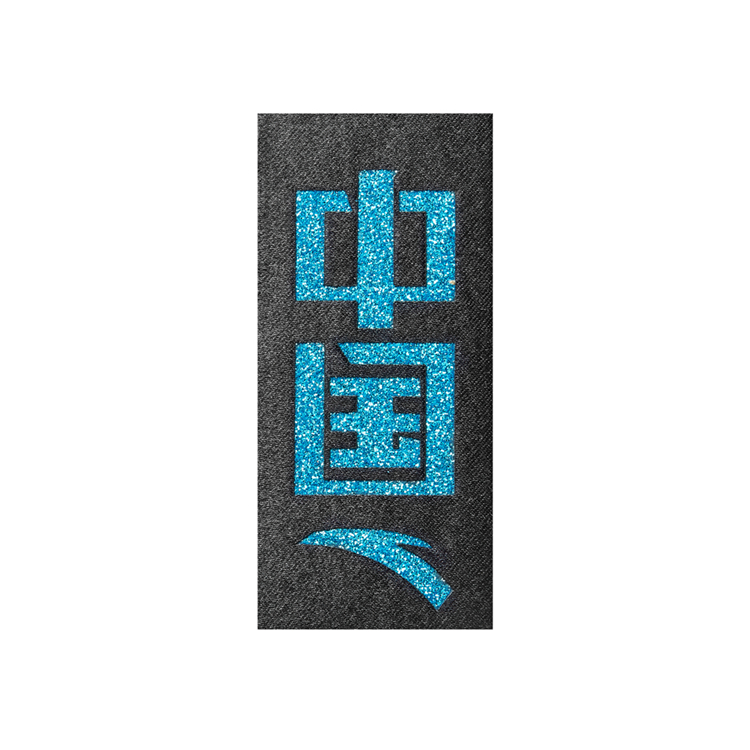
Modern polymer engineering allows for the integration of functional properties directly into the silicone compound. Reflective silicone zipper pulls are embedded with microscopic glass beads, ensuring high visibility in low-light conditions for safety and athletic wear. Glow-in-the-dark variants utilize phosphorescent pigments that absorb ambient light and emit a soft glow. For niche markets, scented silicone or dual-durometer designs, which combine a rigid structural core with a soft outer layer, are also viable options.
| Category | Visual Depth | Tactile Experience | Production Complexity | Ideal Application |
|---|---|---|---|---|
| 2D Flat Design | Single plane, raised or recessed art | Smooth, uniform grip | Low | Minimalist branding, high-volume basic apparel |
| 3D Sculpted Design | Multi-level heights, layered elements | Dynamic, textured, premium | Medium to High | Complex logos, premium outerwear, lifestyle bags |
| Translucent or Frosted | Semi-transparent with depth | Slick, modern, lightweight | Medium | Techwear, contemporary fashion, subtle branding |
| Reflective or Glow | Standard depth with optical additives | Standard silicone feel with visual safety | Medium | Athletic wear, safety gear, children apparel |
| Dual-Durometer | Rigid core with soft outer shell | Firm grip with soft touch | High | Heavy-duty outdoor gear, specialized equipment |
How Is a Custom Silicone Zipper Pull Manufactured Step by Step?
Creating a flawless custom silicone zipper pull requires a marriage of artistic vision and precision engineering. The journey from a conceptual sketch to a finished, attached hardware piece follows a rigorous, multi-stage protocol.
Step 1: Conceptualization and Vector Engineering
The process begins with the brand providing a high-resolution vector file. Design engineers analyze the artwork to determine mold viability. They assess line thickness, ensuring that fine details are thick enough to survive the molding process without breaking. At this stage, decisions are made regarding the exact dimensions, the Pantone color codes for precise matching, and the type of attachment mechanism required for the zipper slider.
Step 2: Precision CNC Mold Fabrication
Once the digital blueprint is approved, the physical tooling begins. A solid block of metal, typically high-grade copper or steel, is loaded into a Computer Numerical Control machine. The CNC meticulously carves the negative space of the design into the metal. For a three-dimensional silicone zipper pull, this involves multiple carving passes to achieve varying depths. The mold cavity is then hand-polished to a mirror finish to ensure the final silicone product emerges without surface imperfections or drag marks.
Step 3: Compound Formulation and Pigment Matching
Raw, platinum-cure silicone is selected for its superior durability and non-toxic properties. Master colorists manually blend liquid silicone base with specific pigment pastes to match the exact brand requirements. The mixture is then placed in a vacuum chamber for degassing. This critical step removes trapped air bubbles, preventing pinholes or structural weaknesses in the final cured silicone zipper pull.
Step 4: Thermal Vulcanization and Layering
The prepared silicone compound is dispensed into the mold cavities. The mold is closed and placed into a hydraulic vulcanization press. Under precise heat, typically ranging from 150°C to 180°C, and high pressure, the silicone undergoes a chemical cross-linking process. This transforms the liquid compound into a solid, flexible, and highly durable rubber state. For multi-colored or multi-layer designs, this process is repeated in stages, with the mold being carefully cleaned and reloaded with different colored compounds for each layer.
Step 5: Deflashing, Quality Assurance, and Hardware Integration
After curing, the raw silicone zipper pulls are extracted from the mold. They often have thin, excess material along the edges, known as flash. Skilled technicians manually or mechanically trim this flash to ensure crisp, clean borders. Every single piece then undergoes a strict quality assurance check for color accuracy, dimensional tolerance, and surface defects. Finally, the patch is integrated with the zipper. This is achieved by sewing the silicone tab onto a fabric loop, securing it with a metal rivet, or using ultrasonic welding to fuse it directly to a polymer slider.
How Does Silicone Compare to Other Zipper Pull Materials?
When selecting zipper hardware, brands must weigh various material properties against their product intended use case. While metal, leather, and standard plastics have their place, silicone offers a distinct set of advantages.
| Material Type | Weather Resistance | Weight Profile | Tactile Appeal | Environmental Footprint | Cost Efficiency |
|---|---|---|---|---|---|
| Custom Silicone | Exceptional, fully waterproof and UV stable | Lightweight, reduces garment drag | Soft, flexible, premium grip | High, non-toxic and highly recyclable | Medium, excellent value for durability |
| Zinc Alloy Metal | Moderate, requires plating to prevent rust | Heavy, can cause garment sagging | Hard, cold, traditional feel | Low, high energy extraction and processing | High, subject to metal market fluctuations |
| Standard PVC | Good, but degrades and cracks under UV | Lightweight | Stiff, rubbery, prone to hardening | Low, contains harmful plasticizers and phthalates | Low, but shortens product lifespan |
| Genuine Leather | Poor, absorbs water, stains, and dries out | Moderate | Rich, natural, but requires maintenance | Moderate, depends on tanning processes | High, inconsistent quality and high cost |
| Evaluation Metric | Silicone Zipper Pull | Metal Zipper Pull | Fabric Zipper Pull |
|---|---|---|---|
| Initial Tooling Cost | Moderate, requires CNC mold | High, requires die casting mold | Low, requires weaving loom setup |
| Per Unit Production Cost | Decreases significantly at scale | Remains consistently high | Low to moderate depending on stitch count |
| Customization Lead Time | 7 to 15 days for sampling | 15 to 25 days for sampling | 10 to 20 days for sampling |
| Brand Perception Value | High, modern and premium | Traditional, luxury or rugged | Classic, heritage, or casual |
| Failure Rate in Field | Extremely low, highly durable | Moderate, prone to plating wear | High, prone to fraying and tearing |
Frequently Asked Questions About Silicone Zipper Sourcing
Q: What is the typical lifespan of a custom silicone zipper pull?
A: When manufactured with high-grade platinum-cure silicone, these pulls are designed to last the lifetime of the garment. They resist cracking, fading, and degradation from ultraviolet exposure, sweat, and repeated washing cycles.
Q: Can the design include both raised and recessed elements simultaneously?
A: Yes. This is a hallmark of advanced three-dimensional silicone zipper manufacturing. By engineering the CNC mold with both positive and negative cavities, a single pull can feature embossed lettering sitting on top of a debossed background, creating exceptional visual depth.
Q: How do manufacturers ensure color consistency across large production runs?
A: Reputable manufacturers use digital spectrophotometers to measure the liquid silicone compound against the approved standard before molding begins. This objective measurement eliminates human eye error and guarantees batch-to-batch color uniformity.
Q: Are there eco-friendly alternatives to standard silicone compounds?
A: Yes. The industry is shifting toward bio-based silicone alternatives and ensuring that all standard silicone used is free from harmful plasticizers, heavy metals, and volatile organic compounds, aligning with global sustainability mandates.
How Do You Design and Source a Custom 3d Raised Rubber Logo Patch for Your Brand?
Why Are Top Streetwear Brands Obsessed with the Embossed Leather Patch?
Related Article