How Can Custom Patch Shapes Transform Your Apparel Logo and Brand Identity?
Table of Contents
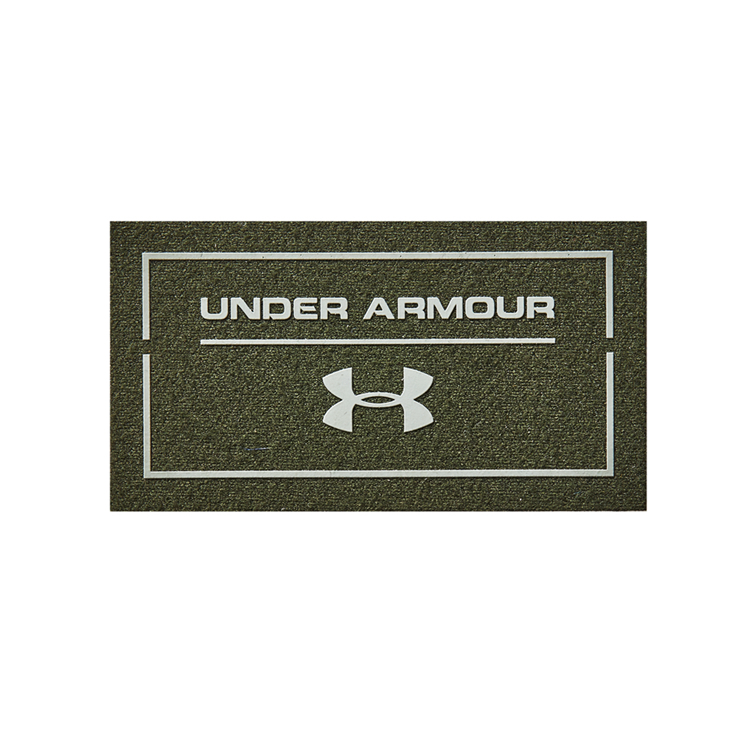
When it comes to custom branding, optimizing your patch shapes apparel logo strategy can make a significant difference in both aesthetics and functionality.
Gone are the days when branded accessories were limited to simple squares or circles. Today, thanks to rapid advancements in manufacturing technologies and digital customization, patches can be produced in virtually any contour, silhouette, or geometric form you can imagine.
Why Do Patch Shapes Matter?
The physical boundary of a patch is often the first thing consumers notice. It sets the tone and style of the accessory and can significantly enhance the overall design, making it more memorable and visually appealing. Beyond mere aesthetics, the shape directly affects several critical functional and strategic factors:
- Fit and Placement: Irregular or contoured shapes can conform better to specific apparel areas, such as curved sleeves, structured hat panels, or angled backpack surfaces, preventing unsightly edge-curling.
- Brand Identity: A distinctive shape that aligns perfectly with your core logo or brand image strengthens visual recognition, fosters brand loyalty, and improves long-term recall.
- Production Feasibility: Some shapes are inherently easier or harder to produce. Complex, highly irregular shapes may require specialized cutting dies or CNC molds, which directly affects manufacturing costs, minimum order quantities (MOQs), and turnaround times.
Table 1: Psychological and Functional Impact of Patch Shapes
| Shape Category | Psychological Association | Functional Advantage | Ideal Brand Sector |
|---|---|---|---|
| Geometric (Circle/Rectangle) | Reliable, Classic, Universal | Easy to produce, highly durable borders | Corporate uniforms, basic retail apparel |
| Shield or Crest | Strong, Authoritative, Traditional | Conveys heritage, protects visual focal points | Tactical gear, sports teams, security firms |
| Custom Die-Cut | Unique, Modern, High-End | Eliminates background, seamless garment integration | Streetwear, mascots, premium fashion labels |
| Abstract / Organic | Creative, Dynamic, Avant-Garde | Draws the eye, breaks visual monotony | Artistic collectives, music festivals, startups |
Common Patch Shapes and Their Uses
While squares, rectangles, circles, and ovals remain popular for their simplicity and ease of mass production, many modern projects benefit from more creative and tailored options. Selecting the right shape depends heavily on the message you want to convey.
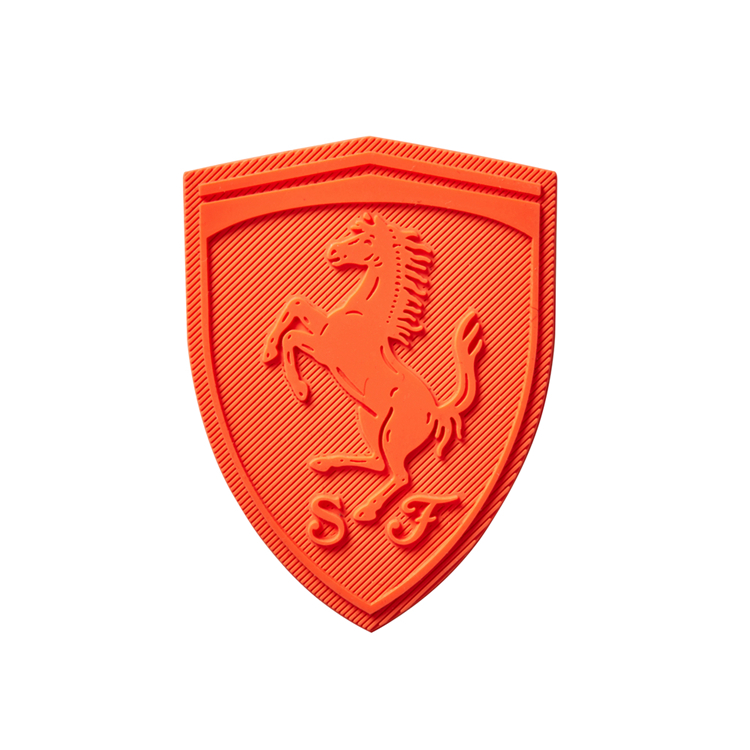
- Shield or Crest: Perfect for military, police, security, or competitive sports teams. This shape naturally conveys strength, authority, and a sense of proud tradition.
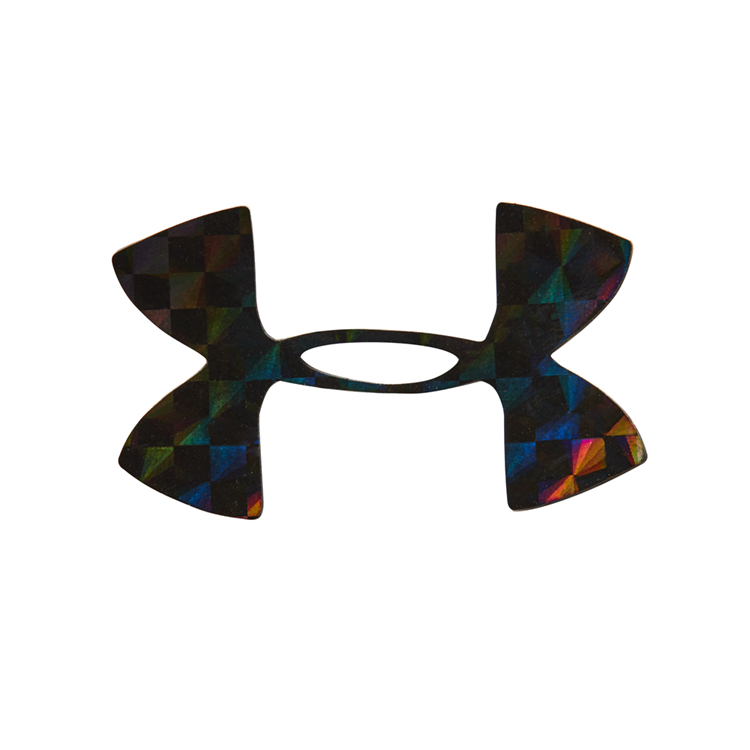
- Die-Cut Shapes: These patches are cut exactly around the design, following every curve, angle, and contour. This creates a precise, seamless, and highly custom look that eliminates the "sticker" effect of traditional bordered patches.
- Animal or Object Shapes: Ideal for themed patches, such as brand mascots, specific product outlines, or hobby-related designs that require immediate, intuitive visual recognition.
- Abstract or Geometric Shapes: Modern streetwear brands and high-fashion labels frequently use asymmetrical or abstract geometric shapes to achieve a bold, contemporary, and avant-garde appearance.
Table 2: Common Patch Shapes vs. Application and Manufacturing Complexity
| Shape Type | Visual Characteristics | Manufacturing Complexity | Best Apparel Application |
|---|---|---|---|
| Standard Geometric | Clean lines, uniform borders | Low (Fastest turnaround, lowest cost) | Pocket logos, sleeve accents, basic workwear |
| Shield / Crest | Pointed bottoms, curved tops | Medium (Requires careful bordering at points) | Jacket backs, tactical vests, heritage denim |
| Custom Die-Cut | Follows exact artwork outline | High (Requires custom steel-rule dies or lasers) | Statement pieces, mascot branding, high-end fashion |
| Arched / Banner | Curved top or bottom edge | Medium (Must align with garment curvature) | Hat fronts, chest pockets, collar accents |
Benefits of Custom Patch Shapes
Choosing custom patch shapes over standard, pre-cut forms brings several distinct competitive advantages for your product line:
- Unique Visual Appeal: Custom shapes catch the eye and break the monotony of standard patch forms. This distinctiveness makes your merchandise more attractive on retail shelves and more shareable on social media.
- Enhanced Branding: Tailoring the physical shape to your specific logo or design allows for better brand storytelling. A patch that mirrors your logo’s exact silhouette reinforces brand consistency across all touchpoints.
- Perfect Fit and Comfort: Custom shapes can be tailored to the specific garment or accessory. For example, an arched patch on a structured cap follows the natural curve of the headwear, improving wearer comfort and aesthetic harmony.
- Material Efficiency: Die-cutting eliminates excess background material. This not only reduces the overall weight of the patch but also improves the drape and flexibility of the garment, which is crucial for lightweight apparel.
How Are Unique Patch Designs Created?
Thanks to modern techniques like precision laser cutting, CNC molding, and digital embroidery, creating unique patch designs has become more accessible than ever. Here is the step-by-step process of how custom patches are manufactured:
Step 1: Design Submission and Vector Optimization
You provide a detailed design file, typically in vector format (AI, EPS, or PDF). Our design team optimizes the file, ensuring all lines are thick enough for production and converting raster images into clean, scalable vectors.
Step 2: Shape Definition and Cut Line Mapping
The shape is defined either by the exact outline of your design (for die-cut) or a specific geometric form. A 1mm to 2mm "safety margin" is established inside the cut line to protect critical logo details from being accidentally trimmed during production.
Step 3: Material Production (Categorizing Mainstream Types)
Based on your shape and aesthetic requirements, the appropriate manufacturing method is selected:
- Embroidered Patches: Threads are stitched onto a sturdy twill backing. Best for classic, textured, and highly durable looks.
- Woven Patches: Finer polyester threads are woven tightly together on a loom. Best for high-detail, small-text logos that require a flat, smooth finish.
- PVC / Rubber Patches: Liquid polymer is injected into custom CNC-machined metal molds. Best for 3D effects, vibrant colors, and waterproof tactical gear.
- Leather Patches: Genuine or faux leather is precisely laser-cut and debossed or engraved. Best for premium, rustic, and heritage aesthetics.
Step 4: Cutting and Finishing
Laser cutting allows precise edges without fraying for woven or leather patches. For embroidered patches, a hot-cut (laser-sealed) or merrowed (overlocked) border is applied to seal the edges, prevent unraveling, and enhance long-term durability.
Step 5: Backing Application
Customization options are finalized by adding specific backing types depending on the patch’s intended purpose. Options include heat-seal (iron-on) for easy application, Velcro (hook and loop) for modular gear, or a bare back for traditional sew-on application.
Table 3: Mainstream Patch Materials vs. Shape Capabilities
| Material Type | Border Style Options | Sharp Corner Capability | Best Shape Match | Limitations for Complex Shapes |
|---|---|---|---|---|
| Embroidered | Merrowed (Thick) or Hot-Cut (Thin) | Moderate (Merrowed borders round off sharp points) | Circles, Rectangles, Shields | Intricate die-cuts may fray if the border is too thick for the design. |
| Woven | Hot-Cut or Laser-Cut | High (Can achieve very sharp, precise points) | Custom Die-Cut, Intricate Crests | Requires minimum thickness to prevent tearing at isolated points. |
| PVC / Rubber | Molded Edge (Seamless) | Very High (CNC molds capture exact vector outlines) | Any Custom Die-Cut, 3D Silhouettes | Extremely thin, isolated protrusions may break during demolding. |
| Leather / Suede | Raw Edge or Stitched | Moderate (Laser cutting is precise, but raw edges can fray) | Simple Geometric, Shields, Arches | Highly irregular, jagged die-cut shapes are difficult to finish cleanly. |
Choosing the Right Patch Shape for Your Project
When selecting patch shapes for your apparel logo, consider these critical factors to ensure a successful and cost-effective outcome:
- Purpose: For uniforms or official apparel, traditional shapes like shields or rectangles work well to convey professionalism. For fashion or promotional items, experiment with fun, abstract, or die-cut shapes to drive engagement.
- Design Complexity: Detailed logos with intricate edges might require die-cut shapes and woven materials to maintain design integrity, especially at smaller scales.
- Garment Placement: Think carefully about where the patch will be sewn or adhered. Sleeves, hats, or bags may require smaller, more flexible, or curved shapes to conform to the fabric without peeling.
- Production Cost and Time: Complex, highly irregular shapes might increase tooling costs (like custom die creation) or lead times. It is essential to balance creative ambition with your project budget and timeline.
Table 4: Garment Placement vs. Recommended Patch Shapes
| Apparel Zone | Fabric Characteristics | Recommended Shape | Design Rationale |
|---|---|---|---|
| Left Chest | Moderate stretch, high visibility | Small Circles, Rectangles, Mini Shields | Complements the natural curve of the chest; avoids overwhelming the garment. |
| Center Back (Jackets) | Large flat area, low stretch | Large Custom Die-Cut, Crests, Banners | Maximizes brand impact; complex shapes can be scaled up without losing detail. |
| Sleeve / Shoulder | High curvature, high movement | Small Arches, Simple Geometric | Conforms better to the curve of the arm; sharp corners on large patches may peel. |
| Hat / Cap Front | Structured or unstructured, curved | Arches, Circles, Small Shields | Arches naturally follow the curve of the cap's front panel, creating a seamless look. |
Caring for Your Patches
Regardless of the shape or material, proper care ensures patches last long and maintain their original look, color vibrancy, and adhesion strength:
- Washing: Always wash garments inside out on gentle cycles. This minimizes friction against the patch edges and prevents snagging, especially for embroidered or woven patches.
- Drying: Avoid high heat when tumble drying, especially on synthetic materials or PVC patches, to prevent warping, shrinking, or adhesive degradation. Air drying is highly recommended.
- Ironing: For iron-on patches, avoid direct contact with the iron. Use a pressing cloth and moderate heat. If edges start peeling after multiple washes, reapply heat with a pressing cloth to reactivate the adhesive.
- Storage: Store unused patches in a cool, dry place away from direct sunlight. This preserves the chemical integrity of the heat-seal backing and prevents color fading.
Table 5: Patch Care Instructions by Material
| Material | Washing Method | Drying Method | Ironing / Heat Precautions |
|---|---|---|---|
| Embroidered | Gentle cycle, inside out | Air dry or low heat tumble | Medium heat, use pressing cloth to avoid thread scorching. |
| Woven | Gentle cycle, inside out | Air dry preferred | Low heat, avoid direct iron contact to prevent melting fine threads. |
| PVC / Rubber | Hand wash or gentle cycle | Air dry only | No direct ironing. Heat can warp or melt the polymer structure. |
| Leather | Spot clean only (do not machine wash) | Air dry away from direct heat | No ironing. Heat will crack, shrink, or permanently damage the hide. |
Conclusion
In the world of custom apparel branding, patch shapes play a crucial role in elevating both design and function. By embracing custom patch shapes and exploring unique patch designs, B2B buyers and brands unlock endless possibilities to make their products more impactful, memorable, and personalized. Whether for corporate branding, uniform identity, or creative fashion, thoughtful shape selection enhances both aesthetics and long-term durability.
Next time you design a patch, think beyond the traditional boundaries. Your perfect patch shape is out there, waiting to bring your apparel logo vision to life. Contact our expert manufacturing team today to discuss your design, request a free digital shape mockup, and secure a competitive B2B quote for your next production run. Let us help you craft patches that perfectly align with your brand’s unique identity.
What Defines the Custom Patch Shirt Mens Collection in 2026?
How to Iron Patches on Jeans for a Professional, Long-Lasting Finish?
Related Article