What Are the Design Elements and Specifications of Iron Patches for Bags?
Table of Contents
- Understanding the Fundamental Role of Iron Patches for Bags
- Exploring the Subtle Craftsmanship Behind Effective Adhesion
- Insights into the Performance Metrics and Physical Properties
- Variables to Consider When Aligning Patches with Specific Textiles
- Recommended Practices for Ensuring a Durable Attachment
- Concluding Remarks on the Long-Term Value of This Solution
Among these innovations, iron patches for bags have emerged as a highly efficient and reliable method for restoring damaged fabrics and applying personalized designs.
Unlike traditional sew-on alternatives that require mechanical piercing of the fabric, these patches utilize thermoplastic adhesives to bond directly with textile fibers. Understanding the structural composition, physical properties, and technical parameters of these products is essential for selecting the appropriate variant for specific bag materials and usage conditions. This article provides a detailed, objective analysis of the design elements and technical specifications of iron patches for bags.
Understanding the Fundamental Role of Iron Patches for Bags
Iron patches for bags are specialized fabric emblems engineered with a heat-activated adhesive backing. The primary function of these accessories is to adhere securely to the exterior surface of bags, backpacks, tote bags, and luggage. The bonding mechanism relies entirely on the thermal properties of the adhesive layer.
When exposed to a specific temperature range, typically generated by a standard household iron, the solid adhesive transitions into a viscous liquid state. This liquid adhesive penetrates the microscopic gaps within the bag's fabric weave. Upon cooling, the adhesive solidifies, creating a strong mechanical and chemical bond with the textile substrate. This process eliminates the need for mechanical stitching, thereby preserving the structural integrity of the bag material while providing a secure, flat attachment. The application of iron patches for bags is widely utilized in both commercial manufacturing for corporate branding purposes and consumer-level projects for garment repair and aesthetic customization.
Exploring the Subtle Craftsmanship Behind Effective Adhesion
The structural integrity, durability, and aesthetic quality of iron patches for bags are determined by four primary design elements. Each layer serves a distinct functional purpose to ensure the product performs optimally under various environmental conditions.
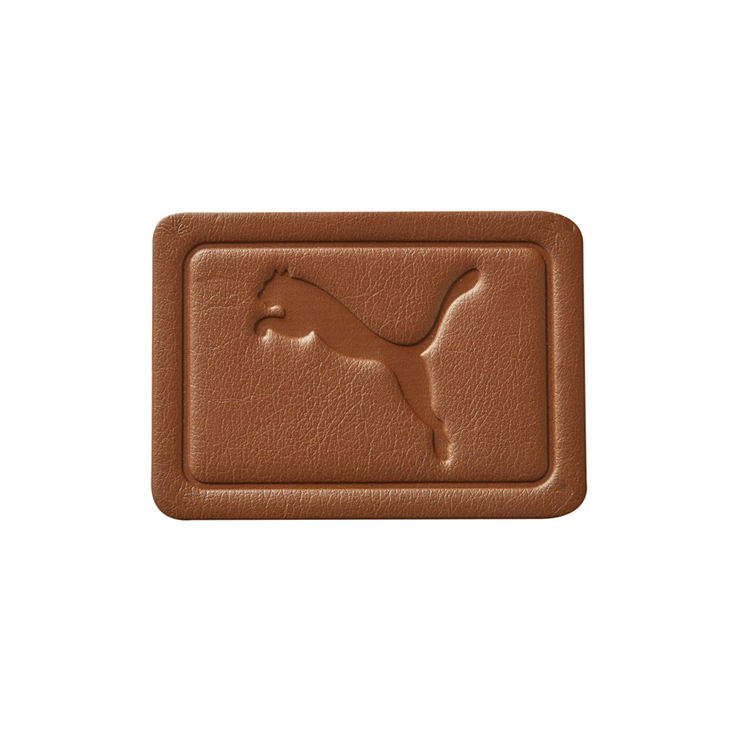
- Top Face Layer: This is the visible surface of the patch, responsible for the visual design and texture. It is constructed using various materials depending on the desired aesthetic effect. High-density embroidery thread is frequently used to create a raised, three-dimensional texture with vibrant color saturation. Alternatively, molded PVC provides a smooth, waterproof, and highly durable surface, while woven fabric offers a flat, detailed finish suitable for complex, high-resolution logos.
- Heat-Activated Adhesive Layer: Positioned directly beneath the face layer, this component is critical for attachment. It consists of a specialized thermoplastic polymer, such as Thermoplastic Polyurethane (TPU) or Ethylene-Vinyl Acetate (EVA). These polymers are scientifically selected for their specific melting points, flexibility after cooling, and strong affinity for both natural and synthetic textile fibers.
- Edge Finishing: The perimeter of the patch requires treatment to prevent fraying and to define its final shape. A Merrowed border involves stitching a thick thread around the edge, creating a raised, durable frame that resists peeling. Conversely, a heat-cut or laser-cut edge melts the synthetic fibers of the border, resulting in a flat, seamless finish that allows for intricate, non-standard shapes without bulky edges.
- Base Stabilizer: This underlying layer provides structural rigidity to the patch. Made from materials like cotton twill, felt, or non-woven interfacing, the stabilizer prevents the patch from wrinkling, warping, or curling when applied to the flexible, often curved, surfaces of a bag.
Table 1: Design Elements Analysis
| Design Element | Material / Technique | Functional Purpose for Bags |
|---|---|---|
| Top Face Layer | Embroidery thread, PVC, woven polyester | Delivers visual design, texture, and resistance to UV fading. |
| Adhesive Layer | TPU or EVA thermoplastic polymer | Creates a permanent, flexible bond with textile fibers upon heating. |
| Edge Finishing | Merrowed stitch or heat-cut seal | Prevents structural fraying and defines the precise shape of the patch. |
| Base Stabilizer | Cotton twill, felt, non-woven backing | Maintains structural flatness and prevents curling on curved bag surfaces. |
Insights into the Performance Metrics and Physical Properties
To ensure optimal performance and longevity, the manufacturing of iron patches for bags adheres to strict technical specifications. These parameters dictate the application process and the environmental resistance of the final product.
- Activation Temperature: The thermoplastic adhesive requires a precise temperature to melt and flow effectively. The standard activation range is between 150°C and 170°C (300°F to 340°F). Applying heat below this range results in incomplete melting and weak adhesion, while exceeding it risks scorching the bag's fabric or degrading the chemical properties of the adhesive.
- Thickness Profile: The overall thickness of the patch influences its flexibility and coverage capability. Standard thicknesses range from 2.0 mm to 3.5 mm. Thinner profiles are preferable for lightweight tote bags where drape and flexibility are required, whereas thicker profiles provide robust coverage and structural reinforcement for heavy-duty canvas backpacks and luggage.
- Wash Resistance: The durability of the adhesive bond under laundering conditions is a critical specification. High-quality iron patches for bags are engineered to withstand machine washing at temperatures up to 40°C (104°F). The bond maintains its integrity provided that harsh chemicals, such as bleach, are avoided and tumble drying is minimized to prevent thermal softening of the adhesive.
- Material Composition: The face materials and stabilizers are typically composed of 100% polyester or cotton blends. Polyester is favored for its high tensile strength, colorfastness, and resistance to environmental degradation, ensuring the patch retains its appearance after prolonged exposure to sunlight and friction.

Table 2: Technical Product Specifications
| Parameter | Standard Range / Value | Technical Note |
|---|---|---|
| Activation Temperature | 150°C to 170°C (300°F to 340°F) | Requires firm, continuous pressure for 30-45 seconds. |
| Patch Thickness | 2.0 mm to 3.5 mm | Thicker variants offer more coverage for damaged areas. |
| Wash Resistance | Up to 40°C (104°F) machine wash | Wash inside out; avoid high-heat tumble drying. |
| Material Composition | 100% polyester thread, twill base | Ensures high tensile strength and colorfastness. |
| Adhesive Melting Point | 130°C to 150°C (266°F to 302°F) | Allows bonding without exceeding the damage threshold of most bag fabrics. |
Variables to Consider When Aligning Patches with Specific Textiles
Beyond the fundamental technical specifications, several secondary parameters influence the selection and application of iron patches for bags. These variables ensure compatibility with diverse bag styles, functional requirements, and aesthetic preferences.
- Dimensional Specifications: Patches are manufactured in standardized sizes, typically ranging from 2 inches for subtle detailing to 6 inches or larger for extensive coverage. Custom dimensions are also available to accommodate specific design requirements and proportional aesthetics.
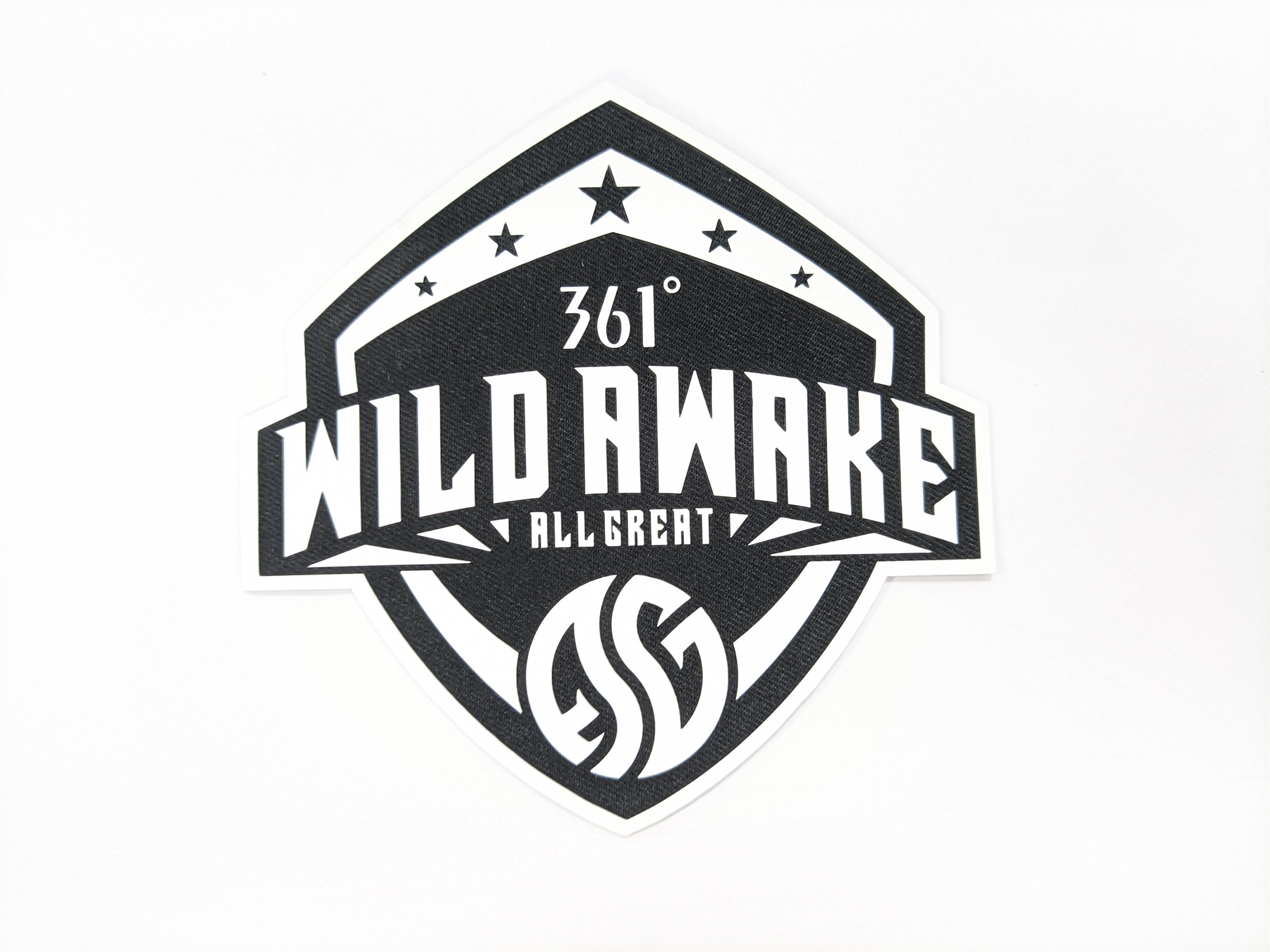
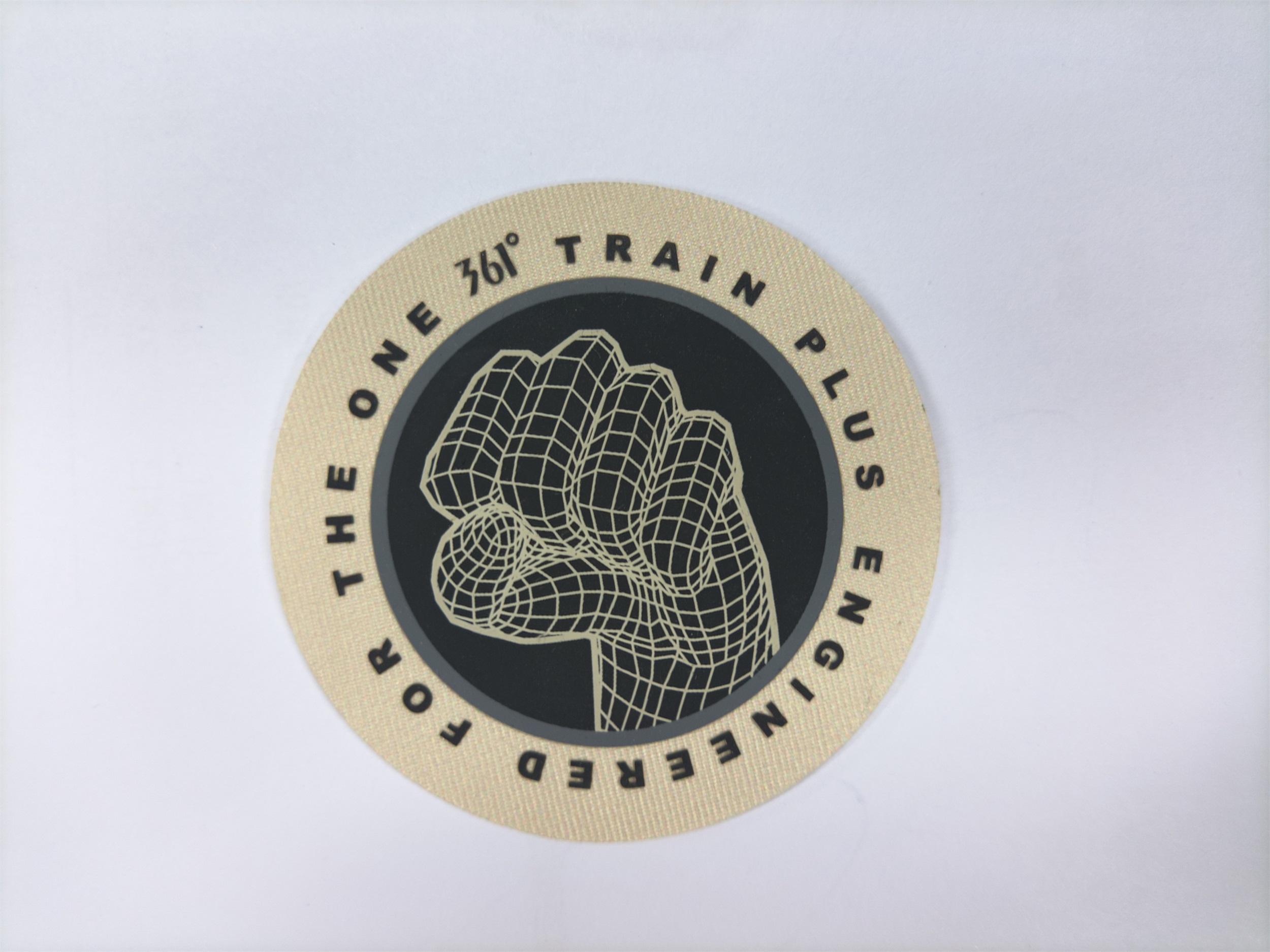
- Geometric Shapes: The shape of the patch dictates its visual impact. Standard geometric shapes, such as circles, squares, and shields, offer a classic, structured appearance. Custom die-cut shapes allow for the replication of complex silhouettes, including corporate logos, animals, or abstract art.
- Fabric Compatibility: The efficacy of the adhesive bond is highly dependent on the substrate material. Iron patches for bags adhere most effectively to natural fibers like cotton, canvas, and denim, which possess an open weave that allows the melted adhesive to penetrate deeply. Synthetic materials, such as nylon or polyester, have tighter weaves and lower melting points, often requiring a lower application temperature and the supplementary use of fabric glue to ensure a permanent bond. Leather substrates require careful temperature control to prevent thermal damage to the hide.
Table 3: Selection Parameters and Compatibility
| Parameter Category | Available Options | Application Recommendation |
|---|---|---|
| Dimensions | 2", 4", 6", custom sizes | Small for logos; large for covering significant fabric tears. |
| Geometric Shapes | Round, shield, square, die-cut | Shield for classic aesthetics; die-cut for complex custom designs. |
| Fabric Compatibility | Canvas, denim, cotton, nylon, leather | Natural fibers yield the strongest bonds; synthetics require lower heat. |
| Color Style | Solid, gradient, metallic, reflective | Metallic for modern streetwear; solid for vintage or outdoor gear. |

Recommended Practices for Ensuring a Durable Attachment
The successful application of iron patches for bags requires adherence to a standardized procedure to maximize adhesive performance and ensure a permanent bond.
- Surface Preparation: The target area on the bag must be clean, dry, and free of wrinkles. Any surface contaminants, such as dust, oils, or moisture, will impede adhesive penetration and weaken the final bond.
- Positioning: The patch is placed in the desired location. Heat-resistant tape is utilized to secure the patch and prevent any microscopic displacement during the heating process.
- Heat Application: The iron is set to the appropriate temperature (typically the cotton setting) with the steam function completely disabled. Firm, downward pressure is applied directly to the patch for 30 to 45 seconds. The absence of steam is critical, as moisture interferes with the thermoplastic bonding process.
- Cooling and Curing: The patch must be allowed to cool completely to room temperature before the bag is flexed or handled. The cooling phase is when the adhesive solidifies and achieves its maximum bond strength. For applications subjected to high mechanical stress, supplementary stitching around the perimeter is recommended.
Concluding Remarks on the Long-Term Value of This Solution
In summary, iron patches for bags represent a highly engineered textile accessory designed for efficient repair, reinforcement, and customization. Their performance is dictated by a precise combination of design elements, including the face material, thermoplastic adhesive, edge finishing, and base stabilizer. Furthermore, strict adherence to technical specifications regarding activation temperature, thickness, and wash resistance ensures a durable and reliable bond. By understanding these parameters and selection variables, users and manufacturers can optimize the application of these patches across a wide variety of bag materials, ensuring both functional longevity and aesthetic excellence.
Discover stickers high quality That Make Your Brand Pop
Can Jean Jacket Patches Effectively Restore and Customize Denim
Related Article