Which Sport Patches Design Will Best Elevate Your Custom Apparel?
Table of Contents
- Design and Pattern Selection: Crafting the Perfect Look
- Application Areas: Where Do Sport Patches Shine?
- Strategic Placement: Where to Apply Your Patches
- Democratizing Customization: Sport Patches for the General Consumer
- Sport Patches vs. Alternative Branding Methods
- Material Showdown: Choosing the Right Patch Type
- Final Thoughts from the Production Floor
Among the myriad of customization options available today, sport patches have consistently proven to be one of the most versatile and effective solutions.
Design and Pattern Selection: Crafting the Perfect Look
When clients come to me with a design for sport patches, the most common mistake is overcomplicating the artwork. A successful patch design balances aesthetic appeal with manufacturing feasibility. Here is how we approach pattern selection on the production floor:
- Simplification is Key: Intricate details often get lost in translation, especially in embroidered patches. We always recommend converting complex raster images into clean, bold vector graphics. Thick lines and distinct color blocks translate best.
- Color Limitations: While modern machinery can handle dozens of thread colors, keeping your design to 3-5 core colors not only reduces production costs but also creates a cleaner, more professional visual impact. We rely on Pantone Matching System (PMS) codes to ensure exact color consistency across different production runs.
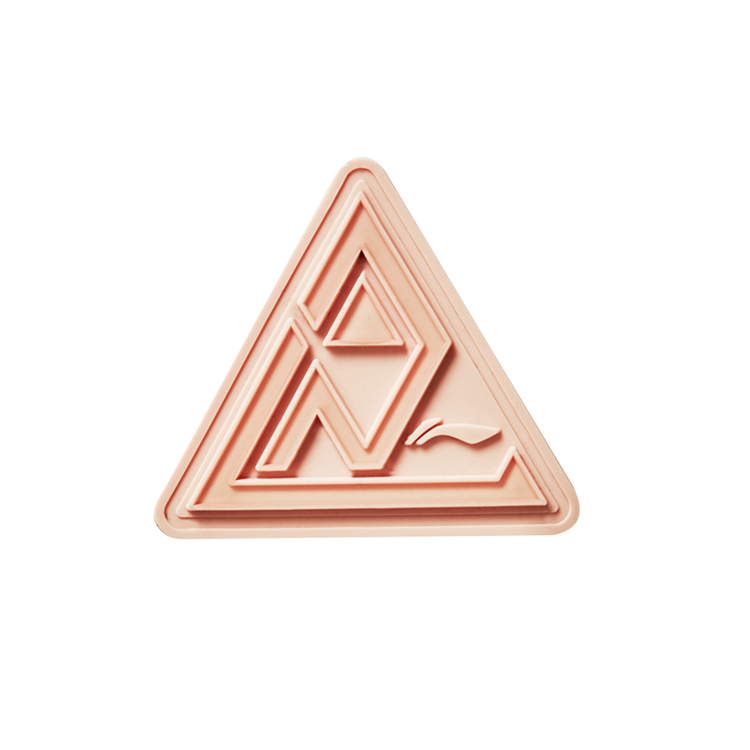
- Border Considerations: The border defines the patch. A merrowed border (overlocked edge) is excellent for simple shapes like circles, squares, or shields, providing a classic, raised 3D texture. However, if your design features complex, irregular shapes (like a detailed mascot or a jagged lightning bolt), a laser-cut border is the superior choice, allowing for precise, fray-free edges that follow the exact contour of your design.
- Background Styles: Opting for a twill or felt background rather than fully stitching the entire background can significantly reduce thread density. This makes the patch lighter, more flexible, and more comfortable against the skin—a crucial factor for activewear.
Application Areas: Where Do Sport Patches Shine?
The versatility of sport patches means they are not confined to traditional team uniforms. From my experience, the application areas have expanded significantly:
- Traditional Team Sports: Baseball, football, and basketball jerseys still heavily utilize woven and embroidered patches for team logos, player numbers, and league insignias.
- Outdoor and Tactical Gear: Hiking backpacks, tactical vests, and camping jackets benefit from the rugged durability of PVC or heavy-duty embroidered patches.
- Fitness and Athleisure: Gym wear, yoga pants, and running jackets use lightweight, flexible patches (often woven or laser-cut) for subtle branding that moves with the body.
- E-Sports and Gaming: Competitive gaming teams use highly detailed, vibrant woven patches to showcase complex team mascots and sponsor logos on their jerseys.
- Motorsports and Cycling: Cycling kits and racing suits require ultra-thin, aerodynamic patches that won’t add bulk or cause drag, making sublimated or thin woven patches the go-to choice.

Strategic Placement: Where to Apply Your Patches
Placement dictates the visual hierarchy of your garment. As a manufacturer, I always advise clients to consider the garment's stretch and the wearer's movement when deciding on placement.
- Left Chest: The gold standard for subtle, professional branding. Ideal for small to medium-sized sport patches (2 to 3 inches). It’s perfect for corporate logos or small team crests.
- Sleeves: Highly popular in team sports and tactical gear. Sleeve patches are excellent for displaying player numbers, national flags, or sponsor logos. Pro tip: Avoid placing rigid, thick patches on the inner sleeve or directly over the elbow joint, as this can cause discomfort during movement.
- Upper Back / Shoulders: Best for large, statement-making designs. A large sport patch across the upper back or wrapping around the shoulder seam is highly visible and great for team names or large sponsor graphics.
- Headwear and Accessories: For baseball caps and beanies, keep the patch small (under 2.5 inches) and ensure it is placed centrally. For backpacks and duffel bags, larger patches can be applied to the front panel or side pockets.
Democratizing Customization: Sport Patches for the General Consumer
You don’t need to be a professional team manager to utilize sport patches. In recent years, the barrier to entry has lowered, making them highly suitable for general consumers and DIY enthusiasts.
Modern sport patches come with user-friendly backing options:
- Iron-On Backing: Perfect for the everyday consumer looking to personalize a denim jacket, a plain gym bag, or old sneakers. With a standard household iron, anyone can securely attach a patch in minutes.
- Hook and Loop (Velcro) Backing: Ideal for modular gear. Consumers who enjoy airsoft, paintball, or tactical hobbies can easily swap out morale patches or identification badges on their vests and backpacks without sewing.
- Sew-On Backing: For the crafters and traditionalists who want a permanent, ultra-secure bond on heavy-duty materials like leather jackets or thick canvas.
This accessibility allows general consumers to upcycle old clothing, express their personal style, or create one-off gifts for friends and family with professional-looking results.
Sport Patches vs. Alternative Branding Methods
When deciding how to brand a garment, sport patches are just one piece of the puzzle. To help you make an informed decision, I have compiled a comparison of sport patches against other common apparel branding methods.
Table 1: Branding Methods Comparison
| Feature | Sport Patches (Embroidered/Woven) | Direct Screen Printing | Heat Transfer Vinyl (HTV) | Direct Machine Embroidery |
|---|---|---|---|---|
| Durability & Lifespan | Excellent. Can outlast the garment itself. | Good, but prone to cracking over time. | Moderate. Edges may peel after multiple washes. | Excellent. Highly durable. |
| Texture & Feel | Distinct 3D texture; premium tactile feel. | Flat, smooth finish. | Slightly raised, can feel "plasticky". | 3D texture, but stitched directly into fabric. |
| Detail Resolution | High (especially woven), but limited by thread. | Very High. Excellent for gradients and photos. | High, but limited by cutting precision. | Moderate. Struggles with very fine details. |
| Cost-Effectiveness | High for medium/large runs. Setup costs apply. | Very high for large runs. Low for small runs. | Low for single items. High labor for bulk. | High setup cost. Best for simple, small logos. |
| Application Flexibility | Can be applied to almost any fabric post-production. | Requires specific fabric types (best on cotton). | Works on most fabrics, but heat can damage synthetics. | Limited to flat, stable fabrics during production. |
As a practitioner, I often recommend sport patches when the client wants a premium, tactile feel and the ability to apply the branding post-production (which is great for keeping blank inventory on hand).
Material Showdown: Choosing the Right Patch Type
If you have decided that sport patches are the right route, the next hurdle is selecting the specific material. Each material offers distinct advantages depending on the end use.
Table 2: Sport Patch Material Comparison
| Material Type | Texture & Appearance | Detail Resolution | Flexibility & Weight | Best Use Case Scenario |
|---|---|---|---|---|
| Embroidered Patches | Classic, raised 3D texture. Traditional and rugged look. | Moderate. Best for bold, simple designs with thick lines. | Medium. Can be stiff if fully stitched; lighter with twill fill. | Varsity jackets, baseball caps, heavy-duty team uniforms, tactical gear. |
| Woven Patches | Flat, smooth, and tight weave. Clean and modern aesthetic. | Very High. Can capture fine details, small text, and complex gradients. | High. Thin and lightweight, moves easily with the fabric. | Cycling jerseys, e-sports uniforms, sleek athleisure, intricate corporate logos. |
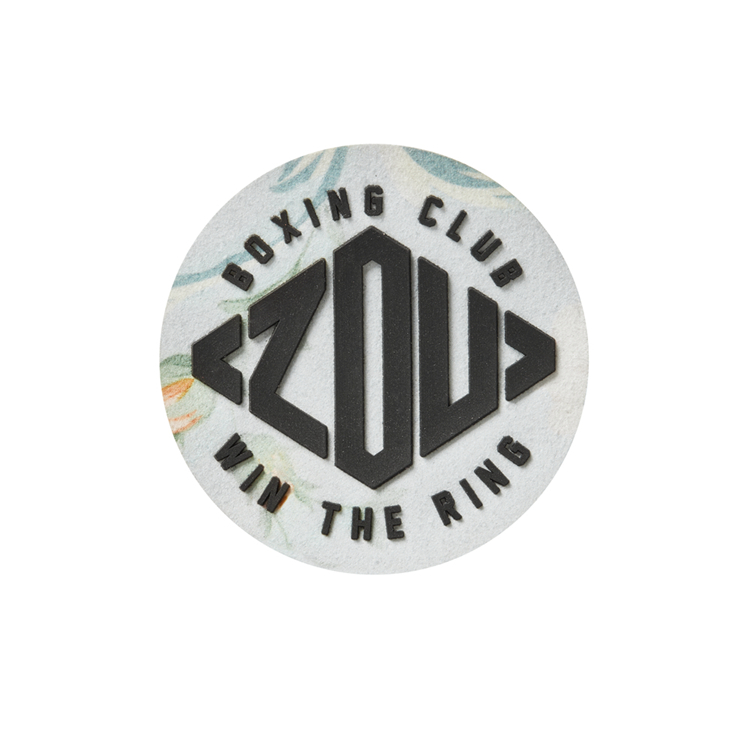
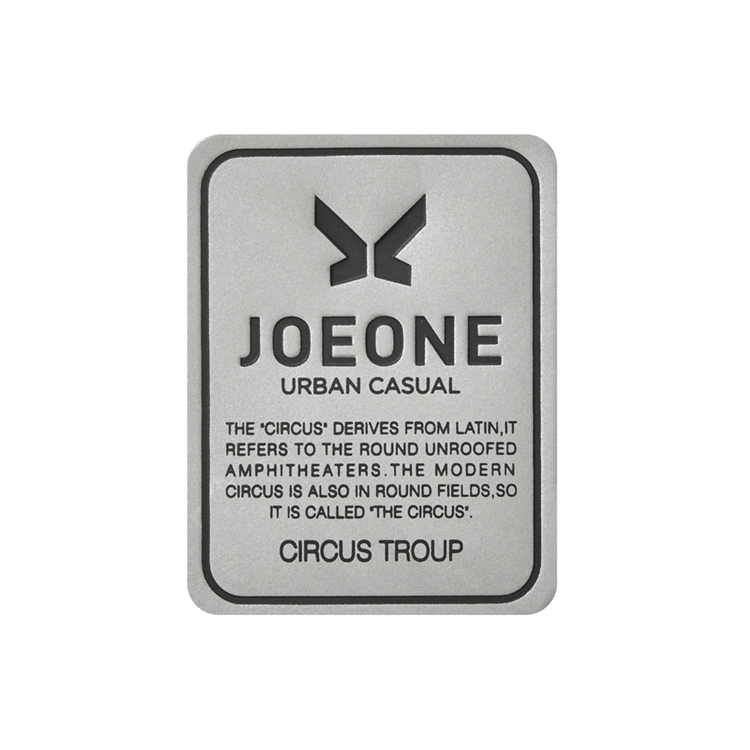
| PVC / Silicone Patches | Rubber-like, flexible, and slightly glossy or matte. Modern and sporty. | High. Excellent for 3D molded effects and vibrant, solid colors. | Very High. Waterproof, highly flexible, and durable. | Outdoor gear, swimwear, martial arts uniforms, gym bags, wet-environment apparel. |
| Chenille Patches | Fuzzy, raised, and soft. Vintage and nostalgic feel. | Low. Only suitable for very large, simple, blocky lettering or shapes. | Low to Medium. Thick and plush, adds significant weight. | Varsity letterman jackets, retro-style sportswear, blanket accents. |
Final Thoughts from the Production Floor
Choosing the right sport patches is not about picking the most expensive option; it is about aligning the design, material, and application method with the specific needs of the garment and the end-user.
Is Your Gear Missing the Perfect Private Patch or Sports Patch?
Is It Time to Upgrade Your Gear with Glow in the Dark Patches?