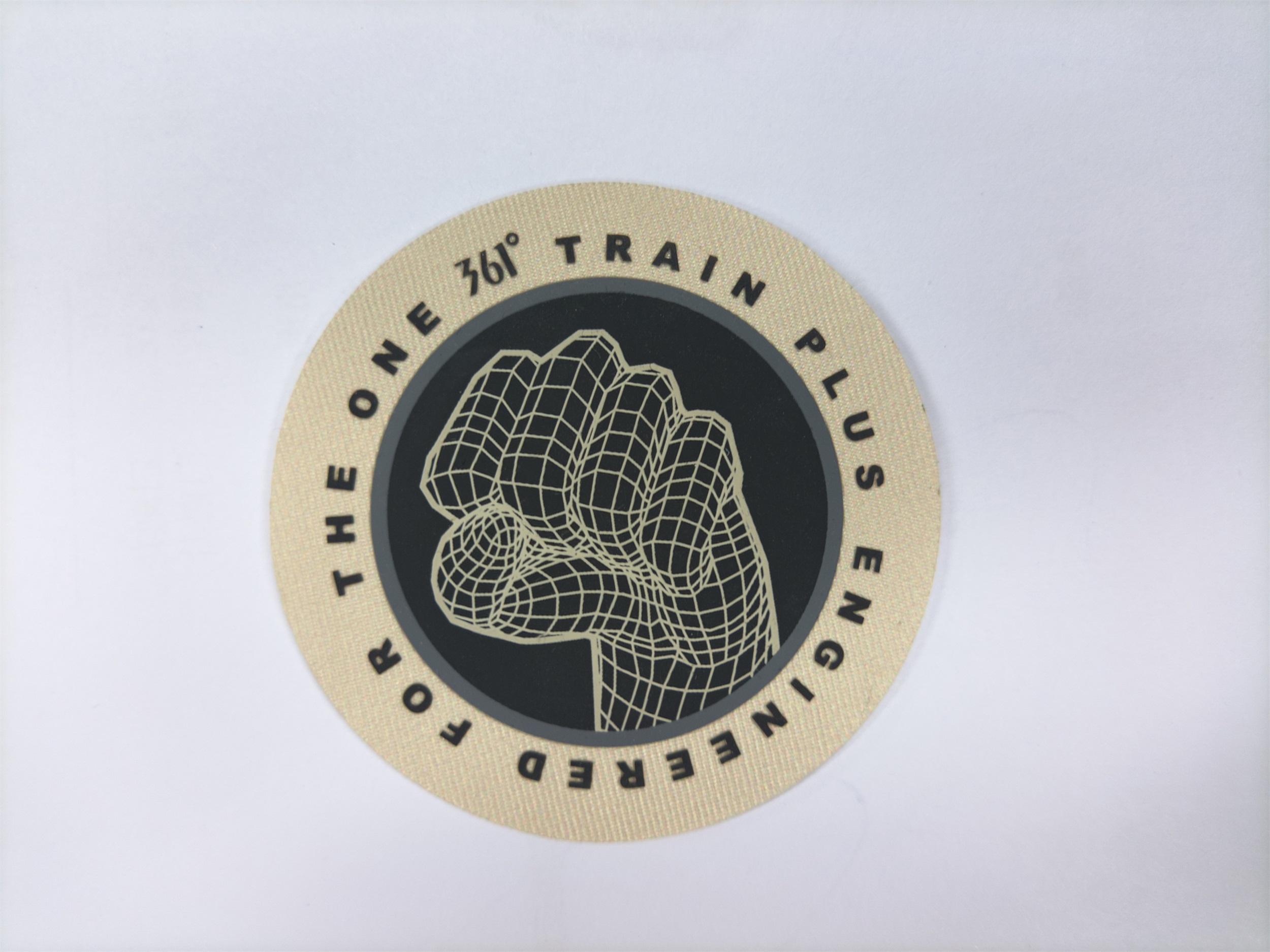
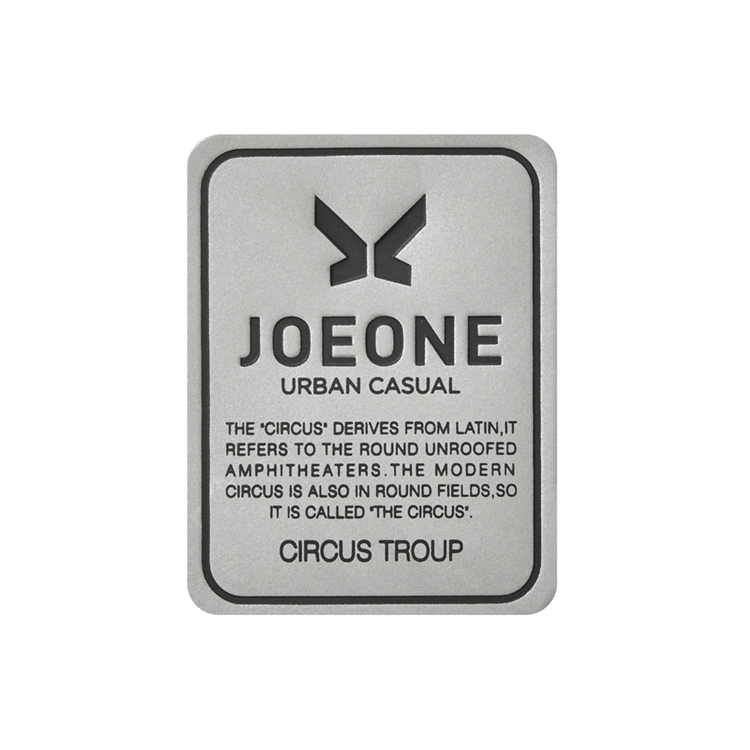
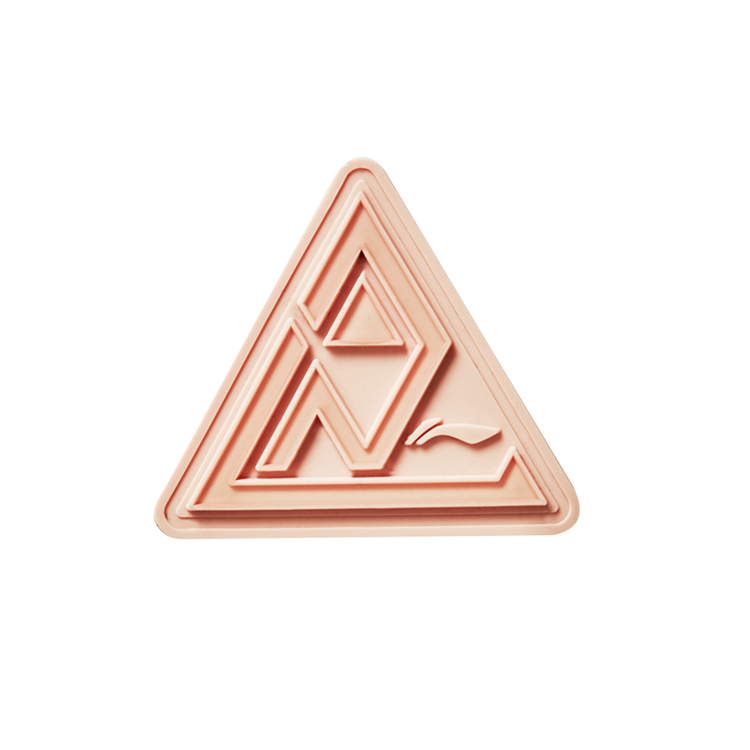
Is Your Gear Missing the Perfect Private Patch or Sports Patch?
Table of Contents
Today, we are focusing on two highly versatile branding solutions: the private patch and the sports patch.
Selecting the Ideal Design Patterns for Your Patches
The foundation of any great patch lies in its design. However, a design that looks stunning on a digital screen often translates poorly into physical thread or woven material. As a practitioner, I always advise clients to adapt their artwork specifically for patch production.
When designing a private patch, the goal is often subtlety, exclusivity, and a clean aesthetic. These patches usually feature minimalist logos, subtle monograms, or understated geometric shapes. For a private patch, negative space is your best friend. Do not overcrowd the design. A simple, bold outline with a solid fill often yields a much more premium look than a highly complex, multi-colored graphic.
Conversely, a sports patch demands energy, visibility, and high contrast. These are meant to be seen from a distance, whether on a jersey or a gym bag. When selecting patterns for a sports patch, avoid thin, delicate lines. Text should be kept to a minimum and must be thick enough to prevent the threads from bleeding into one another. If your sports team logo has intricate details, consider simplifying the core elements or opting for a woven patch instead of an embroidered one to maintain clarity.
Always remember the "thumb rule" in patch design: if a detail is smaller than 2 millimeters in the final physical size, it will likely become a blurry mess. Keep shapes distinct and colors well-separated.
Practical Application Fields and Placement Locations
Understanding where a patch will live dictates how it should be constructed. The application fields for both a private patch and a sports patch are vast, but they serve different psychological and functional purposes.
Application Fields
- Tactical and Outdoor Gear: This is the traditional stronghold of the sports patch and tactical private patches. Brands use them on hiking backpacks, camping tents, and tactical vests to denote brand affiliation or unit identity.
- Fitness and Activewear: Gym wear relies heavily on the sports patch. They are used on lifting belts, gym bags, and workout apparel to project a rugged, motivated aesthetic.
- Streetwear and Casual Fashion: Here, the private patch shines. It is used on denim jackets, beanies, and canvas tote bags to add a touch of bespoke, understated branding without screaming for attention.
- Corporate and Uniforms: Many companies use private patches for employee uniforms, offering a more durable and premium alternative to standard printed logos.
Optimal Placement Locations
The placement of the patch changes its visual impact.
- Shoulders and Sleeves: The classic placement for a sports patch. It allows for a medium-to-large size and is highly visible during movement.
- Chest and Heart Area: Ideal for a private patch. A small, subtle logo placed over the left chest creates an intimate, premium connection with the wearer.
- Backpack Straps and Handles: Excellent for long, vertical designs. It maximizes visibility when the bag is being carried.
- Hat Sides and Nape: A growing trend for both patch types. A small private patch on the side of a dad hat or a sports patch on the back strap adds a unique, customized flair.

Why General Consumers Are Embracing Patches
It is a common misconception in the B2B manufacturing world that patches are only for large brands and uniform suppliers. In reality, the general consumer market is driving a massive surge in patch popularity.
Why? Because modern consumers crave personalization and DIY culture. A custom private patch allows an individual to take a mass-produced jacket and make it uniquely theirs. Iron-on and velcro backings have made it incredibly easy for everyday people to swap out patches depending on their mood or outfit.
Furthermore, patches evoke a sense of nostalgia and authenticity. A well-worn sports patch on a vintage-style gym bag tells a story of hard work and dedication. Consumers are moving away from cheap, fast-fashion prints that crack and peel after three washes. They want the tactile, three-dimensional texture that only a properly crafted patch can provide. By offering high-quality patches, you are not just selling a logo; you are selling a durable, emotional connection to the gear.
Material and Method Comparisons
To make informed decisions, it is essential to understand how a private patch or sports patch stacks up against other branding methods and how the two patch types differ from each other. Below are detailed comparison tables to guide your product development.
Table 1: Private Patch vs. Sports Patch
| Dimension | Private Patch | Sports Patch |
|---|---|---|
| Primary Focus | Subtlety, exclusivity, and premium feel. | High visibility, energy, and team identity. |
| Typical Materials | Twill, felt, or fine woven threads for a smooth finish. | Heavy-duty embroidery thread, PVC, or Chenille for texture. |
| Border Style | Clean merrow borders, laser-cut edges, or minimalist stitching. | Thick, heavy merrow borders or tactical tactical-style overstitching. |
| Color Palette | Muted tones, monochromatic, or subtle metallic accents. | High-contrast, vibrant, and bold primary colors. |
| Ideal Vibe | Understated elegance, stealth, and sophistication. | Rugged, athletic, aggressive, and dynamic. |
| Best Backing | Iron-on, sew-on, or adhesive for delicate fabrics. | Velcro (hook and loop) for tactical gear, or heavy sew-on. |
Table 2: Patches vs. Direct Embroidery vs. Screen Printing
| Dimension | Custom Patches (Private/Sports) | Direct Embroidery | Screen Printing |
|---|---|---|---|
| Durability | Extremely high. Can be removed and reapplied (if Velcro). | Very high. Stitches directly into the fabric. | Moderate. Prone to cracking and fading over time. |
| Texture & Feel | 3D, tactile, and raised. Adds physical depth to the gear. | 3D, but flat against the garment. Can pucker thin fabrics. | Completely flat. No added texture. |
| Setup Cost | Moderate. Requires digitizing and physical sampling. | High. Requires complex digitizing for every garment size. | Low to Moderate. Requires screen creation for each color. |
| Turnaround Time | Medium. Production is centralized; shipping adds time. | Slow. Embroidering each item individually takes time. | Fast. Once screens are made, printing is very quick. |
| Best Application | Gear that needs a premium upgrade, modular items, outerwear. | Polo shirts, corporate uniforms, thick hoodies. | Cotton t-shirts, tote bags, high-volume cheap merch. |
Quick Specifications and Common Queries
To ensure clarity and assist with quick decision-making, here is a structured breakdown of common technical specifications and queries regarding patch production.
- Minimum Order Quantity (MOQ): Typically ranges from 50 to 100 pieces for custom designs, though standard stock designs can be ordered in single units.
- Maximum Size: Generally, embroidered patches should not exceed 12x12 inches to maintain structural integrity. Larger designs are better suited for woven patches or direct embroidery.
- Color Limits: Standard embroidery is limited to 9-12 colors per design. Woven patches can accommodate up to 20 colors for intricate details.
- Turnaround Time: Standard production takes 10-15 business days after design approval. Rush orders can be accommodated in 5-7 days for an additional fee.
- File Formats Required: Vector files (AI, EPS, PDF, SVG) are mandatory for clean digitizing. Raster images (JPG, PNG) must be at least 300 DPI.
Which Sport Patches Design Will Best Elevate Your Custom Apparel?