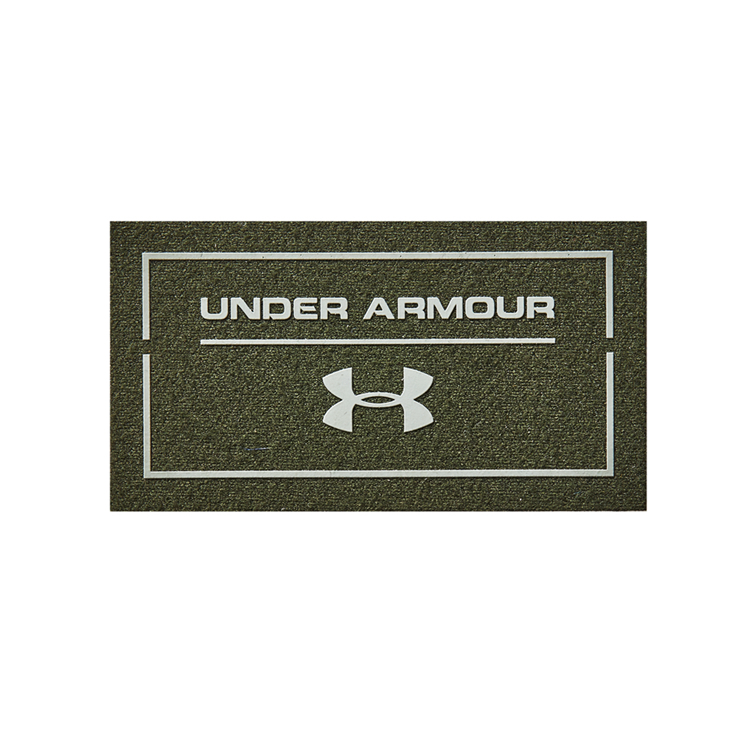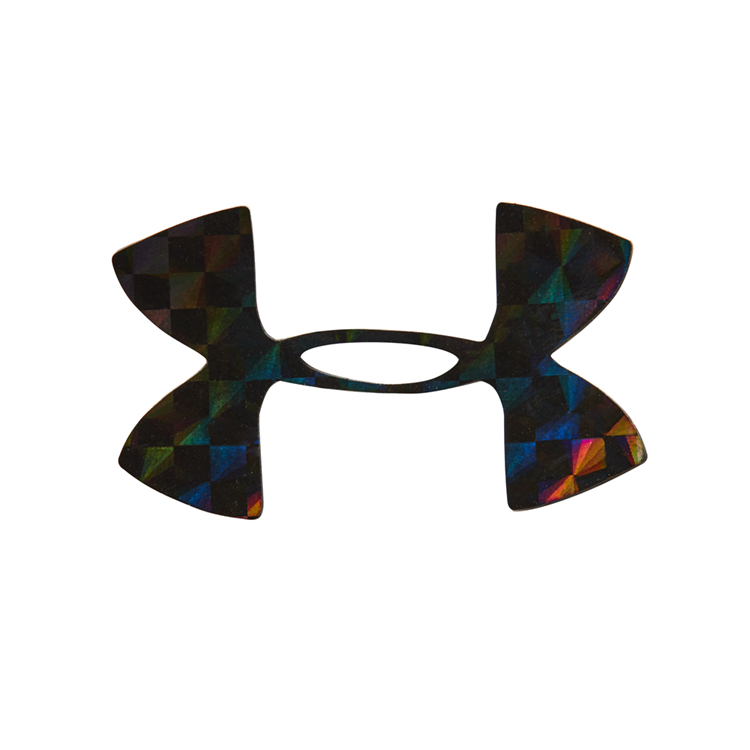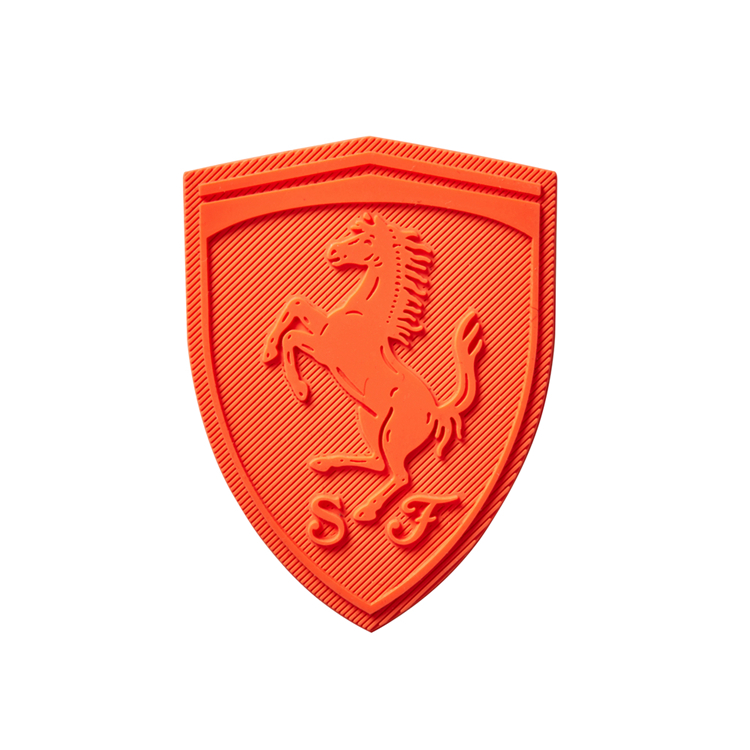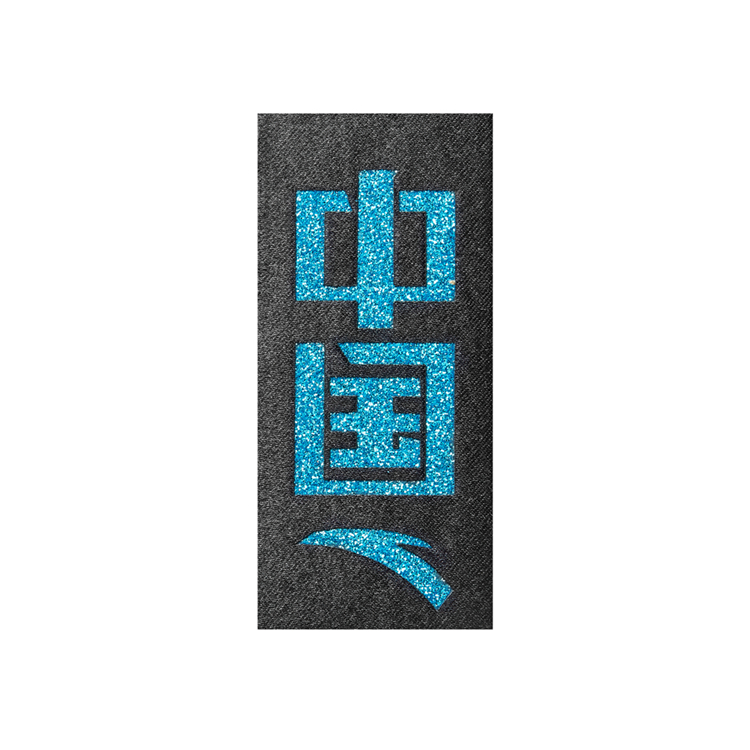
Why Should Your Clothing Brand Choose Iron On Decals Apparel Logos Over Traditional Methods?
Table of Contents
- The Strategic Advantage: Decals vs. Traditional Branding
- Step-by-Step Guide: The Complete Production and Application Workflow
- Application Scenarios for Maximum Market Impact
- Choosing the Right Finish for Your Brand Identity
- Pro Tips for Maximizing the Lifespan of Your Apparel Logos
- Frequently Asked Questions (FAQ)
Modern heat transfer decals offer unparalleled flexibility, vibrant color reproduction, and exceptional durability.
The Strategic Advantage: Decals vs. Traditional Branding
Before diving into the technical manufacturing specifics, it is essential to understand why global procurement managers are shifting their budgets toward iron on decals apparel logo products. The transition from conventional screen printing or direct-to-garment (DTG) printing to advanced heat transfer decals is driven by supply chain efficiency, cost-effectiveness, and limitless design versatility.
To help you visualize these advantages, let us compare iron-on decals with other mainstream branding techniques across multiple critical business and production dimensions.
Table 1: Iron On Decals vs. Traditional Branding Methods
| Business Dimension | Iron On Decals Apparel Logo | Traditional Screen Printing | Classic Embroidery | Direct-to-Garment (DTG) |
|---|---|---|---|---|
| Setup Cost & Lead Time | Extremely low; digital files ready in hours. | High setup cost; requires physical screen creation. | High digitizing fee; slow, labor-intensive setup. | Low setup; instant digital file preparation. |
| Design Complexity | Unlimited colors, smooth gradients, and micro-details. | Limited color count; gradients and fine lines are difficult. | Restricted to solid colors and simplified geometric shapes. | Unlimited colors and photographic-level details. |
| Durability & Washability | Excellent; withstands 50+ industrial wash cycles without cracking. | Very high; ink bonds deeply with natural fibers. | Exceptional; physically lasts the lifetime of the garment. | Moderate; may crack, fade, or feel stiff over time. |
| Fabric Versatility | Works seamlessly on cotton, polyester, blends, nylon, and leather. | Best on 100% cotton or high-cotton natural blends. | Best on thick, stable fabrics (caps, hoodies, polo shirts). | Strictly limited to high cotton content fabrics. |
| Inventory Risk Management | Print on demand; store flat decals for years without degradation. | Must print directly on garments; high dead stock risk. | Must embroider directly; high dead stock and overproduction risk. | Print on demand; ink shelf life is strictly limited. |

Step-by-Step Guide: The Complete Production and Application Workflow
Producing and applying a flawless iron on decals apparel logo requires absolute precision at every stage of the supply chain. Whether you are manufacturing these decals in-house or applying them to finished garments at a distribution center, following a standardized, professional workflow ensures premium, retail-ready quality.
Step 1: Artwork Design and Digital Pre-Press Preparation
The foundation of any high-quality decal is vector-based artwork. Designers must create the logo using professional software like Adobe Illustrator or CorelDRAW, ensuring all text is converted to outlines and paths are closed. For an iron on decals apparel logo, color separation is crucial. Each color layer must be assigned a specific Pantone Matching System (PMS) code to ensure exact, brand-consistent color matching during the industrial printing phase.
Step 2: Material Selection and High-Resolution Printing
Once the digital artwork is approved, the appropriate transfer film or carrier sheet is loaded into a specialized wide-format printer. Depending on the desired tactile finish (matte, glossy, metallic, or textured), specialized textile-grade inks (such as eco-solvent or water-based polyurethane inks) are deployed. The printing process lays down the ink in reverse order, creating the exact mirror image of the final iron on decals apparel logo.
Step 3: Precision Plotter Cutting and Manual Weeding
After printing, the material is fed into a high-precision digital plotter cutter. The machine cuts along the vector paths with microscopic accuracy (often down to 0.1mm tolerance). For intricate designs with fine details, skilled operators perform "weeding." This meticulous process involves carefully removing the excess background material, leaving only the logo and the adhesive carrier sheet perfectly intact.
Step 4: Heat Press Application (The Critical Phase)
This is the most critical phase for garment manufacturers and decorators. The iron on decals apparel logo is positioned precisely on the fabric. Professional application requires strict adherence to machine parameters:
- Temperature: Typically calibrated between 150°C to 160°C (300°F - 320°F).
- Dwell Time: Pressed firmly for 10 to 15 seconds.
- Pressure: Medium to heavy pressure (40-60 PSI) to ensure the thermoplastic adhesive melts and deeply penetrates the fabric fibers.
Step 5: Peeling Protocol and Final Quality Assurance
Depending on the specific adhesive formulation, the carrier sheet is peeled either "hot" (immediately after the press opens) or "cold" (after the garment has completely cooled down). A final quality assurance check ensures the edges are fully sealed, the colors are vibrant, and the iron on decals apparel logo is perfectly aligned without any ghosting or adhesive bleed.
Application Scenarios for Maximum Market Impact
The sheer versatility of iron on decals apparel logo products makes them suitable for a vast array of global industries. Understanding which specific type of decal fits your target niche can significantly enhance your product's market appeal and functional performance.
1. Activewear and Performance Sportswear
Athletic clothing requires branding that can withstand intense stretching, heavy sweat exposure, and frequent, rigorous washing. For this scenario, polyurethane (PU) or specialized silicone-based iron-on decals are the industry standard. They offer high elasticity, ensuring the logo moves seamlessly with the fabric without cracking, peeling, or restricting the athlete's movement.
2. Corporate Workwear and Professional Uniforms
Professionalism, brand consistency, and longevity are paramount in corporate uniforms. Here, the iron on decals apparel logo needs to look premium and resist fading from harsh industrial laundering. Matte finish PVC or high-density silicone decals provide a sophisticated, embroidered-like aesthetic without the high cost, weight, and potential skin irritation of actual thread.
3. Streetwear and High-Fashion Brands
Fashion-forward brands demand high visual impact and unique tactile experiences. Glitter, flock (velvet), reflective, and 3D puff iron-on decals are heavily utilized in this sector. These advanced materials allow designers to create tactile, eye-catching iron on decals apparel logo designs that stand out boldly on heavyweight cotton hoodies, oversized tees, and denim jackets.
4. Events, Merchandise, and Promotional Campaigns
For music festivals, marathons, or corporate retreats, production turnaround time is critical. Iron-on decals allow event organizers to purchase blank apparel in massive bulk and apply the iron on decals apparel logo at the very last minute. This "postponement strategy" completely eliminates the financial risk of unsold, pre-branded inventory.

Table 2: Application Scenarios vs. Recommended Decal Specifications
| Target Application Scenario | Primary Fabric Type | Recommended Decal Material | Key Performance Feature |
|---|---|---|---|
| Activewear / Yoga Gear | Spandex, Nylon, Polyester Blends | Elastic PU / Liquid Silicone | High stretchability, sweat-proof, ultra-lightweight feel. |
| Corporate Uniforms | Cotton/Poly Twill, Oxford Cloth | Matte PVC / Premium Flock | Professional finish, high wash resistance, fully opaque. |
| Streetwear / Fashion | Heavyweight Cotton, French Terry | 3D Puff / Glitter / Reflective | High visual impact, tactile texture, trendy aesthetic appeal. |
| Safety / Night Workwear | Denim, Canvas, Heavy Jackets | Reflective Glass Bead Transfer | High visibility in low light, durable, OSHA safety-compliant. |
Choosing the Right Finish for Your Brand Identity
When sourcing iron on decals apparel logo products from overseas suppliers, selecting the right base material is just as important as the graphic design itself. Different materials offer unique textures, visual effects, and price points.
Table 3: Material Dimension Comparison for Iron On Decals
| Material Type | Visual & Tactile Texture | Best Used For | Wash Resistance | Eco-Friendliness |
|---|---|---|---|---|
| Standard PU (Polyurethane) | Smooth, matte or glossy, ultra-thin profile. | Everyday casual wear, basic text logos. | High (50+ wash cycles). | Moderate (PVC-free options widely available). |
| Silicone | Soft touch, rubbery feel, highly flexible. | Premium sportswear, baby/children clothing. | Exceptional (Withstands high heat & friction). | High (Non-toxic, OEKO-TEX certified, skin-friendly). |
| 3D Puff / High Density | Raised, textured, prominent 3D volumetric effect. | Streetwear, hoodies, athletic team jerseys. | High (Requires careful, gentle washing). | Moderate. |
| Flock (Velvet Finish) | Soft, fuzzy, velvet-like tactile surface. | Boutique fashion, retro-style collegiate apparel. | Moderate (Requires gentle wash cycles). | Low to Moderate. |
| Reflective | Silver/grey in daylight, glows brightly under light. | Running gear, cycling jackets, industrial workwear. | Very High. | Moderate. |
Pro Tips for Maximizing the Lifespan of Your Apparel Logos
To ensure your end customers get the maximum possible lifespan from their iron on decals apparel logo garments, it is highly recommended to include specific care instructions on the garment's inner neck label or hangtag.
- Curing Time: Always wait at least 24 hours after the heat press application before the first wash. This crucial resting period allows the thermoplastic adhesive to fully cure and chemically bond with the fabric fibers.
- Inside-Out Washing: Instruct end-users to always wash the garments inside out. This simple habit minimizes direct mechanical friction against the iron on decals apparel logo during the machine wash cycle.
- Temperature Control: Wash in cold or warm water (below 30°C / 86°F) and strictly avoid using chlorine bleach or harsh fabric softeners, which can chemically degrade the adhesive layer over time.
- Drying Methods: Tumble dry on low heat or hang dry naturally. High heat from commercial dryers can inadvertently reactivate the adhesive, causing the edges of the decal to lift or curl.
Frequently Asked Questions (FAQ)
Q1: Can garments featuring an iron on decals apparel logo be safely dry cleaned?
A: Generally, it is not recommended. The harsh chemical solvents used in traditional dry cleaning (such as perchloroethylene) can break down the thermoplastic adhesive layer of the decal, causing it to peel, crack, or dissolve. Always refer to the specific material manufacturer's care guidelines.
Q2: What is the standard Minimum Order Quantity (MOQ) for custom iron on decals?
A: MOQ varies significantly by manufacturer, but many modern digital suppliers offer highly flexible, low MOQs ranging from 50 to 100 pieces per design. This makes it highly accessible for startups and small fashion brands to test the market without massive upfront capital investments.
Q3: Do iron on decals apparel logos work effectively on dark-colored fabrics?
A: Absolutely. Unlike some direct printing methods that struggle with dark garments, iron-on decals are printed on a highly opaque white or colored carrier sheet. This ensures the logo colors remain vibrant, true to the design, and fully visible, regardless of whether the underlying fabric is black, navy, or dark grey.
Q4: Can I apply an iron on decal to a garment that already has a sewn-in care label?
A: Yes, but extreme caution is required. You must ensure the heat press platen does not melt, scorch, or deform the existing sewn label. It is often strategically better to apply the iron on decals apparel logo to the back of the neck, the lower left hem, or the sleeve if the main label area is already occupied.
What Makes Premium PUMA Patches the Ultimate Upgrade for Your Sportswear Brand?
Why Are Custom Clothing Patches the Better Choice for Modern Apparel Branding?
Related Article