How Can Designer Patches for Jeans Transform Your Denim Wardrobe?
Table of Contents
- The Evolution of Denim Customization
- What Exactly Are Designer Patches for Jeans?
- Material Comparison: Choosing the Right Base
- Step-by-Step Application Guide: Parameters and Techniques
- Style Matching: Integrating Patches into Your Look
- Care and Maintenance Parameters
- Sustainability: The Eco-Friendly Side of Patching
- Frequently Asked Questions
Upcycling and personalizing clothing is a massive trend right now, and adding designer patches for jeans is the ultimate way to elevate your everyday look.
From covering up accidental tears to making a bold fashion statement, these accessories offer endless possibilities. Let us dive deep into the world of denim customization and discover how to master this stylish craft, ensuring your garments stand out in any crowd.
The Evolution of Denim Customization
The history of denim repair and customization dates back to the working class, where mending clothes was a necessity. Over the decades, this practical need evolved into a powerful fashion statement. Modern fashion enthusiasts no longer just repair; they reimagine. By integrating high-quality designer patches for jeans, you transition a simple pair of trousers into a bespoke piece of wearable art. This shift reflects a broader movement towards sustainable fashion, where extending the lifecycle of your garments is both stylish and environmentally responsible.
What Exactly Are Designer Patches for Jeans?
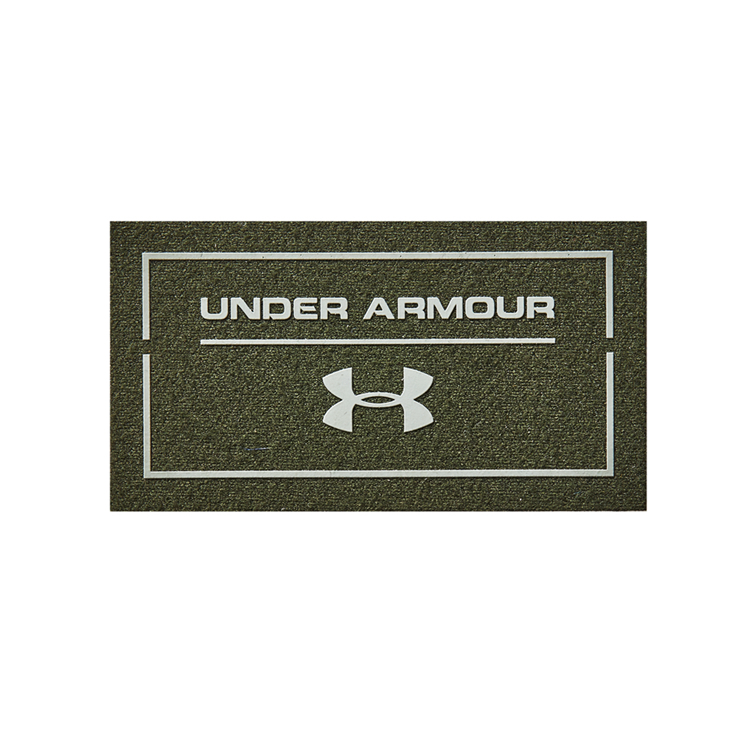
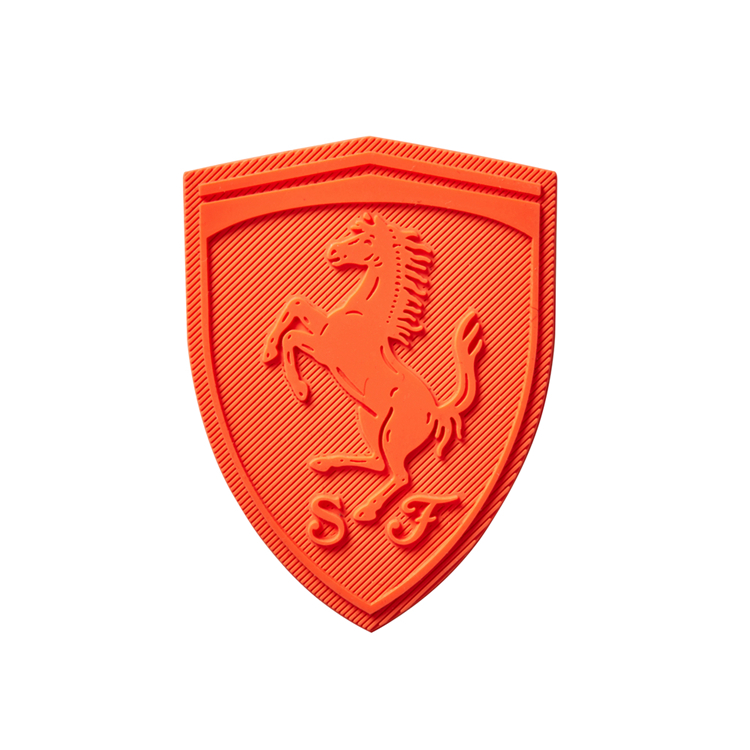
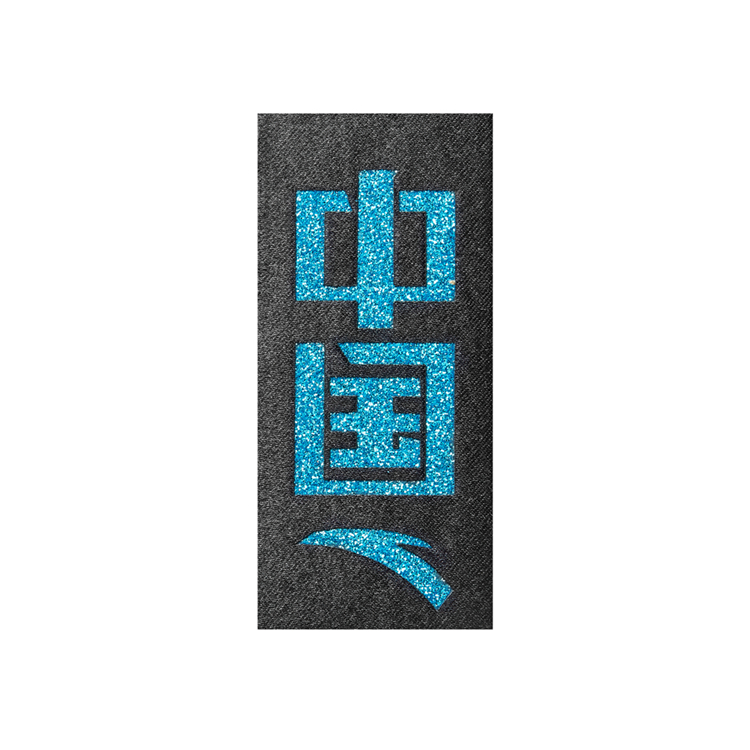
Before applying them, it is crucial to understand the product. Designer patches for jeans are specialized fabric or material attachments crafted to adhere to denim. Unlike generic craft patches, designer versions feature premium materials, intricate embroidery, high-definition woven details, or even genuine leather. They are engineered specifically to withstand the rigorous wear and tear that denim undergoes, including frequent washing, stretching, and friction.
These patches serve a dual purpose: they act as a structural reinforcement for worn-out areas like knees and pockets, and they function as a striking visual accessory that reflects your personal aesthetic.
Material Comparison: Choosing the Right Base
Selecting the correct material is vital for both aesthetics and durability. Different materials offer distinct textures and levels of resilience. Below is a detailed breakdown to help you choose the perfect designer patches for jeans for your specific needs.
| Material Type | Durability Rating | Texture & Feel | Best Application Area |
|---|---|---|---|
| Embroidered | High (8/10) | Thick, raised, and textured | Pockets, back yoke, cuffs |
| Woven | Medium-High (7/10) | Flat, smooth, and highly detailed | Knees, thighs, small accents |
| Chenille | Medium (6/10) | Soft, fuzzy, and vintage-style | Knees, casual streetwear looks |
| Leather / Faux | Very High (9/10) | Rugged, stiff, and premium | Back pocket, waistband, hem |
| PVC / Rubber | Very High (10/10) | Flexible, waterproof, and modern | High-friction areas, outer thighs |

Step-by-Step Application Guide: Parameters and Techniques
Achieving a professional finish requires precision. Improper application can lead to peeling edges or damaged fabric. Follow this comprehensive guide, complete with specific parameters, to perfectly apply your designer patches for jeans.
Step 1: Surface Preparation
The denim must be completely clean and dry. Any residual detergent or fabric softener will create a barrier against the adhesive.
- Parameter: Wash the jeans without fabric softener.
- Drying: Tumble dry on low or air dry until the moisture content is exactly 0%.
- Temperature: Ensure the denim is at room temperature (20°C - 25°C / 68°F - 77°F) before application.
Step 2: Precise Positioning
Use a measuring tape to ensure symmetry, especially if applying patches to both knees.
- Parameter: Leave a minimum margin of 1.5 inches (3.8 cm) from any structural seams to prevent the patch from interfering with the stitching.
- Tool: Use heat-resistant tape to secure the designer patches for jeans in place. Do not use standard tape, as it may melt.
Step 3: Iron-On Application (Home Method)
If your patches feature a heat-activated adhesive backing, a standard household iron can be used.
- Iron Setting: Cotton/Linen setting.
- Target Temperature: 150°C to 160°C (300°F to 320°F). Ensure the steam function is strictly turned OFF.
- Application Time: Apply firm, downward pressure for 15 to 20 seconds per section.
- Technique: Do not glide the iron. Press down, hold, lift, and move to the next section. Cover the patch with a Teflon sheet or a thin cotton cloth to protect the design.
Step 4: Heat Press Application (Professional Method)
For a commercial-grade bond, a heat press machine is highly recommended for designer patches for jeans.
- Temperature Parameter: 160°C (320°F).
- Time Parameter: 12 to 15 seconds.
- Pressure Parameter: 40 PSI (Medium-Firm pressure).
- Peeling Parameter: Execute a "cold peel." Allow the garment to cool down to 30°C (86°F) before removing the protective film or backing paper. This ensures the adhesive fully sets into the denim fibers.
Step 5: Reinforcement Stitching (Optional but Recommended)
For high-mobility areas like knees, heat alone might not survive long-term heavy wear.
- Parameter: Use a heavy-duty denim needle (Size 90/14 or 100/16).
- Thread: Polyester or nylon thread (cotton will break under denim friction).
- Stitch Type: A simple running stitch or a zigzag stitch around the perimeter of the designer patches for jeans adds mechanical strength to the chemical adhesive bond.
Style Matching: Integrating Patches into Your Look
Choosing the right design is just as important as the application process. The market for designer patches for jeans is vast, ranging from minimalist logos to elaborate graphic illustrations.
| Style Theme | Patch Design Characteristics | Ideal Placement on Jeans | Target Fashion Aesthetic |
|---|---|---|---|
| Vintage / Retro | Faded colors, distressed edges, classic brand motifs | Back pockets, coin pockets | 90s grunge, thrifted, nostalgic |
| Streetwear / Urban | Bold typography, neon colors, oversized graphics | Knees, outer thighs, cargo pockets | Hypebeast, skate culture, edgy |
| Minimalist / Luxury | Small tonal logos, subtle metallic threads, leather | Waistband, hem, small pocket accents | Quiet luxury, clean, sophisticated |
| Artistic / Bohemian | Floral embroidery, nature motifs, vibrant multi-color | Scattered randomly, lower legs | Festival wear, eclectic, creative |
Care and Maintenance Parameters
To ensure your customized denim lasts for years, you must adjust your laundry routine. The adhesive and threads of designer patches for jeans require specific care conditions to prevent degradation.
| Maintenance Activity | Recommended Parameter | Things to Strictly Avoid |
|---|---|---|
| Washing Temperature | Cold water only (Max 30°C / 86°F) | Hot water, which melts heat-seal adhesives |
| Washing Cycle | Delicate or Gentle cycle | Heavy-duty cycles that cause excessive friction |
| Detergent Type | Mild, liquid detergent | Bleach, harsh stain removers, or powder detergents that may not dissolve fully |
| Drying Method | Air dry flat or hang dry | Tumble drying (high heat will destroy the patch backing) |
| Ironing (Post-Wash) | Iron inside out, avoiding the patch area | Direct ironing on the patch surface, which causes melting or shine |
Sustainability: The Eco-Friendly Side of Patching
Beyond aesthetics, utilizing designer patches for jeans is a powerful statement for sustainable fashion. The textile industry generates millions of tons of waste annually. By choosing to repair and customize your existing denim instead of discarding it, you actively reduce your carbon footprint. Upcycling a torn pair of jeans with premium patches not only saves the garment from the landfill but also gives it a unique narrative. Consumers are increasingly valuing pieces that tell a story, and a patched pair of jeans perfectly embodies the ethos of conscious consumption.
Frequently Asked Questions
Q1: Can I remove designer patches for jeans if I change my mind?
A: Removal is possible but depends on the application method. Iron-on patches can be reheated to soften the adhesive and carefully peeled off, though this may leave a residue or slightly fade the denim underneath. Sewn patches require a seam ripper and will leave tiny needle holes in the fabric.
Q2: How long do designer patches for jeans typically last?
A: High-quality patches applied with the correct temperature and pressure parameters can last the entire lifespan of the jeans. Woven and embroidered patches generally outlast chenille or PVC variants. Proper washing techniques, as outlined in the maintenance section, are critical for maximizing longevity.
Q3: Are designer patches for jeans suitable for all types of denim?
A: Yes, they work on raw, selvedge, stretch, and distressed denim. However, for stretch denim (which contains elastane), you must be careful with heat application. Keep the iron temperature on the lower end (around 140°C / 285°F) to avoid melting the elastic fibers in the fabric.
Q4: Can I mix and match different patch styles on a single pair of jeans?
A: Absolutely. Mixing styles, such as combining a minimalist leather patch on the waistband with a vibrant embroidered patch on the knee, creates a highly personalized, eclectic look. Just ensure the color palettes complement each other to maintain a cohesive design.
Want to Make Your Outerwear Pop with Personalized Patches for Jackets?
Why Are Heat Transfer Labels the Game-Changer for Modern Apparel?
Related Article