What Makes a Custom Patch Backpack the Best Choice for Branding and Everyday Use?
Table of Contents
- Why Is a Custom Patch Backpack Superior to Traditional Printed Bags?
- What Are the Main Types of Custom Patch Backpacks Available?
- How to Design and Order a Custom Patch Backpack? (Step-by-Step Guide)
- How to Care for and Maintain Your Custom Patch Backpack?
- Where to Find the Best Manufacturer for Your Custom Patch Backpack?
- Frequently Asked Questions (FAQs) About Custom Patch Backpacks
Discover why a custom patch backpack is the ultimate promotional and everyday gear. Learn about patch types, design steps, and how to order the perfect bag for your brand.
Personalization and premium quality have become massive trends in both promotional merchandise and everyday outdoor gear. Brands, educational institutions, and organizations are constantly searching for unique, memorable ways to showcase their identity while providing genuine, lasting value to their audience.
Enter the ultimate solution for modern, impactful branding: the custom patch backpack.
Why Is a Custom Patch Backpack Superior to Traditional Printed Bags?
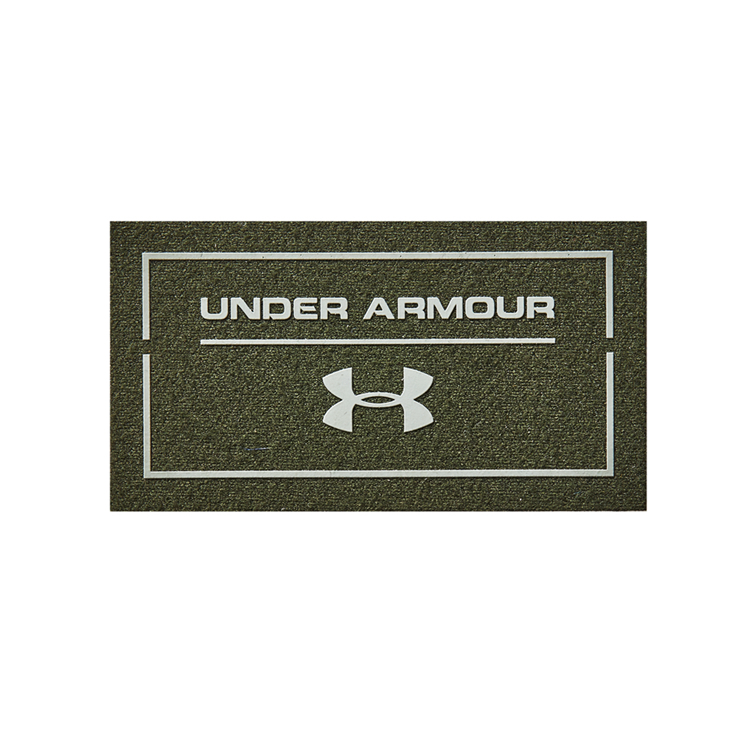
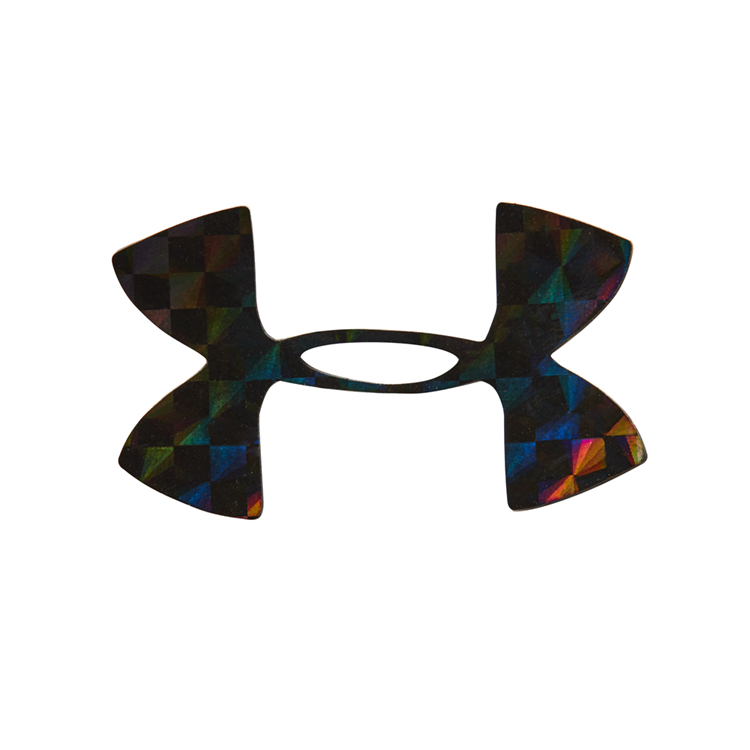
A custom patch backpack is a highly versatile accessory that combines a durable, functional bag base with a separately crafted, customized emblem. Unlike standard screen-printed or heat-transferred bags where the ink sits flat against the fabric, these backpacks feature a distinct, three-dimensional design attached to the front panel, shoulder straps, or pockets.
The primary reason brands and consumers gravitate toward this style is the premium aesthetic it delivers. Patches offer a rich, tactile experience that flat prints simply cannot replicate. They catch the light, add depth to a design, and immediately signal quality. Furthermore, they provide exceptional durability. A well-made patch will not crack, peel, or fade easily, ensuring your brand’s message remains vibrant and legible for years, even under heavy daily use.
To understand the true, long-term value of this merchandise, it is helpful to compare it directly to traditional alternatives.
Table 1: Custom Patch Backpack vs. Regular Printed Backpack
| Feature | Custom Patch Backpack | Regular Printed Backpack (Screen/Heat Print) |
|---|---|---|
| Visual Appeal | Premium, 3D textured, and highly detailed. | Flat, limited to 2D ink or vinyl finishes. |
| Durability | Extremely high; patches resist fading, cracking, and peeling. | Moderate; prints may degrade, crack, or fade over time. |
| Customization | Patches can be removable (Velcro) or permanently fixed. | Permanently fixed to the fabric with no flexibility. |
| Perceived Value | High; looks and feels like a high-end retail product. | Lower; often perceived as cheap, standard promotional gear. |
| Versatility | Patches can be swapped or collected by the end-user. | Design is static and cannot be altered by the user. |
As the table illustrates, investing in a custom patch backpack significantly elevates the perceived value of your merchandise. This makes recipients much more likely to use it daily, turning them into walking brand ambassadors.

What Are the Main Types of Custom Patch Backpacks Available?
Categorizing a custom patch backpack depends on two main variables: the material and manufacturing style of the patch itself, and the structural design of the backpack base. Understanding these options is crucial for aligning the final product with your brand’s specific identity and functional requirements.
Table 2: Types of Patches for a Custom Patch Backpack
| Patch Type | Material Composition | Best Used For | Durability & Tactile Feel |
|---|---|---|---|
| Embroidered | Polyester thread on a twill backing. | Classic brand logos, military units, scouting groups. | High durability, traditional raised, textured feel. |
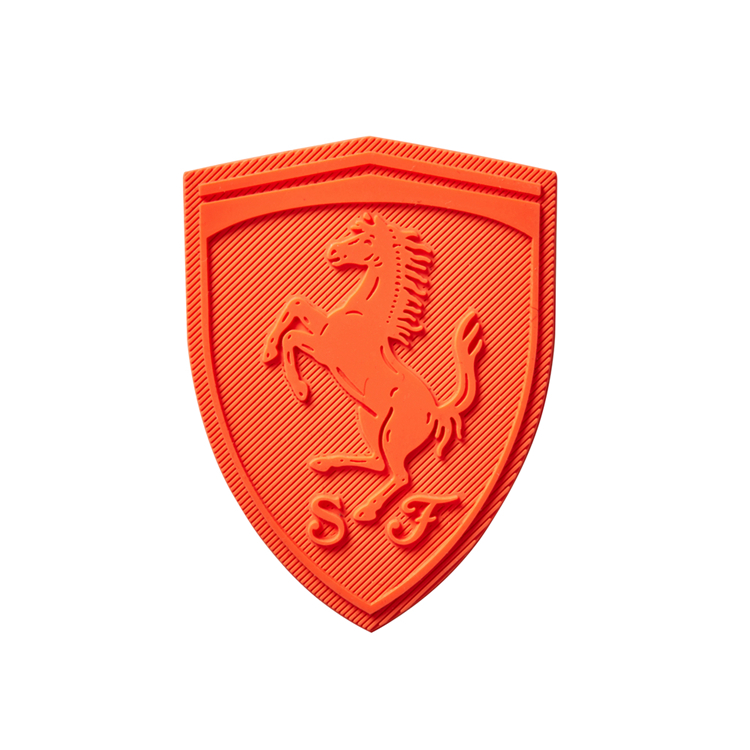
| PVC / Rubber | Soft, flexible polyvinyl chloride. | Outdoor brands, tactical gear, vibrant, modern designs. | Waterproof, highly flexible, modern 3D rubber feel. |
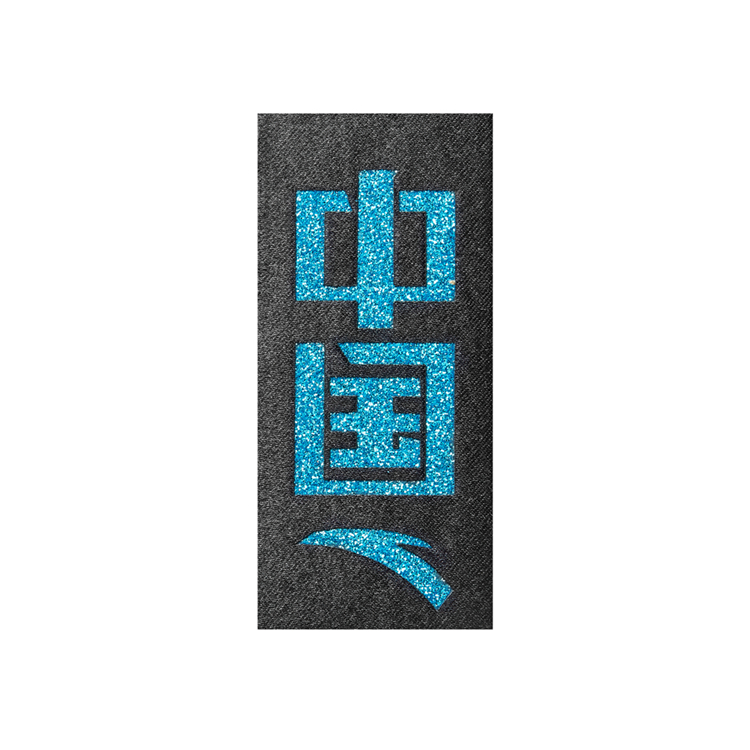
| Woven | Tightly woven polyester threads. | Intricate designs, small text, highly detailed artwork. | Smooth, flat, highly detailed, lightweight, and durable. |
| Chenille | Fuzzy, looped yarn (varsity style). | Schools, colleges, vintage/retro aesthetic brands. | Soft, plush, classic "letterman" jacket nostalgic feel. |
When selecting your patch, carefully consider your design complexity. If your logo contains tiny text or intricate gradients, woven or PVC is the best choice. If you want a classic, rugged, and traditional look, embroidered or chenille is the ideal path forward.
Beyond the patch, the backpack base plays an equally important role in the product's success. The style of the bag dictates its functionality, target audience, and the type of patch that will adhere to it best.
Table 3: Popular Backpack Styles for Custom Patches
| Backpack Style | Primary Material | Ideal Use Case | Best Patch Compatibility |
|---|---|---|---|
| Tactical / Molle | Heavy-duty Cordura or Nylon | Military, law enforcement, camping, survival gear. | Best with Velcro-backed embroidered or PVC patches. |
| Canvas / Casual | Thick cotton canvas or denim | Everyday carry, school, eco-friendly, lifestyle brands. | Great for sewn-on or iron-on woven/embroidered patches. |
| Leather / Faux Leather | Genuine leather or high-grade PU | Corporate gifts, premium fashion, travel accessories. | Ideal for debossed, engraved, or sewn-on leather patches. |
| Drawstring / Gym | Lightweight, water-resistant polyester | Marathons, gym promotions, budget-friendly events. | Best for small, lightweight iron-on or sewn woven patches. |
By strategically mixing and matching the patch type with the right backpack style, you can create a highly targeted, effective, and memorable product.
How to Design and Order a Custom Patch Backpack? (Step-by-Step Guide)
Creating a flawless custom patch backpack might seem like a daunting logistical challenge, but it is a highly straightforward process if you follow a structured, methodical approach. Here is your comprehensive, step-by-step guide to bringing your vision to life.
Step 1: Define Your Purpose and Target Audience
Before opening any design software, clearly determine the end goal of the product. Is this a high-end corporate gift for VIP clients? A rugged giveaway for an outdoor trade show? Or a retail product for everyday commuters? Your target audience dictates the required quality of the bag and the complexity of the patch. A corporate gift requires a sleek leather or high-end nylon bag with a subtle, sophisticated woven patch, while a trade show giveaway might utilize a durable canvas bag with a bold, eye-catching embroidered patch.
Step 2: Select the Right Backpack Base
The foundation of your product is the bag itself. Do not compromise on the base quality just to save a few cents per unit. Choose a material that naturally complements your patch design. Ensure the bag features a flat, sturdy surface—usually the front center panel—so the patch lays perfectly smooth without wrinkling or bubbling. Pay close attention to secondary details like heavy-duty YKK zippers, padded ergonomic shoulder straps, and reinforced stress-point stitching, as these contribute heavily to the overall user experience.
Step 3: Create the Perfect Patch Design
When designing the patch for your custom patch backpack, simplicity is often key. Complex color gradients and microscopic details often get lost in the embroidery process. Limit your color palette to ensure crisp, clean execution. If you are using an embroidered patch, keep the design relatively bold and simple. For highly detailed artwork or small text, opt for woven or PVC patches. Always provide your manufacturer with high-resolution vector files (such as AI or EPS formats) to ensure the borders, merrowed edges, and text are razor-sharp.
Step 4: Choose the Attachment Method
How will the patch stay securely on the bag? This decision impacts both the manufacturing process and the end-user experience.
- Sew-on: The most permanent and durable option. The patch is stitched directly onto the bag, making it ideal for heavy-duty, long-term use.
- Velcro (Hook and Loop): Highly popular for tactical, military, and outdoor bags. It allows the user to easily remove the patch for washing or swap it out for different designs, adding an interactive element.
- Iron-on: Best for lightweight fabrics and DIY projects, though it is generally less durable than sewing and may peel after multiple hot washes.
Step 5: Review the Digital Proof and Approve
Never skip the proofing stage. Your manufacturer will provide a digital mockup showing the exact placement, size, and Pantone colors of the patch on the backpack. For large orders (typically over 100 units), always request a physical pre-production sample. This allows you to physically feel the texture of the patch, check the color accuracy under natural light, and ensure the stitching density meets your quality standards before mass production begins.

Table 4: 5-Step Checklist for Ordering a Custom Patch Backpack
| Step | Action Required | Pro Tip for Best Results |
|---|---|---|
| 1. Purpose | Define the end-use and target audience. | Match the bag's premium feel directly to your brand's image. |
| 2. Base Selection | Pick the bag style, size, and material. | Ensure the front panel is large and flat enough for your patch. |
| 3. Design | Finalize logo, colors, and patch shape. | Use vector files (AI/EPS) for crisp, scalable patch borders. |
| 4. Attachment | Choose Sew-on, Velcro, or Iron-on. | Choose Velcro if you want users to collect and swap patches. |
| 5. Approval | Review the digital proof or physical sample. | Check the Pantone colors and stitch density very carefully. |
How to Care for and Maintain Your Custom Patch Backpack?
To ensure your custom patch backpack remains in pristine, professional condition for years, proper care and maintenance are essential. While the patches themselves are highly durable, the bag fabric and the attachment points require specific attention during cleaning.
Always check the care label sewn into the backpack base. Generally, it is highly recommended to hand wash the bag using cold water and a mild, non-bleach detergent. If you must use a washing machine, place the backpack inside a mesh laundry bag and use a gentle, cold water cycle. Never use harsh chemicals or bleach, as these can degrade the vibrant colors of the patch and weaken the bag’s fabric fibers.
If your backpack features a Velcro-backed patch, always remove the patch before washing. Washing the bag with the Velcro attached can cause the hook side to aggressively catch and pull the fabric of the bag or other clothing in the wash, leading to pilling, snagging, and permanent damage. Additionally, air drying is the absolute best method to prevent fabric shrinkage and protect the adhesive or stitching of the patch. Avoid putting the backpack in a high-heat tumble dryer.
Where to Find the Best Manufacturer for Your Custom Patch Backpack?
Finding the right production partner is just as important as the design itself. When sourcing a manufacturer for your custom patch backpack, look for a company that offers in-house production for both the bags and the patches. This vertical integration ensures better quality control, seamless communication, fewer shipping delays, and faster overall turnaround times.
Evaluate their Minimum Order Quantity (MOQ) to ensure it aligns with your budget and project scale. Check their online portfolio for past work similar to your vision, and read client reviews to gauge their reliability, communication, and customer service. A top-tier manufacturer will not just blindly take your order; they will act as a consultant, offering professional advice on material selection, design feasibility, and cost-saving alternatives without sacrificing quality.
Ready to elevate your brand’s visibility? Contact our team of customization experts today for a free consultation, professional design assistance, and a competitive, transparent quote on your next custom patch backpack order. Let’s create something extraordinary and memorable together.
Frequently Asked Questions (FAQs) About Custom Patch Backpacks
Q: How long does it typically take to produce a custom patch backpack?
A: The production timeline generally involves 7-10 days to craft the custom patches and 15-20 days to manufacture the backpacks. Standard shipping usually adds another 5-7 days depending on your geographic location. Rush production and expedited shipping options can often be accommodated for an additional fee.
Q: Can I remove and replace the patches on my backpack at a later date?
A: Absolutely. If you select a Velcro (hook and loop) backing for your patch during the initial design phase, the patch will be fully removable. This is a fantastic, interactive feature for users who want to swap out designs, collect different patches, or easily wash the backpack without damaging the emblem.
Q: What is the minimum order quantity (MOQ) for a custom patch backpack?
A: MOQs vary significantly by manufacturer and customization level. Generally, fully custom backpacks require a minimum order of 100 to 300 pieces. However, if you are only ordering standalone patches to attach to bags you already own, many suppliers offer patch MOQs as low as 50 pieces.
Q: Can I order replacement or additional patches for my backpack in the future?
A: Yes, most reputable manufacturers will keep your custom design files and color codes on record. Once your initial order of backpacks is complete, you can easily place a smaller, separate order for replacement or additional patches without having to pay the initial digital setup or mold fees again.
What Hidden Design Secrets Separate Amateur Kits from Pro-Level Custom Football Patches?
How to Design and Order the Perfect Custom Made Patch for Your Brand?
Related Article