What Hidden Design Secrets Separate Amateur Kits from Pro-Level Custom Football Patches?
Table of Contents
- Which Material Actually Survives the Tackle: Embroidered, Woven, or PVC Custom Football Patches?
- Is Your Logo Ready for Stitching? The 4-Step Checklist for Flawless Custom Football Patches
- From Digital Proof to Final Stitch: How Do You Navigate the Custom Football Patches Production Timeline?
- Why Do Some Custom Football Patches Last a Decade While Others Peel After One Wash?
- Still Have Questions? Let’s Decode the Most Common Custom Football Patches Queries
- Conclusion: Elevate Your Team's Identity Today
When players step onto the pitch, the crest on their chest is the first thing fans notice. It is the visual heartbeat of the club. This is exactly where custom football patches come into play.
While amateur teams often settle for flimsy, printed logos that fade after a few muddy matches, professional clubs invest heavily in high-quality, meticulously crafted badges. But what exactly elevates a basic piece of fabric into a premium, pro-level emblem? The secret lies in the intersection of material science, precise design adaptation, and rigorous production standards.
Which Material Actually Survives the Tackle: Embroidered, Woven, or PVC Custom Football Patches?
The beautiful game is physically demanding. Jerseys are pulled, stretched, washed in hot water, and exposed to harsh weather. Therefore, the material of your custom football patches is not just an aesthetic choice; it is a functional necessity. Choosing the wrong material can lead to peeling, fading, or a heavy, uncomfortable badge that ruins the drape of the jersey.
Here is a breakdown of the three primary materials used in professional sports apparel:
1. Embroidered Patches: The Classic Heavyweight
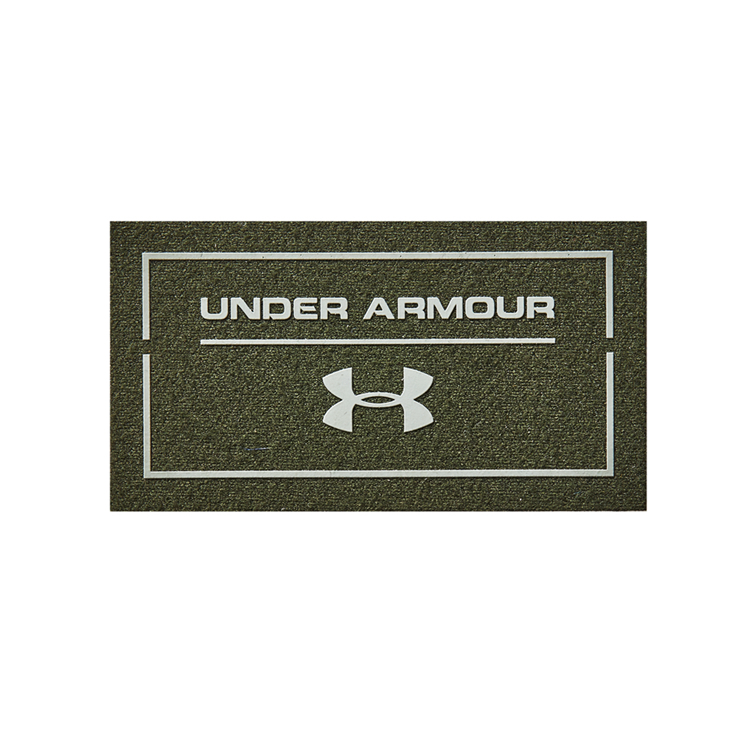
Embroidery involves stitching thick polyester or rayon threads onto a twill fabric base. This is the traditional choice for football crests.
- The Vibe: It offers a raised, luxurious 3D texture that screams "heritage" and "prestige."
- The Durability: Extremely high. The thick threads resist abrasion from tackles and withstand countless industrial washes.
- Best For: Traditional club crests, letterman jackets, and premium fan merchandise.
2. Woven Patches: The High-Definition Lightweight
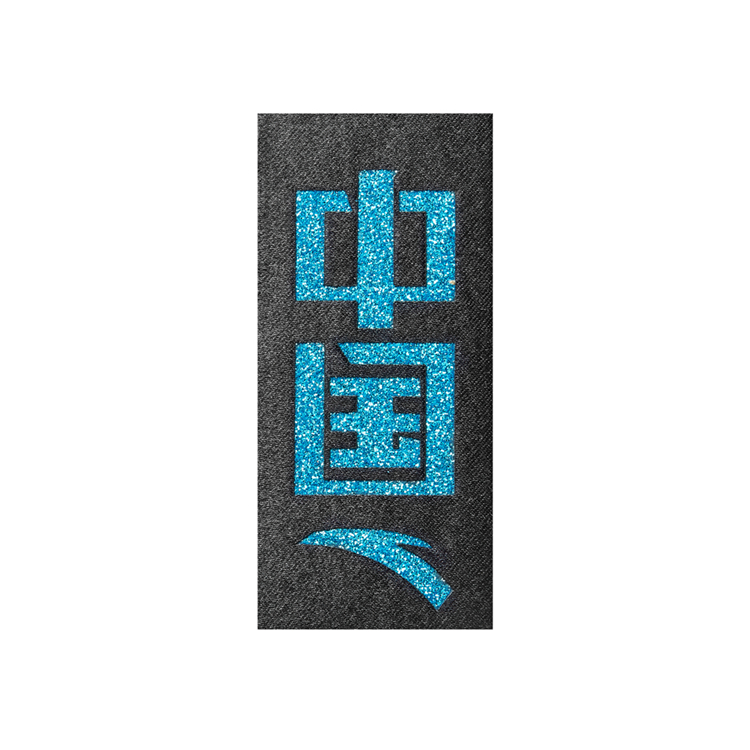
If your design features intricate details, tiny text, or complex gradients, embroidery might turn small text into an unreadable blob. Woven patches use much finer threads woven tightly together.
- The Vibe: Flat, smooth, and incredibly detailed. They look almost like a direct print but with a premium textile feel.
- The Durability: Highly durable and much lighter than embroidered patches, making them perfect for modern, lightweight match-day jerseys.
- Best For: Complex modern logos, detailed mascots, and lightweight performance kits.
3. PVC and Rubber Patches: The Modern Tactical Shield
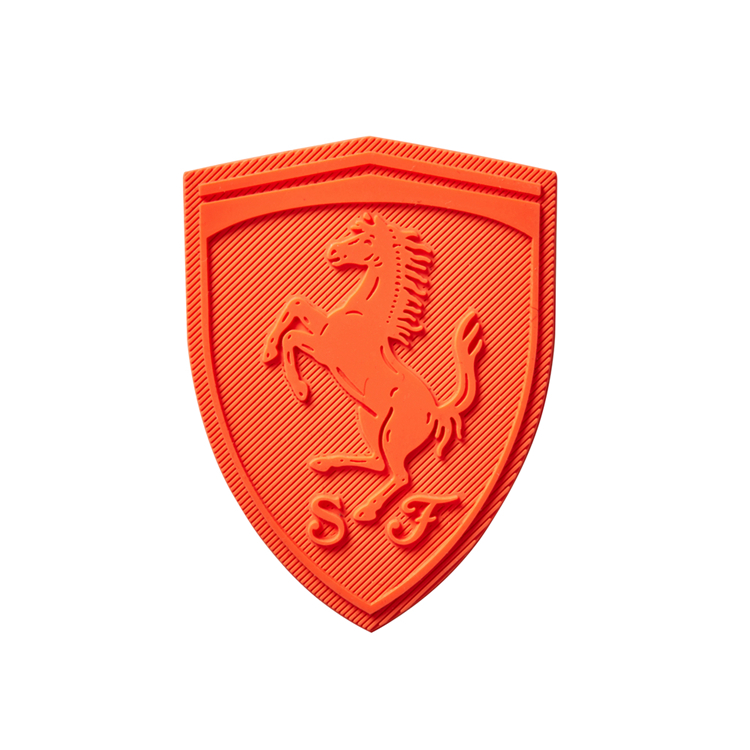
Molded from soft or hard PVC (polyvinyl chloride) or silicone, these patches are a modern innovation in sports merchandising.
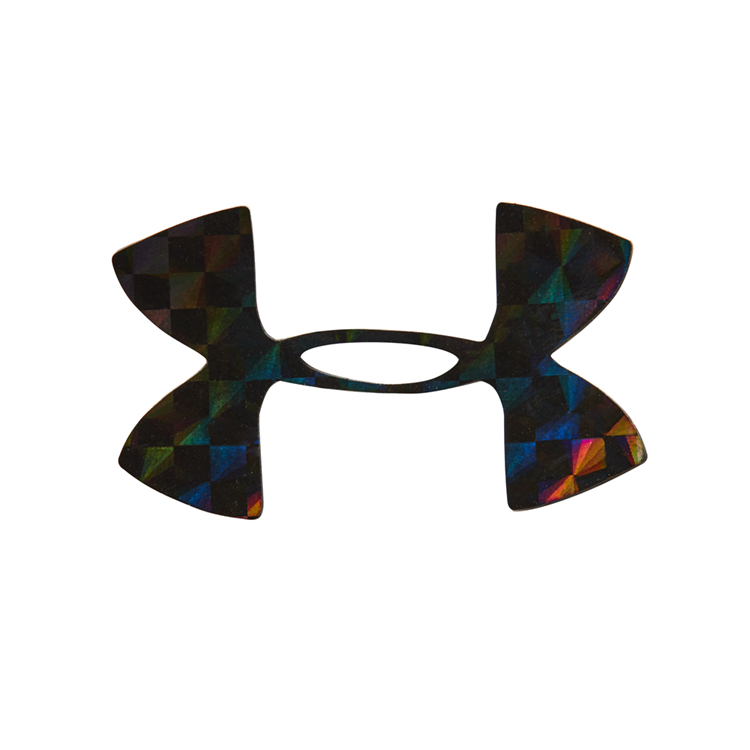
- The Vibe: Sleek, waterproof, and distinctly 3D. They offer a futuristic, aggressive look.
- The Durability: 100% waterproof, mud-resistant, and impossible to fray. They are virtually indestructible on the pitch.
- Best For: Training gear, rain-resistant outerwear, and modern streetwear-style football merchandise.
Table 1: Material Comparison for Custom Football Patches
| Material Type | Texture & Weight | Detail Level | Weather Resistance | Ideal Application |
|---|---|---|---|---|
| Embroidered | Raised, heavy, classic | Medium (bold lines only) | High | Match jerseys, premium fan shop items |
| Woven | Flat, lightweight, smooth | Ultra-High (fine details) | High | Intricate crests, lightweight summer kits |
| PVC / Rubber | 3D, flexible, modern | High (molded shapes) | Extreme (100% waterproof) | Training gear, tactical apparel, bags |
Is Your Logo Ready for Stitching? The 4-Step Checklist for Flawless Custom Football Patches
Many clubs make the fatal mistake of sending a low-resolution JPEG to a manufacturer and expecting a masterpiece. Creating pro-level custom football patches requires translating a digital concept into physical thread or rubber. Follow this 4-step checklist to ensure your design is production-ready.
Step 1: Vectorize Your Artwork
Physical manufacturing machines cannot read pixels; they read mathematical paths. You must convert your logo into a vector file format (such as .AI, .EPS, or .SVG). This ensures that no matter how large or small the patch needs to be, the edges remain razor-sharp. If you only have a raster image (JPG/PNG), a professional graphic designer must manually redraw it.
Step 2: Simplify and Reduce Colors
While digital screens can display millions of colors, thread and PVC molds are limited.
- For embroidered patches, limit your design to 6-9 colors maximum. More colors mean higher setup costs and a thicker, stiffer patch.
- Use exact Pantone (PMS) color codes to ensure the factory matches your club’s official colors perfectly. Avoid subtle gradients, as they cannot be replicated in physical thread.
Step 3: Scale for Minimum Sizes
A common design flaw is making the text too small. In embroidery, text must be at least 4mm to 5mm in height to be legible. If your club name wraps around a circular badge, you may need to slightly enlarge the circle or abbreviate the text to maintain readability from the spectator stands.
Step 4: Select the Right Border (Edge Finish)
The border defines the final silhouette of your custom football patches.
- Merrow Border: A thick, raised overlock stitch. Best for simple shapes (circles, shields) with straight or gently curved edges. It provides a classic, robust finish.
- Hot-Cut (Laser) Border: The fabric is laser-cut and sealed. This is mandatory for complex, irregular shapes (like a mascot or a star) where a thick Merrow border would distort the design.
From Digital Proof to Final Stitch: How Do You Navigate the Custom Football Patches Production Timeline?
Ordering custom football patches in bulk is a B2B process that requires clear communication. Misunderstandings at the ordering stage can lead to weeks of delays. Here is the exact timeline and the steps you must navigate to get your goods on time.
Phase 1: Quoting and Artwork Review (Days 1-2)
Submit your vector files, desired size, quantity, and backing preference to your manufacturer. A good supplier will review the artwork within 24 hours and point out any technical limitations (e.g., "This tiny text won't stitch well, can we enlarge it?"). They will then provide a detailed quote.
Phase 2: The Digital Proof and Sample (Days 3-5)
Before any machine is turned on, the factory will create a "Digital Proof." This is a highly accurate computer-generated mockup showing exactly how the threads will lay, the exact colors, and the dimensions. Never skip this step. If you are ordering a massive batch, request a physical pre-production sample to feel the texture and verify the colors in natural light.
Phase 3: Mass Production (Days 6-12)
Once you approve the proof, mass production begins. This involves digitizing the design into machine code, setting up the looms or embroidery heads, and running the batch. Quality control (QC) checks happen here to ensure color consistency and proper border sealing.
Phase 4: Backing Application and Shipping (Days 13-15)
The chosen backing is applied, and the patches are packed and shipped.
Table 2: Choosing the Right Backing for Your Custom Football Patches
| Backing Type | Application Method | Durability & Feel | Best Use Case |
|---|---|---|---|
| Sew-On (No Backing) | Hand or machine stitched | Permanent, premium, flexible | Official match-day jerseys, high-end merchandise |
| Iron-On (Heat Seal) | Applied with a heat press | Semi-permanent, slightly stiffer | DIY fan kits, quick turnaround orders, jackets |
| Velcro (Hook & Loop) | Sewn or glued to a loop surface | Removable, tactical feel | Interchangeable sponsor logos, tactical training gear |
| Adhesive (Peel & Stick) | Peel and press temporarily | Temporary, weak hold | Positioning aid before sewing, temporary events |
Why Do Some Custom Football Patches Last a Decade While Others Peel After One Wash?
You have invested in premium custom football patches, but improper care can ruin them in a single laundry cycle. The difference between a patch that lasts ten years and one that peels after one wash usually comes down to three simple rules.
1. The Inside-Out Rule: Always turn the jersey inside out before washing. This prevents the raised texture of embroidered or PVC patches from snagging on other garments or the washing machine drum, which can pull the threads and ruin the 3D effect.
2. Temperature Control: Wash in cold water (below 30°C / 86°F). High heat can melt the adhesive on iron-on backings or warp the shape of PVC patches. Furthermore, never use bleach or harsh fabric softeners, as these chemicals will degrade the dye in the threads and cause colors to bleed.
3. The Ironing Danger Zone: If you need to iron the jersey, never iron directly over the patch. For embroidered patches, direct heat can scorch the threads, leaving a shiny, burnt mark. For PVC patches, the iron will literally melt the rubber. Always iron the garment inside out, or place a pressing cloth over the patch.
Still Have Questions? Let’s Decode the Most Common Custom Football Patches Queries
To ensure you have all the information needed to make a confident purchasing decision, here are answers to the most frequently asked questions by club managers and coaches.
Q: What is the Minimum Order Quantity (MOQ) for custom football patches?
A: Because of the machine setup required (digitizing, threading, mold creation), most traditional manufacturers require an MOQ of 50 to 100 pieces per design. However, some specialized suppliers offer "no minimum" options for woven patches using advanced digital looms, though the per-unit cost will be slightly higher.
Q: Can I order different sizes or backings in the same batch?
A: Yes, this is called a "mixed run." You can order, for example, 50 sew-on patches for the official jerseys and 50 iron-on patches for fan merchandise in the same design. Just ensure you clearly specify the quantities for each variation when requesting your quote.
Q: How far in advance should I order before the season starts?
A: Always order at least 4 to 6 weeks before you need the patches in hand. This accounts for the design revision process, production time, and potential international shipping delays. If you are ordering right before a major tournament, ask about "Rush Production" services, which can cut manufacturing time in half for an additional fee.
Conclusion: Elevate Your Team's Identity Today
The difference between an amateur kit and a professional one often boils down to the details. High-quality custom football patches do more than just identify your players; they instill pride, command respect from opponents, and create a lasting legacy for your fans. By understanding the materials, preparing your design correctly, and navigating the production process with confidence, you can ensure your club's crest looks as fierce on the pitch as your team plays.
Ready to bring your team’s vision to life with pro-level quality? Contact our expert design team today to review your artwork, select the perfect materials, and get a free, no-obligation quote for your custom football patches. Let’s stitch your legacy into the beautiful game.
Ever Wondered How Are Patches Made? The Complete Step-by-Step Manufacturing Guide
What Makes a Custom Patch Backpack the Best Choice for Branding and Everyday Use?
Related Article