Why Are Cool Patches for Jackets the Best Customization Trend for Your Brand?
Table of Contents
Among the most versatile and expressive customization options available today, cool patches for jackets have emerged as a definitive trend for fashion brands, outdoor gear manufacturers, and corporate merchandisers alike.
Categorizing Mainstream Patch Types: Which One Fits Your Vision?
When sourcing cool patches for jackets, the first decision revolves around the material. Each material offers a distinct texture, visual appeal, and functional benefit. Understanding these categories is crucial for aligning the patch with your brand's aesthetic and the jacket's intended use.
1. Embroidered Patches: The Classic Standard
Embroidered patches are the undisputed kings of traditional jacket customization. Made by stitching polyester or rayon threads onto a twill or felt backing, they offer a classic, raised 3D texture. They are highly durable, wash-resistant, and exude a vintage or heritage vibe, making them perfect for motorcycle clubs, military-style jackets, and streetwear.
2. Woven Patches: The Detail Master
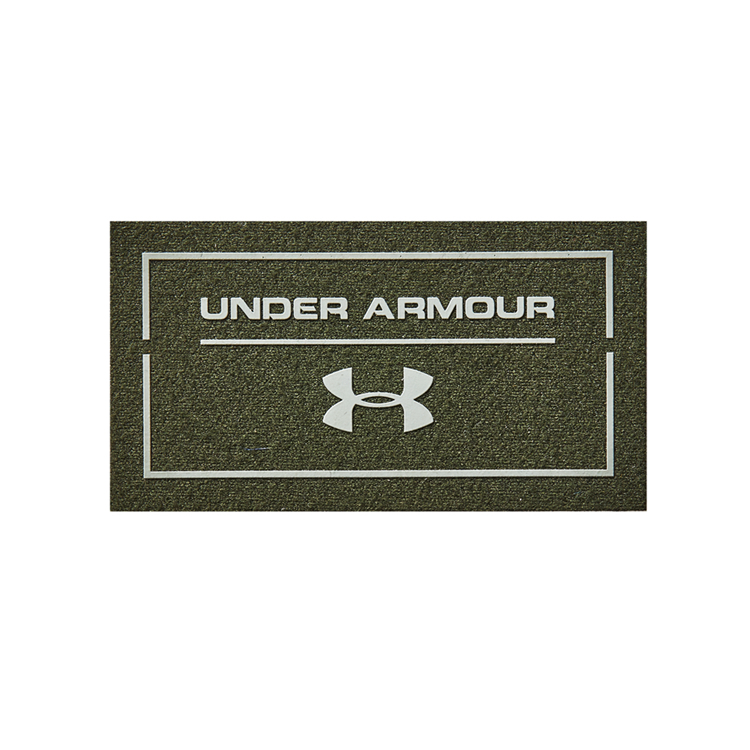
If your design features intricate details, tiny text, or complex gradients, woven patches are the solution. Unlike embroidered patches that use thicker threads, woven patches use finer threads woven tightly together. This results in a flat, smooth surface that captures high-definition details without the bulk, ideal for modern, minimalist jacket designs.
3. PVC and Rubber Patches: The Rugged Survivor
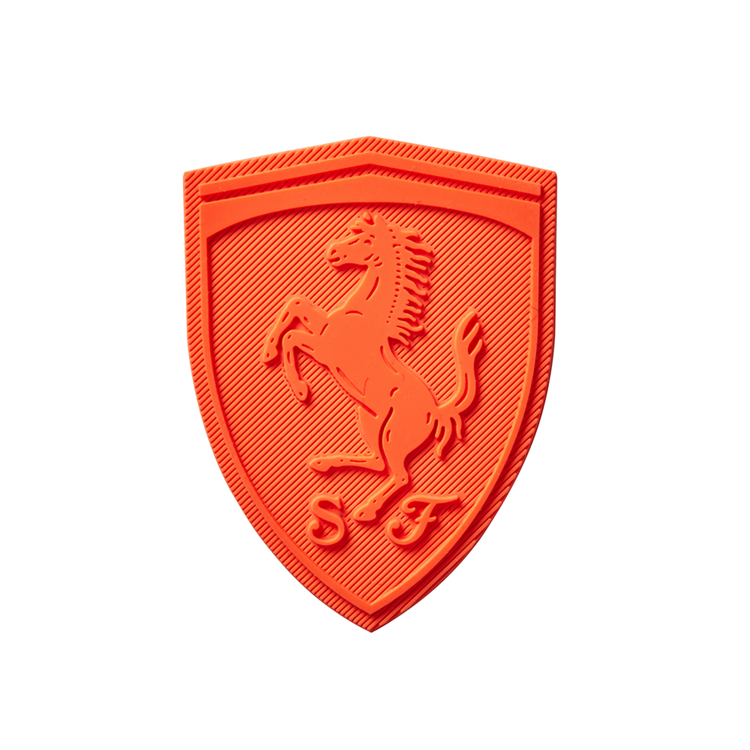
For outdoor, tactical, or ski jackets, PVC (polyvinyl chloride) and silicone rubber patches are the ultimate choice. These are created using a 3D molding process, resulting in a waterproof, mud-resistant, and highly flexible badge. They can feature raised or recessed 3D elements and vibrant, fade-resistant colors.
4. Leather and Suede Patches: The Premium Minimalist
Nothing elevates a jacket quite like genuine or faux leather patches. Often debossed (pressed inward) or laser-engraved, leather patches offer a sophisticated, understated look. They are predominantly used on the back of denim jackets, on the sleeves of leather bombers, or on the hoods of premium winter parkas.
5. Chenille Patches: The Retro Varsity Vibe
Known for their soft, fuzzy, "caterpillar-like" texture, chenille patches are synonymous with vintage varsity jackets and letterman jackets. They provide a nostalgic, tactile experience and are perfect for brands targeting a retro, collegiate, or Y2K streetwear demographic.
Dimension Comparison Table 1: Mainstream Patch Materials
| Patch Type | Material Base | Detail Level | Texture & Feel | Durability & Weather Resistance | Best Jacket Application |
|---|---|---|---|---|---|
| Embroidered | Twill / Felt | Medium (Standard) | Raised, 3D, textured | High (Washable, fade-resistant) | Denim, canvas, vintage streetwear |
| Woven | Tight polyester threads | Very High (HD) | Flat, smooth, thin | High (Lightweight, flexible) | Modern fashion, lightweight jackets |
| PVC / Rubber | Polyvinyl Chloride | High (3D Molded) | Flexible, rubbery, 3D | Extreme (Waterproof, mud-proof) | Outdoor gear, tactical, ski jackets |
| Leather | Genuine / Faux Leather | Low to Medium | Smooth, premium, rigid | Medium (Needs care, not for heavy rain) | Leather bombers, premium denim |
| Chenille | Chenille yarn / Felt | Low (Bold shapes) | Soft, fuzzy, plush | Medium (Delicate, hand-wash preferred) | Varsity jackets, retro hoodies |

The Step-by-Step Custom Patch Making Process
Creating the perfect cool patches for jackets is a meticulous journey from a simple sketch to a tangible, high-quality product. For B2B buyers and brand owners, understanding this OEM/ODM process ensures smoother communication with manufacturers and better final results.
Step 1: Design & Conceptualization
The process begins with your artwork. For optimal production, designs should be provided in vector formats (like AI, EPS, or PDF). During this phase, designers will analyze the artwork to determine the best patch type, calculate the size, and select the appropriate Pantone (PMS) colors to ensure exact color matching. If the design is too complex for embroidery, the manufacturer will suggest switching to a woven or PVC alternative.
Step 2: Material Selection & Border Definition
Once the base material is chosen, the border (edge) must be defined. This is a critical aesthetic choice for jacket patches:
- Merrowed Border: A thick, overlocked stitch border that gives a classic, robust look. Best for simple shapes (circles, shields, squares).
- Laser-Cut / Heat-Cut Border: Allows the patch to be cut into any custom shape (die-cut) closely following the design's outline, offering a modern, seamless finish.
Step 3: Digital Proofing & Approval
Before any mass production begins, the manufacturer will create a digital mockup or a physical sample. A digital proof shows the exact color codes, stitch directions, and dimensions. For large bulk orders, requesting a physical pre-production sample is highly recommended to check the actual texture, thread tension, and backing adhesion.
Step 4: Production & Manufacturing
Upon approval, the patch enters the production line.
- For embroidered/woven patches, computerized multi-head embroidery machines stitch the design onto the backing fabric.
- For PVC patches, liquid PVC is injected into custom metal molds and heated in an oven.
- For leather patches, laser machines engrave the design, followed by edge painting or folding. After the main body is created, the patches are precisely cut to shape using laser cutting or die-cutting machines to ensure clean, fraying-free edges.
Step 5: Backing Application, QC, and Packaging
The final manufacturing step involves applying the chosen backing (iron-on, velcro, etc.). Following this, a strict Quality Control (QC) check is performed. Inspectors look for loose threads, color deviations, misaligned borders, and backing integrity. Finally, the cool patches for jackets are counted, poly-bagged, and packed securely for global shipping.
Choosing the Right Backing: Attachment Methods Compared
A patch is only as good as its attachment to the garment. The backing you choose dictates how the patch interacts with the jacket fabric, its longevity, and whether it can be removed or swapped.
1. Iron-On (Heat Seal) Backing
This is the most popular choice for retail and DIY applications. A layer of heat-activated glue is applied to the back of the patch. Using a commercial heat press or a standard household iron, the patch is permanently fused to the jacket fabric. It provides a clean look without visible stitches.
2. Sew-On (No Backing)
The traditional and most secure method. The patch has no adhesive backing and must be stitched directly onto the jacket. While it requires more labor to apply, it offers the highest durability, making it ideal for heavy-duty workwear, leather jackets, or garments that undergo frequent, harsh industrial washing.
3. Velcro (Hook and Loop) Backing
Highly favored in the tactical, military, and outdoor sectors. The patch features a loop (soft) side, which is either sewn or ironed onto the patch, while the hook (rough) side is attached to the jacket. This allows the wearer to easily swap patches depending on the mission, mood, or environment.
4. Peel and Stick (Adhesive)
Similar to a sticker, this backing features a strong, pressure-sensitive adhesive. It is meant for temporary use or as a temporary placement guide before sewing. It is not recommended for jackets that will be washed regularly.
Dimension Comparison Table 2: Backing & Attachment Options
| Backing Type | Application Method | Durability & Washability | Removability / Swappability | Ideal Jacket Fabric |
|---|---|---|---|---|
| Iron-On | Heat press (150°C - 170°C) | High (Survives regular machine washes) | Permanent (Cannot be removed cleanly) | Cotton, denim, canvas, polyester blends |
| Sew-On | Needle and thread / Machine | Extreme (Will outlast the jacket itself) | Permanent (Requires un-stitching) | Leather, heavy canvas, delicate silks |
| Velcro (Loop) | Sewn or Ironed onto the patch | High (If sewn); Medium (If ironed) | Highly Swappable (Instant removal) | Tactical nylon, outdoor gear, uniforms |
| Adhesive | Peel and press by hand | Low (Fails after 1-2 washes) | Temporary (Leaves residue) | Temporary displays, craft projects |
Pro Design Tips for Creating "Cool" Jacket Patches
To ensure your cool patches for jackets truly stand out in a crowded market, keep these professional design tips in mind:
- Embrace High Contrast: Patches are often viewed from a distance. Use high-contrast color combinations (e.g., gold thread on black twill, or white on navy) to ensure your logo or artwork pops.
- Mind the Minimum Text Size: If you are opting for embroidered patches, ensure your text is at least 4mm to 5mm in height. Anything smaller will result in illegible, muddy stitching. If you need tiny text, switch to woven patches.
- Utilize the Merrowed Border: For a classic, premium streetwear look, leave a 1mm to 2mm border around your design to accommodate a thick merrowed edge. This frames the design beautifully and prevents edge fraying.
- Mix Textures: Don't be afraid to combine materials. A leather patch with an embroidered overlay, or a woven patch with a metallic thread accent, can create a truly unique, high-end tactile experience.
Frequently Asked Questions (FAQ)
Q1: What is the typical Minimum Order Quantity (MOQ) for custom jacket patches?
A: The MOQ varies by manufacturer and patch type. Generally, for embroidered and woven patches, the MOQ ranges from 50 to 100 pieces per design. PVC patches often require a higher MOQ (around 100-200 pieces) due to the cost of creating custom metal molds.
Q2: Can I wash my jacket in a washing machine if it has iron-on patches?
A: Yes, but with precautions. To maximize the lifespan of iron-on cool patches for jackets, turn the jacket inside out, use cold or warm water (avoid hot water), and tumble dry on a low heat setting or air dry. For extreme durability, sewing the edges after ironing is recommended.
Q3: Which patch material is best for outdoor and waterproof jackets?
A: PVC or silicone rubber patches are the absolute best choice for outdoor gear. They are 100% waterproof, resistant to extreme temperatures, and will not absorb moisture or mildew, ensuring your branding remains vibrant in harsh weather conditions.
Q4: Can you match exact brand colors for the patches?
A: Absolutely. Professional manufacturers use the Pantone Matching System (PMS) for threads and PVC colors, and can also source specific dyed twill or leather fabrics to ensure your patch perfectly aligns with your brand's official color palette.
Ready to Add an Iron-On Patch? The Guide to Custom Patch Manufacturing and Application
What Defines the Custom Patch Shirt Mens Collection in 2026?
Related Article