

Under Armour Logo Fabric Patch Design: Balancing Cost and Quality Across Materials
2025-11-10
Under Armour logo patches on cost-effective, high-quality fabric bases like polyester, cotton blend, and nylon offer durability and style, ideal for tatami patch applications in athletic and casual wear.
Polyester: The Performance-Driven Choice for Under Armour Logo Patches
Polyester stands as a cornerstone in Under Armour’s fabric patch repertoire, especially for its athletic-focused products. This synthetic fiber excels in durability and moisture-wicking properties, making it a prime choice for patches that adorn sportswear like running shorts, training tops, and athletic shoes.
In terms of design implementation, polyester’s tight weave provides a stable foundation for intricate embroidery or heat-transfer printing of the Under Armour logo. The material resists fraying, ensuring the logo’s sharp edges and the brand’s iconic “U” emblem remain intact even after repeated washes and intense physical activity. From a cost perspective, polyester is widely available and affordable, allowing for large-scale production without compromising quality. It also offers excellent color retention, so the logo’s bold tones—often the brand’s signature black, white, or metallic silver—stay vibrant over time. For tatami patch applications, polyester’s structural integrity means the patch maintains its shape, whether sewn onto a martial arts gi or a performance tracksuit.
Cotton Blend: Balancing Comfort and Durability in Logo Design
Cotton blends bring a soft, approachable texture to Under Armour’s logo patches, catering to casual and lifestyle collections. These fabrics typically combine cotton with a small percentage of synthetic fibers (like spandex or polyester) to enhance stretch and longevity.
When used for logo patches, cotton blends offer a comfortable feel against the skin, making them ideal for items like hoodies, casual tees, and accessories such as backpacks. The natural fiber component lends a premium look, while the synthetic blend boosts durability. For the Under Armour logo, this fabric base allows for techniques like direct-to-garment printing or embroidered patches with a slightly more organic finish. Cost-wise, cotton blends strike a balance—they are more affordable than pure cotton (which can shrink or fade) and more cost-effective than some high-performance synthetics. Brands can leverage this material to create logo patches that feel premium yet remain budget-friendly, perfect for tatami-inspired designs that blend athleticism with everyday wear.
Nylon: Lightweight Resilience for Active Lifestyle Patches
Nylon is the go-to for lightweight, rugged logo patches in Under Armour’s lineup, particularly for outdoor and high-intensity gear. Known for its exceptional tear resistance and quick-drying capabilities, nylon ensures patches can withstand harsh conditions, from trail running to outdoor training.
In logo design, nylon’s smooth surface is ideal for heat-sealed or embroidered logos that need to be both visible and unobtrusive. The material’s lightweight nature means patches don’t add unnecessary bulk to gear like hydration packs, windbreakers, or athletic shorts. Cost-wise, nylon is a cost-effective option for performance-oriented products, as its durability reduces replacement costs and its versatility allows for use across multiple product lines. For tatami patch aesthetics, nylon can be engineered to have a textured finish, mimicking traditional weaving styles while delivering modern performance—marrying the brand’s athletic identity with unique design elements.
Sustaining Quality and Cost Efficiency: A Unified Approach
Across these fabric bases, Under Armour prioritizes a holistic approach to logo patch design, where cost control and quality assurance go hand in hand. By selecting materials like polyester, cotton blends, and nylon, the brand ensures each patch meets rigorous standards for durability, aesthetic appeal, and production feasibility.
For instance, polyester’s mass-production suitability keeps unit costs low, while its performance attributes align with Under Armour’s athletic ethos. Cotton blends bridge the gap between casual wear and sportswear, offering a consumer-friendly feel without sacrificing longevity. Nylon, meanwhile, caters to the most demanding use cases, proving that cost-effectiveness need not come at the expense of resilience.
In the realm of tatami patch design, these materials also allow for creative flexibility. Whether replicating the texture of traditional tatami mats through woven patterns or using color palettes inspired by martial arts aesthetics, Under Armour’s choice of fabric bases ensures each logo patch is not just a brand marker but a design element that enhances the product’s overall value. This strategic blend of material science and design philosophy solidifies Under Armour’s position as a leader in athletic apparel, where even the smallest detail—like a logo patch—reflects a commitment to quality and innovation.
When confronted with the task of producing intricate design drafts of the highest quality, PEPHAWK is here to provide the perfect solution. With over 16 years of industry experience and our esteemed general manager boasting 31 years of expertise in the silicone industry, we are the ultimate choice for tackling your challenging logo design projects. Select PEPHAWK for our unmatched proficiency and rest assured in the impeccable outcomes we consistently deliver.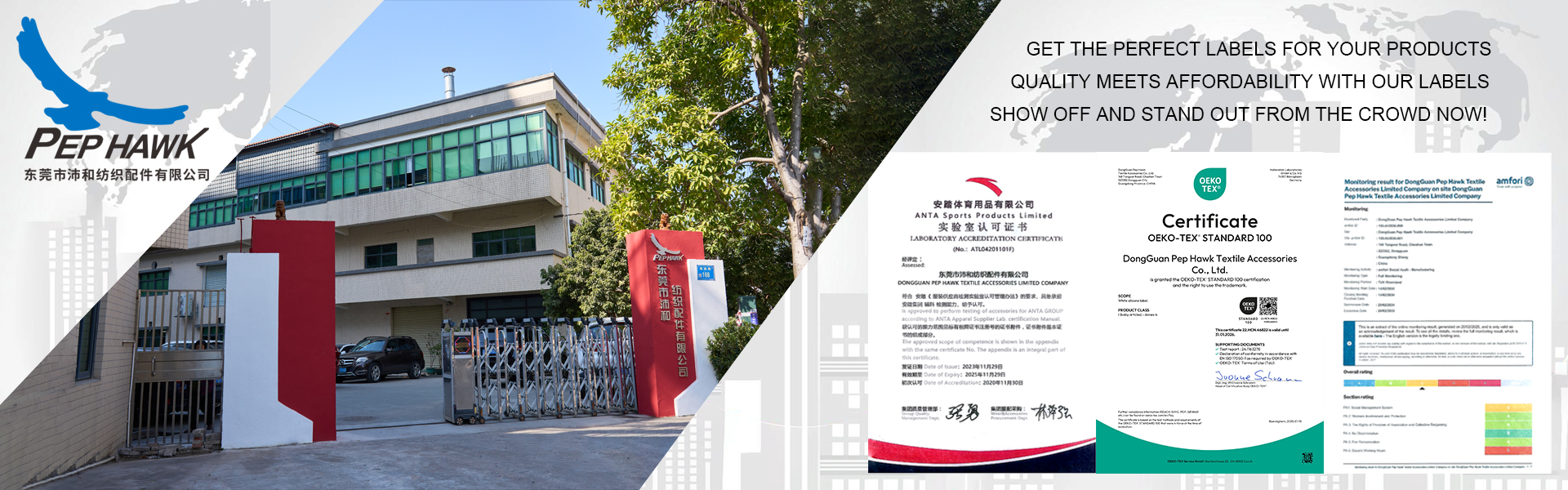
Arc'teryx Emblem: Diverse Material Designs and Styling Recommendations
Way of Wade: A Brand Defined by Purple Logo and Versatile Design Spectrum


SEND MESSAGE