

Tiny but Mighty: The Versatile World of 2x2 Patches
2026-01-28
Table of Contents
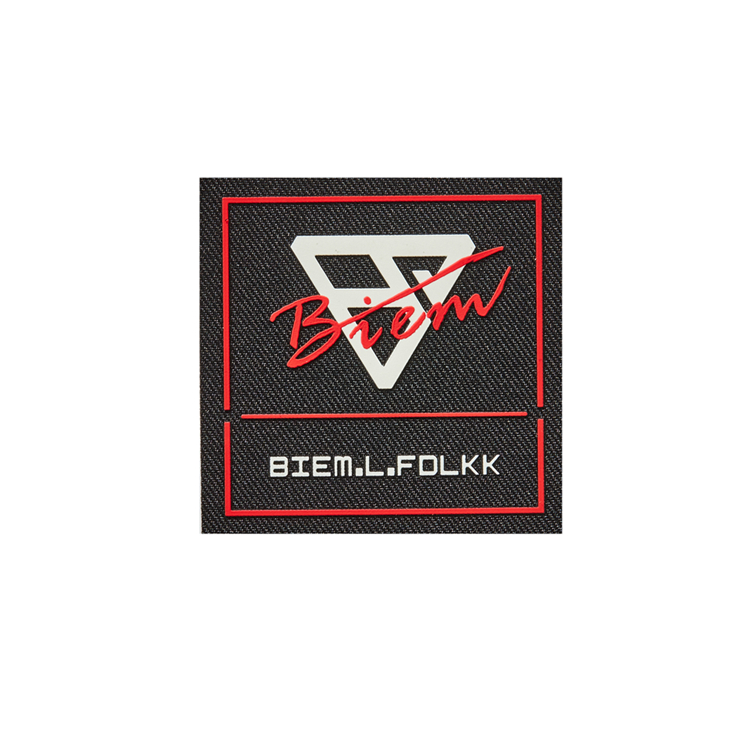
A 2x2 patch refers to a square-shaped accessory with a standard dimension of 2 inches by 2 inches. Its core features lie in its compact size and multifunctional properties
I. Introduction
In the garment accessories industry, the 2x2 patch holds unique significance due to its high cost-effectiveness and wide adaptability. Compared to complex embroidery, screen printing, or custom fabric weaving, 2x2 patches can achieve similar decorative and functional effects at lower production costs. They are compatible with almost all garment types, from casual wear to professional uniforms, making them a preferred choice for both individual customization and mass production.
II. Basic Characteristics of 2x2 Patch
2.1 Material Classification
The material of 2x2 patches directly determines their texture, durability, and application scenarios. Common materials are categorized into three types, with distinct properties and use cases as shown in Table 1.
| Material Type | Common Substances | Core Properties | Typical Applications |
|---|---|---|---|
| Woven Fabric | Cotton, polyester, cotton-polyester blend | Breathable, soft, compatible with printing/embroidery | Casual wear, daily accessories |
| Non-woven Fabric | Felt, embroidery base cloth | Thick texture, easy to shape, low cost | Decorative patches, children’s clothing |
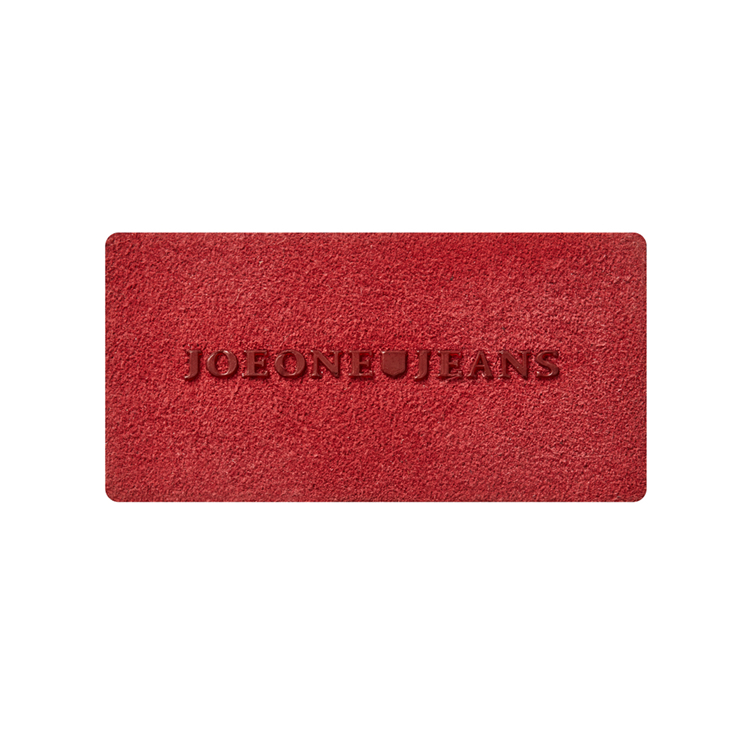
| Special Materials | Silicone, PVC, leather | Waterproof, wear-resistant, 3D texture | Sportswear, outdoor gear, workwear |
2.2 Dimension & Specification Details
The standard 2x2 size is not absolute; it allows a small tolerance range to adapt to production processes. Generally, the dimensional deviation should be within ±0.1 inch (±0.25cm) to ensure consistency in batch production. For special garment needs, the size can be slightly adjusted, but the 2x2 ratio is usually maintained to retain the patch’s classic shape.
2.3 Structural Design Types
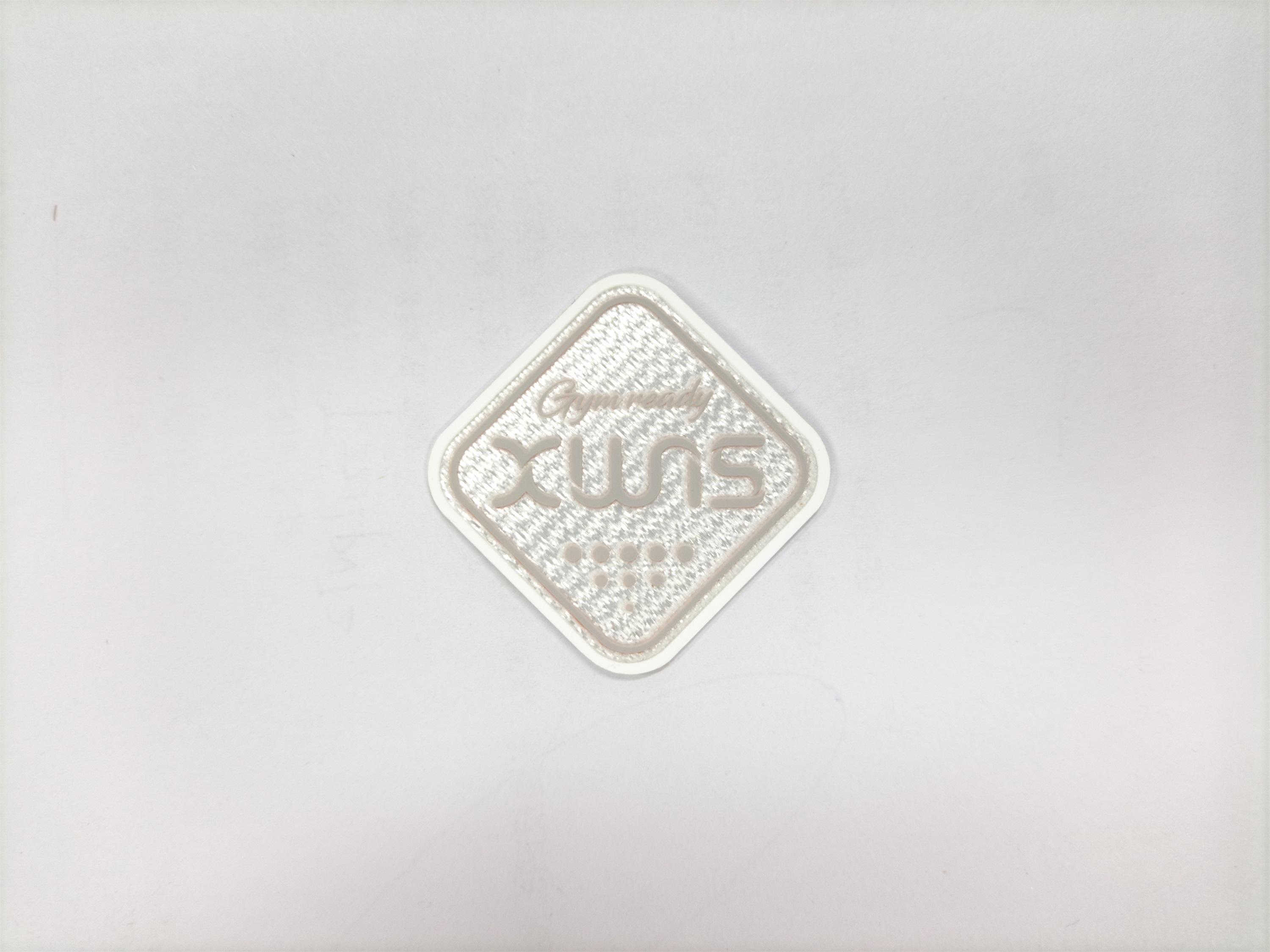
Structural design varies based on aesthetic and functional requirements. Flat-type patches have a smooth surface, ideal for digital printing and clear pattern display. Embroidered-type patches use threads to create 3D textures, adding a premium feel and suitability for brand logos. Combination-type patches integrate multiple materials, such as a fabric core with a silicone border, balancing decoration and durability.
III. Design & Customization of 2x2 Patch
3.1 Aesthetic Customization Elements
Aesthetic customization focuses on aligning the patch with the garment’s style. Color matching adheres to Pantone color standards to ensure consistency with the garment’s tone, avoiding color clashes. Pattern design is constrained by the 2x2 size, requiring concise elements like logos, short slogans, or minimalist graphics to maintain clarity.
Edge processing is another key aesthetic factor. Heat-sealed edges are smooth and prevent fraying, suitable for lightweight fabrics. Overlocked edges offer a casual, handcrafted look, common in denim wear. Embroidered edges reinforce the patch’s shape while enhancing its decorative appeal.
3.2 Functional Customization Options
Functional customization targets the patch’s attachment method and usability, with options tailored to different application scenarios, as detailed in Table 2.
| Attachment Method | Implementation Method | Advantages | Limitations |
|---|---|---|---|
| Adhesive Backing | Heat transfer or self-adhesive layer | Easy to apply, no sewing required | Low durability, not suitable for frequent washing |
| Sew-on Design | Reinforced edges with sewing holes | High durability, stable attachment | Requires professional sewing, time-consuming |
| Velcro Integration | Hook-and-loop fastener on patch back | Removable, interchangeable | Higher production cost, bulkier |
3.3 Customization Constraints & Guidelines
The 2x2 dimension imposes strict limits on pattern size; intricate details or excessive text may become blurred. Designers should prioritize core elements and avoid overcrowding. Material compatibility is also critical—for example, silicone patches are not suitable for heat-sensitive fabrics like silk, as high temperatures during attachment may damage the garment.
IV. Application Scenarios of 2x2 Patch
4.1 Apparel Industry Applications
In the apparel industry, 2x2 patches are widely used across categories, with specific purposes varying by garment type (see Table 3). For casual wear like jackets, jeans, and hoodies, they serve as decorative accents to enhance individuality. In workwear and uniforms, they act as identification tools, displaying team logos, department names, or employee numbers for easy recognition.
| Garment Category | Core Purpose | Material Preference |
|---|---|---|
| Casual Wear | Decoration, personalization | Woven fabric, felt |
| Workwear/Uniforms | Identification, branding | PVC, leather, reinforced woven fabric |
| Sportswear | Team recognition, reinforcement | Silicone, polyester |
For sportswear, 2x2 patches not only display team logos and numbers but also reinforce high-friction areas like elbow and knee joints, extending the garment’s service life. Their compact size avoids restricting movement, making them ideal for active wear.
4.2 Non-apparel Applications
Beyond apparel, 2x2 patches are widely used in accessories and home textiles. They add decorative touches to backpacks, hats, gloves, and belts, transforming ordinary items into personalized pieces. In home textiles, they adorn cushions, curtains, and tablecloths, creating a cohesive aesthetic for living spaces.
V. Production Process of 2x2 Patch
5.1 Pre-production Preparation
Pre-production steps lay the foundation for quality patches. Material selection is based on customization requirements—for example, choosing waterproof PVC for outdoor gear patches. The selected materials are then cut into 2x2 blanks, ensuring consistent size and neat edges.
For embroidered or printed patches, pattern digitization is essential. Design files are converted into machine-readable formats, adjusting details to fit the 2x2 dimension. This step requires precision to ensure the final pattern matches the original design.
5.2 Core Production Steps
Core production varies by patch type. Printed patches undergo digital or screen printing, with ink cured to ensure color fastness. Embroidered patches use computerized embroidery machines to stitch threads onto the base cloth, layer by layer, creating 3D textures.
After printing or embroidery, edge finishing is performed—heat-sealing, overlocking, or embroidering edges to prevent fraying. For adhesive or Velcro patches, the corresponding layers are attached using specialized equipment, ensuring strong bonding.
5.3 Post-production Treatment
Post-production focuses on quality control and packaging. Each patch undergoes visual inspection to remove defective products with blurred patterns, uneven edges, or color inconsistencies. Qualified patches are packaged individually to avoid damage during transportation and stored in a dry, cool environment to maintain adhesive performance.
| Production Stage | Key Operation | Quality Focus |
|---|---|---|
| Pre-production | Material cutting, pattern digitization | Size consistency, digitization accuracy |
| Core Production | Printing/embroidery, edge finishing | Pattern clarity, edge neatness |
| Post-production | Inspection, packaging | Defect removal, storage stability |
VI. Quality Control & Performance Testing
6.1 Appearance Inspection Standards
Appearance inspection ensures the patch meets aesthetic requirements. Color consistency is verified using Pantone color cards, with no visible color variation between batches. Pattern clarity is checked to ensure no blurring, distortion, or thread breakage (for embroidered patches).
Edge neatness and dimension accuracy are also critical. Edges should be smooth without fraying, and the actual size should fall within the ±0.1 inch tolerance range. Any patch with uneven edges, size deviation, or stains is classified as defective and discarded.
6.2 Durability Testing Items
Durability testing guarantees the patch performs well in daily use, with key test items outlined in Table 4. Washing fastness testing involves washing the patch-attached garment multiple times to check for color fading, peeling, or detachment. The patch should retain its shape and adhesion after 10-15 standard washes.
| Test Item | Testing Standard | Pass Criteria |
|---|---|---|
| Washing Fastness | 50℃ water, 20-minute wash cycles (15 times) | No fading, peeling, or detachment |
| Abrasion Resistance | Rubbing with standard fabric (1000 cycles) | No thread breakage, pattern damage |
| Adhesion Strength | Tensile test with 5N force | No separation from base cloth |
Abrasion resistance testing simulates daily friction, ensuring the patch withstands repeated contact without damage. Adhesion strength testing applies tensile force to adhesive/Velcro patches, verifying they do not separate from the garment or base cloth under normal use.
PEPHAWK is proud to highlight our integrated one-stop service—seamlessly combining professional design, R&D, and manufacturing capabilities to deliver cohesive, end-to-end solutions for our valued clients.
Our core product range covers a diverse selection of high-quality accessories and silicone-based items, including:
- Garment Accessories: Silicone Labels, Micro Fiber Labels, TPU Labels, Leather Labels
- Electronic & Lifestyle Gadgets: Silicone Mobile Phone Skins, Silicone MP3 Skins, Silicone Chaplets, Silicone Bracelets
Beyond our core offerings, we also connect clients with complementary products through our trusted affiliated companies, ensuring all your needs are met under one partnership.
What sets us apart is our specialized expertise in key manufacturing processes: Silk Screen Printing, High-Frequency Welding, Sublimation Printing, Seamless Fabric Processing, and Laser Cutting. These capabilities allow us to serve a wide array of industries—from garments, shoes, caps, and gloves to electronic devices, bags, and sporting equipment—with products that blend durability, functionality, and aesthetic appeal.
At PEPHAWK, customer satisfaction is our top priority. We’re committed to providing responsive, thorough support, and guarantee a same-day response to all inquiries—no exceptions. You can rely on us for consistent quality, reliable delivery, and a partnership that’s as efficient as it is trustworthy.
Whether you’re looking for custom apparel labels, protective silicone skins, or tailored manufacturing solutions, PEPHAWK has the expertise and flexibility to bring your vision to life.
Differences Between Men’s and Women’s Patched Trousers
Related Article


SEND MESSAGE