

Patch & Emblem Guide for T-Shirt Shops: Boost Sales with Customizable Wearable Art
2025-11-20
In the competitive world of apparel retail, standing out means offering products that blend style, personality, and purpose. For t-shirt shop owners, patch emblems are a game-changing addition
The Story Behind Patch Emblems: From Ancient Decor to Modern Must-Haves
Patch emblems aren’t just a passing trend—they have a legacy spanning over 2,000 years. The journey began in 3rd century BC China, where embroidered patches were first crafted as decorative accents for royal garments, using intricate stitching to denote wealth and status. As time passed, their purpose evolved: during the Middle Ages, they became symbols of religious devotion (think clerical robes) and social hierarchy, with noble families adopting unique designs to identify their households.
By the 1800s, patches took on a patriotic and practical role, adorning military uniforms to distinguish regiments and honor service. Businesses soon caught on, using embroidered emblems as cost-effective promotional tools to put their logos in front of more eyes. Today, the resurgence of patch emblems is fueled by two powerful cultural shifts: the DIY movement (consumers crave one-of-a-kind pieces) and the revival of vintage fashion (retro-style patches evoke nostalgia).
Crucially, every emblem is a type of patch, but not every patch is an emblem. Emblems are designed as symbolic representations—think Harley-Davidson’s iconic crest or Starbucks’ mermaid—combining text and imagery to tell a brand’s story. They’re a top choice for schools, government agencies, first responders, and clothing brands because they project professionalism and build recognition. In fact, studies show custom patches can increase brand recall by up to 57%—a statistic that’s gold for your commercial clients.
Top 4 Patch & Emblem Types for Your T-Shirt Shop (and Who They’re Perfect For)
Offering the right patch types ensures you meet every customer’s needs, from budget-conscious individuals to high-end brands. Here’s a detailed breakdown of the most in-demand options:
1. Embroidered Patches: The Durable Crowd-Pleaser
Embroidered patches are the backbone of the industry—and for good reason. Crafted with vibrant, colorfast threads stitched onto a sturdy fabric backing (cotton, polyester, or twill), they excel at high-contrast, multicolor designs that pop. Their durability makes them ideal for items that see heavy use: employee uniforms, sports team jerseys, and outdoor jackets. They also minimize puckering on large designs, ensuring a clean finish on t-shirts and hoodies.
Pro tip: Promote these to local sports leagues and small businesses—they’ll appreciate the long-lasting branding that stands up to washes and wear.
2. Heat-Pressed (Iron-On) Patches: The Quick-and-Easy Option
Heat-pressed patches are a t-shirt shop’s best friend for fast, low-effort customization. With a heat-activated adhesive backing, they apply in minutes to cotton, canvas, polyester, and denim using a standard iron or heat press. Stock designs (like retro logos, pop culture references, or motivational phrases) in bulk, and you can quickly create trending retail pieces by adding multiple patches to different areas of a tee or tote bag.
Note: While convenient, heat-pressed patches are less permanent than sewn-on versions. Be transparent with customers—highlight their versatility for casual wear but recommend sewn patches for items needing maximum durability.
3. Woven Patches: The Detail-Oriented Choice
For designs with tiny lettering, intricate patterns, or fine lines (like school crests or corporate logos), woven patches are unbeatable. Made on a jacquard loom with a finer weave than embroidered patches, they capture even the smallest details with crisp clarity. The texture and appearance depend on the yarn used—offer options like cotton (soft) or polyester (wrinkle-resistant) to cater to different preferences. Woven patches attach via sewing, making them a favorite for formal wear and high-end branding.
4. Custom Emblems: The Brand-Building Powerhouse
Custom emblems are where creativity meets purpose. These unique symbols combine text, imagery, and brand colors to represent a business, organization, or individual. The process involves collaborating with a graphic designer to bring your client’s vision to life—whether it’s a veterinary clinic’s paw-print logo or a fraternity’s crest. Custom emblems can be crafted as embroidered, woven, or even metal patches, giving your clients flexibility.
Key selling point: Emblems turn your shop into a one-stop branding solution. Pitch them to local businesses for employee swag or schools for graduation merchandise.
How to Choose a Patch Supplier That Delivers Quality (and Profit)
The success of your patch offerings hinges on partnering with a reliable supplier. Here’s a step-by-step process to find the right fit:
Step 1: Research Thoroughly (Don’t Settle for the First Option)
Start by building a shortlist of suppliers using:
-
Google searches (use keywords like “reliable custom patch supplier” or “bulk embroidered patches for apparel”)
-
Industry groups: Facebook communities for t-shirt shop owners or forums like Reddit’s r/ ScreenPrinting often have trusted recommendations
-
Trade shows: Events like ISS (International Sign & Graphics Association) let you meet suppliers in person and examine samples
Create a spreadsheet to track critical details: years in business, patch types offered, minimum order quantities (MOQs), pricing tiers, and turnaround times.
Step 2: Evaluate Quality (Samples Are Non-Negotiable)
A supplier’s website photos can be misleading—always request physical samples. Inspect them for:
-
Stitch density: Loose threads or uneven stitching mean low quality
-
Color accuracy: Do the threads match the Pantone colors provided?
-
Backing durability: Is the backing sturdy enough to hold up to washing?
-
Edge finish: Are the patch edges clean (no fraying)?
Also, check online reviews—look for feedback about consistency (do orders match samples?) and customer service (how do they handle mistakes?).
Step 3: Compare Value (Not Just Price)
The cheapest supplier rarely delivers the best value. Ask for a detailed pricing breakdown to avoid hidden fees, including:
-
Artwork setup fees (some suppliers waive this for repeat clients)
-
Pre-production samples (critical for custom designs)
-
Backing options (e.g., iron-on vs. Velcro may cost more)
-
Shipping and handling
Balance cost with turnaround time— a supplier that charges 10% more but delivers in 2 weeks instead of 8 is worth the investment, especially for time-sensitive orders.
Step 4: Test Communication (Poor Service Kills Profits)
A supplier that takes days to respond to emails will derail your client relationships. Test their communication by sending a few questions (e.g., “Can you adjust the MOQ for a first-time order?”) and note how quickly and clearly they reply. Look for suppliers that assign a dedicated account manager—this ensures consistency for future orders.
Pro Tips for Ordering Patches (Avoid Costly Mistakes)
Once you’ve found a supplier, use these tactics to streamline the ordering process and keep clients happy:
1. Negotiate MOQs
Many suppliers offer lower MOQs for repeat clients or bulk orders. If a customer only needs 20 patches, ask your supplier if they can waive their 50-patch minimum—you may pay a small premium, but it keeps the client from going elsewhere.
2. Insist on Proofs
Always get a digital proof (for spelling and color accuracy) and a physical sample (for quality) before approving production. For large orders (100+ patches), ask for a “pre-production run” of 5-10 patches to catch issues early.
3. Lock in Timelines (in Writing)
Get a detailed timeline that includes: artwork approval deadline, sample delivery date, production start/end dates, and shipping time. Put this in a contract or email thread—if the supplier misses a deadline, you have leverage to request a discount or free shipping.
How to Apply Patches to Apparel (and Advise Your Customers)
The right application method ensures patches stay in place—here are the four most common techniques, plus when to use each:
1. Heat Application (Fastest for Retail)
Ideal for heat-pressed patches on cotton, canvas, or polyester. Use a heat press (150-160°C for 10-15 seconds) or a household iron (medium heat, no steam). Place a thin cloth over the patch to avoid burning the threads. Warn customers not to dry-clean heat-pressed patches—this melts the adhesive.
2. Sewing (Most Durable)
Hand-sew or machine-sew embroidered or woven patches for maximum longevity. Use polyester thread (it’s stronger than cotton) and stitch around the patch’s edge. Recommend this method for workwear, sports uniforms, or outdoor gear—items that need to withstand frequent washing.
3. Velcro (Most Versatile)
Attach a Velcro strip to the patch and the garment—perfect for customers who want to switch patches (e.g., a student who swaps school club patches on their backpack). Velcro works well with canvas and cotton but avoid delicate fabrics like silk.
4. Fabric Glue (Best for Delicates)
Use a high-quality, washable fabric glue for lightweight patches on delicate fabrics (lace, silk) or synthetic materials that can’t handle heat. Apply a thin layer to the patch’s back, press firmly, and let dry for 24 hours. Advise customers to hand-wash glued patches to extend their life.
Caring for Patches: Keep Your Products Looking New (and Customers Happy)
Educate your customers on patch care—this reduces returns and builds trust. Create a simple care guide to include with orders (and post it on your website):
-
Wash wisely: Turn garments inside out, use cold water, and select a gentle cycle. Avoid bleach or fabric softener—they break down threads and adhesive.
-
Dry carefully: Tumble dry on low heat or air-dry flat. High heat can shrink patches or melt adhesive.
-
Iron safely: Never iron directly on a patch—place a cloth over it and use low heat.
-
Repair early: If threads fray, trim them with scissors and apply a small dot of fabric glue to secure the edge.
Market Your Patch Emblem Offerings (Boost Sales Today)
Now that you’re ready to sell patches, use these tactics to spread the word—target both retail customers and commercial clients (businesses, schools, teams):
1. Leverage Social Media (Show, Don’t Tell)
-
Instagram/TikTok: Post “before-and-after” videos of plain tees transformed with patches. Try reels like “5 Ways to Style Patch Emblems” or “How We Make Custom Brand Patches.” Tag local businesses and use hashtags like #PatchStyle #CustomTees #LocalApparel.
-
Facebook: Join local community groups and share your offerings (e.g., “Soccer teams—get custom patches for your jerseys!”). Run targeted ads to businesses within a 50-mile radius.
-
YouTube: Create tutorials like “How to Apply Iron-On Patches” or “Choosing the Right Patch for Your Brand”—optimize titles with keywords like “custom patch emblems for t-shirts.”
2. Turn Your Shop Into a Showcase
Display mannequins wearing patched tees, hoodies, and jackets. Create a “patch wall” with sample designs—let customers touch and feel the quality. Offer a “build-your-own” service: let shoppers pick a plain tee and a patch, then apply it in-store while they wait.
3. Target Commercial Clients (B2B = Steady Revenue)
Reach out to local businesses, schools, and nonprofits with personalized pitches: Send a small sample (e.g., a patch with their logo) and a one-page proposal outlining pricing and turnaround times.Partner with event planners—offer custom patches for corporate events, festivals, or fundraisers.Highlight branding benefits: “Custom emblems increase your team’s unity—and your brand’s visibility.”4. Run Promotions to Drive TrialsEntice new customers with offers like: “Buy a tee, get a free small patch”“10% off custom patches for first-time business clients”“Refer a friend for custom patches—get a $20 store credit”Final Thoughts: Patch Emblems = Profit for Your T-Shirt ShopPatch emblems aren’t just a trend—they’re a versatile, high-margin product that caters to both retail and commercial clients. By offering quality patches, partnering with reliable suppliers, and marketing strategically, you’ll turn your t-shirt shop into a go-to destination for customizable wearable art. Start small (stock a few popular patch designs) and scale as you build demand—before long, patch emblems will be one of your top-selling offerings.
Ready to get started? Share your biggest questions about patch emblems in the comments below—or reach out to us for a list of trusted suppliers!
When confronted with the task of producing intricate design drafts of the highest quality, PEPHAWK is here to provide the perfect solution. With over 16 years of industry experience and our esteemed general manager boasting 31 years of expertise in the silicone industry, we are the ultimate choice for tackling your challenging logo design projects. Select PEPHAWK for our unmatched proficiency and rest assured in the impeccable outcomes we consistently deliver.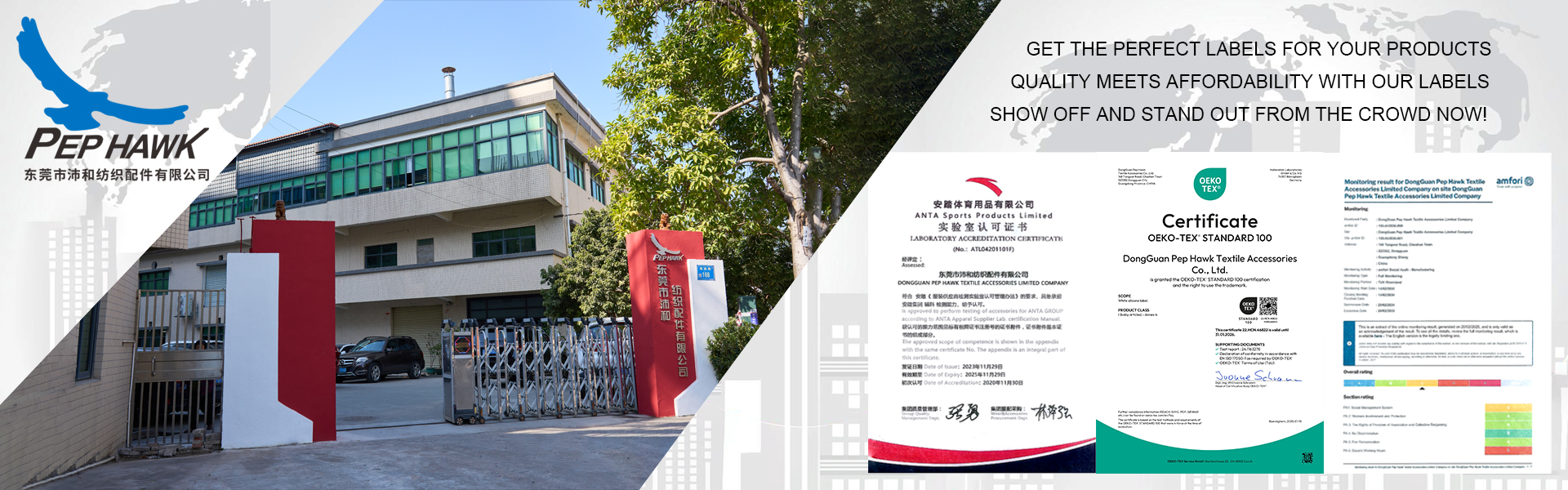
361° Wild Awake Logo: Element Design & Twill Patch Marketing
Custom PVC Patches: Elevate Your Brand with Durable, Personalized Solutions


SEND MESSAGE