Why Are Heat Press Patches the Ultimate Customization Hack?
Table of Contents
- What Exactly Are Heat Press Patches and How Do They Work?
- Where Can You Apply Heat Press Patches for Maximum Impact?
- What Transformative Effects Do Heat Press Patches Bring to Your Items?
- How Do Heat Press Patches Outperform Traditional Embroidery and Printing?
- Frequently Asked Questions About Heat Press Patches
Let us dive deep into the comprehensive guide of heat press patches and discover why they are the ultimate game-changer for your customization projects.
What Exactly Are Heat Press Patches and How Do They Work?
To understand the massive popularity of heat press patches, we first need to understand their core composition and mechanics. Unlike traditional sew-on patches that require needle and thread, heat press patches (often referred to as iron-on patches or heat transfer patches) come with a specialized, heat-activated adhesive backing.
The magic lies in the adhesive layer, which is typically made from high-quality polyurethane (PU) or hot melt glue. When exposed to the precise combination of high temperature and heavy pressure from a heat press machine or a heavy-duty household iron, this adhesive layer melts. It then penetrates the microscopic fibers of the base fabric. As the material cools down, the adhesive solidifies, creating a permanent, flexible, and incredibly strong bond with the garment.
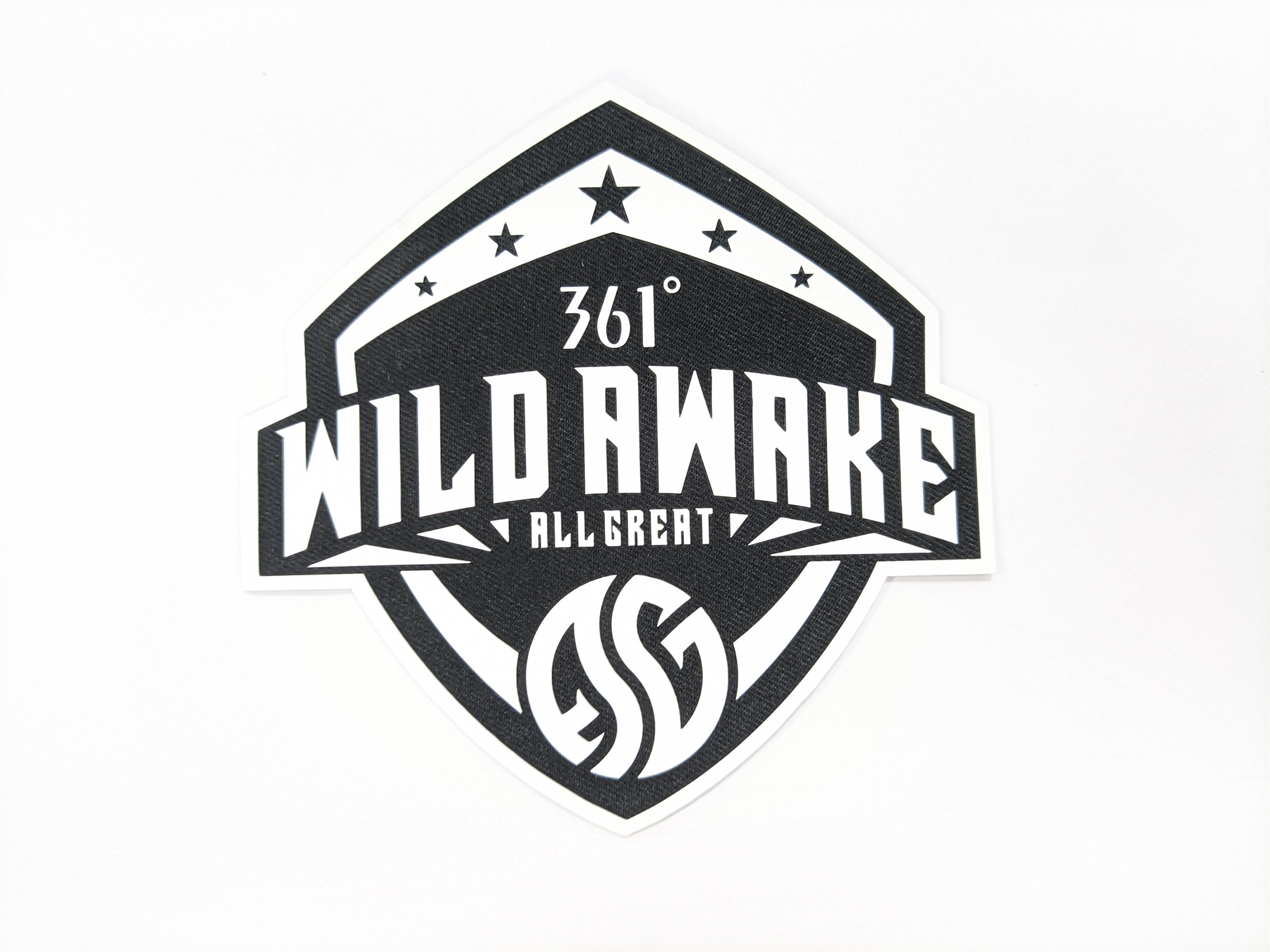
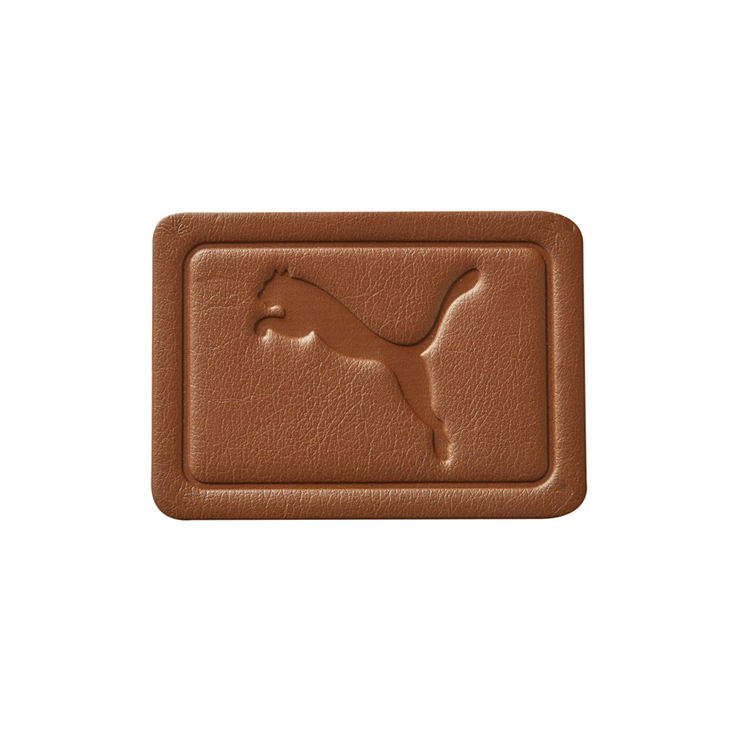
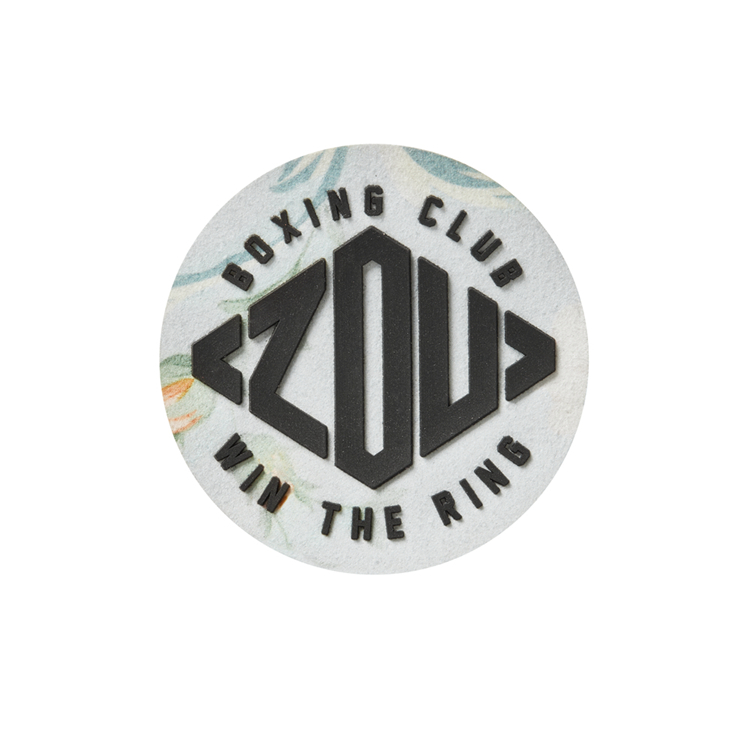
The front face of these patches can be crafted from a variety of premium materials, allowing for limitless creativity. From classic embroidery to modern 3D PVC, the options are vast.
Table 1: Material Variations of Heat Press Patches
| Patch Material | Visual & Tactile Characteristics | Durability Level | Best Suited For |
|---|---|---|---|
| Embroidered | Classic, textured, traditional look with raised threads. | High | Corporate logos, military uniforms, classic jackets. |
| Woven | Flat, smooth, highly detailed, allows for intricate small text. | Very High | Complex designs, small brand tags, detailed artwork. |
| PVC / Rubber | 3D raised effect, vibrant colors, waterproof, modern feel. | Extremely High | Outdoor gear, tactical equipment, motorcycle apparel. |
| Chenille | Fuzzy, soft, vintage "varsity" aesthetic, thick texture. | Moderate | Letterman jackets, sports team merchandise, retro fashion. |
| Printed Fabric | Photographic quality, smooth surface, full-color gradients. | High | Complex multi-color logos, photographic images, event promos. |
Where Can You Apply Heat Press Patches for Maximum Impact?
One of the most significant advantages of heat press patches is their incredible versatility. Because they do not require piercing the fabric with a needle, they can be applied to a much wider range of materials without compromising the structural integrity of the base item. Here is a detailed look at the primary application areas where these patches truly shine.
Corporate Uniforms and Professional Workwear: Businesses use heat press patches to instill a sense of professionalism and brand identity. They are perfect for adding company logos to polo shirts, aprons, and jackets. Since they do not leave an ugly thread backing on the inside of the garment, they are ideal for lightweight corporate uniforms where comfort is a priority.
Sports Teams and Athletic Apparel: From local little league teams to professional athletic clubs, heat press patches are the go-to choice for team branding. They are applied to jerseys, warm-up suits, and gym bags. The flexibility of the heat-activated adhesive ensures that the patch moves with the athlete, preventing cracking or peeling during intense physical activities.
Outdoor, Tactical, and Survival Gear: The outdoor industry heavily relies on durable customization. PVC heat press patches are frequently applied to heavy-duty canvas backpacks, tactical vests, tent repairs, and waterproof jackets. Their resistance to water, mud, and extreme temperatures makes them indispensable in this sector.
Fashion Streetwear and Accessories: In the fast-paced world of streetwear, customization is key. Independent designers and fashion brands use heat press patches to create limited-edition runs on denim jackets, beanies, tote bags, and sneakers. The ability to quickly apply patches allows for rapid prototyping and agile fashion production.
Table 2: Ideal Applications for Heat Press Patches by Industry
| Industry Sector | Primary Application Items | Recommended Patch Style | Key Benefit in This Sector |
|---|---|---|---|
| Corporate & Hospitality | Polo shirts, aprons, blazers, lanyards | Woven or Thin Embroidered | Clean finish, comfortable against the skin, professional look. |
| Sports & Athletics | Jerseys, duffel bags, caps, windbreakers | Embroidered or Chenille | Flexible bond, withstands frequent washing and sweat. |
| Outdoor & Tactical | Backpacks, combat shirts, knee pads, tents | 3D PVC or Heavy Embroidered | Waterproof, rugged, survives harsh environmental conditions. |
| Fashion & Retail | Denim jackets, hoodies, sneakers, tote bags | Chenille, Printed, or PVC | Trendy aesthetics, allows for rapid design changes and limited drops. |

What Transformative Effects Do Heat Press Patches Bring to Your Items?
Applying heat press patches is not just about sticking a logo onto a piece of fabric; it fundamentally alters the perception, utility, and lifespan of the item. The transformative effects are both visual and practical.
Instant Brand Elevation and Professionalism: A plain, unbranded garment instantly transforms into a premium piece of merchandise when adorned with a high-quality heat press patch. The raised texture and vibrant colors catch the eye, creating a strong visual hierarchy. For businesses, this translates to increased brand recall and a perception of higher quality.
Enhanced Durability and Upcycling Potential: Patches are not just for decoration; they are excellent for reinforcement. If a jacket suffers a minor tear, a stain, or burn marks, a strategically placed heat press patch can completely cover the flaw, effectively upcycling and extending the life of the garment. This is highly popular in the sustainable fashion movement and among outdoor enthusiasts repairing gear in the field.
Creation of a Unique Tactile Experience: Unlike flat screen printing, heat press patches offer a three-dimensional, tactile experience. When a customer or colleague runs their fingers over an embroidered or PVC patch, they feel the quality and craftsmanship. This physical interaction creates a deeper psychological connection with the brand or team.
Fostering Team Unity and Belonging: For organizations, schools, and military units, wearing a uniform with a specific heat press patch fosters a profound sense of belonging. It visually unites a diverse group of individuals under a single identity, boosting morale and team cohesion.
How Do Heat Press Patches Outperform Traditional Embroidery and Printing?
To truly appreciate the value of heat press patches, we must compare them to traditional customization methods. While direct embroidery, screen printing, and sewing on patches have their places, heat press patches offer a superior balance of efficiency, quality, and cost-effectiveness.
Versus Direct Embroidery: Direct embroidery involves stitching the design directly into the garment. While durable, it can cause thin or stretchy fabrics to pucker and warp. Furthermore, direct embroidery leaves a messy thread backing on the inside of the shirt, which can be uncomfortable against the skin. Heat press patches solve both issues. They provide a stiff, stable backing that prevents fabric puckering and leave the inside of the garment completely smooth and comfortable.
Versus Screen Printing: Screen printing is excellent for large, flat designs but falls short in durability and detail. Over time, screen-printed ink tends to crack, fade, or peel after multiple wash cycles. It also struggles with intricate details or small text. Heat press patches, especially embroidered or woven ones, maintain their structural integrity and color vibrancy for years. They do not crack because the patch itself is a solid piece of material.
Versus Traditional Sew-On Patches: Sew-on patches require skilled labor, time, and expensive sewing machinery. If a patch gets damaged, removing it requires cutting threads, which can ruin the base fabric. Heat press patches can be applied in seconds using a heat press machine, drastically reducing labor costs. If a mistake is made, many heat press adhesives can be carefully reheated and repositioned before fully cooling.
Table 3: Heat Press Patches vs. Traditional Customization Methods
| Feature | Heat Press Patches | Direct Embroidery | Screen Printing | Sew-On Patches |
|---|---|---|---|---|
| Application Speed | Extremely Fast (Seconds) | Slow (Minutes per item) | Fast (Once screens are set) | Very Slow (Requires sewing) |
| Fabric Compatibility | Excellent (Even thin/delicate) | Poor on thin fabrics (Causes puckering) | Good on flat cotton only | Good, but requires thick fabric |
| Interior Comfort | Smooth (No thread backing) | Rough (Thread backing visible) | Smooth (Thin ink layer) | Rough (Thread backing visible) |
| Durability & Washability | Extremely High (Won't crack) | Very High | Moderate (Can crack/peel) | Very High (But can fray at edges) |
| Labor & Production Cost | Low (Minimal manual labor) | High (Machine time & setup) | Low for bulk, High for small runs | Very High (Manual sewing labor) |
Frequently Asked Questions About Heat Press Patches
To ensure you get the absolute best results from your customization projects, we have compiled the most common questions regarding heat press patches.
Q1: How long do heat press patches last on clothing?
When applied correctly using the right temperature, pressure, and time, heat press patches are incredibly durable. They can easily withstand 50 to 100 industrial wash cycles without peeling, fading, or losing their adhesive bond. To maximize their lifespan, it is always recommended to wash the garment inside out in cold water and tumble dry on low heat.
Q2: Can I apply heat press patches to any type of fabric?
While heat press patches are highly versatile, they work best on cotton, polyester, cotton-poly blends, and denim. They adhere poorly to fabrics that cannot withstand high heat, such as nylon, rayon, or certain waterproof coatings, as the base fabric might melt or burn before the adhesive activates. Always test a small, inconspicuous area first when working with synthetic blends.
Q3: What is the ideal temperature and time for applying them?
The exact settings depend on the specific adhesive used by the manufacturer, but the general sweet spot for most heat press patches is a temperature between 270°F and 300°F (130°C - 150°C). The pressing time should be around 10 to 15 seconds with medium to heavy pressure. For an extra secure bond, many professionals recommend a "cold peel" method: pressing the patch, letting it cool completely, and then doing a second press for 5 seconds.
Q4: Are heat press patches waterproof?
The patch material itself determines water resistance. PVC and rubber heat press patches are 100% waterproof and ideal for outdoor gear. Embroidered and woven patches are highly water-resistant, but the threads can absorb a small amount of moisture. However, the heat-activated adhesive bond itself is completely waterproof once cured, meaning the patch will not wash off in the rain or the washing machine.
Q5: Can I remove a heat press patch if I make a mistake?
Yes, but it requires care. If you catch the mistake before the adhesive fully cools, you can simply lift the edge and reposition it. If the patch is already fully cooled and set, you can remove it by reheating it with a heat press or a heavy iron to melt the glue again, then carefully peeling it off with tweezers. Any residual glue left on the fabric can be removed using a specialized adhesive remover or by applying heat and rolling it off with your finger.
Why Iron On Name Labels Continue to Be the Preferred Choice for Everyday Clothing Organization