

Printed Labels Fade and Fray. Woven is Forever
Shop our selection of woven size labels, crafted for quality and style. Perfect for all types of clothing, helping your brand make a lasting impression.
When it comes to branding, durability, and long-term identity in the world of textiles and apparel, one element stands out as both functional and essential: the label. While printed labels may be common due to their cost-effectiveness and ease of production, they often come with a significant drawback—fading, fraying, and ultimately failing over time. In contrast, woven labels offer a more resilient, high-quality alternative that not only lasts longer but also enhances the overall feel and perception of a product.
In this article, we will explore why woven labels are a superior choice for many businesses, especially those looking to build brand recognition, maintain product integrity, and provide a premium customer experience.
The Limitations of Printed Labels
Printed labels are widely used across industries because they allow for quick customization and vibrant designs. However, their practicality diminishes over time. Exposure to washing, friction, sunlight, and general wear can cause printed labels to fade, crack, or peel off entirely. This not only affects the aesthetics of the product but also compromises its traceability and brand identity.
For example, imagine a garment labeled with care instructions and a brand logo. After just a few washes, the ink starts to run, the text becomes illegible, and the logo loses its clarity. From a consumer perspective, this can create an impression of low quality or poor attention to detail—even if the actual product is well-made.
Moreover, printed labels often use materials like paper or heat-transfer film, which are inherently less durable than fabric-based alternatives. This makes them unsuitable for products that undergo frequent use or exposure to harsh conditions.
Why Woven Labels Outperform
Woven labels, on the other hand, are made from threads interlaced together to form text, logos, or patterns directly into the fabric. This process creates a permanent design that won’t fade, peel, or degrade under normal usage conditions. Unlike printed labels, woven labels become part of the material itself, making them incredibly resistant to wear and tear.
The benefits of woven labels extend beyond durability:
- Longevity : They remain intact through countless washes and uses.
- Professional Appearance : Woven labels have a clean, upscale look that enhances brand image.
- Versatility : Available in various colors, sizes, and styles, woven labels can be customized to match any brand aesthetic.
- Comfort : Since they’re made from soft fabric, woven labels are gentle against the skin, making them ideal for clothing and accessories.
From luxury fashion houses to small independent designers, woven labels are increasingly being adopted as a mark of quality and craftsmanship.
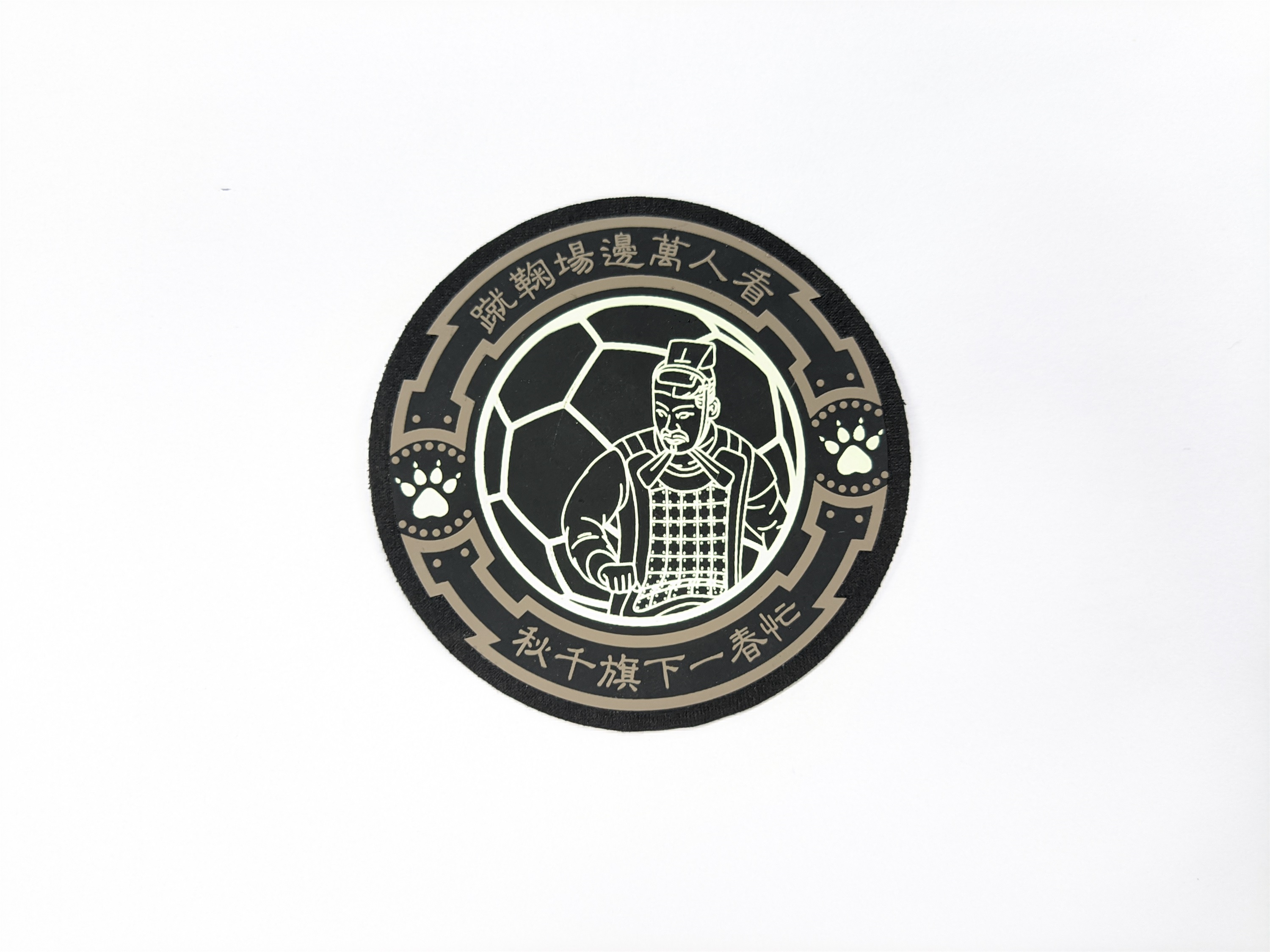
Types of Woven Labels and Their Uses
Not all woven labels are created equal. There are several types, each suited for different applications and design needs:
1. Taffeta Labels
Taffeta labels are known for their crisp texture and shiny finish. They produce sharp, clear text and are commonly used in garments where a visible brand tag is desired. These labels are popular among fashion brands and are often sewn onto the inside back neck of shirts or dresses.
2. Satin Labels
Softer and smoother than taffeta, satin labels offer a luxurious feel. They are perfect for high-end products where comfort and elegance are key. Satin labels are often used in loungewear, sleepwear, and premium activewear.
3. Dobby Labels
Dobby labels feature intricate patterns woven directly into the fabric. They are more complex to produce but offer a unique, textured appearance. Dobby labels are ideal for brands that want to incorporate subtle design elements into their tags without relying solely on color or font.
4. Jacquard Labels
Jacquard weaving allows for highly detailed images and multicolored designs. These labels are often used in designer fashion and accessories to display logos or elaborate graphics with precision.
5. Care Labels
While not always decorative, woven care labels provide critical information about washing, drying, and ironing instructions. Unlike printed versions, woven care labels remain legible for the life of the product, ensuring users always know how to maintain it properly.
Choosing the Right Label for Your Brand
Selecting the appropriate label type depends on your brand’s identity, the product you’re labeling, and the message you want to convey. For instance:
- A minimalist lifestyle brand might opt for a simple taffeta label with a clean font.
- A luxury fashion line could choose jacquard labels with metallic threads to reflect sophistication.
- An eco-conscious brand might prefer organic cotton woven labels to align with sustainability values.
Additionally, many companies combine different types of woven labels within a single product—for example, using a branded taffeta label alongside a separate woven care instruction tag.
When confronted with the task of producing intricate design drafts of the highest quality, PEPHAWK is here to provide the perfect solution. With over 16 years of industry experience and our esteemed general manager boasting 31 years of expertise in the silicone industry, we are the ultimate choice for tackling your challenging logo design projects. Select PEPHAWK for our unmatched proficiency and rest assured in the impeccable outcomes we consistently deliver.
Look Like a Major Brand, Without a Single Stitch
Boring Zipper? Give It Some Personality



