

Woven vs. Embroidered Patches: A Comprehensive Guide to Choosing the Right Patch for Your Project
Discover high-quality woven patches for every occasion. Customize your designs and showcase your unique style with our durable and vibrant patches.
When it comes to custom patches, the options can feel overwhelming. Woven and embroidered patches are two of the most popular choices, each with its own unique characteristics, advantages, and limitations. Whether you’re designing patches for uniforms, branding, or personalization, understanding the differences between these two types is crucial to making an informed decision. In this guide, we’ll break down everything you need to know about woven and embroidered patches, from their manufacturing processes to their applications, so you can determine which type best suits your needs.
What Are Woven Patches?
Woven patches are created by interlacing threads—called the warp (horizontal) and weft (vertical)—to form a custom design. Unlike embroidered patches, woven patches do not require a base fabric. Instead, the threads themselves create the patch’s structure. This weaving process allows for intricate details and fine lines, making woven patches ideal for designs that demand precision.
Key Characteristics of Woven Patches
- Smooth Surface: Woven patches have a flat, sleek finish without raised textures.
- High Detailing: Thin threads enable complex designs, small lettering, and photo-realistic images.
- Lightweight: Without a base fabric, woven patches are thinner and more flexible than embroidered patches.
What Are Embroidered Patches?
Embroidered patches are crafted by stitching colored threads onto a base fabric, such as polyester twill, felt, or nylon. The embroidery machine follows a digitized design to create a textured, three-dimensional look. These patches are known for their bold, vibrant appearance and classic appeal.
Key Characteristics of Embroidered Patches
- Textured Finish: Raised stitches give embroidered patches a tactile, 3D effect.
- Bold and Vibrant: Thick threads make colors pop, creating eye-catching designs.
- Durability: The combination of sturdy base fabric and thick threads ensures longevity.
The Manufacturing Process: How They’re Made
Embroidered Patches
The process begins with selecting a base fabric, which is loaded into an embroidery machine. Threads are arranged according to the design, and the machine stitches the pattern onto the fabric. Once complete, the patch is cut to shape, and optional borders (like merrowed edges) are added for finishing touches.
Woven Patches
Woven patches are created by weaving threads together directly, without a base fabric. The quality of a woven patch depends on its thread count (measured in threads per inch, or TPI) and the number of intersections per square inch. Higher TPI results in finer details and stronger patches.
Raw Materials: What Sets Them Apart
Embroidered Patches
- Threads: Typically made from thick rayon or polyester, which creates a textured, 3D effect.
- Base Fabric: Requires a backing material like polyester twill or felt.
- Limitations: Complex designs with thin details may appear messy due to the thickness of the threads.
Woven Patches
- Threads: Often made from satin, damask, or polyester, which are thinner and finer, allowing for richer detailing.
- No Base Fabric: Eliminates bulk, making woven patches lightweight and versatile.
- Advantages: Ideal for intricate designs, small text, and gradients.
Design Considerations: Which Type Suits Your Artwork?
Choosing between woven and embroidered patches largely depends on your design:
Embroidered Patches
- Best for bold, simple designs with thick lines and minimal detail.
- Not suitable for overly complex artwork, small text, or gradients, as the thick threads may obscure fine details.
Woven Patches
- Perfect for intricate designs, small lettering, and photo-realistic images.
- High TPI machines ensure crisp, clean results, even for highly detailed artwork.
Versatility and Flexibility
Embroidered Patches
- Thicker and more rigid due to the base fabric and dense stitching.
- Excellent for hats, jackets, backpacks, and jeans where a bold, textured look is desired.
- Limited flexibility for complex designs.
Woven Patches
- Lightweight and flexible, making them suitable for both outerwear and delicate fabrics.
- Can double as labels for clothing, such as washing instructions or branding tags.
- Versatile enough for any application requiring fine details.
Look and Feel: Texture Matters
Embroidered Patches
- Classic, textured appearance with a 3D look.
- Borders can be customized with merrowed or stitched edges.
- Popular for casual fashion, uniforms, and promotional items.
Woven Patches
- Flat, smooth surface with no raised textures.
- Merrowed borders can be added for durability.
- Ideal for formal clothing and minimalist aesthetics.
Dimensional Features
Embroidered Patches
- Three-dimensional texture adds depth and visual appeal.
- Great for designs that benefit from a tactile, eye-catching finish.
Woven Patches
- One-dimensional, lacking the raised texture of embroidered patches.
- Best for designs where precision and clarity take precedence over dimensionality.
Cost Comparison
Embroidered Patches
- More expensive due to the cost of materials (base fabric and thick threads) and slower production speeds on single-head machines.
- Multi-head machines improve efficiency but still result in higher costs compared to woven patches.
Woven Patches
- Economical to produce, thanks to the absence of base fabric and faster weaving processes.
- Large orders can be handled efficiently, reducing per-unit costs significantly.
Production Time
Both types of patches generally require the same production time, typically 12–14 days. Rush orders may be accommodated depending on the supplier.
Durability: Built to Last
Both woven and embroidered patches are durable, provided they are manufactured using high-quality materials and processes. Factors like raw materials, stitching techniques, and backing options play a significant role in determining longevity.
Applications: Where Do They Shine?
Embroidered Patches
- Casual fashion (t-shirts, hats, backpacks).
- Uniforms and sports teams.
- Promotional merchandise.
Woven Patches
- Formal clothing.
- Branding labels and instructional tags.
- Projects requiring intricate designs or small text.
When confronted with the task of producing intricate design drafts of the highest quality, PEPHAWK is here to provide the perfect solution. With over 16 years of industry experience and our esteemed general manager boasting 31 years of expertise in the silicone industry, we are the ultimate choice for tackling your challenging logo design projects. Select PEPHAWK for our unmatched proficiency and rest assured in the impeccable outcomes we consistently deliver.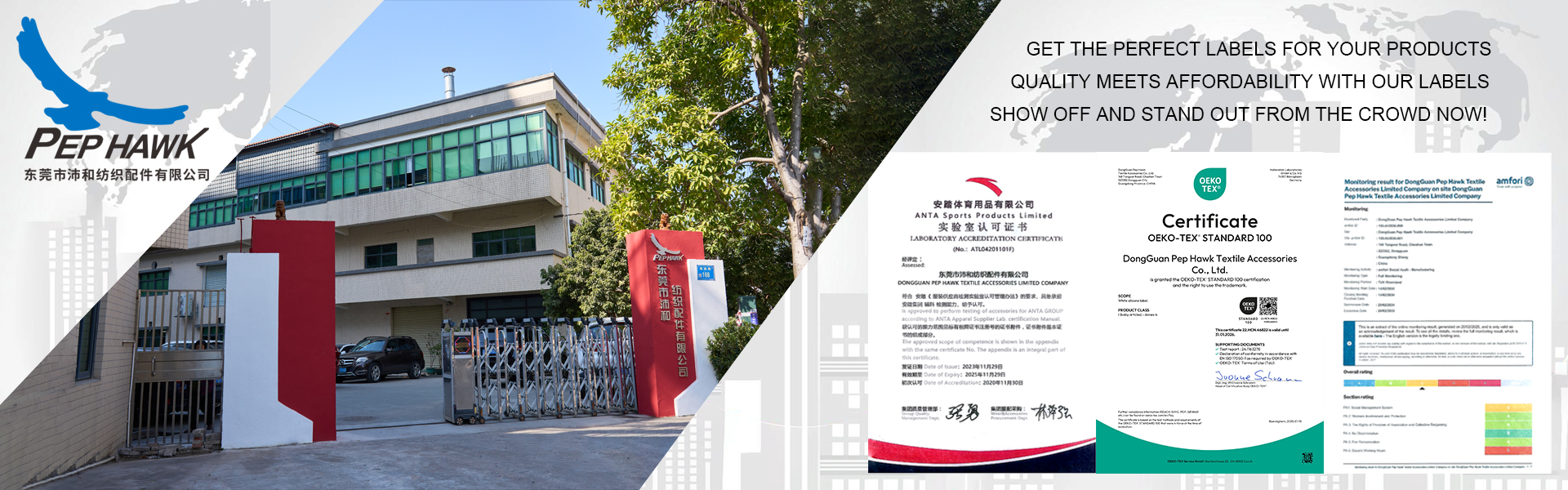
Coat Patches: The Ultimate Guide to Adding Style, Functionality, and Personalization
Dye Sublimation Patches: The Ultimate Fusion of Art and Functionality



