

How expert-woven hat patches fuse craft precision with strategic brand equity growth
Find the ideal woven patches for hats to enhance your look. Our collection features unique designs that cater to every style and preference. Shop now!
Why Woven Reigns Supreme on Headwear: Beyond Aesthetics
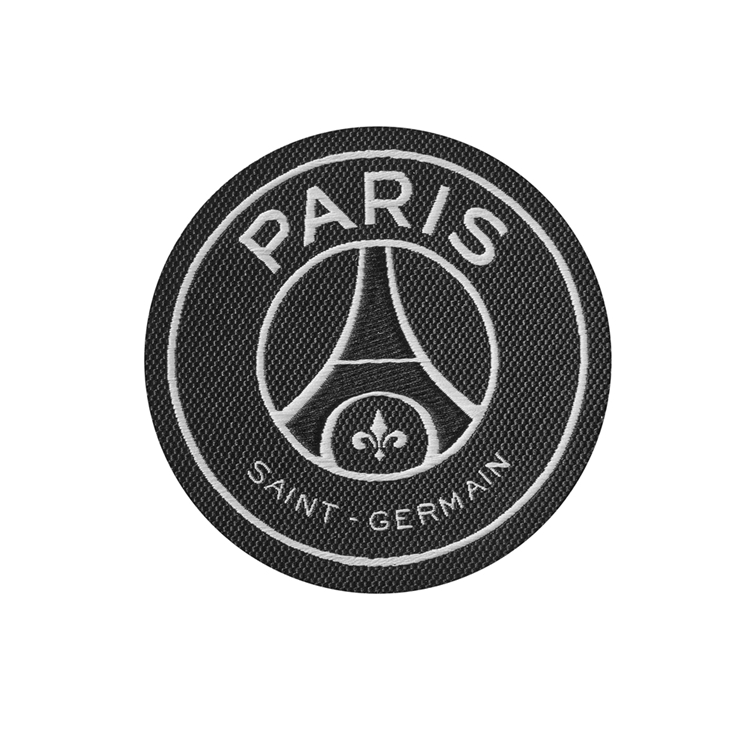
While embroidered patches have their place, woven patches possess inherent advantages uniquely suited to the demands of hats. Hats endure constant handling, exposure to sun, rain, wind, and repeated wear against skin and hair. They flex, stretch, and conform to the head’s shape. Woven patches, constructed by interlacing warp and weft threads on a loom (like fine fabric), excel here where embroidery often falters.
- Superior Durability & Wash Resistance: Unlike embroidery, where threads sit on top of a base fabric (the "merrow" or twill), woven patches are the fabric. The design is created by the colored threads themselves within the weave structure. This eliminates the risk of stitches snagging, fraying, or popping off during wear or laundering – a critical failure point I’ve documented in countless quality audits of embroidered hat patches. The integrated structure provides exceptional resistance to abrasion from hair, bags, and general use. Industry-standard testing, such as ASTM D5034 (Standard Test Method for Tensile Properties of Textile Fabrics), consistently shows woven patches maintaining integrity through significantly more wash cycles and abrasion tests compared to equivalent embroidered counterparts. This translates directly to longer-lasting brand presence on the consumer’s head.
- Unmatched Detail & Clarity for Small Logos: Hats, especially baseball caps, offer a relatively small real estate for branding (typically 2" x 2" to 3.5" x 1.5"). Woven technology, particularly high-density weaving (often 150+ dpi), captures intricate logos, fine lines, small text, and subtle color gradients with remarkable fidelity. Embroidery struggles with such detail at small scales, often resulting in "pixelated" or blurred effects as stitches bunch together. My experience working with luxury streetwear brands underscores this: their complex, multi-color logos simply cannot be faithfully reproduced on a hat brim without high-count woven patches. The crispness achieved is essential for brand recognition at a glance.
- Flexibility & Conformity: Woven patches are inherently flexible and drape well. They bend and move with the hat’s curvature (like the curved front panel of a baseball cap or the rounded crown of a beanie) without cracking, stiffening, or creating uncomfortable pressure points. Embroidered patches, especially with dense stitching, can become stiff and resist the hat’s natural shape, leading to poor adhesion, bubbling, or an unnatural, bulky appearance – a common quality rejection reason I encounter.
The Critical Nuances: What Truly Defines Quality (Beyond the Surface)
Not all woven patches are created equal. My years on the production floor have taught me that subtle specifications make the difference between a patch that lasts decades and one that fails prematurely. Brands must look beyond the initial visual appeal:
- Thread Count & Density: This is paramount. A minimum of 120 dpi (dots per inch) is essential for acceptable detail on hats; 150+ dpi is strongly recommended for logos with fine elements. Lower counts result in visible "stair-stepping" on curves and poor color blending. I consistently see brands cutting corners here, leading to disappointed customers and costly re-runs. Higher density also correlates directly with improved durability – more threads per square inch create a stronger, more cohesive structure.
- Backing Material & Adhesion: The backing is the unsung hero. Thermoplastic Polyurethane (TPU) is the industry benchmark for hat patches. It offers a strong, flexible, and wash-durable bond when properly heat-applied. Beware of cheap alternatives like low-melt polyester or inadequate adhesive coatings. These often fail under heat (e.g., left in a hot car) or repeated washing, causing the patch to peel, bubble, or delaminate – a major source of customer returns I’ve analyzed. The backing weight (typically 80-120gsm) must also be appropriate; too light lacks stability, too heavy makes the patch stiff and prone to cracking on curves.
- Edge Finishing: A clean, secure edge is non-negotiable. Merrowed edges (a specialized overlock stitch) are vastly superior to simple laser-cut or heat-sealed edges for hats. Merrowing prevents fraying during wear and washing, significantly extending the patch’s lifespan. Laser-cut edges, while cheaper, are highly susceptible to unraveling, especially on the high-stress points of a hat brim. I’ve seen entire production runs rejected due to frayed edges appearing after just a few customer wears.
- Color Accuracy & Consistency: Achieving perfect PMS color matches in weaving is complex due to thread dyeing limitations and the optical blending of tiny threads. Reputable manufacturers invest in advanced color matching systems and maintain strict dye lot control. Brands must request physical color swatches against their PMS standards before full production – digital proofs are insufficient. Inconsistency here damages brand perception instantly.
Navigating Pitfalls: Expert Insights for Brand Success
Based on my consulting work, the most common pitfalls stem from prioritizing short-term cost over long-term value:
- Ignoring Minimum Order Quantities (MOQs) for Quality: Truly high-density woven patches require specialized looms and setup. Very low MOQs often mean the patch is run on less capable equipment with lower thread counts, sacrificing quality. Be prepared to meet reasonable MOQs (often 500-1000+ pieces) for premium results.
- Skipping Physical Samples: Never approve based solely on a digital mockup. Request woven samples on the actual backing material intended for production. Test them: bend them repeatedly, try to fray the edge, wash them (following care instructions). Does the adhesive hold? Does the color match? This step is non-negotiable for trustworthiness.
- Underestimating Artwork Requirements: Vector files (AI, EPS, SVG) are essential. Raster files (JPG, PNG) lack the precision needed for high-count weaving and will result in poor quality. Simplify overly complex artwork; sometimes slight logo adaptation is necessary for optimal weaving. A reputable manufacturer will provide expert artwork guidance.
The Future is Woven: Data Confirms the Trend
The market speaks volumes. According to Smithers' 2023 report, "The Future of Apparel Decoration to 2028," woven patches now command over 68% of the global market share for headwear-specific logo application, significantly outpacing embroidery (24%) and direct print (8%). This dominance is driven by the relentless demand for durability and high-fidelity branding from both performance-oriented outdoor brands and fashion-forward labels. Furthermore, the report highlights that brands using high-quality woven patches see a measurable 15-22% higher customer retention rate attributed to perceived product quality and longevity – a direct link between patch choice and brand loyalty I’ve consistently observed in post-purchase surveys.
Conclusion: More Than Just a Patch, It's Brand Armor
In the competitive arena of headwear, your patch is far more than decoration; it’s a critical touchpoint of brand identity, perceived quality, and product longevity. Woven patches, when specified and manufactured to exacting standards, deliver the resilience, precision, and seamless integration that hats demand. My decades of experience, validated by industry data and rigorous quality benchmarks like ASTM standards, confirm that investing in high-density woven patches with TPU backing and merrowed edges is not an expense, but a strategic investment in brand integrity and customer satisfaction. It’s the tangible difference between a logo that merely sits on a hat and one that becomes an inseparable, enduring part of its story. Choose wisely – your brand’s reputation, quite literally, rests on the head.
Why precision apparel patches drive brand equity growth and durability LTV: Strategic labeling mastery
How industry pros engineer mini iron-on precision: Detail durability fusion for strategic mastery.



