Beyond the Label Debate: Why Sew-On Labels Reign Supreme in the Clothing Industry
Create a lasting impression with our custom woven labels. Ideal for fashion, home goods, and more, our labels combine quality and style for your brand.
In the world of fashion and apparel, labels are more than just small tags stitched or ironed onto fabric—they are a vital tool for branding, identification, and personalization. However, when it comes to choosing between sew-on and iron-on labels, opinions often diverge sharply. While some advocate for the convenience of iron-on labels, others champion the durability and versatility of sew-on options. This article will refute the notion that iron-on labels are superior and argue why sew-on labels are the better choice for most clothing businesses.
The Case Against Iron-On Labels
Iron-on labels have gained popularity due to their ease of application. With no sewing skills required, they seem like an attractive option for entrepreneurs looking to save time and effort. However, this convenience comes at a cost—literally and figuratively.
One major drawback of iron-on labels is their limited compatibility with certain fabrics. Heat-sensitive materials such as silk, polyester, and spandex can be damaged during the application process. Even if the label adheres initially, frequent washing and drying can cause peeling or lifting at the edges. For brands aiming to cater to a wide range of customers, this limitation poses a significant challenge.
Moreover, while iron-on labels may appear durable on paper, their longevity is questionable. Over time, the adhesive backing can weaken, especially after repeated exposure to heat, water, and detergents. This makes them less reliable for products intended for long-term use, such as uniforms, workwear, or high-end garments. Additionally, once applied, iron-on labels cannot be reused or repositioned without damaging both the label and the garment, adding another layer of inflexibility.
The Superiority of Sew-On Labels
Sew-on labels, on the other hand, offer unparalleled durability and adaptability. Unlike their iron-on counterparts, these labels are physically stitched into the fabric, ensuring a secure attachment that withstands the rigors of daily wear and industrial laundering. Whether you're dealing with delicate silks or rugged denim, sew-on labels provide a consistent level of quality and reliability.
Another advantage of sew-on labels is their customizability. From intricate embroidery to vibrant colors and unique shapes, sew-on labels allow designers to express their creativity fully. This flexibility enables brands to create distinctive, professional-looking labels that enhance the perceived value of their products. Furthermore, because sewing does not involve heat, there's no risk of damaging sensitive fabrics—a critical consideration for luxury items or specialized textiles.
While it's true that sew-on labels require more time and skill to apply, this investment pays off in the long run. The meticulous craftsmanship involved in sewing ensures a polished, seamless finish that enhances the overall aesthetic of the garment. Moreover, sew-on labels can be carefully removed and reapplied if needed, offering greater flexibility for repairs or alterations.
Addressing Common Misconceptions
Critics of sew-on labels often cite the need for sewing expertise as a barrier to entry. While it's undeniable that sewing requires some level of skill, modern technology has made this process much more accessible. Automated sewing machines and outsourcing options allow even small-scale businesses to incorporate sew-on labels efficiently. Additionally, the initial learning curve is outweighed by the benefits of producing higher-quality, longer-lasting products.
Another common misconception is that sew-on labels are prohibitively expensive. While it's true that customization can increase costs, the premium quality and extended lifespan of sew-on labels justify the investment. Customers are willing to pay more for durable, well-crafted items, which ultimately boosts brand loyalty and profitability.
Making the Right Choice for Your Business
When deciding between sew-on and iron-on labels, consider your target audience, product type, and business goals. If you're manufacturing casual wear or fulfilling bulk orders quickly, iron-on labels might suffice. However, for businesses focused on building a reputable, high-quality brand, sew-on labels are the clear winner. Their unmatched durability, versatility, and professional appearance make them indispensable for creating garments that stand the test of time.
Conclusion
The debate over sew-on versus iron-on labels may continue, but the evidence overwhelmingly supports the superiority of sew-on options. By prioritizing durability, customizability, and fabric compatibility, sew-on labels empower clothing brands to deliver exceptional value to their customers. In an industry where first impressions matter, investing in high-quality labels isn't just a practical decision—it's a strategic move toward long-term success. So, the next time you're faced with the choice, remember: sew-on labels aren't just a label; they're a statement of excellence.
When confronted with the task of producing intricate design drafts of the highest quality, PEPHAWK is here to provide the perfect solution. With over 16 years of industry experience and our esteemed general manager boasting 31 years of expertise in the silicone industry, we are the ultimate choice for tackling your challenging logo design projects. Select PEPHAWK for our unmatched proficiency and rest assured in the impeccable outcomes we consistently deliver.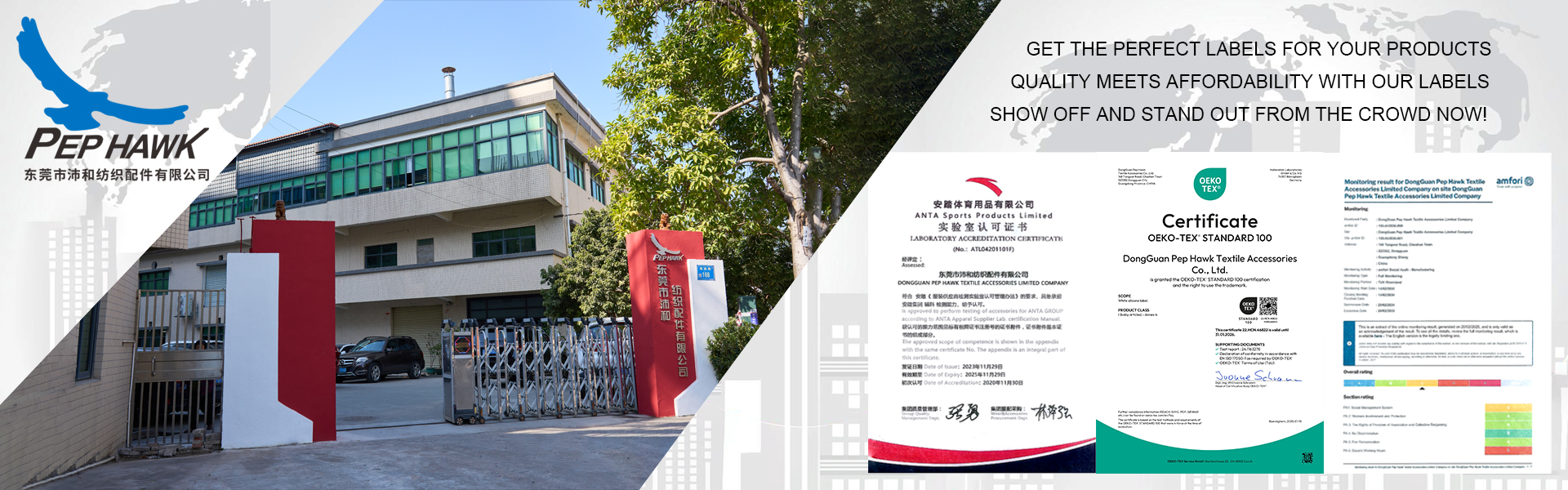
Why Embroidered Patches Outshine Woven Patches for Most Projects
Creative Applications of 3D Silicone Heat Transfer