A Comprehensive Guide to Woven Label Textures for Apparel Accessories
2025-12-24
While the text and logo on a label convey essential information, the texture of the woven label plays an equally pivotal role in shaping how consumers perceive a brand.
Table of Contents
I. Introduction
Woven label texture refers to the surface quality and tactile feel of a label created through the interlacing of warp and weft yarns, influenced by factors such as fiber type, weaving technique, and finishing processes. This texture not only affects the label’s visual appeal but also its functionality, durability, and compatibility with different apparel types.
The significance of texture in woven label design cannot be overstated. For consumers, the first interaction with a garment often involves touch, and a well-crafted woven label texture can enhance the perceived value of the product. A soft, luxurious texture may signal high quality, aligning with premium brand positioning, while a durable, rugged texture can convey reliability, suitable for sportswear or workwear. Additionally, texture contributes to brand differentiation in a crowded market. In an era where many brands use similar color schemes and logo designs, a unique woven texture can become a distinctive brand signature, fostering recognition and loyalty. Beyond brand identity, texture is closely linked to the practicality of the label. For example, a smooth, non-abrasive texture is essential for intimate apparel to avoid irritating the skin, while a water-resistant texture is necessary for outdoor gear exposed to harsh weather conditions.
This guide aims to provide a comprehensive overview of woven label textures, focusing on their classification by material base, weaving technique, and functional properties. It also explores how to match textures with different apparel types and highlights emerging trends in the field. Whether you are an apparel designer, brand manager, or label manufacturer, understanding the nuances of woven label textures will enable you to make informed decisions that elevate your products and resonate with your target audience.
II. Classification of Woven Label Textures by Material Base
The foundation of any woven label texture is the fiber material used in its construction. Different fibers possess unique physical properties—such as softness, gloss, strength, and breathability—that directly translate into distinct textures. Fibers can be broadly categorized into natural, synthetic, and blended types, each offering a range of texture options tailored to specific applications.
1. Natural Fiber-Based Textures
Natural fibers are derived from plants or animals, and their inherent properties create textures that are often associated with comfort, sustainability, and a organic aesthetic. These textures are particularly popular among brands focusing on casual wear, eco-friendly products, or artisanal designs.
1.1 Cotton Woven Texture
Cotton is one of the most widely used natural fibers for woven labels, prized for its softness and skin-friendly nature. The texture of cotton woven labels is characterized by a matte finish, subtle unevenness, and a warm, tactile feel. Unlike synthetic fibers, cotton yarns have slight variations in thickness, which contribute to a natural, unpolished surface that feels breathable and gentle against the skin. This texture is highly versatile, making it suitable for a wide range of apparel categories, including casual t-shirts, loungewear, denim, and eco-friendly clothing lines.
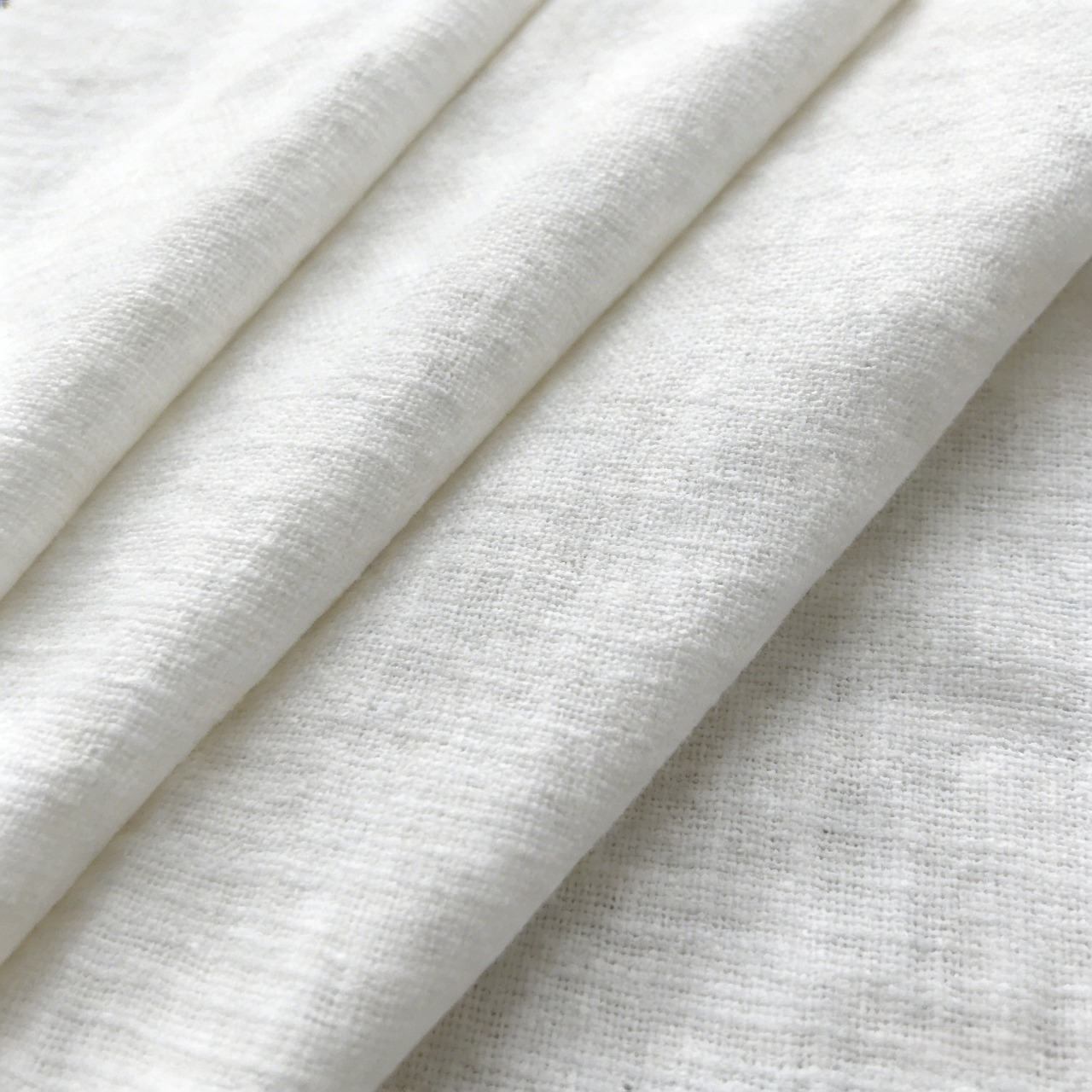
Brands that emphasize sustainability and comfort often opt for cotton woven labels. For example, organic clothing brands may use 100% organic cotton labels to align with their eco-conscious values, as the natural texture reinforces the brand’s commitment to natural materials. Additionally, cotton’s ability to absorb dyes well means that cotton woven labels can be produced in a variety of colors while maintaining their soft texture. However, it is worth noting that cotton labels may shrink slightly when exposed to high temperatures, so they are best suited for apparel that does not require frequent high-heat washing.
1.2 Linen Woven Texture
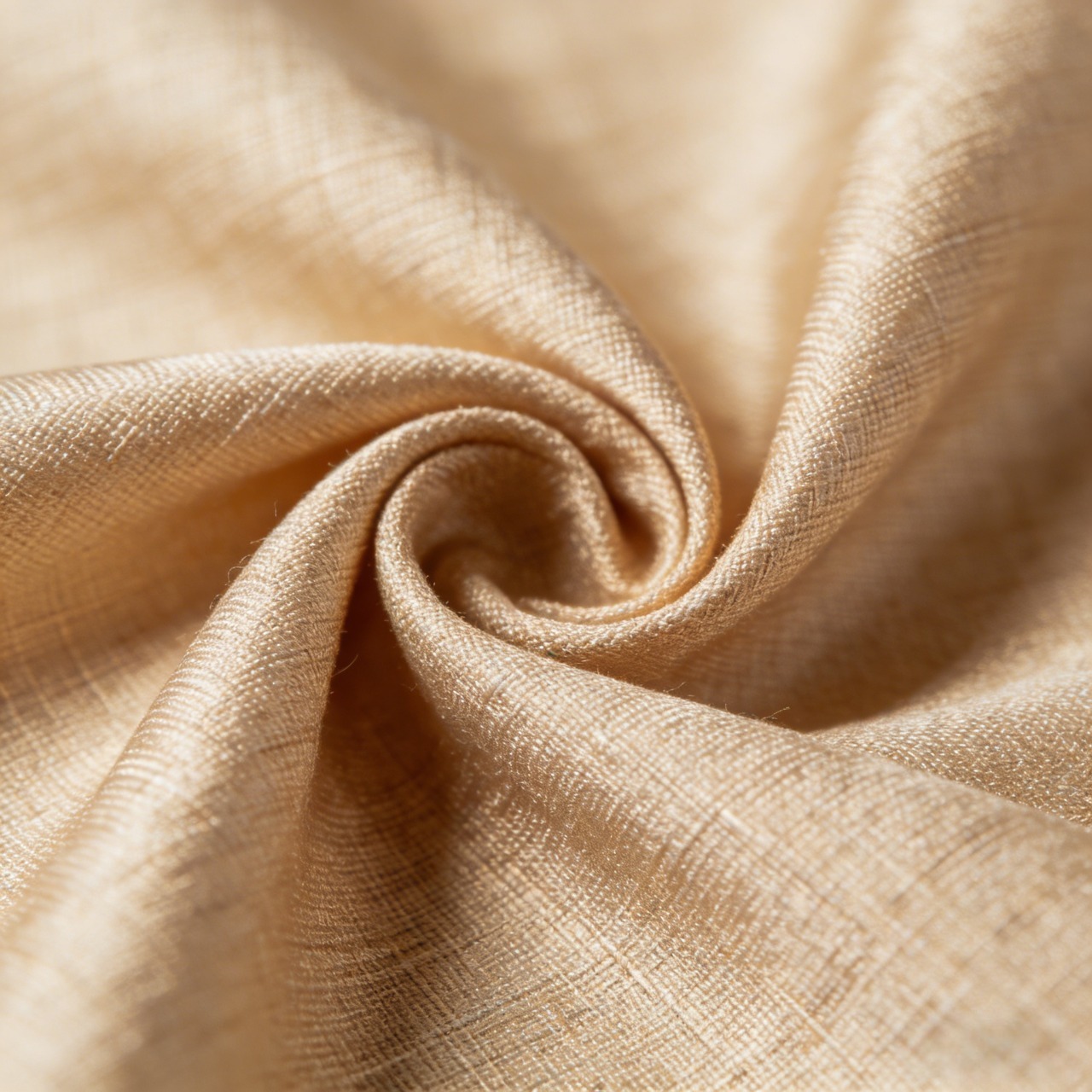
Linen, derived from the flax plant, offers a distinct texture that is crisp, lightweight, and characterized by visible yarn slubs. These slubs—small, thickened sections of the yarn—create a unique, textured surface that adds visual interest and a sense of authenticity to woven labels. Linen’s texture is dry to the touch, with high air permeability, making it ideal for summer apparel and high-end casual wear. Unlike cotton, linen has a natural luster that is more understated than synthetic fibers, giving labels a refined, elegant appearance.
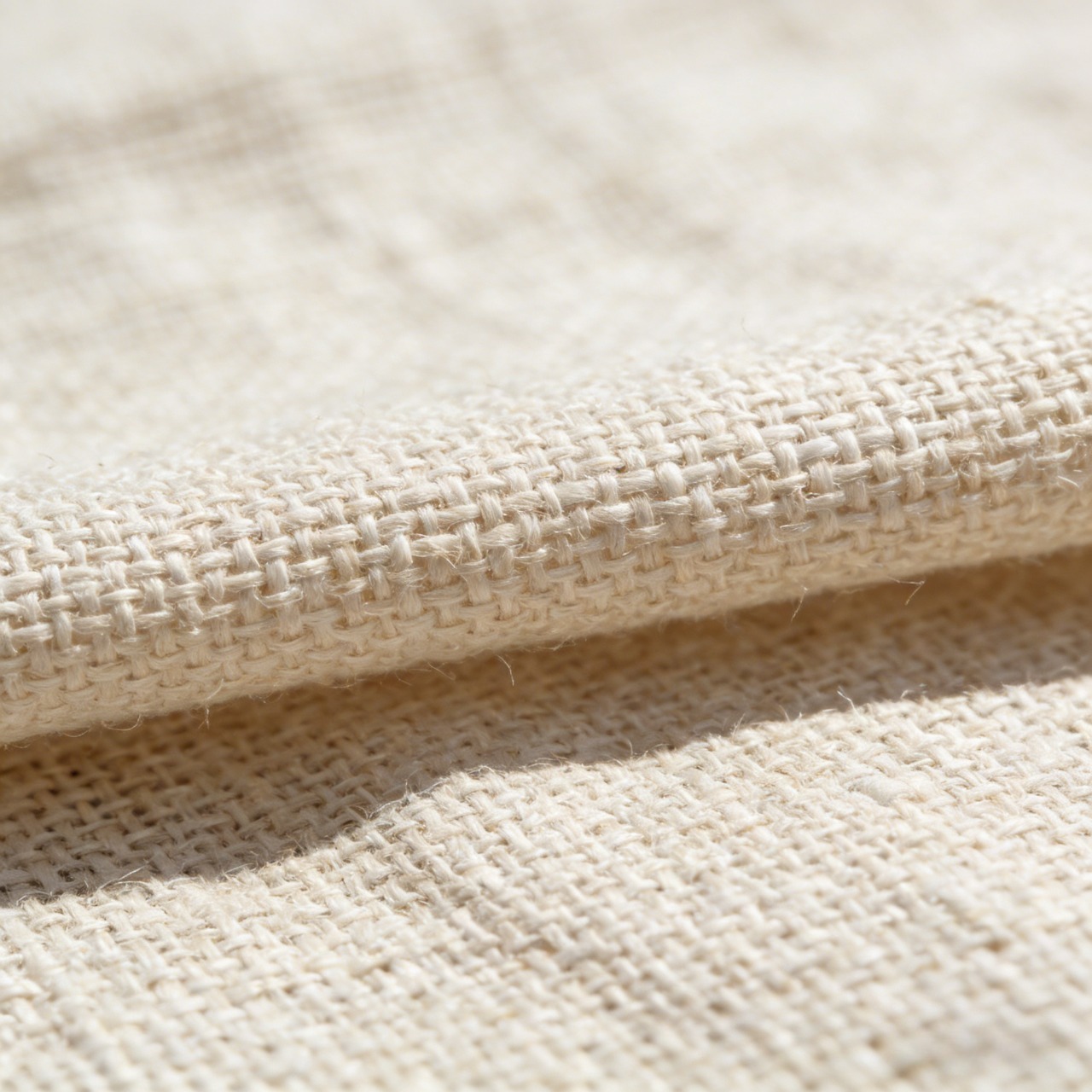
Linen woven labels are often used by brands that prioritize luxury and natural aesthetics, such as high-end resort wear brands or artisanal clothing lines. The crisp texture of linen complements lightweight fabrics like linen garments, silk, or cotton voile, creating a cohesive look and feel. However, linen is less soft than cotton and may feel slightly rough against sensitive skin, so it is typically used for outerwear labels or decorative tags rather than labels placed directly against the skin. Additionally, linen is prone to wrinkling, which can enhance its natural, relaxed texture but may not be suitable for brands requiring a perfectly smooth label appearance.
2. Synthetic Fiber-Based Textures
Synthetic fibers are man-made, often engineered to possess specific properties such as durability, color fastness, and water resistance. These fibers create textures that are typically more uniform, smooth, or glossy than natural fibers, making them ideal for sportswear, formal wear, and mass-market apparel where consistency and functionality are key.
2.1 Polyester Woven Texture
Polyester is the most common synthetic fiber used in woven labels, thanks to its durability, affordability, and versatility. The texture of polyester woven labels is smooth, uniform, and often slightly glossy, with a sleek, lightweight feel. Unlike natural fibers, polyester yarns are consistent in thickness, resulting in a even surface that is resistant to wrinkles, shrinkage, and fading. This uniformity makes polyester labels ideal for mass production, as they maintain a consistent appearance across large batches.
Polyester woven labels are widely used in sportswear, formal wear, and everyday apparel. For sportswear brands, polyester’s moisture-wicking properties and durability make it suitable for labels that need to withstand frequent washing and intense physical activity. Formal wear brands may use polyester satin weave labels to achieve a smooth, luxurious appearance without the high cost of natural silk. Additionally, polyester can be blended with other fibers or coated to enhance its texture—for example, a matte polyester label can be created by treating the yarns to reduce gloss, making it suitable for casual wear brands that want the durability of synthetic fibers with the aesthetic of natural fibers.
2.2 Nylon Woven Texture
Nylon is another popular synthetic fiber for woven labels, known for its high strength, elasticity, and glossy appearance. The texture of nylon woven labels is silky, smooth, and often more lustrous than polyester, with a subtle stretch that adds to its tactile appeal. Nylon yarns are fine and uniform, creating a delicate yet durable texture that is ideal for high-end apparel and accessories.
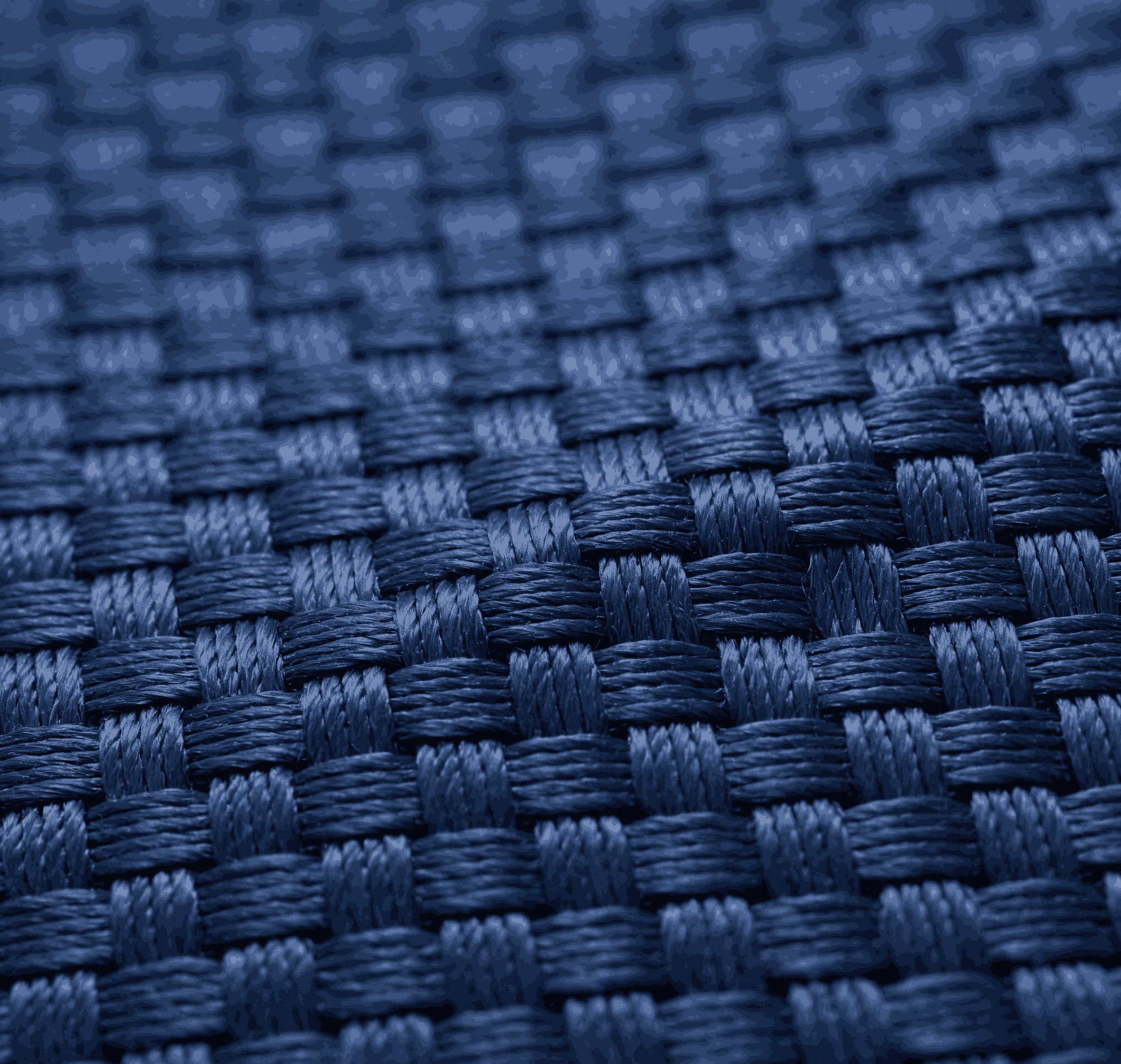
Nylon woven labels are commonly used in underwear, swimwear, and luxury accessories. Underwear brands value nylon’s soft, silky texture, which is gentle against the skin and does not cause irritation. Swimwear brands appreciate nylon’s water resistance and quick-drying properties, as well as its ability to maintain its shape and texture after exposure to chlorine and saltwater. Luxury accessory brands, such as handbag or shoe brands, may use nylon jacquard weave labels to create intricate, glossy patterns that enhance the premium feel of their products. However, nylon is more expensive than polyester, so it is typically reserved for higher-end applications where its unique texture and properties are justified.
3. Blended Fiber-Based Textures
Blended fibers combine the best properties of natural and synthetic fibers, creating textures that balance comfort, durability, and aesthetics. By blending fibers, manufacturers can tailor the texture of woven labels to meet specific requirements—for example, softness from cotton with the durability of polyester, or warmth from wool with the wrinkle resistance of synthetic fibers.
3.1 Cotton-Polyester Blended Texture
Cotton-polyester blends are the most common type of blended fibers used in woven labels. The texture of these labels is a balance of cotton’s softness and polyester’s smoothness, resulting in a label that feels smooth yet not slippery, with a slight matte finish. The cotton component adds comfort and breathability, while the polyester component enhances durability, reduces shrinkage, and improves color fastness. This makes cotton-polyester blended labels highly versatile, suitable for a wide range of apparel categories, including daily wear, workwear, and children’s clothing.
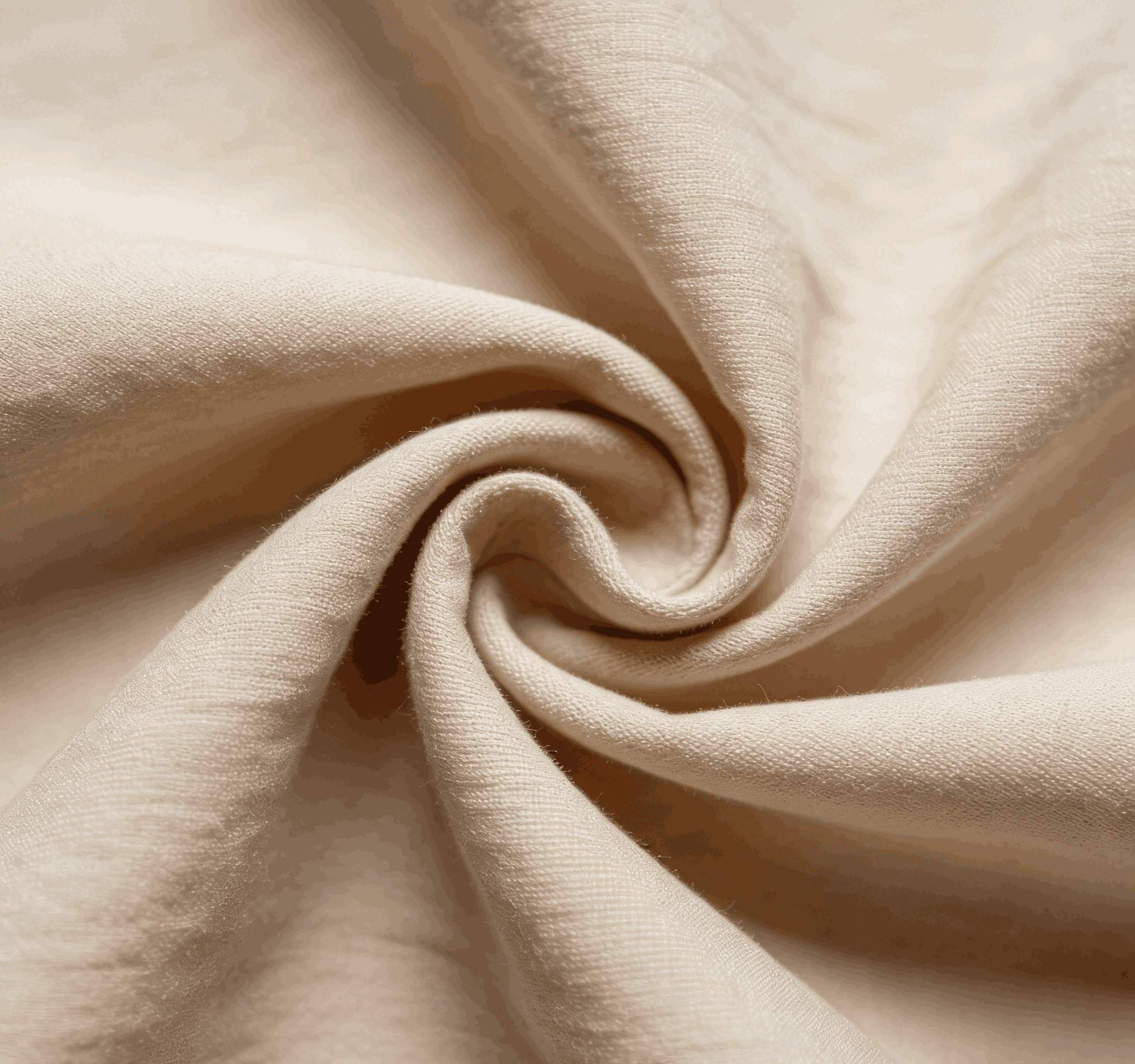
Workwear brands, in particular, favor cotton-polyester blended labels because they can withstand frequent washing and heavy use without losing their shape or texture. Children’s clothing brands appreciate the softness of the cotton component, which is gentle on sensitive skin, while the polyester component ensures that the labels remain intact even after repeated washes. Additionally, cotton-polyester blends are more affordable than 100% natural fibers, making them a cost-effective option for mass-market brands that want to balance quality and price.
3.2 Wool-Polyester Blended Texture
Wool-polyester blends are used to create woven labels with a warm, plush texture that exudes luxury. Wool contributes softness, warmth, and a premium appearance, while polyester adds durability, wrinkle resistance, and reduces the cost of the label. The texture of wool-polyester blended labels is thick, cozy, and slightly fuzzy, with a natural luster that enhances the premium feel of the product. These labels are ideal for winter wear, high-end outerwear, and luxury knitwear.
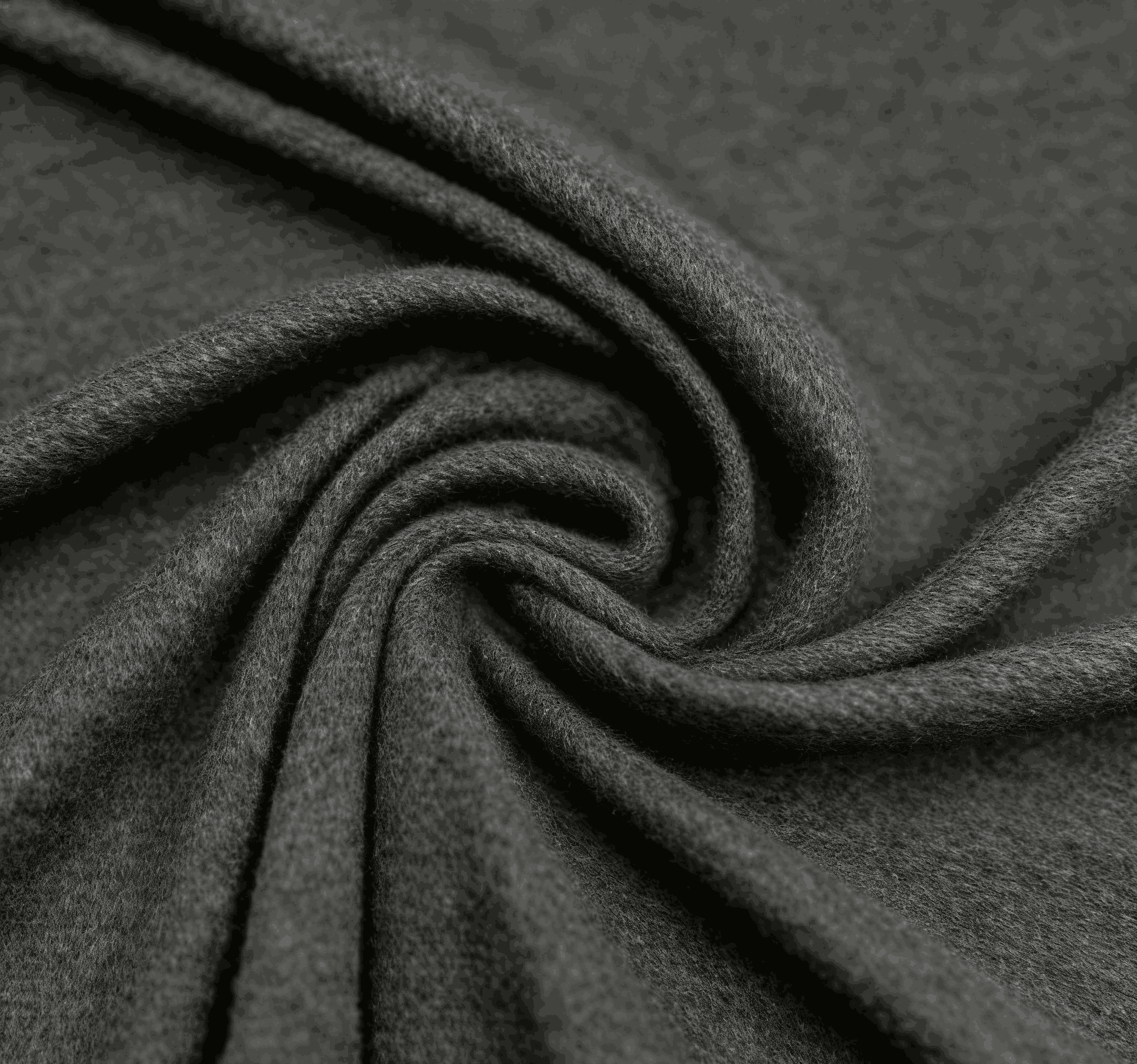
High-end outerwear brands, such as those specializing in wool coats or down jackets, often use wool-polyester blended labels to complement the luxurious fabric of their garments. The plush texture of the label adds to the overall tactile experience of the product, reinforcing the brand’s premium positioning. Additionally, wool-polyester blends are resistant to moth damage, which is a common concern with pure wool products. However, these labels are more expensive than cotton-polyester blends, so they are typically reserved for higher-end applications where the premium texture is a key part of the brand’s value proposition.
III. Classification of Woven Label Textures by Weaving Technique
In addition to fiber material, the weaving technique used to create a woven label has a profound impact on its texture. Weaving involves the interlacing of two sets of yarns—warp (vertical) and weft (horizontal)—and different interlacing patterns result in distinct surface textures. Weaving techniques can be divided into basic weaves and advanced weaves, each offering unique texture characteristics and applications.
1. Basic Weave Textures
Basic weaves are the simplest and most common weaving techniques, characterized by straightforward interlacing patterns. These weaves are cost-effective to produce and offer reliable texture properties, making them suitable for a wide range of everyday applications.
1.1 Plain Weave Texture
Plain weave is the simplest of all weaving techniques, involving the alternating interlacing of one warp yarn with one weft yarn (i.e., over one, under one). This basic pattern creates a tight, stable fabric with a uniform texture that is low in gloss. The surface of a plain weave woven label is smooth but not slippery, with a subtle grid-like texture that is visible upon close inspection. Plain weave labels are known for their durability and dimensional stability—they do not stretch easily and maintain their shape well after washing.
Due to their simplicity and cost-effectiveness, plain weave labels are widely used as care labels, size labels, and basic brand labels for mass-market apparel. Care labels, which require clear printing and durability, benefit from the tight weave of plain weave labels, as the ink adheres well to the smooth surface. Additionally, plain weave labels are available in a variety of fiber materials, from cotton to polyester, making them versatile for different apparel categories. However, their simple texture means they are less suitable for brands looking to create a premium or distinctive look.
1.2 Twill Weave Texture
Twill weave is characterized by the interlacing of warp and weft yarns at an angle, creating a distinctive diagonal line pattern on the surface of the label. The diagonal lines are formed by shifting the interlacing pattern slightly with each row of weft yarns. This weaving technique results in a texture that is more durable than plain weave, with a moderate gloss and a smooth, slightly ribbed feel. Twill weave labels are known for their strength and resistance to abrasion, making them suitable for apparel that undergoes frequent use.
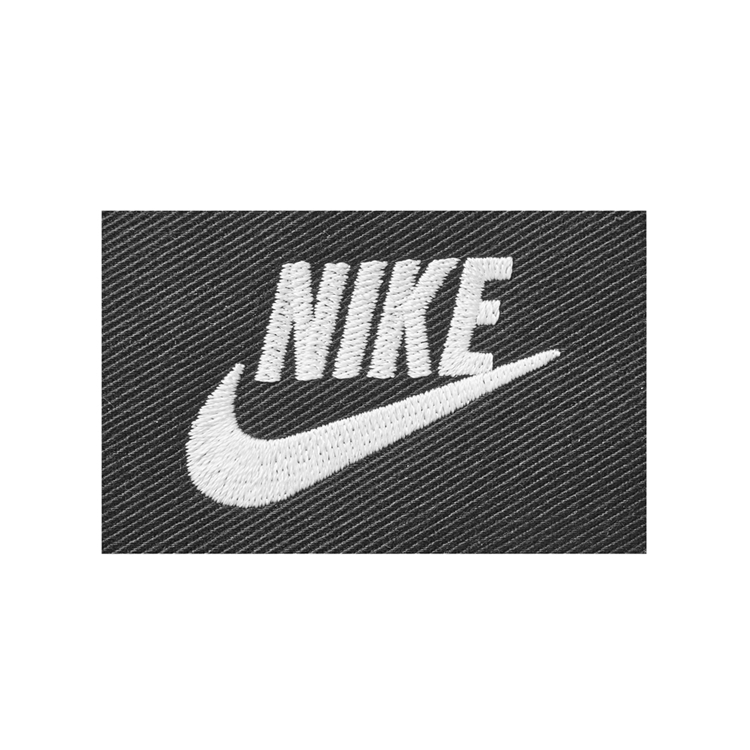
Twill weave labels are commonly used by mid-range fashion brands and denim apparel brands. Denim brands, in particular, favor twill weave labels because the diagonal texture complements the rugged aesthetic of denim fabric. The moderate gloss of twill weave labels adds a touch of sophistication without being overly flashy, making them suitable for both casual and semi-formal apparel. Additionally, twill weave labels can be produced in a variety of weights—from lightweight to heavyweight—depending on the application. Lightweight twill labels are used for shirts and blouses, while heavyweight twill labels are used for jackets and workwear.
1.3 Satin Weave Texture
Satin weave is characterized by long floats of warp or weft yarns on the surface of the label, with minimal interlacing points. This creates a surface that is highly glossy, smooth, and luxurious to the touch. The long floats reflect light, giving the label a shiny appearance, while the minimal interlacing points result in a soft, silky texture. Satin weave labels are less durable than plain or twill weave labels, as the long floats are prone to snagging, but their premium appearance makes them ideal for high-end applications.
Satin weave labels are widely used by luxury fashion brands and formal wear brands. High-end brands such as Chanel, Gucci, and Prada often use satin weave labels to enhance the premium feel of their products, as the glossy, smooth texture reinforces the brand’s luxurious positioning. Formal wear, such as evening gowns, tuxedos, and wedding dresses, also benefits from satin weave labels, as the texture complements the elegant fabric of the garment. Satin weave labels are typically made from synthetic fibers like polyester or nylon, which enhance the glossy appearance and durability of the label. However, they can also be made from natural silk for an even more luxurious texture, though this comes at a higher cost.
2. Advanced Weave Textures
Advanced weaves are more complex than basic weaves, using computer-controlled looms to create intricate patterns and 3D textures. These weaves offer greater customization options, allowing brands to create unique, eye-catching labels that stand out in the market. Advanced weaves are typically more expensive to produce than basic weaves, making them suitable for high-end brands, limited-edition apparel, and specialty applications.
2.1 Jacquard Weave Texture
Jacquard weave is a sophisticated weaving technique that uses computer-controlled looms to interlace warp and weft yarns in complex patterns. This allows for the creation of intricate designs—such as logos, text, motifs, or even photographs—directly into the label, resulting in a 3D texture that is both visually and tactilely striking. Jacquard weave labels are highly customizable, with the ability to vary yarn colors, thicknesses, and interlacing patterns to create unique textures.
There are two main sub-types of jacquard weave textures: flat jacquard and raised jacquard. Flat jacquard texture features low-relief patterns, where the design is subtle and the tactile difference between the pattern and the background is minimal. This texture is ideal for brands that want a sophisticated, understated look, such as high-end ready-to-wear brands. Raised jacquard texture, on the other hand, features prominent 3D patterns that stand out from the surface of the label, creating a strong tactile impact. This texture is often used for brand signature labels, limited-edition apparel, and accessories where the label is a key design element.
Jacquard weave labels are commonly used by luxury brands and designer labels to create unique, recognizable labels. For example, Louis Vuitton uses jacquard weave labels with its iconic monogram pattern, which is both visually distinctive and tactilely appealing. Additionally, jacquard weave labels can be used for decorative purposes, such as on the cuffs of shirts, the waistbands of pants, or the linings of jackets. The versatility of jacquard weave makes it suitable for a wide range of apparel categories, from high-end fashion to premium sportswear.
2.2 Double-Layer Weave Texture
Double-layer weave involves weaving two separate layers of fabric simultaneously, using two sets of warp and two sets of weft yarns. The two layers can be connected at specific points or left separate, creating a label that is thick, sturdy, and reversible. The texture of double-layer weave labels is firm and substantial, with a smooth surface on both sides. This makes them ideal for applications where the label needs to be durable and visible from both sides.
Double-layer weave labels are commonly used for heavy-duty apparel, such as workwear, outdoor gear, and military clothing. These labels need to withstand harsh conditions—such as exposure to dirt, moisture, and abrasion—and the thick, sturdy texture of double-layer weave ensures that they remain intact and legible. Additionally, double-layer weave labels are often used for brand tags that require double-sided information, such as size and care instructions on one side and the brand logo on the other. The reversible nature of these labels makes them versatile, as they can be displayed on either side of the garment.
Another application of double-layer weave labels is in luxury accessories, such as handbags and wallets. The thick, substantial texture of these labels adds to the premium feel of the accessory, while the reversible design allows for branding on both sides. Double-layer weave labels can be made from a variety of fibers, including polyester, nylon, and cotton-polyester blends, depending on the desired durability and aesthetic.
IV. Special Functional Woven Label Textures
In addition to aesthetic and tactile considerations, some woven labels are designed with specific functional properties in mind. These functional textures are engineered to meet the demands of specialized apparel categories, such as outdoor wear, sportswear, and eco-friendly clothing. By combining specific fiber materials and weaving techniques, manufacturers can create labels that offer waterproofing, abrasion resistance, or sustainability, while still maintaining a desirable texture.
1. Waterproof Textured Woven Labels
Waterproof woven labels are designed to repel water and resist moisture absorption, making them ideal for outdoor apparel, swimwear, and other garments exposed to wet conditions. The texture of waterproof labels is typically dense and smooth, with a slightly coated surface that prevents water from penetrating the fabric. This coating is often made from polyurethane (PU) or polyvinyl chloride (PVC), which are applied to the label after weaving to enhance water resistance.
The dense weave of waterproof labels is achieved through tight interlacing of warp and weft yarns, which minimizes the gaps between fibers and prevents water from seeping through. The smooth, coated surface also makes the label easy to clean, as dirt and moisture can be wiped away quickly. Waterproof labels are typically made from synthetic fibers like polyester or nylon, which are inherently water-resistant and durable.
Outdoor apparel brands, such as The North Face and Patagonia, often use waterproof woven labels on their jackets, pants, and backpacks. These labels need to remain legible and intact even after exposure to rain, snow, and other wet conditions. Swimwear brands also use waterproof labels, as they need to resist chlorine and saltwater damage. Additionally, waterproof labels are used in marine apparel, such as sailing jackets and wetsuits, where water resistance is critical.
2. Abrasion-Resistant Textured Woven Labels
Abrasion-resistant woven labels are designed to withstand frequent friction and wear, making them suitable for sportswear, workwear, and children’s clothing. The texture of these labels is typically rough yet durable, with a tight weave that resists fraying and tearing. Abrasion resistance is achieved through the use of high-strength fibers, such as polyester, nylon, or aramid, and tight weaving techniques like twill or satin weave.
The rough texture of abrasion-resistant labels is a result of the high-strength yarns and tight weave, which create a surface that is resistant to scuffing and rubbing. These labels are often used in areas of the garment that are prone to friction, such as the waistband of pants, the cuffs of shirts, or the neckline of t-shirts. Sportswear brands, such as Nike and Adidas, use abrasion-resistant labels on their athletic wear, as these garments are often subjected to intense physical activity and frequent washing.
Workwear brands also rely on abrasion-resistant labels for their durability. Workwear garments, such as construction jackets, mechanic overalls, and firefighter uniforms, need to withstand harsh working conditions, and the labels must remain legible and intact. Additionally, children’s clothing brands use abrasion-resistant labels because children’s clothes are often subjected to rough play and frequent washing. The durable texture of these labels ensures that they do not fray or tear, even after repeated use.
3. Eco-Friendly Textured Woven Labels
Eco-friendly woven labels are designed to align with sustainable brand concepts, using recycled or organic fibers and environmentally friendly production processes. The texture of these labels is typically natural and matte, with visible yarn texture that emphasizes the use of natural materials. Eco-friendly labels are often made from recycled polyester, organic cotton, hemp, or bamboo fibers, which are renewable and have a lower environmental impact than traditional fibers.
The natural texture of eco-friendly labels reinforces the brand’s commitment to sustainability, as it creates a connection to nature and organic materials. For example, organic cotton labels have a soft, matte texture with visible yarn variations, while recycled polyester labels have a slightly textured surface that distinguishes them from traditional polyester labels. Eco-friendly labels are often produced using water-based inks and dyeing processes that minimize environmental pollution.
Eco-friendly clothing brands, such as Patagonia, Eileen Fisher, and Reformation, are leading the way in using eco-friendly woven labels. These brands use labels made from recycled or organic fibers to ensure that every part of their garments is sustainable. Additionally, mainstream brands are increasingly adopting eco-friendly labels as consumers become more conscious of environmental issues. Eco-friendly labels are suitable for a wide range of apparel categories, including casual wear, loungewear, and children’s clothing, and their natural texture appeals to consumers who value sustainability and authenticity.
|
Category
|
Core Features
|
Materials & Production Processes
|
Applicable Scenarios
|
Typical Brands
|
|
Waterproof Textured Woven Labels
|
Repel water and resist moisture absorption; dense and smooth texture; slightly coated surface; easy to clean; remain legible and intact after exposure to wet conditions
|
Tightly interlaced warp and weft yarns; surface coated with polyurethane (PU) or polyvinyl chloride (PVC); made from water-resistant synthetic fibers (polyester/nylon)
|
Outdoor apparel, swimwear, marine apparel (sailing jackets, wetsuits)
|
The North Face, Patagonia
|
|
Abrasion-Resistant Textured Woven Labels
|
Withstand frequent friction and wear; rough yet durable texture; tight weave to resist fraying and tearing; maintain integrity after repeated washing and intense use
|
High-strength fibers (polyester, nylon, aramid); tight weaving techniques (twill or satin weave)
|
Sportswear, workwear (construction jackets, mechanic overalls, firefighter uniforms), children’s clothing
|
Nike, Adidas
|
|
Eco-Friendly Textured Woven Labels
|
Align with sustainable brand concepts; natural and matte texture with visible yarn details; low environmental impact
|
Recycled or organic fibers (recycled polyester, organic cotton, hemp, bamboo); water-based inks and eco-friendly dyeing processes
|
Casual wear, loungewear, children’s clothing
|
Patagonia, Eileen Fisher, Reformation
|
V. Application Matching: Selecting Woven Label Textures Based on Apparel Type
Selecting the right woven label texture for a garment requires careful consideration of the apparel type, brand positioning, and target audience. Different apparel categories have unique requirements—such as comfort, durability, or luxury—and the label texture must align with these requirements to enhance the overall product experience. Below is a guide to matching woven label textures with common apparel types.
1. Luxury Apparel
Luxury apparel is defined by its premium materials, exquisite craftsmanship, and high-end positioning. The woven label texture for luxury apparel should reflect this premium feel, emphasizing softness, gloss, and sophistication. Satin weave and raised jacquard textures are ideal for luxury apparel, as they create a smooth, glossy, or 3D surface that enhances the luxurious aesthetic of the garment.
Satin weave labels, made from silk or high-quality polyester, are commonly used for evening gowns, tuxedos, and luxury ready-to-wear. The glossy, silky texture of these labels complements the elegant fabrics used in luxury apparel, such as silk, satin, and cashmere. Raised jacquard labels, with their intricate 3D patterns, are used for brand signature labels, adding a unique, tactile element that reinforces the brand’s exclusivity. For example, luxury brands like Dior and Valentino use raised jacquard labels with their brand logos, creating a distinctive look that is instantly recognizable.
2. Casual Wear
Casual wear is focused on comfort, versatility, and everyday wearability. The woven label texture for casual wear should be soft, breathable, and non-abrasive, ensuring that it does not irritate the skin during extended wear. Cotton plain weave and twill weave textures are ideal for casual wear, as they offer the perfect balance of comfort and durability.
Cotton plain weave labels are soft and breathable, making them suitable for t-shirts, loungewear, and casual shirts. The natural texture of cotton complements the relaxed aesthetic of casual wear, and the labels can be easily customized with brand logos or care instructions. Twill weave labels, with their slightly ribbed texture, are used for denim apparel, such as jeans and jackets, as the texture complements the rugged look of denim. Additionally, cotton-polyester blended labels are a popular choice for casual wear, as they offer the softness of cotton with the durability of polyester.
3. Sportswear
Sportswear requires labels that are durable, moisture-wicking, and resistant to abrasion. The woven label texture for sportswear should be smooth, lightweight, and non-restrictive, ensuring that it does not interfere with physical activity. Polyester twill and abrasion-resistant textures are ideal for sportswear, as they offer the necessary durability and functionality.
Polyester twill labels are smooth and lightweight, with excellent moisture-wicking properties that keep the label dry during intense physical activity. These labels are resistant to shrinkage and fading, making them suitable for athletic wear that requires frequent washing. Abrasion-resistant labels, made from high-strength polyester or nylon, are used for areas of the garment that are prone to friction, such as the waistband of leggings or the cuffs of track jackets. Additionally, waterproof labels are used for outdoor sportswear, such as running jackets and hiking pants, to ensure that the labels remain legible in wet conditions.
4. Outdoor Apparel
Outdoor apparel is designed to withstand harsh weather conditions, such as rain, snow, and wind. The woven label texture for outdoor apparel should be waterproof, durable, and resistant to abrasion. Waterproof and double-layer weave textures are ideal for outdoor apparel, as they offer the necessary protection and durability.
Waterproof labels, with their dense, coated texture, are used for outdoor jackets, pants, and backpacks. These labels repel water and resist moisture absorption, ensuring that they remain legible even in wet conditions. Double-layer weave labels, with their thick, sturdy texture, are used for heavy-duty outdoor gear, such as mountaineering jackets and camping equipment. The reversible design of these labels allows for branding on both sides, and the thick texture ensures that they withstand harsh conditions. Additionally, eco-friendly outdoor brands may use recycled polyester labels, which offer durability and sustainability.
VI. Conclusion
Woven label textures are a critical yet often overlooked element of apparel design, contributing to brand identity, consumer experience, and product functionality. From the soft, natural texture of cotton to the glossy, luxurious texture of satin weave, each texture offers unique characteristics that can be tailored to specific apparel types and brand positioning. By understanding the classification of woven label textures by material base, weaving technique, and functional properties, apparel designers and brand managers can make informed decisions that enhance the overall quality and appeal of their products.
Emerging trends in woven label texture design focus on personalization, sustainability, and multi-functionality. Personalization, driven by advances in jacquard weaving technology, allows brands to create unique, custom labels that reflect their brand identity and resonate with their target audience. Sustainability is becoming increasingly important, with more brands opting for eco-friendly fibers like recycled polyester and organic cotton to create labels that align with consumer demand for environmentally responsible products. Multi-functionality, such as combining waterproofing and abrasion resistance, is also a growing trend, as brands seek to create labels that meet the diverse needs of modern consumers.
The core takeaway for apparel brands and label manufacturers is that texture is a key differentiator in a crowded market. A well-chosen woven label texture can enhance the perceived value of a garment, strengthen brand recognition, and improve the overall consumer experience. By investing in high-quality, appropriately textured woven labels, brands can set themselves apart from competitors and build long-term loyalty with their customers.
In conclusion, woven label textures are much more than just a functional detail—they are a powerful design element that can elevate a garment from ordinary to extraordinary. Whether you are designing luxury apparel, casual wear, sportswear, or outdoor gear, the right woven label texture can make all the difference in creating a product that is both visually appealing and functionally superior.
PEPHAWK is proud to highlight our integrated one-stop service—seamlessly combining professional design, R&D, and manufacturing capabilities to deliver cohesive, end-to-end solutions for our valued clients.
Our core product range covers a diverse selection of high-quality accessories and silicone-based items, including:
- Garment Accessories: Silicone Labels, Micro Fiber Labels, TPU Labels, Leather Labels
- Electronic & Lifestyle Gadgets: Silicone Mobile Phone Skins, Silicone MP3 Skins, Silicone Chaplets, Silicone Bracelets
Beyond our core offerings, we also connect clients with complementary products through our trusted affiliated companies, ensuring all your needs are met under one partnership.
What sets us apart is our specialized expertise in key manufacturing processes: Silk Screen Printing, High-Frequency Welding, Sublimation Printing, Seamless Fabric Processing, and Laser Cutting. These capabilities allow us to serve a wide array of industries—from garments, shoes, caps, and gloves to electronic devices, bags, and sporting equipment—with products that blend durability, functionality, and aesthetic appeal.
At PEPHAWK, customer satisfaction is our top priority. We’re committed to providing responsive, thorough support, and guarantee a same-day response to all inquiries—no exceptions. You can rely on us for consistent quality, reliable delivery, and a partnership that’s as efficient as it is trustworthy.
Whether you’re looking for custom apparel labels, protective silicone skins, or tailored manufacturing solutions, PEPHAWK has the expertise and flexibility to bring your vision to life.
How to Ensure Patches Stay Secure on Backpacks: Heat Transfer vs. Sewing Methods
Anime Iron-On Patches: Doraemon, Gengar, Pony — the Art of Personalized Fashion


SEND MESSAGE