

Woven Label Texture for Apparel Logo: Design, Production and Application
2026-01-13
Table of Contents
- I. Introduction
- II. Basic Cognition of Woven Label Texture for Apparel Logo
- III. Common Types of Woven Label Textures for Apparel Logo
- IV. Production Process of Woven Label Texture for Apparel Logo
- V. Matching Strategy of Woven Label Texture and Apparel Logo
- VI. Quality Evaluation Standards of Woven Label Texture for Apparel Logo
- VII. Market Trends and Innovative Directions of Woven Label Texture for Apparel Logo
Explore woven label texture for apparel logo: design, production, matching strategies & market trends. Guide brands to boost logo recognition and elevate product value with professional woven label solutions.
I. Introduction
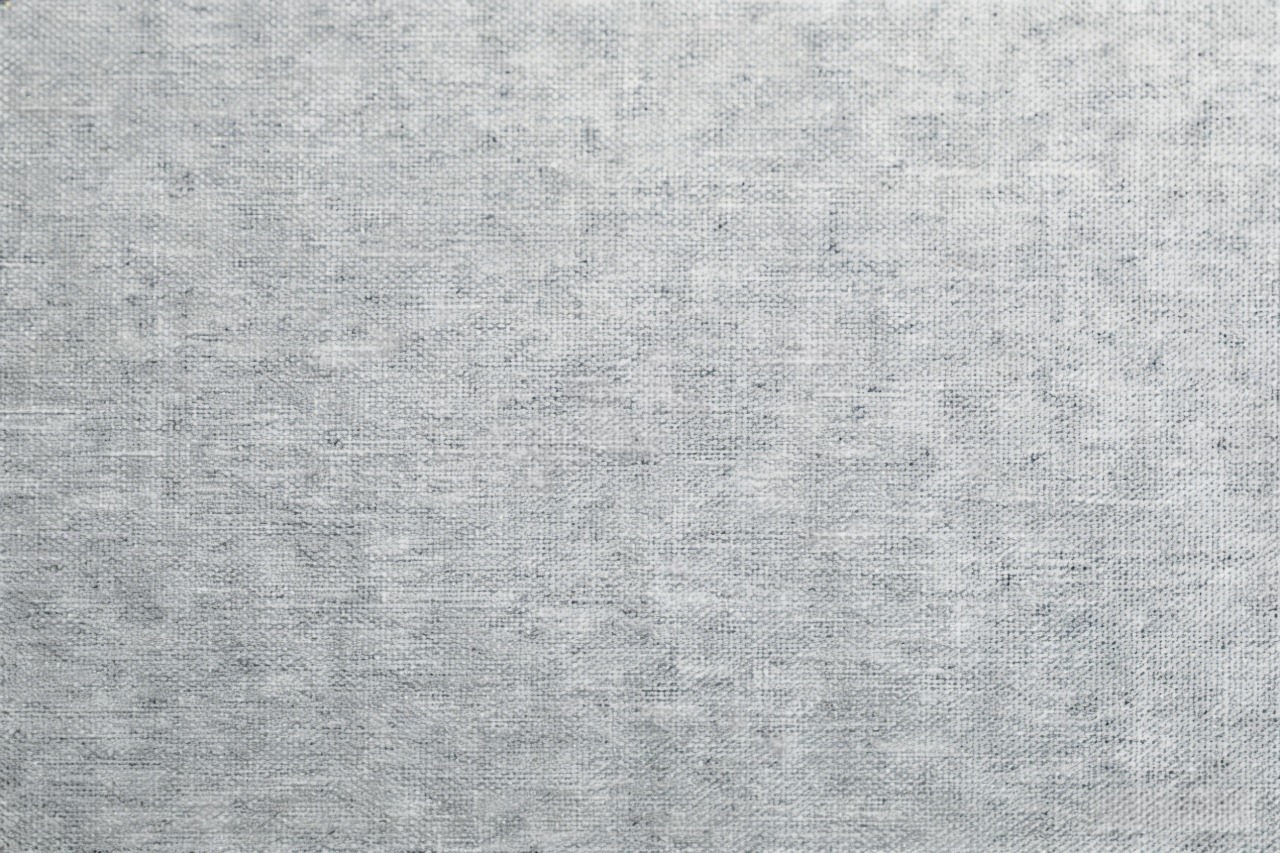
Woven labels serve as a crucial carrier of apparel brand identity, and their texture—defined by the combination of weave structure, raw materials, and processing techniques—plays a decisive role in shaping consumers' first impression of the brand. Woven label texture refers to the comprehensive sensory experience, including tactile feel and visual presentation, brought by the physical structure of the label's surface. In the fiercely competitive apparel market, a well-designed woven label texture not only makes the brand logo stand out but also enhances the overall value of the apparel product. This article aims to systematically explore the basic cognition, common types, production processes, matching strategies, quality evaluation, and market trends of woven label textures for apparel logos. By clarifying the core role of texture in logo expression, this research provides practical guidance for apparel enterprises to optimize their brand labeling strategies and gain competitive advantages.
II. Basic Cognition of Woven Label Texture for Apparel Logo
A. Essential Attributes of Woven Label Texture
Woven label texture possesses three core attributes: tactile, visual, and functional. The tactile attribute is the most direct sensory experience, mainly reflected in characteristics such as softness, roughness, and thickness. For example, cotton-based woven labels offer a soft and skin-friendly touch, while polyester labels tend to be smoother with a slight cool feel. The visual attribute encompasses pattern definition, luster, and layering. High-density woven labels present clear logo patterns and strong layering, while satin weave labels exhibit a natural luster that enhances the luxury of the logo. The functional attribute is closely related to the practicality of the label, including wear resistance, shrink resistance, and fade resistance. These attributes ensure that the label maintains its original texture and logo clarity during long-term use and multiple washes.
B. Role of Texture in Apparel Logo Expression
Texture plays an irreplaceable role in the expression of apparel logos. Firstly, it enhances brand logo recognition. A unique texture makes the logo distinguishable from competitors; for instance, a 3D jacquard texture can make the logo more prominent and memorable. Secondly, it elevates the overall grade of apparel products. High-end textures such as satin weave and embossed jacquard can instantly enhance the sense of luxury of the apparel, making consumers perceive higher value. Finally, texture conveys brand style and positioning. Casual brands often use soft and simple plain weave textures to convey comfort and ease, while luxury brands adopt delicate and complex jacquard textures to show nobility and sophistication.
III. Common Types of Woven Label Textures for Apparel Logo
A. Basic Weave Textures
Plain weave texture is the simplest and most widely used weave structure, formed by interlacing warp and weft yarns one by one. It features uniform texture, good air permeability, and low production cost. Visually, plain weave labels present a flat and subtle surface, suitable for simple logo designs. They are commonly used in casual wear, sportswear, and daily necessities. Twill weave texture is formed by interlacing warp and weft yarns with a certain floating length, presenting diagonal lines on the surface. Compared with plain weave, twill weave has better wear resistance and thickness, with a more three-dimensional visual effect. The diagonal lines add a sense of movement to the logo, making it suitable for sportswear and outdoor apparel that emphasize durability. Satin weave texture is formed by maximizing the floating length of warp or weft yarns, resulting in a smooth, shiny surface with a soft touch. The high luster of satin weave makes the logo more eye-catching, and it is widely used in high-end fashion, formal wear, and luxury brand apparel.

B. Special Weave Textures
Jacquard texture is a high-end weave technique that uses computerized jacquard looms to weave complex patterns and logos directly into the label. It features strong three-dimensional sense, clear pattern details, and can present complex color transitions. Jacquard texture is particularly suitable for high-end brand logos that require delicate expression, such as luxury fashion and high-end leather goods. Embossed/debossed texture is formed by pressing the label through a mold at high temperature, creating a concave-convex effect on the surface. The tactile hierarchy of this texture is obvious, and the logo can be recognized through touch, making it suitable for sportswear and functional apparel. Hollowed-out texture is formed by weaving to leave hollow parts in specific areas of the label, presenting a lightweight and transparent visual effect. It is often used in summer apparel, women's wear, and children's wear to enhance the sense of lightness and beauty. Mixed weave texture combines two or more basic weaves, such as combining plain weave and twill weave, or satin weave and jacquard weave. This texture is highly personalized, can meet the diverse design needs of brands, and is widely used in streetwear and creative fashion brands.
IV. Production Process of Woven Label Texture for Apparel Logo
A. Raw Material Selection and Its Impact on Texture
Raw material selection is the foundation of woven label texture, and different materials directly affect the tactile and visual effects of the texture. Cotton yarn is a natural fiber with good moisture absorption and softness, making the label texture soft and skin-friendly. It is suitable for casual wear and children's wear that emphasize comfort. Polyester yarn is a synthetic fiber with high strength, wear resistance, and good luster. Labels made of polyester yarn have a smooth texture and strong color fastness, suitable for various types of apparel. Nylon yarn has excellent elasticity and smoothness, with a delicate touch, making it ideal for high-end brand labels that require a luxurious texture. Blended yarn combines the advantages of different materials, such as cotton-polyester blended yarn, which has both the softness of cotton and the wear resistance of polyester, balancing comfort and durability.
B. Weaving Process Control
The weaving process is a key link in determining the texture of woven labels, including traditional shuttle weaving and computerized jacquard weaving. Traditional shuttle weaving is suitable for producing simple plain weave and twill weave labels with low production efficiency and limited pattern complexity. Computerized jacquard weaving uses advanced electronic control technology, which can accurately control the interlacing of warp and weft yarns, realizing the production of complex textures such as jacquard and mixed weave. It has high production efficiency and strong pattern reproducibility. In the weaving process, parameter setting directly affects the texture: yarn count determines the fineness of the label, with finer yarns creating a more delicate texture; weave density affects the thickness and firmness of the label, and higher density results in a more compact and wear-resistant texture; pattern arrangement affects the visual layering of the logo, requiring reasonable matching with the weave structure.
C. Post-processing and Texture Optimization
Post-processing is an important step to optimize the texture of woven labels. Dyeing ensures the color uniformity of the label and affects the texture retention. High-temperature dyeing can improve color fastness, but it may cause shrinkage of the yarn, thus affecting the texture. Therefore, strict control of dyeing temperature and time is required. Cutting and edge treatment include hot-cut and cold-cut. Hot-cut uses high-temperature melting to seal the edge, resulting in a smooth edge without burrs, suitable for polyester and nylon labels; cold-cut is a mechanical cutting method, with a natural edge, suitable for cotton labels. Finishing processes such as ironing and coating can further optimize the texture: ironing makes the label surface flat and enhances luster; coating can improve the water resistance and wear resistance of the label, while maintaining the original texture.

V. Matching Strategy of Woven Label Texture and Apparel Logo
A. Matching Based on Apparel Categories
Different apparel categories have different requirements for label texture. High-end fashion pursues luxury and sophistication, so satin weave and jacquard textures are preferred, which can highlight the high-grade sense of the logo. Sportswear emphasizes functionality and durability, so wear-resistant twill weave and embossed textures are suitable, which can withstand frequent movement and washing. Casual wear focuses on comfort and ease, so soft plain weave and hollowed-out textures are chosen to bring a relaxed wearing experience. Children's wear prioritizes safety and skin-friendliness, so skin-friendly cotton textures with simple designs are used to avoid irritating the child's skin.
B. Matching Based on Brand Positioning
Brand positioning determines the direction of label texture design. Luxury brands need to highlight nobility and exclusivity, so delicate jacquard and embossed textures are used, with complex patterns and fine craftsmanship to reflect high value. Streetwear brands pursue individuality and uniqueness, so bold mixed weave and personalized textures are adopted, with bright colors and exaggerated patterns to attract young consumers. Retro brands focus on nostalgia and tradition, so rough plain weave and vintage dyeing textures are selected, with a sense of time to echo the brand's retro style.
C. Matching Based on Logo Design Elements
The matching of texture and logo design elements directly affects the expression effect of the logo. For thick fonts, a more compact texture such as twill weave or jacquard is suitable to enhance the stability of the font; for thin fonts, a flat and delicate texture such as satin weave or plain weave is preferred to avoid blurring the font. For complex logos with many details, a high-definition jacquard texture is needed to ensure the clarity of each detail; for simple logos with few elements, a simple plain weave or hollowed-out texture can be used to highlight the core of the logo.
|
Matching Basis
|
Specific Category
|
Core Requirement
|
Recommended Texture
|
|---|---|---|---|
|
Apparel Categories
|
High-end fashion
|
Luxury & sophistication
|
Satin weave, jacquard textures
|
|
Sportswear
|
Functionality & durability
|
Wear-resistant twill weave, embossed textures
|
|
|
Casual wear
|
Comfort & ease
|
Soft plain weave, hollowed-out textures
|
|
|
Children's wear
|
Safety & skin-friendliness
|
Skin-friendly cotton textures (simple design)
|
|
|
Brand Positioning
|
Luxury brands
|
Nobility & exclusivity
|
Delicate jacquard, embossed textures
|
|
Streetwear brands
|
Individuality & uniqueness
|
Bold mixed weave, personalized textures
|
|
|
Retro brands
|
Nostalgia & tradition
|
Rough plain weave, vintage dyeing textures
|
|
|
Logo Design Elements
|
Thick fonts
|
Font stability
|
Compact textures (twill weave, jacquard)
|
|
Thin fonts
|
Font clarity
|
Flat & delicate textures (satin weave, plain weave)
|
|
|
Complex logos (many details)
|
Detail clarity
|
High-definition jacquard texture
|
|
|
Simple logos (few elements)
|
Highlight core information
|
Simple plain weave, hollowed-out textures
|
VI. Quality Evaluation Standards of Woven Label Texture for Apparel Logo
The quality evaluation of woven label texture includes visual, tactile, and functional evaluations, as well as compliance with industry standards. Visual evaluation focuses on texture clarity, pattern consistency, and color uniformity: the texture should be clear and distinguishable, the logo pattern should be consistent in each batch of labels, and the color should be uniform without color difference. Tactile evaluation requires the texture to be soft and smooth, without irritating burrs or hard edges, ensuring comfort when in contact with the skin. Functional evaluation includes wash resistance, wear resistance, and shrink resistance tests: after multiple washes, the label should not fade, deform, or lose texture; after long-term wear, it should not be easily worn or damaged; the shrinkage rate should meet industry standards. In addition, woven labels must comply with international and domestic relevant standards, such as environmental protection standards for textile materials and safety standards for children's products.
VII. Market Trends and Innovative Directions of Woven Label Texture for Apparel Logo
With the upgrading of consumer demand and the development of textile technology, woven label textures are showing new market trends and innovative directions. The environmental protection trend is increasingly prominent: more and more brands use recycled materials such as recycled polyester and recycled cotton to produce woven labels, and biodegradable yarns are also gradually applied, meeting consumers' demand for green and environmentally friendly products. The intelligent trend is emerging: functional textures such as reflective texture and temperature-sensitive color-changing texture are widely used in sportswear and outdoor apparel, improving the safety and practicality of the apparel. The personalization trend is obvious: with the development of small-batch and customized production models, brands can provide exclusive texture designs for customers, realizing the personalization of labels. The minimalist trend is popular: simple texture designs focus on the core information of the brand logo, removing redundant decorative elements, which is in line with the current minimalist aesthetic trend.
PEPHAWK is proud to highlight our integrated one-stop service—seamlessly combining professional design, R&D, and manufacturing capabilities to deliver cohesive, end-to-end solutions for our valued clients.
Our core product range covers a diverse selection of high-quality accessories and silicone-based items, including:
- Garment Accessories: Silicone Labels, Micro Fiber Labels, TPU Labels, Leather Labels
- Electronic & Lifestyle Gadgets: Silicone Mobile Phone Skins, Silicone MP3 Skins, Silicone Chaplets, Silicone Bracelets
Beyond our core offerings, we also connect clients with complementary products through our trusted affiliated companies, ensuring all your needs are met under one partnership.
What sets us apart is our specialized expertise in key manufacturing processes: Silk Screen Printing, High-Frequency Welding, Sublimation Printing, Seamless Fabric Processing, and Laser Cutting. These capabilities allow us to serve a wide array of industries—from garments, shoes, caps, and gloves to electronic devices, bags, and sporting equipment—with products that blend durability, functionality, and aesthetic appeal.
At PEPHAWK, customer satisfaction is our top priority. We’re committed to providing responsive, thorough support, and guarantee a same-day response to all inquiries—no exceptions. You can rely on us for consistent quality, reliable delivery, and a partnership that’s as efficient as it is trustworthy.
Whether you’re looking for custom apparel labels, protective silicone skins, or tailored manufacturing solutions, PEPHAWK has the expertise and flexibility to bring your vision to life.
Choose the Right Patch Shape: Custom Patch Shapes Make Your Apparel Stand Out
What Does a Fendi Tag Look Like?




SEND MESSAGE