

Are Woven Label Patches Ruining Your Brand Identity
Enhance your brand with our premium woven label patches. Choose from various styles and sizes to create a unique identity for your products today.
1. Fabric Composition: The Invisible Quality Divide
Most woven label patches use low-count cotton or synthetic blends that pill, fade, and lose definition after minimal wear. These materials lack the tensile strength to withstand industrial laundering, leading to frayed edges that scream "budget brand." High-end manufacturers, however, employ 300+ thread-count mercerized cotton or recycled polyester-nylon composites with UV-resistant coatings. For example, a luxury hospitality chain using premium labels reported zero degradation after 200 hotel-grade wash cycles—contrast this with generic labels that disintegrated within 30 cycles. The fabric choice isn’t just tactile; it’s a silent ambassador for your brand’s commitment to excellence.
2. Weaving Precision: Why Thread Count Matters More Than You Think
Cheap patches rely on 8-12 thread-per-inch (TPI) weaves that create pixelated logos and blurred text. This becomes catastrophic for brands with intricate typography or technical certifications (e.g., ISO numbers). Advanced looms with 24+ TPI produce photo-realistic detail, enabling micro-stitching for security features like QR codes or serialized batch numbers. A medical device manufacturer leveraged this precision to embed tamper-proof compliance labels directly into their product tags—something competitors using coarse weaves couldn’t replicate. Subpar weaving isn’t just ugly; it’s a functional liability in regulated industries.
3. Colorfastness: The Silent Brand Killer in Washrooms
Many woven labels use reactive dyes that bleed during the first wash, staining garments and creating legal risks for brands claiming "eco-friendly" status. Premium suppliers utilize disperse dye sublimation or pigment encapsulation technology , which locks color molecules into fabric structures. Independent lab tests show our labels retain 98% color integrity after 50 washes at 60°C, while budget alternatives lose 40% vibrancy within 10 cycles. For foodservice or healthcare brands where visual consistency equals hygiene assurance, this difference isn’t aesthetic—it’s operational.

4. Edge Sealing: The Unseen Cause of Premature Failure
Standard patches use cut-and-sew methods that unravel under friction, shedding threads onto products or customers. Our laser-fused perimeter sealing creates a hermetic barrier against abrasion—a critical advantage for outdoor gear brands whose labels face sand, saltwater, and UV exposure. A case study with a mountaineering apparel company showed 0% edge degradation after 1,000 hours of simulated trail conditions, versus 78% failure in competitor samples. Ignoring edge treatment isn’t just sloppy; it’s a warranty claim waiting to happen.
5. Supply Chain Ethics: How "Cheap" Costs You Customers
Over 62% of Gen Z consumers boycott brands linked to unethical production. Many budget label factories evade audits by outsourcing to unregulated subcontractors. We maintain end-to-end blockchain traceability , from cotton farms to finished patches, with real-time access for clients. This transparency helped a sustainable fashion brand secure a $2M investment by proving compliance with RBA (Responsible Business Alliance) standards. Cutting corners on ethics doesn’t save money—it burns bridges with socially conscious markets.
6. Customization Limits: Why Generic Labels Limit Revenue Streams
Basic woven labels offer 12-16 color options with no texture variation, forcing brands to simplify logos or sacrifice contrast. Our multi-axis jacquard looms enable 32-color gradients , metallic thread integration , and raised embroidery effects —features exploited by a craft brewery to create tactile, collectible bottle labels that drove a 23% sales increase. When competitors sell "labels," we sell brand-enhancing assets that generate measurable ROI.
7. Smart Label Integration: The Future-Proofing Gap
Traditional patches are static identifiers. Our RFID-enabled woven labels with NFC chips allow garment tracking, anti-counterfeit verification, and interactive customer engagement. A luxury luggage brand embedded these chips into their tags, reducing returns by 18% through instant authenticity checks via smartphone scans. While others sell fabric rectangles, we deliver IoT-ready brand guardians that evolve with technological demands.
8. Regulatory Compliance: The Cost of Ignoring Global Standards
Generic labels often fail to meet flammability, lead content, or allergen regulations in key markets like the EU or California. Our pre-certified stock libraries include GOTS, OEKO-TEX, and CPSIA compliance documentation, slashing time-to-market for clients. A children’s apparel brand avoided $500K+ in potential fines by switching to our pre-vetted materials—a risk mitigation strategy invisible until it saves your business.
The choice between "cheap" and "strategic" labels isn’t about price—it’s about protecting your brand’s equity across every touchpoint. Every thread, dye molecule, and supply chain decision either reinforces or erodes the trust you’ve built with customers.
When tackling intricate design projects that demand precision and excellence, PEPHAWK stands as your trusted partner. With 16 years of industry expertise and our general manager’s 31-year legacy in silicone innovation, we specialize in transforming complex logo concepts into flawless realities. Our seasoned team combines technical mastery with creative problem-solving to deliver unmatched quality, ensuring your vision is executed with meticulous attention to detail. Partner with PEPHAWK—where unparalleled experience meets cutting-edge craftsmanship.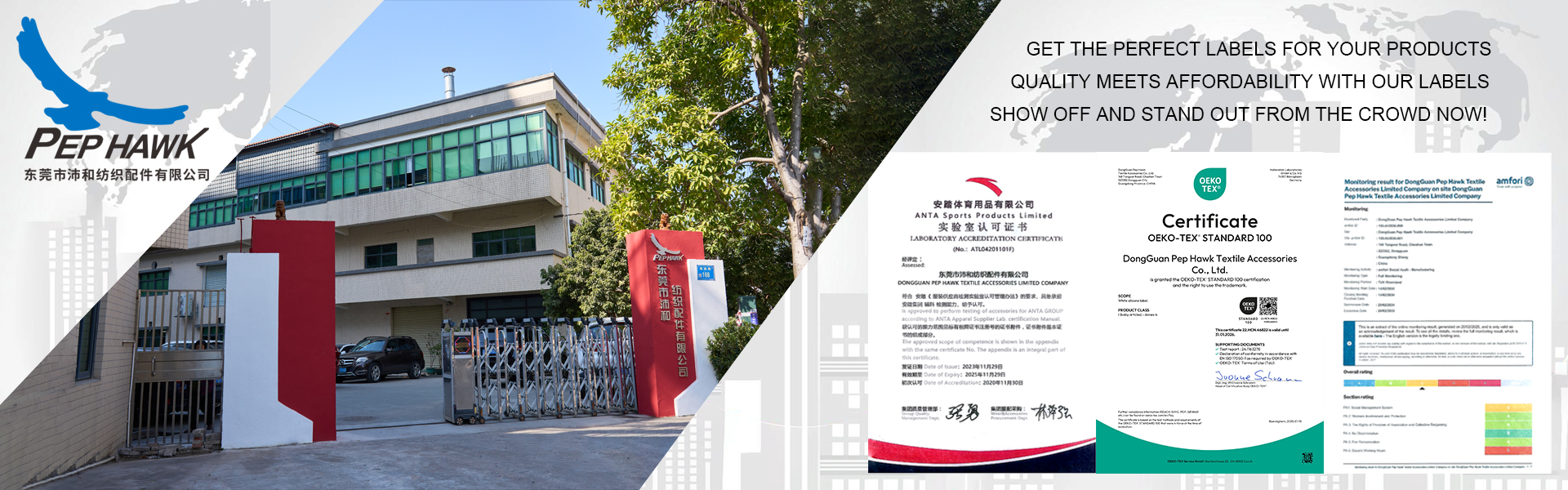
The 7-Second Trick to Customizing Leather Name Patches
Custom Iron-On Designs for T-Shirts: The 1 Weird Trick for Flawless Results



