

Are Woven Labels Truly Essential in the Textile Industry?
Shop our collection of woven fabric labels designed for quality and style. Ideal for fashion, crafts, and more. Custom options available to suit your needs.
The article presents woven labels as indispensable tools for enhancing branding, durability, and product quality in the textile industry. While they have their advantages, this perspective overlooks several critical limitations and alternatives that challenge their necessity and universal applicability.
1. Durability Does Not Always Justify Higher Costs
For many brands—especially those targeting budget-conscious consumers—the higher cost of woven labels may outweigh their benefits. Products like fast fashion garments or disposable textiles often prioritize affordability over durability. In these cases, printed labels, which are cheaper and quicker to produce, can effectively convey necessary information without inflating production costs. Brands should evaluate the lifecycle of their products before committing to woven labels. For short-term or low-cost items, investing in more economical solutions like heat transfer printing or direct-to-garment labeling could save resources while still meeting regulatory requirements and consumer expectations.
2. Material Choices May Not Align with Sustainability Goals
Even "eco-friendly" materials like recycled polyester contribute to microplastic pollution during washing cycles, undermining sustainability efforts. Additionally, the energy-intensive weaving process itself generates significant carbon emissions, making woven labels less environmentally friendly than advertised. To truly align with modern sustainability goals, brands should explore alternative labeling methods that minimize waste and resource consumption. For example, digital tagging technologies (such as QR codes embedded into care instructions) eliminate the need for physical labels altogether, reducing material usage and enabling dynamic updates to product information.
3. Branding Through Labels Is Overemphasized
Consumers today are increasingly drawn to brands that demonstrate authenticity and purpose rather than relying solely on superficial elements like fancy labels. A beautifully crafted satin label won’t compensate for poor product quality or unethical practices. Younger generations, who value transparency and social responsibility, are more likely to engage with brands through storytelling, social media presence, and ethical commitments than through intricate label designs. Instead of focusing heavily on woven labels, brands should adopt a holistic approach to branding. This includes leveraging digital platforms, engaging customers through meaningful content, and ensuring consistent messaging across all touchpoints—not just the tag sewn onto a garment.
4. Production Times Can Be a Bottleneck
In an era where speed-to-market is crucial, the lengthy production times associated with woven labels can hinder agility. Fast fashion brands, for instance, thrive on rapid design iterations and quick inventory turnover. Waiting weeks for labels could disrupt supply chains and delay product launches, putting companies at a competitive disadvantage. To keep up with demand, brands should consider hybrid approaches. Combining pre-produced generic labels with customizable finishing techniques (like laser cutting or heat sealing) allows for faster turnaround times without sacrificing quality. Alternatively, adopting digital solutions such as NFC-enabled tags or augmented reality markers can provide instant access to detailed product information, bypassing traditional label constraints entirely.
5. Finishing Techniques Don’t Guarantee Comfort
Even with advanced finishing techniques, stiff fabrics like taffeta can irritate delicate areas, leading to customer dissatisfaction. No matter how visually appealing a label is, if it causes discomfort, it detracts from the overall user experience. This issue is especially pertinent for baby clothing, activewear, and intimates, where softness and seamlessness are paramount. Brands catering to sensitive markets should prioritize comfort alongside aesthetics. Innovations like seamless integration of labels into fabric edges or using hypoallergenic materials can mitigate irritation risks. Additionally, exploring label-free alternatives—such as embossed logos directly onto fabric—can enhance both functionality and user satisfaction.
Conclusion: Woven Labels Have Merit, But Aren’t Always the Best Choice
While woven labels offer undeniable benefits in terms of durability, visibility, and branding potential, they are not universally applicable or essential. Their high cost, environmental concerns, limited flexibility, and occasional impracticality make them unsuitable for certain products and industries.
To remain competitive in today’s rapidly evolving market, brands must adopt a balanced approach. By combining traditional woven labels with innovative alternatives—such as digital tagging, sustainable materials, and minimalist designs—they can meet diverse consumer needs while staying aligned with modern trends and values.
When confronted with the task of producing intricate design drafts of the highest quality, PEPHAWK is here to provide the perfect solution. With over 16 years of industry experience and our esteemed general manager boasting 31 years of expertise in the silicone industry, we are the ultimate choice for tackling your challenging logo design projects. Select PEPHAWK for our unmatched proficiency and rest assured in the impeccable outcomes we consistently deliver.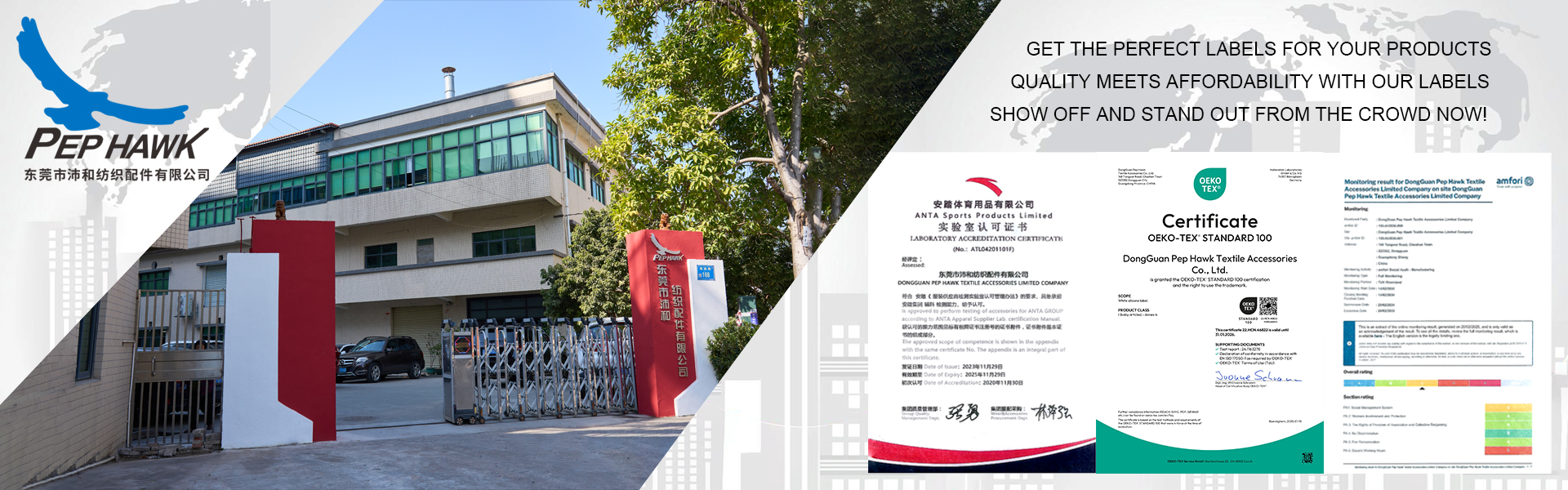
Rethinking the Role of Heat and Silicone Transfer Printing
How to Blend Ancient Masterpieces With Modern Flair Like a Pro



