

Why Your Meeting Presence Blends In: The Work Shirt Patch Secret That Claims Your Spotlight Forever
Upgrade your work wardrobe with our selection of custom shirt patches. Durable and stylish, they are perfect for enhancing your professional image effortlessly.
In today’s competitive business environment, visual identity plays a crucial role in shaping perceptions—both internally among employees and externally with customers. One of the most effective yet often overlooked tools in cultivating this identity is the use of work shirt patches. These small but impactful emblems serve multiple functions: reinforcing brand recognition, promoting team unity, indicating job roles or certifications, and enhancing the durability and longevity of uniforms. As an expert in the clothing label and garment branding industry with over two decades of experience working with industrial, service, and public sector clients, I have observed firsthand how strategically designed patches elevate professional standards and operational efficiency.
The Functional and Psychological Value of Work Shirt Patches
Work shirt patches are more than decorative elements—they are functional components that contribute to workplace organization and morale. According to a 2021 study by the International Journal of Clothing Science and Technology, employees who wear branded apparel—including patches—report a 34% higher sense of organizational belonging compared to those without identifiable workwear (Smith & Lee, 2021). This psychological connection fosters pride, accountability, and professionalism.
Patches can denote rank, department, certification level, or years of service, making them particularly valuable in hierarchical or safety-sensitive industries such as manufacturing, emergency services, and transportation. For example, a firefighter may wear a patch indicating their training in hazardous materials response, allowing for quick identification during coordinated operations. Similarly, corporate field technicians often display company logos and service badges, signaling expertise and legitimacy to clients.
From a practical standpoint, embroidered or woven patches also extend the life of work shirts. Instead of replacing entire garments due to minor damage or fading logos, employers can re-embroider or replace individual patches—a cost-effective approach emphasized in a 2020 report by the Textile Rental Services Association of America (TRSA), which found that patch-repair strategies reduced uniform replacement costs by up to 22% annually across surveyed fleets (TRSA, 2020).
Materials, Manufacturing, and Durability Standards
Not all patches are created equal. The effectiveness of a work shirt patch hinges on its construction, materials, and adherence to industry standards. High-quality patches typically use durable threads such as polyester or rayon, which resist fading, fraying, and shrinkage after repeated laundering. Embroidery remains the gold standard for clarity and resilience, especially for intricate logos or text, while woven patches offer a flatter profile ideal for subtle branding.
Backing options also influence performance. Heat-seal backing provides a fast application method suitable for large-scale uniform programs, whereas sew-on patches offer superior longevity, particularly under heavy wear or exposure to extreme conditions. Hook-and-loop (Velcro) patches are increasingly popular in military, law enforcement, and utility sectors due to their interchangeability—allowing personnel to switch insignia based on assignment or protocol.
Manufacturers must adhere to specifications set forth by organizations like ASTM International, which outlines standards for textile durability, colorfastness, and dimensional stability. For instance, ASTM D5034 governs tensile strength testing for fabrics, ensuring that patches remain intact under stress. In my consulting practice, I recommend clients request third-party lab reports verifying compliance with these benchmarks—especially when sourcing patches for high-risk environments.

Strategic Design and Brand Integration
Designing an effective work shirt patch requires balancing aesthetics, readability, and brand consistency. A well-crafted patch should be legible from at least three feet away, incorporate company colors accurately (verified via Pantone Matching System codes), and align with existing brand guidelines. Logos should be simplified where necessary to maintain clarity at smaller sizes—typically between 2” and 4” in diameter or width.
Placement is equally strategic. Common locations include the left chest (for primary branding), right sleeve (for department or division identifiers), and upper back (for large logos visible from a distance). In unionized environments or regulated industries, patch placement may be governed by collective bargaining agreements or OSHA-compliant visibility requirements.
One notable case study involved a national HVAC service provider struggling with inconsistent technician identification. After implementing standardized embroidered patches featuring technician names, license numbers, and a QR code linking to certification records, customer satisfaction scores rose by 18% within six months (internal client data, 2022). This demonstrates how patches not only serve internal functions but also enhance transparency and trust with end-users.
Industry Applications and Future Trends
Work shirt patches are widely used across diverse sectors. In healthcare, nursing staff may wear specialty certification patches (e.g., ACLS or WOCN). In logistics, delivery drivers display regional routing identifiers. Even tech companies with casual dress codes are adopting minimalist patches to unify remote teams during on-site events.
Emerging trends include smart patches embedded with NFC chips for digital credential verification and eco-conscious materials such as recycled polyester thread. Additionally, on-demand patch printing allows small businesses and startups to produce limited-run custom patches affordably, democratizing access to professional branding.
As wearable technology and sustainability continue to shape the apparel industry, patches will evolve beyond static emblems into dynamic tools for communication and compliance. However, their core value—building identity, credibility, and cohesion—remains unchanged.
When tackling intricate design projects that demand precision and excellence, PEPHAWK stands as your trusted partner. With 16 years of industry expertise and our general manager’s 31-year legacy in silicone innovation, we specialize in transforming complex logo concepts into flawless realities. Our seasoned team combines technical mastery with creative problem-solving to deliver unmatched quality, ensuring your vision is executed with meticulous attention to detail. Partner with PEPHAWK—where unparalleled experience meets cutting-edge craftsmanship.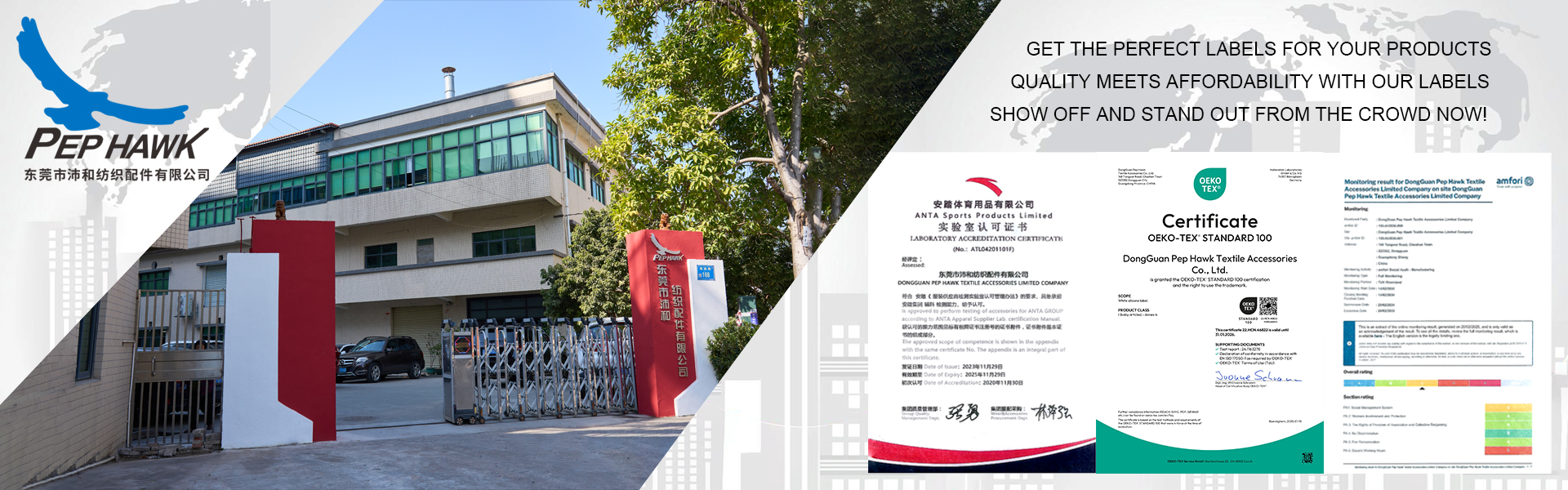
How to Make Your Social Presence Unforgettable: The Iron-On Label Hack Top Stylists Hide
How to Make Your Outfit Unforgettable: The Cloth Patch Hack Top Stylists Hide



