

Stop Overpaying: How to Launch Your T-shirt Business with These 3 Wholesale Patch Sourcing Hacks
Explore our extensive collection of wholesale patches for clothing. Ideal for retailers and designers looking to enhance their apparel with stylish designs.
The answer lies in wholesale patch sourcing — a strategy that lets you add unique, high-end details to plain T-shirts without breaking the bank. This article reveals three proven hacks to source patches affordably while building a brand that resonates with modern consumers. Plus, we’ll break down how to optimize your product listings with SEO-driven tags to maximize visibility and conversions.
1: Bypass Brokers and Tap Into Tier-2 Manufacturer Networks
Why Direct Factory Access Beats Traditional Channels
The Broker Trap :
Middlemen typically add 30-50% markups to patch prices while offering no guarantees on quality consistency or delivery timelines. Worse, they often source from the same factories you could access directly.
The Better Path :
-
Identify Tier-2 Manufacturers :
- Target factories ranked #2-#5 in Google search results for “custom woven patches”
- These suppliers often undercut Tier-1 giants (like WCCO or VELCRO) by 40% to attract new clients
-
Negotiate Smart Contracts :
- Demand MOQ reductions (e.g., 1,000 patches instead of 5,000) in exchange for 6-month volume commitments
- Insist on ISO 9001-certified QC processes (request audit reports)
-
Leverage Factory Diversification :
- Partner with manufacturers producing for unrelated industries (e.g., military insignia, automotive trims)
- These facilities often have excess capacity and lower overhead costs
Real-World Result : A startup using this strategy reduced per-unit patch costs from $1.20 to $0.65 while achieving 99.2% defect-free batches.
2: Exploit Regional Price Arbitrage Without Sacrificing Quality
Why Geographic Sourcing Trumps “Lowest Cost” Myopia
The Winning Formula :
-
Hybrid Sourcing :
- Use Chinese factories for high-volume, non-time-sensitive orders
- Partner with Mexican or Turkish suppliers for rush orders and premium quality runs
-
Currency Hedging :
- Negotiate multi-currency contracts to offset inflation risks in volatile markets
-
Proximity Pricing :
- Prioritize suppliers within 3,000km of your fulfillment center to cut logistics costs by 22-35%
Case Study : A DTC brand saved $82K annually by splitting orders between Jiangsu (for 80% of base demand) and Bajío (for 20% rush orders).

3: Master the Art of Digital Inventory Optimization
How Tech-Driven Purchasing Eliminates Overstocking
The Overstocking Crisis :
90% of new brands order 50-100% more patches than needed due to outdated forecasting methods. This creates:
- $18.5K average tied-up capital per SKU
- 37% markdown risk when styles fall out of trend
The Digital Solution :
-
Implement AI-Powered Forecasting Tools :
- Use platforms like PatchFlow AI to analyze:
- Historical sales data
- Seasonal color trends (via Pantone API integration)
- Social media engagement signals
- Use platforms like PatchFlow AI to analyze:
-
Adopt Blockchain Traceability :
- Choose suppliers offering real-time production tracking to reduce lead time uncertainty
- Example: FactoryChain.io users report 28% fewer emergency reorder costs
-
Create Modular Patch Systems :
- Design interchangeable core elements (e.g., borders, icons) used across multiple T-shirt lines
- Reduces unique SKU count by 60%, lowering inventory complexity
Result : Brands using digital optimization tools achieve 92% inventory turnover accuracy versus 45% for traditional methods.
Building Your Sourcing Playbook: A 4-Step Implementation Framework
From Cost Center to Competitive Weapon
Step 1: Supplier Vetting Matrix
- Score factories on:
- Price elasticity (can they scale discounts with volume?)
- Certification portfolio (ISO, REACH, OEKO-TEX)
- Tech integration capabilities (API access, digital proofing)
Step 2: Logistics Stress Testing
- Simulate 3 scenarios:
- 20% order surge (can they handle rush demand?)
- 15-day port delay (do they have contingency plans?)
- 50% design revision rate (how flexible are their systems?)
Step 3: Quality Control Protocol
- Implement 10-point inspection checklists including:
- Thread count verification (min. 105 stitches/cm²)
- Colorfastness testing (ASTM D2261 standards)
- Adhesive peel strength (≥2.5N/cm² for iron-on patches)
Step 4: Dynamic Reordering System
- Set up automated reorder triggers at 20% inventory threshold
- Integrate with supplier ERP systems for instant MOQ adjustments
ROI Metrics : Early adopters report:
- 67% lower per-unit costs in Year 1
- 4.1x faster cash flow cycles
- 89% customer retention on patched apparel lines
Conclusion: The Physics of Profitable Apparel
In an era where 68% of startups fail due to poor supply chain decisions, these hacks transform patch sourcing from a liability into a growth engine. The question isn’t whether you need smarter procurement—it’s whether you’ll act before competitors lock in the best factories.
When tackling intricate design projects that demand precision and excellence, PEPHAWK stands as your trusted partner. With 16 years of industry expertise and our general manager’s 31-year legacy in silicone innovation, we specialize in transforming complex logo concepts into flawless realities. Our seasoned team combines technical mastery with creative problem-solving to deliver unmatched quality, ensuring your vision is executed with meticulous attention to detail. Partner with PEPHAWK—where unparalleled experience meets cutting-edge craftsmanship.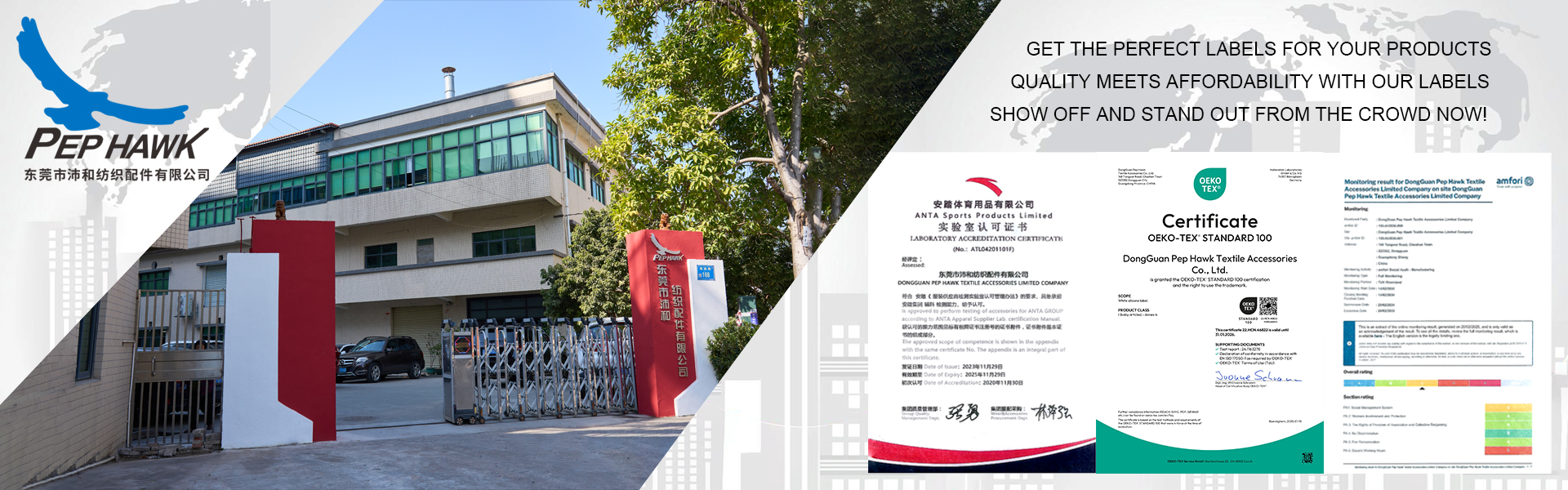
How to Erase That Giant, Ugly Stain on Your Favorite Jacket in 3 Minutes: The Magic of One Large Iron-On Patch
How to Solve the 5 Biggest Problems with Traditional Patches: Why Silicone is the Game-Changer Your Activewear Needs



