Strategic Mastery in Wholesale Iron-On Patches
Explore our wholesale iron-on patches collection for unique designs that add flair to any garment. Perfect for businesses and DIY enthusiasts alike!
The global embroidered patches market is projected to surge from $3.21 billion in 2024 to $5.67 billion by 2033, signaling unprecedented opportunities for brands leveraging this versatile branding tool. With a compound annual growth rate (CAGR) of 10.48%, the industry’s expansion demands strategic cost management and creative design approaches to stand out in a crowded marketplace. This article explores how businesses can master wholesale iron-on patch procurement while delivering captivating brand narratives.
Cost Architecture: Beyond the Price Tag
Smart cost optimization begins with understanding the total value equation, not just unit pricing. Ordering in bulk reduces unit costs significantly for frequent users, transforming patches from a line-item expense into a scalable brand asset. However, savvy buyers dig deeper:
- Supplier Vetting Frameworks: Prioritize partners offering transparent pricing tiers, quality assurance protocols, and flexible MOQs (Minimum Order Quantities).
- Hidden Cost Mitigation: Factor in shipping timelines, customs duties, and potential rework costs when comparing quotes. Reliable suppliers streamline these variables through consolidated logistics.
- Budget-Friendly Customization: Platforms like Printify eliminate minimum order requirements, allowing startups to test designs risk-free while maintaining premium quality.
A Houston-based apparel brand recently slashed production costs by 22% by shifting from 500-piece trial batches to 5,000-piece strategic orders—proving that volume intelligence trumps reactive purchasing.
Design Strategy: Where Creativity Meets Commerce
Gone are the days of generic logo transfers. Today’s iron-on patches must tell stories while surviving wash cycles and wear. Consider these innovation pillars:
1. Tech-Enabled Personalization
Digital design portals let clients manipulate colors, dimensions, and textures in real-time, reducing approval cycles by 65%. Brands like Patagonia now offer "design-your-own" patch experiences, turning customers into co-creators while gathering invaluable preference data.
2. Sustainable Storytelling
Eco-conscious patches using recycled polyester threads command 18% price premiums while aligning with Gen Z values. A European outdoor gear company boosted social media engagement by 40% when highlighting their patches’ biodegradable backing in campaign visuals.
3. Functional Aesthetics
Innovative designs now integrate QR codes woven into border stitches, linking physical products to digital loyalty programs. Military-grade adhesive formulations ensure patches survive extreme conditions—a critical selling point for tactical apparel brands.
Winning Case Study: The "Patches-as-Service" Model
Leading supplier StitchCraft revolutionized client relationships by bundling patches with value-added services:
- Free Design Consultations: Their team transforms vague concepts into production-ready files within 24 hours.
- Dynamic Pricing Tiers: Clients unlock automatic discounts when combining seasonal collections into single production runs.
- Augmented Reality Previews: Mobile apps let buyers visualize patches on actual garments pre-order.
This holistic approach increased client retention by 37% and reduced design rejection rates from 28% to 9% in 18 months. As one client noted: "They don’t sell patches—they solve our branding headaches."
Future-Proofing Your Patch Strategy
Three emerging trends will define tomorrow’s winners:
- On-Demand Micro-Lots: Print-on-demand technology enables hyper-localized collections (e.g., city-specific patches for tour merchandise).
- Smart Material Integration: Conductive thread patches that interact with wearable tech are entering pilot phases.
- Blockchain Authentication: Luxury brands are embedding microscopic QR patches to verify product provenance.
Conclusion: Patches as Profit Catalysts
Wholesale iron-on patches have evolved from utilitarian labels to strategic business accelerators. By implementing data-driven cost models and human-centered design processes, brands transform this humble accessory into a revenue driver. As the market approaches $272 million by 2030, early adopters of integrated patch strategies will capture disproportionate value.
Remember: The most successful patch programs don’t just decorate products—they deepen customer relationships, streamline operations, and turn every garment into a storytelling canvas. Whether you’re outfitting corporate teams or launching streetwear collections, the right patch strategy today builds brand equity for tomorrow.
When confronted with the task of producing intricate design drafts of the highest quality, PEPHAWK is here to provide the perfect solution. With over 16 years of industry experience and our esteemed general manager boasting 31 years of expertise in the silicone industry, we are the ultimate choice for tackling your challenging logo design projects. Select PEPHAWK for our unmatched proficiency and rest assured in the impeccable outcomes we consistently deliver.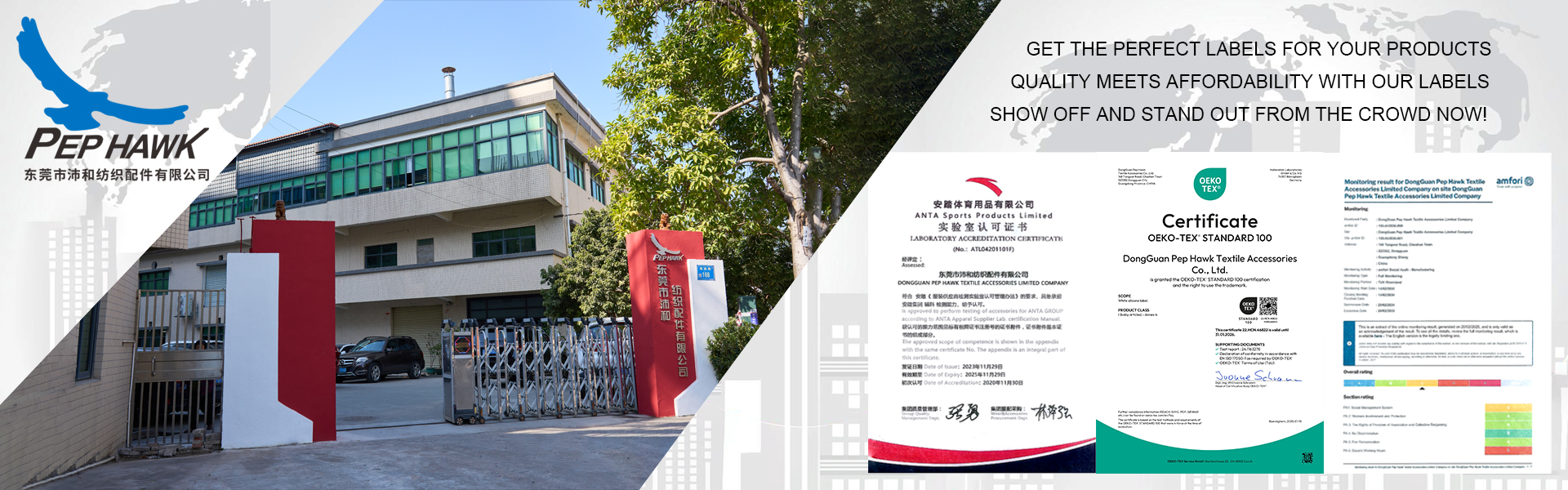
Cost Optimization and Design Innovation for Wholesale Success
Mastering Cost Optimization and Design Innovation with Chenille Patches