Beyond Stitches & Ink: The Hidden Magic of Sublimated Patches
2026-01-21
Table of Contents
- I. Introduction
- II. Core Definition & Sublimation Principle
- III. Key Characteristics of Sublimated Patches
- IV. Step-by-Step Manufacturing Process
- V. Common Applications of Sublimated Patches
- VI. Pros & Cons of Sublimated Patches
- VII. Sublimated Patches vs. Traditional Patch Types
- VIII. Tips for Choosing & Using Sublimated Patches
- IX. Conclusion
Among versatile options, sublimated patches stand out as a premium choice for those seeking vivid, long-lasting results.
I. Introduction
Explaining sublimated patches core concept, how they’re made, key features, common uses, and how they stack up against other patch types. Whether you’re a crafter, brand owner, or just curious, read on to unlock the secrets of this innovative decoration method.
II. Core Definition & Sublimation Principle
First, let’s clarify what a sublimated patch actually is. It’s a decorative or identifying patch created using dye sublimation technology, a process that differs drastically from surface printing.
While screen-printed or iron-on patches have ink adhering to the fabric surface, sublimated patches use ink that penetrates the material. This creates a seamless bond rather than a layered effect.
The science behind sublimation is fascinating yet straightforward. It relies on the transition of sublimation inks from a solid to a gas state—bypassing the liquid phase entirely.
When heat and pressure are applied, the solid ink turns into gas and bonds with polyester-based materials at the molecular level. Once cooled, the ink reverts to a solid, becoming part of the fabric rather than sitting on top.
III. Key Characteristics of Sublimated Patches
Visual Features
One of the biggest draws of sublimated patches is their unbeatable visual quality. They deliver high-definition, photo-realistic prints that capture even the finest details.
Unlike embroidered patches, which can blur intricate designs, sublimation handles complex patterns, gradients, and small text with ease. Color coverage is seamless, extending edge-to-edge without gaps or fading.
Another visual perk is their flat profile. There are no raised textures or bulky edges, giving the patch a smooth, natural look that blends with the base fabric.
Durability & Performance
Durability is where sublimated patches truly shine. They are highly fade-resistant, withstanding repeated washes, sunlight, and everyday wear without losing vibrancy.
Unlike screen-printed patches that can crack or peel over time, sublimated patches won’t chip—since the ink is fused with the fabric, there’s nothing to peel off.
They also maintain breathability. The process doesn’t add stiffness to the fabric, making them comfortable for apparel that touches the skin, like sportswear or t-shirts.
Material Compatibility
Sublimated patches have a key limitation: they only work with polyester or polyester-coated materials. Polyester’s synthetic fibers allow the sublimated ink to bond at the molecular level.
Natural fibers like cotton, wool, or linen won’t absorb the ink. Even blends with low polyester content (below 50%) yield poor results, with faint colors and weak adhesion.
For those wanting sublimated patches on natural fabrics, polyester-coated patches are a workaround—they act as a bridge between the natural fabric and the sublimation ink.

IV. Step-by-Step Manufacturing Process
Creating a sublimated patch involves several precise steps, each critical to achieving a high-quality finish. It starts with pre-production preparation.
Design finalization is key. Artists use vector graphics for crisp lines and color calibration to ensure the printed result matches the digital design. Any errors here will show up in the final patch.
Next, material selection. Most manufacturers use polyester patches, but polyester-coated substrates are an option for broader compatibility.
The sublimation printing stage follows. First, the design is printed onto transfer paper using special sublimation inks. These inks are formulated to sublimate under heat, unlike regular printer inks.
The patch substrate is then pre-heated. This removes moisture, which can cause blurring or uneven color if left in the fabric during pressing.
Heat-pressing is the make-or-break step. Typical parameters are 356–392°F (180–200°C) with moderate pressure, held for 15–30 seconds. Timing and temperature must be precise—too little heat, and the ink won’t bond; too much, and the fabric may warp.
Uniform pressure is also essential to ensure the ink penetrates every part of the patch surface, avoiding spotty or faded areas.
Post-production finishing polishes the patch. It’s cut to the desired shape, either standard sizes like circles or squares, or custom contours for unique designs.
A final quality inspection checks for color accuracy, ink adhesion, and any defects. Only patches that meet strict standards move on to packaging.
V. Common Applications of Sublimated Patches
Apparel Industry
Sublimated patches are a favorite in the apparel world, especially for sportswear. Brands use them for logos on jerseys, leggings, and jackets, thanks to their breathability and durability.
They’re also ideal for team uniforms—from school sports teams to recreational leagues. The high-definition prints make team names, numbers, and logos stand out clearly.
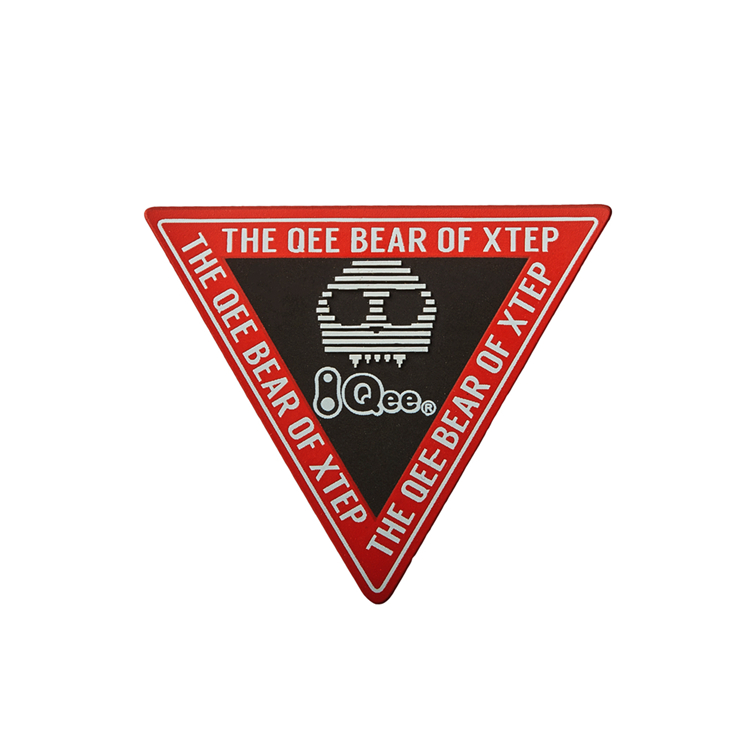
Streetwear designers love sublimated patches for bold, colorful designs. They add a unique flair without the bulk of embroidered patches.
Accessories & Promotional Products
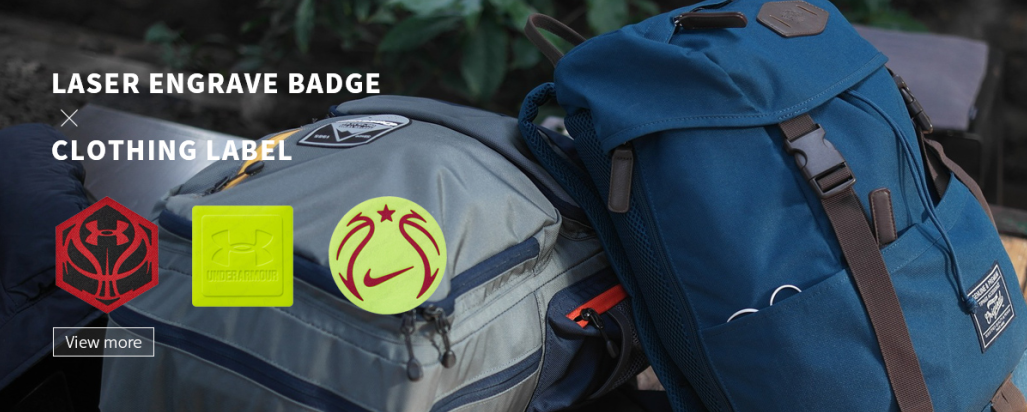
Beyond clothing, sublimated patches shine on accessories. Backpacks, hats, and luggage often feature them as identification or decorative elements.
They’re a popular choice for event souvenirs—concerts, festivals, and travel destinations use them to create memorable keepsakes. Corporate gifts also benefit from sublimated patches, as they can be customized with brand logos for a professional look.
Specialized Uses
Performance gear is another key application. Moisture-wicking athletic apparel pairs well with sublimated patches, as they don’t hinder the fabric’s sweat-wicking properties.
Service sectors like military, medical, and hospitality use them for uniforms. Their long-lasting durability ensures identification remains clear even with daily, heavy use.
VI. Pros & Cons of Sublimated Patches
Advantages
Superior visual clarity is a top advantage. Sublimation handles intricate, colorful designs that would be impossible (or costly) with embroidery or screen printing.
Durability is unmatched. Unlike traditional patches, they won’t fade, crack, or peel—making them ideal for items that get frequent use or washes.
They’re lightweight and comfortable. The flat profile means no scratchy edges or bulky feel, even on skin-tight apparel.
Disadvantages
Material restriction is the biggest downside. Being limited to polyester or coated substrates narrows their use cases compared to embroidered patches, which work on most fabrics.
Initial costs are higher. Sublimation equipment and inks are more expensive than screen printing supplies, making small-batch orders less cost-effective.
They’re not ideal for 3D or textured designs. If you want a raised, tactile patch, embroidery is a better choice—sublimation only offers a flat finish.
VII. Sublimated Patches vs. Traditional Patch Types
Sublimated vs. Embroidered Patches
Design complexity is the main difference. Sublimation excels at fine details, gradients, and photo-realistic designs, while embroidery offers a 3D, textured look that’s classic and tactile.
Cost efficiency varies by order size. Sublimation is better for small runs, as setup costs are lower. Embroidery becomes more cost-effective for bulk orders, as the per-unit cost drops significantly.
Sublimated vs. Screen-Printed Patches
Durability sets them apart. Sublimated ink penetrates the fabric, while screen-printed ink sits on top—making sublimated patches more resistant to wear and washing.
Color range is another factor. Sublimation offers unlimited colors with no extra cost, while screen printing charges per color layer, limiting design flexibility.
VIII. Tips for Choosing & Using Sublimated Patches
Selection Guidelines
Match the patch material to your target fabric. If you’re attaching the patch to cotton, opt for a polyester-coated patch to ensure adhesion.
Work with a reputable manufacturer that offers color-matching services. This ensures the patch’s colors align with your brand or design vision.
Application Best Practices
Follow the manufacturer’s heat-press parameters. Even small deviations in temperature or time can ruin the patch’s adhesion or color.
Provide proper care instructions. While sublimated patches are durable, washing the base garment in cold water and air-drying will extend their lifespan.
IX. Conclusion
Sublimated patches offer a unique blend of quality, durability, and design versatility. Their ability to create high-definition, long-lasting prints makes them a top choice for apparel branding, team gear, and custom crafts.
While they have limitations—like material restrictions and higher initial costs—their benefits far outweigh the drawbacks for the right use cases. As customization trends continue to grow, sublimated patches are poised to remain a go-to option for anyone seeking premium, vibrant decorations.
Whether you’re a hobbyist looking to add flair to your projects or a brand owner aiming to elevate your apparel line, understanding sublimated patches opens up a world of creative possibilities.
PEPHAWK is proud to highlight our integrated one-stop service—seamlessly combining professional design, R&D, and manufacturing capabilities to deliver cohesive, end-to-end solutions for our valued clients.
Our core product range covers a diverse selection of high-quality accessories and silicone-based items, including:
- Garment Accessories: Silicone Labels, Micro Fiber Labels, TPU Labels, Leather Labels
- Electronic & Lifestyle Gadgets: Silicone Mobile Phone Skins, Silicone MP3 Skins, Silicone Chaplets, Silicone Bracelets
Beyond our core offerings, we also connect clients with complementary products through our trusted affiliated companies, ensuring all your needs are met under one partnership.
What sets us apart is our specialized expertise in key manufacturing processes: Silk Screen Printing, High-Frequency Welding, Sublimation Printing, Seamless Fabric Processing, and Laser Cutting. These capabilities allow us to serve a wide array of industries—from garments, shoes, caps, and gloves to electronic devices, bags, and sporting equipment—with products that blend durability, functionality, and aesthetic appeal.
At PEPHAWK, customer satisfaction is our top priority. We’re committed to providing responsive, thorough support, and guarantee a same-day response to all inquiries—no exceptions. You can rely on us for consistent quality, reliable delivery, and a partnership that’s as efficient as it is trustworthy.
Whether you’re looking for custom apparel labels, protective silicone skins, or tailored manufacturing solutions, PEPHAWK has the expertise and flexibility to bring your vision to life.
How to Choose PVC Rubber Patch in 2026
Luxury Designer Patches – Elevating Fashion with Exclusivity and Craftsmanship


SEND MESSAGE