

What Do Iron On Patches Look Like Exploring Styles Textures and Materials
2026-07-07
Wondering what do iron on patches look like in real life? We break down every texture, border style, shape and material type, with full technical specs to help you pick the perfect patches for apparel and DIY projects.
Table of Contents
- What Are Iron On Patches
- Core Design Elements of Iron On Patches
- Technical Specifications of Iron On Patches
- Common Types of Iron On Patches and Their Appearance
- How Iron On Patches Look When Applied
- Factors That Affect Patch Appearance
- Choosing the Right Patch Type for Your Project
- Frequently Asked Questions
When you first start exploring custom apparel embellishments, one of the most common questions that comes up is what do iron on patches look like. These small decorative elements have become a staple in fashion, branding, and personal expression, but many people still have only a vague idea of their actual appearance, material texture, and design variations.
Iron on patches, also known as heat transfer patches or iron-on emblems, are pre-designed decorative pieces that attach to fabric using heat and pressure. They come in an incredible range of styles, sizes, colors, and materials, making them suitable for everything from casual denim jackets to professional work uniforms. Understanding their visual characteristics helps buyers make informed decisions when selecting patches for their specific projects.
What Are Iron On Patches
Before diving into visual details, it helps to understand the basic structure of a standard iron on patch. Every iron on patch consists of two primary layers: the decorative front face and the adhesive backside.
The front face is the visible side that displays the design, logo, text, or artwork. This layer can be made from various materials including woven fabric, embroidered thread, PVC, leather, or printed fabric. The finish may be matte, glossy, textured, or smooth depending on the manufacturing process and material choice.
The backside features a heat-activated adhesive coating that remains solid at room temperature but melts when exposed to heat from a household iron or heat press. This adhesive layer is typically off-white, tan, or transparent and has a slightly rough, papery or film-like texture before application.
Most iron on patches have a distinct edge treatment that defines their shape. Common edge styles include merrowed borders, laser-cut edges, heat-cut edges, and stitched borders. Each edge type creates a slightly different visual profile and affects how the patch sits on fabric.
Core Design Elements of Iron On Patches
To fully answer what do iron on patches look like, we need to examine the key visual components that define their appearance. Every design element contributes to the overall look and feel of the finished patch.
Shape and Outline
Iron on patches are available in virtually any shape imaginable. The most common shapes include circles, squares, rectangles, shields, hearts, stars, and custom die-cut shapes that follow the exact outline of a logo or illustration.
Circular patches are among the most traditional, often used for club emblems, military insignias, and brand logos. They typically feature a continuous merrowed border that creates a clean, finished edge. Shield-shaped patches are popular for sports teams, school emblems, and achievement awards, conveying a sense of honor and tradition.
Custom shape patches follow the precise contour of the artwork. For example, a patch shaped like an animal, vehicle, or product silhouette has no uniform geometric outline. These patches use laser cutting or hot cutting technology to create sharp, precise edges that match the design perfectly.
Border Style
The border is one of the most noticeable visual features of an iron on patch. It frames the design and creates a finished look.
Merrowed borders are the classic stitched edge seen on traditional embroidered patches. They create a raised, rope-like edge that wraps around the entire perimeter of the patch. This border style gives patches a premium, structured appearance and is most commonly found on circular and regularly shaped patches.
Laser-cut borders produce a clean, flat edge with no visible stitching. The patch material is precisely cut with a laser, resulting in sharp, smooth edges that follow custom shapes perfectly. Laser-cut patches sit flatter against fabric and have a more modern, streamlined look.
Heat-sealed edges are created by cutting and sealing the patch material simultaneously, preventing fraying. This method is common for PVC patches and printed fabric patches, producing a smooth, slightly melted edge that is durable and clean.
Surface Texture
The surface texture dramatically influences what iron on patches look like and how they feel to the touch.
Embroidered iron on patches have a raised, textured surface created by thousands of stitches. The thread density affects how the surface looks – higher stitch counts produce a smoother, more detailed appearance while lower stitch counts create a more open, textured look. The thread itself has a subtle sheen that catches light, giving embroidered patches a classic, dimensional quality.
Woven iron on patches have a much flatter, smoother surface with fine, intricate detail. The design is woven directly into the fabric using colored threads, creating a tapestry-like appearance. Woven patches can reproduce very fine text and complex gradients that would be impossible with embroidery, and they have a smooth, fabric-like finish.
PVC or rubber iron on patches have a smooth, slightly rubbery surface with a matte or semi-gloss finish. They are fully 3D-molded, meaning design elements can be raised or recessed to create depth. PVC patches have a modern, durable look and are often used for outdoor gear, tactical equipment, and casual apparel.
Printed iron on patches have the flattest, smoothest surface. The design is printed directly onto fabric using sublimation or screen printing, resulting in photo-realistic detail, smooth color gradients, and a surface that feels like regular printed fabric.
Color Presentation
Color is a defining visual characteristic of iron on patches. The color presentation varies significantly by patch type.
Embroidered patches use solid thread colors, typically matched to Pantone color codes. Each color is a separate thread, so designs tend to have distinct blocks of color rather than smooth gradients. The thread has a natural luster that gives colors depth and richness.
Woven patches can achieve more color blending because the warp and weft threads interlace to create intermediate shades. While still primarily solid colors, woven patches can produce subtle gradients and finer color transitions than embroidery.
Full-color printed patches can reproduce virtually any color, including photographic images, smooth gradients, shadows, and highlights. The color range is essentially unlimited, making printed patches ideal for complex artwork with many color variations.
PVC patches are available in solid Pantone-matched colors with either matte or glossy finishes. Colors are vibrant and consistent, and the 3D nature of molded PVC creates depth through shadow and raised surfaces rather than color blending.
Size and Proportion
Iron on patches range dramatically in size, from tiny 0.5-inch accent patches to large 8-inch back patches for jackets. The size directly impacts how visible detail is and what the patch looks like when applied.
Small patches (0.5 to 2 inches) typically feature simple designs, bold text, or minimal logos. Fine details may be limited at this scale. These are commonly used on hats, shirt collars, bag straps, and shoe tongues.
Medium patches (2 to 4 inches) are the most versatile size. They can display moderate detail, readable text, and full logos. This size works well on shirt chests, jacket sleeves, backpack panels, and jeans pockets.
Large patches (4 inches and above) allow for intricate artwork, multiple text elements, and complex scenes. Jacket back patches, blanket patches, and large bag patches fall into this category. At larger sizes, individual stitches or weave patterns become less noticeable and the overall design dominates.
Technical Specifications of Iron On Patches
Understanding the physical parameters helps complete the picture of what iron on patches look like and how they perform. Below are detailed specifications for the most common iron on patch types.
Standard Patch Dimensions and Physical Parameters
|
Parameter
|
Embroidered Iron On Patch
|
Woven Iron On Patch
|
PVC Iron On Patch
|
Printed Iron On Patch
|
|
Standard thickness
|
0.35 – 0.6 mm
|
0.2 – 0.35 mm
|
0.5 – 1.2 mm
|
0.15 – 0.25 mm
|
|
Typical weight per sq inch
|
0.8 – 1.2 g
|
0.5 – 0.8 g
|
1.5 – 2.5 g
|
0.3 – 0.5 g
|
|
Backing type
|
Heat seal adhesive
|
Heat seal adhesive
|
Heat seal film
|
Heat seal adhesive
|
|
Backing color
|
Off-white / tan
|
Off-white / tan
|
Translucent film
|
Off-white
|
|
Standard edge options
|
Merrowed, laser cut
|
Laser cut, heat cut
|
Molded edge, laser cut
|
Laser cut, heat cut
|
|
Minimum detail size
|
0.8 mm line width
|
0.2 mm line width
|
0.5 mm line width
|
0.1 mm line width
|
|
Minimum readable text
|
6pt bold
|
4pt regular
|
5pt bold
|
3pt regular
|
Application and Durability Parameters
|
Parameter
|
Value Range
|
Notes
|
|
Standard application temperature
|
150°C – 180°C (302°F – 356°F)
|
Varies by material type
|
|
Application pressure
|
Medium to firm
|
30-50 psi for heat press
|
|
Press time
|
10 – 20 seconds
|
Depends on patch size and fabric
|
|
Peel temperature
|
Hot peel or warm peel
|
Varies by adhesive type
|
|
Wash durability
|
30 – 50+ cycles
|
Following proper care instructions
|
|
Dry clean compatibility
|
Yes for most types
|
PVC and embroidered perform best
|
|
Temperature resistance
|
-20°C to 110°C
|
Continuous use range
|
|
Shelf life of adhesive
|
12 – 24 months
|
When stored in cool dry conditions
|
Common Types of Iron On Patches and Their Appearance
Now that we have covered the core design elements and technical specs, let us look at how these come together in the most popular patch varieties.
Embroidered Iron On Patches
Embroidered iron on patches are the most traditional and widely recognized style. When people ask what do iron on patches look like, they are often picturing embroidered patches.
These patches have a distinct stitched appearance with visible thread texture across the surface. Under close inspection, you can see individual stitches arranged in fill patterns, satin stitches, and running stitches. The surface has a slight three-dimensional quality because the thread sits above the base fabric. Light reflects off the thread giving the patch a subtle sheen.
Embroidered patches typically have a twill base fabric visible in areas not covered by stitching. Common base colors include white, black, navy, and khaki. The percentage of the design covered by stitching is referred to as embroidery coverage – it can range from 50% to 100%. Full embroidery coverage means no base fabric is visible, creating a completely stitched surface.
The edges are almost always finished with a merrowed stitch on regularly shaped patches, creating a thick, raised border that matches or complements the design colors. Custom-shaped embroidered patches usually have laser-cut edges with a thin, heat-sealed perimeter to prevent fraying.
Woven Iron On Patches
Woven iron on patches have a much finer, smoother appearance than embroidered ones. The design is created by weaving colored threads together on a loom, similar to how woven clothing labels are made.
At a glance, woven patches look like detailed fabric illustrations. The surface is flat with no raised threads. Fine lines, small text, and intricate patterns are reproduced with remarkable clarity. From a short distance, a woven patch can almost look like a printed image, but up close the woven thread structure is clearly visible.
Because there is no raised stitching, woven patches lie completely flat against fabric when applied. They have a soft, flexible feel and are thinner than embroidered patches. The edges are typically laser-cut for precision, especially for custom shapes.
Woven iron on patches are often used for detailed logos, crests with fine linework, and designs with many small elements. They have an elegant, refined appearance that works well for premium apparel and corporate branding.
PVC Iron On Patches
PVC iron on patches have a distinctly modern, rugged appearance. Made from soft polyvinyl chloride, these patches are three-dimensional and rubbery to the touch.
The surface is smooth with a matte or semi-gloss finish. Design elements are raised from the base, creating depth through physical relief rather than color alone. Some PVC patches feature multiple raised layers for an even more dimensional look.
Colors in PVC patches are solid and vibrant. Because the material is molded rather than printed or stitched, colors remain bright and consistent even with heavy use. The edges are smooth and slightly rounded from the molding process, giving the patch a substantial, high-quality feel.
PVC iron on patches have a contemporary aesthetic commonly associated with outdoor brands, tactical gear, skate culture, and casual streetwear. They are waterproof, flexible, and extremely durable, which contributes to their rugged visual appeal.
Printed Iron On Patches
Printed iron on patches offer the most photorealistic appearance of any patch type. The design is printed directly onto a fabric base using dye sublimation, screen printing, or digital printing methods.
These patches have a completely flat, smooth surface that looks and feels like printed fabric. They can reproduce full-color artwork, photographs, gradients, shadows, and fine details with perfect accuracy. There is no visible texture from stitching or weaving – the image quality is limited only by the printing resolution.
Printed patches are the thinnest type of iron on patch. They apply smoothly and sit nearly flush with the host fabric, creating a seamless look. The edges are typically laser-cut or heat-cut for clean, precise outlines.
Sublimation printed patches have the additional advantage of the dye penetrating the fabric fibers rather than sitting on the surface, resulting in a soft hand feel and excellent wash durability. The colors remain bright and do not crack or peel with normal use.
Leather and PU Iron On Patches
Leather and faux leather (PU) iron on patches have a distinct premium, textured appearance. They bring a natural, rustic, or luxury aesthetic to garments and accessories.
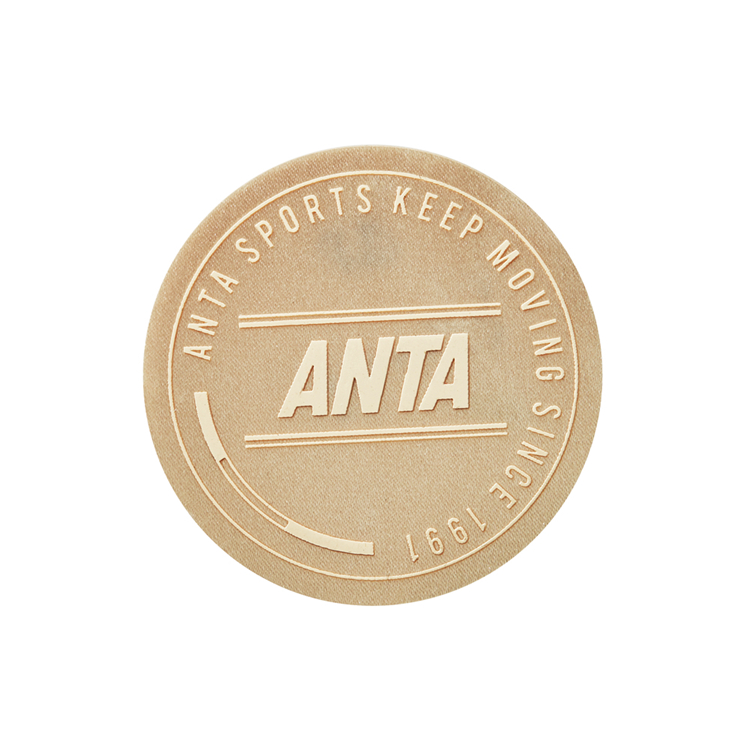
Genuine leather patches show natural grain variations and develop a patina over time. The surface can be smooth, sueded, or distressed. Designs are typically debossed (pressed into the leather), embossed (raised from the surface), or printed/foiled onto the surface.
PU leather patches offer a consistent, uniform appearance at a lower price point. They can mimic the look of various leather finishes including smooth, grainy, suede, and patent.
Both genuine and PU leather patches have a substantial, high-quality feel. The edges are usually clean-cut and may be sealed or left natural. These patches are popular on denim, leather goods, bags, hats, and premium apparel brands.
How Iron On Patches Look When Applied
The appearance of an iron on patch changes somewhat once it is applied to fabric. Understanding the applied look helps set realistic expectations.
When properly applied, the patch lies flat against the fabric with no lifting edges. The adhesive layer melts and bonds with the host fabric fibers, creating a permanent bond that is invisible from the front.
Embroidered and PVC patches maintain their dimensional appearance after application, sitting slightly raised from the fabric surface. Woven and printed patches sit much flatter, almost blending into the fabric.
The edge visibility depends on the border type. Merrowed borders remain distinctly visible and create a clear boundary between patch and fabric. Laser-cut edges create a more seamless transition, especially on thinner patch types.
On the reverse side of the garment, you can typically see a faint outline of the patch adhesive, especially on light-colored fabrics. This is normal and indicates the adhesive has properly bonded with the fabric.
Factors That Affect Patch Appearance
Several factors influence the final visual result beyond the patch itself.
Fabric type affects how smoothly the patch applies and how it sits. Smooth fabrics like cotton twill and denim provide a flat base that shows the patch design clearly. Textured fabrics like fleece, corduroy, or knit can cause slight unevenness under thinner patches.
Application technique matters significantly. Proper heat, pressure, and time ensure the adhesive melts evenly and the patch lies flat. Uneven pressure can cause edges to lift or the patch to sit crooked.
Care and washing affect long-term appearance. Following recommended care instructions – washing inside out, using cold water, avoiding harsh detergents – preserves color vibrancy and adhesive integrity. Improper care can cause edge lifting, fading, or adhesive breakdown over time.
Choosing the Right Patch Type for Your Project
With a clear understanding of what iron on patches look like across different types, you can make better decisions for your specific project.
Choose embroidered iron on patches if you want a classic, textured, traditional look with a premium feel. They work best for designs with moderate detail, solid colors, and when you want that recognizable stitched aesthetic.
Choose woven iron on patches if you need fine detail, small text, or intricate logos with a smooth, flat finish. They offer a more refined look than embroidery and work well for corporate branding and detailed crests.
Choose PVC iron on patches if you need durability, waterproof performance, and a modern, rugged 3D appearance. They are ideal for outdoor gear, workwear, tactical items, and designs that need to withstand harsh conditions.
Choose printed iron on patches if you have full-color artwork, photographs, gradients, or very fine detail. They offer the most design freedom at an affordable price point and create a seamless, integrated look on fabric.
Choose leather or PU iron on patches if you want a premium, natural, or rustic aesthetic that adds texture and perceived value. They work exceptionally well with denim, leather goods, and heritage-style brands.
Frequently Asked Questions
Can iron on patches have metallic colors?
Yes, metallic threads are available for embroidered and woven patches, and metallic foil printing is available for printed and leather patches. Gold, silver, copper, and holographic metallic effects add a shiny, eye-catching element to patch designs.
How thick are iron on patches compared to other embellishments?
Iron on patches are generally thicker than direct screen printing and heat transfer vinyl, but thinner than sewn-on woven badges and thick embroidered emblems. Thickness ranges from 0.15mm for thin printed patches up to 1.2mm for thick 3D PVC patches.
Do iron on patches have a visible outline around the design?
This depends on the edge style. Merrowed borders create a very distinct visible outline. Laser-cut patches following the exact design shape have minimal visible outline, especially from a distance. Some patch styles include a deliberate background border as part of the design itself.
Can iron on patches be made with transparent areas?
Certain types, particularly PVC and printed patches, can incorporate clear or translucent sections. Embroidered and woven patches are typically opaque, though mesh and open-stitch techniques can create semi-transparent effects.
What Do Sew On Embroidered Patches Really Do
Custom Debossed Leather Patches Elevate Apparel Branding With Timeless Quality




SEND MESSAGE