

Vinyl Label Production and Design: A Comprehensive Guide
2025-11-24
Explore vinyl label production process and diverse design patterns like vintage, minimalist, and metallic styles for durable, customizable label vinyl solutions.
Manufacturing Process of Label Vinyl
Creating label vinyl involves a series of precise steps to ensure durability, aesthetic appeal, and functionality. Here’s a detailed breakdown:
-
Material Selection
The foundation of a vinyl label is high-grade, weather-resistant vinyl, chosen for its ability to withstand UV exposure, moisture, and temperature changes. Additionally, a strong adhesive backing is selected to ensure adherence to various surfaces (glass, plastic, metal). For premium applications, consider vinyl with enhanced thickness or flexibility.
-
Design Digitization
Designs are converted into vector-based digital formats (using software like Adobe Illustrator) to ensure scalability without quality loss. Color profiles (e.g., CMYK for printing) are set to guarantee accurate color reproduction. Intricate details, logos, and typography are optimized for both printing and subsequent die-cutting.
-
Printing
Digital or screen printing is used, with UV printing being a popular choice for label vinyl. UV printing cures ink instantly under UV light, resulting in scratch-resistant, vibrant prints. For large runs, screen printing offers cost efficiency and bold color saturation, while digital printing excels for complex, multi-color designs and small batches.
-
Die-Cutting
After printing, vinyl sheets undergo die-cutting using a custom metal die shaped to the label’s design. This process ensures precise, clean edges for any shape (circular, rectangular, custom). Automated die-cutting machines maintain consistency and efficiency, even for high-volume production.
-
Lamination (Optional)
A clear vinyl laminate is applied for added protection against water, chemicals, and abrasion. Lamination also provides finish options: glossy (for vibrancy), matte (for a subtle look), or textured (for tactile appeal). This step is crucial for labels used in harsh environments or for luxury branding.
-
Quality Control and Finishing
Rigorous quality checks verify print accuracy, color consistency, die-cut precision, and adhesive strength. Labels are then packaged, with optional enhancements like embossing or foiling to add tactile or metallic elements for premium branding.
Recommended Design Patterns for Label Vinyl
Label vinyl’s versatility supports endless design styles. Below are popular patterns suited for different industries and aesthetics:
Vintage-Inspired Patterns
Vintage designs evoke nostalgia, making them ideal for craft breweries, artisanal foods, and retro brands. Incorporate distressed textures, ornate serif typography, and muted color palettes (taupe, faded navy). For example, a whiskey label could feature a vintage map background and aged paper textures to convey tradition.
Minimalist Patterns
Minimalism emphasizes simplicity, perfect for modern tech, skincare, or lifestyle brands. Use clean lines, ample white space, and sleek sans-serif fonts. A skincare serum label might use a monochromatic palette, bold typography, and subtle icons to communicate elegance.
Artistic Illustration Patterns
Artistic illustrations (hand-drawn, watercolor, abstract) suit indie cosmetics, specialty coffee, or boutique fashion. A craft coffee label could feature detailed illustrations of coffee beans and botanicals, printed on textured vinyl to highlight artistry.
Natural and Botanical Patterns
Eco-conscious brands favor natural patterns with plants, flowers, or landscapes in earthy tones (forest green, terracotta). An herbal tea label might showcase intricate herb illustrations on matte vinyl for an organic, earthy feel.
Geometric and Abstract Patterns
Geometric designs (triangles, hexagons, gradients) work for tech, modern furniture, or art brands. A wireless charger label could use metallic gradients and geometric shapes on glossy vinyl to emphasize a futuristic vibe.
Cultural and Ethnic Patterns
Draw from global cultures (tribal motifs, batik prints) for story-driven labels. A handmade textile brand might use Indian block-print patterns with vibrant colors to reflect cultural heritage.
Metallic and Foil-Accented Patterns
Gold, silver, or rose gold foils add luxury, ideal for premium spirits or cosmetics. A perfume label could feature matte black vinyl with gold foil lettering and floral motifs to exude opulence.
Whimsical and Playful Patterns
Bright colors, cartoon illustrations, and playful typography suit kids’ products or novelties. A bubble gum label might use colorful, cartoonish bubbles on glossy vinyl to attract attention.
In summary, label vinyl merges durability with creative freedom. By understanding its production process and exploring diverse design patterns, brands can create labels that engage audiences and strengthen brand identity, whether aiming for vintage charm, modern minimalism, or artistic innovation.
When confronted with the task of producing intricate design drafts of the highest quality, PEPHAWK is here to provide the perfect solution. With over 16 years of industry experience and our esteemed general manager boasting 31 years of expertise in the silicone industry, we are the ultimate choice for tackling your challenging logo design projects. Select PEPHAWK for our unmatched proficiency and rest assured in the impeccable outcomes we consistently deliver.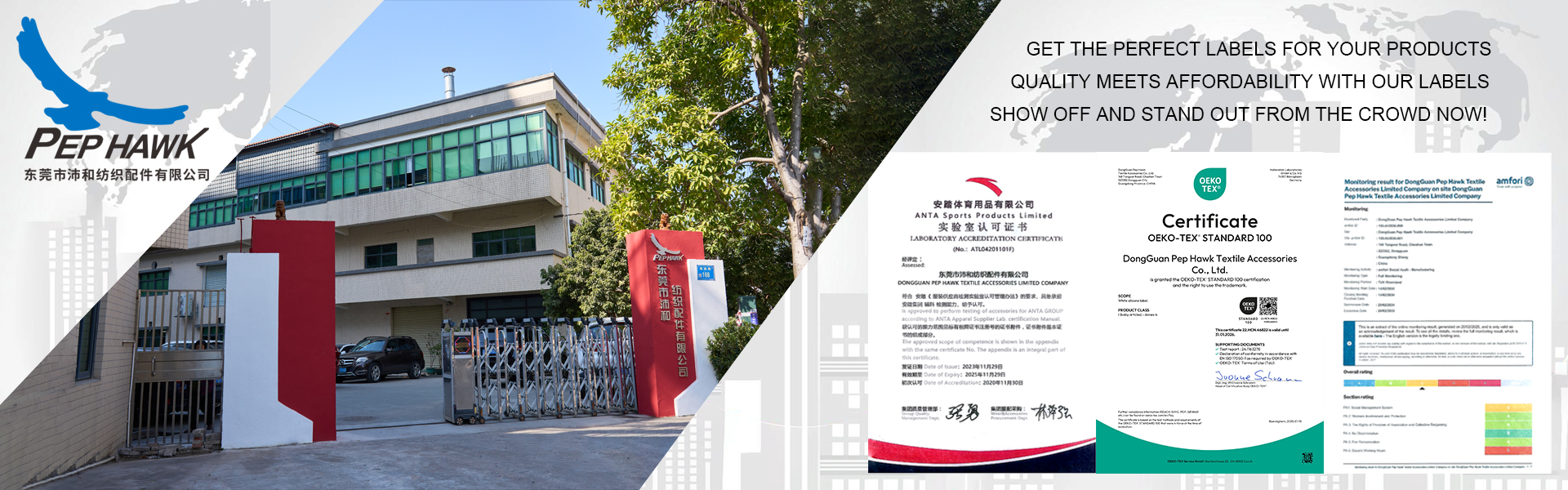
Fabric Patches: Practical Solutions for Clothing Longevity and Personal Style
Sticky Stories: The Magic Behind Vinyl Labels – Production & Quality Secrets




SEND MESSAGE