

Different Types of Vinyl Iron On (HTV) for DIY Enthusiasts
2026-04-14
📚 Table of Contents
- Main Title
- 1. What Is Vinyl Iron On (HTV)?
- 2. Basic & General-Purpose Vinyl Iron On
- 3. Decorative & Effect Vinyl Iron On
- 4. Textured & Special-Form Vinyl Iron On
- 5. Functional & Performance Vinyl Iron On
- 6. Fabric-Specific Vinyl Iron On
- 7. How to Choose the Right Vinyl Iron On for Your Project
- 8. Conclusion
If you’re into DIY crafts, custom clothing, or small-batch branding, you’ve likely heard of vinyl iron on—also known as heat transfer vinyl (HTV).
This versatile material lets you add unique designs, logos, and text to fabrics with just a heat source (like an iron or heat press) and a cutting machine. But with so many types of vinyl iron on available, choosing the right one for your project can feel overwhelming.
1. What Is Vinyl Iron On (HTV)?
Before diving into the types, let’s start with the basics. Vinyl iron on is a special type of vinyl designed to adhere to fabrics when heat and pressure are applied. Unlike adhesive vinyl (which is used for hard surfaces like mugs or laptops), HTV has a heat-activated adhesive backing that melts when heated, creating a permanent bond with the fabric.
It’s available in a wide range of colors, finishes, and textures, making it ideal for almost any fabric project. Most HTV works with common fabrics like cotton, polyester, and blends, but some types are specifically designed for more challenging materials like nylon or waterproof fabrics. The key to a successful project is choosing the right HTV for your fabric and design goals.
2. Basic & General-Purpose Vinyl Iron On
Basic vinyl iron on is the starting point for most DIY projects. It’s affordable, easy to use, and comes in a vast array of solid colors. This type is perfect for beginners or anyone looking for a simple, clean finish. There are two main subtypes of basic HTV: PU and PVC.
|
Type
|
Key Features
|
Suitable Fabrics
|
Pros
|
Cons
|
|---|---|---|---|---|
|
Standard PU Vinyl
|
Soft, thin, flexible, matte or glossy finish, easy to cut and weed
|
Cotton, polyester, cotton-poly blends
|
Comfortable to wear, durable, machine washable, eco-friendly
|
Slightly more expensive than PVC
|
|
Standard PVC Vinyl
|
Thicker, stiffer, glossy finish, easy to cut and weed
|
Cotton, polyester, cotton-poly blends
|
Affordable, wide color selection, long-lasting
|
Less flexible, can feel stiff on fabric, not eco-friendly
|
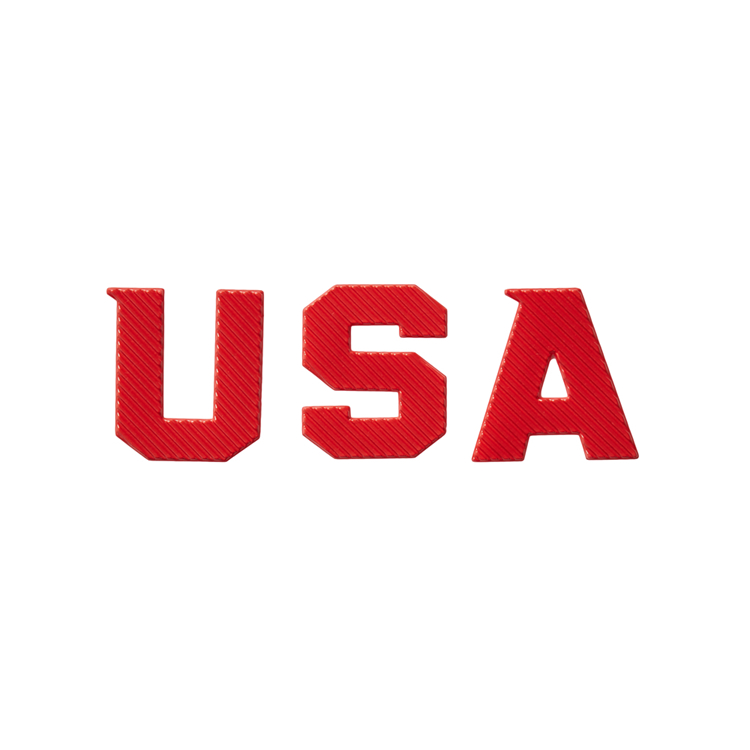
PU (polyurethane) vinyl is the most popular choice for clothing because it’s soft and flexible, so it moves with the fabric instead of feeling rigid. It’s also machine washable (usually up to 50 washes) and doesn’t crack or peel easily. PVC (polyvinyl chloride) vinyl is cheaper but stiffer, making it better for projects where flexibility isn’t a priority, like tote bags or decorative pillows.
Both types are easy to cut with a Cricut, Silhouette, or other cutting machine, and weeding (removing the excess vinyl around your design) is straightforward. If you’re new to HTV, start with standard PU vinyl—its versatility and ease of use make it a great入门 option.
3. Decorative & Effect Vinyl Iron On
If you want your designs to stand out, decorative and effect vinyl iron on is the way to go. These types add texture, shine, or unique visual effects to your projects, making them perfect for special occasions, gifts, or eye-catching merch. Let’s break down the most common decorative HTV types.
|
Type
|
Key Features
|
Best Use Cases
|
Notes
|
|---|---|---|---|
|
Glitter Vinyl
|
Sparkly, metallic finish, available in fine or chunky glitter
|
Birthday shirts, cheerleading uniforms, party favors
|
Weeding can be tricky (glitter may stick to excess vinyl); use a weeding tool for precision
|
|
Metallic & Chrome Vinyl
|
Shiny, reflective finish (gold, silver, copper, chrome)
|
Logos, formal wear, holiday designs
|
Requires lower heat to avoid melting; may show fingerprints easily
|
|
Neon / Fluorescent Vinyl
|
Bright, vibrant colors that glow under blacklight
|
Halloween costumes, party shirts, event merch
|
Colors may fade slightly after multiple washes; best for occasional use
|
|
Patterned & Printed Vinyl
|
Pre-printed designs (floral, stripes, polka dots, graphics)
|
Tote bags, kids’ clothing, accent designs
|
Cut carefully to avoid cutting through the design; some patterns are directional
|
|
Reflective Vinyl
|
Highly reflective, visible in low light
|
Safety gear, running shirts, outdoor accessories
|
Thicker than standard HTV; requires more pressure during application
|
|
Glow-in-the-Dark Vinyl
|
Absorbs light and glows in the dark for 4-6 hours
|
Kids’ clothing, Halloween costumes, novelty items
|
Glow intensity fades over time; charge with sunlight or artificial light before use
|
Decorative HTV is a fun way to add personality to your projects, but it’s important to note that some types (like glitter or metallic) require slightly different application techniques. For example, glitter vinyl needs a longer press time to ensure the adhesive melts fully, while reflective vinyl needs more pressure to bond with the fabric.
When using patterned or printed HTV, always check the manufacturer’s instructions—some designs are printed on a clear carrier sheet, while others have a white background, which may affect how they look on dark fabrics.
4. Textured & Special-Form Vinyl Iron On
Textured vinyl iron on adds a tactile element to your designs, making them stand out not just visually, but also to the touch. These types are perfect for creating dimension and depth, and they work well for both bold and subtle designs. Let’s explore the most popular textured HTV options.
|
Type
|
Texture & Finish
|
Suitable Projects
|
Care Tips
|
|---|---|---|---|
|
3D Puff Vinyl (Foam Vinyl)
|
Raised, foam-like texture; adds 3D depth to designs
|
Letters, logos, patches, kids’ clothing
|
Wash inside out on gentle cycle; avoid high heat drying (may flatten the puff)
|
|
Flocked Vinyl
|
Soft, velvet-like texture; matte finish
|
Sweatshirts, jackets, decorative pillows
|
Avoid ironing directly on the flocked surface; use a pressing cloth
|
|
Soft Matte Vinyl
|
Smooth, matte finish; ultra-soft to the touch
|
T-shirts, loungewear, baby clothing
|
Machine washable; retains softness after multiple washes
|
|
High-Gloss Vinyl
|
Shiny, glossy finish; sleek and modern look
|
Logos, athletic wear, promotional items
|
Avoid harsh detergents; may show scratches easily
|
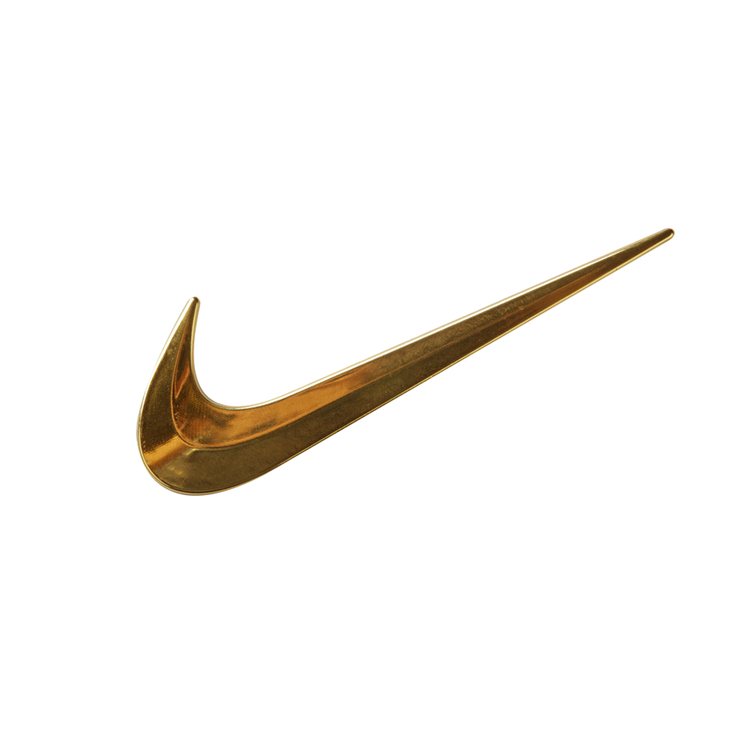
3D puff vinyl is one of the most popular textured HTV types because it creates a dramatic, eye-catching effect. When heated, the vinyl expands slightly, creating a raised, foam-like texture that adds depth to letters and logos. It’s important to use a heat press for 3D puff vinyl (instead of a household iron) to ensure even heat distribution and maximum puff.
Flocked vinyl is perfect for projects where you want a soft, luxurious feel—think sweatshirts or baby onesies. It’s available in a range of colors, and its velvet-like texture makes it stand out from standard HTV. Soft matte vinyl is ideal for clothing where comfort is key, as it’s ultra-soft and doesn’t feel stiff on the skin.
5. Functional & Performance Vinyl Iron On
Functional vinyl iron on is designed for specific performance needs, such as stretchability, durability, or eco-friendliness. These types are perfect for projects that require extra resilience, like sportswear, workwear, or items that will be washed frequently. Let’s take a look at the main functional HTV types.
|
Type
|
Key Functional Features
|
Ideal Applications
|
Benefits
|
|---|---|---|---|
|
Stretch Vinyl
|
Highly flexible, stretches with the fabric (up to 300% stretch)
|
Sportswear, leggings, swimwear, spandex fabrics
|
Doesn’t crack or peel when stretched; stays intact during movement
|
|
Wash-Resistant & Durable Vinyl
|
Resistant to fading, cracking, and peeling; up to 100+ washes
|
Workwear, school uniforms, frequently washed items
|
Long-lasting; maintains color and shape after repeated washes
|
|
Eco-Friendly & Water-Based Vinyl
|
Made from non-toxic, water-based materials; PVC-free
|
Baby clothing, eco-branded merch, sensitive skin
|
Safe for children and sensitive skin; environmentally friendly
|
|
Low-Temperature Iron On Vinyl
|
Activates at lower temperatures (120-140°C instead of 160-180°C)
|
Delicate fabrics (silk, lace, linen, polyester blends)
|
Won’t damage delicate fabrics; gentle on sensitive materials
|
Stretch vinyl is a must for sportswear and other stretchy fabrics. It’s designed to move with the fabric, so it won’t crack or peel when you stretch or bend. This type is often used for leggings, yoga pants, and athletic jerseys, where flexibility is key.
Wash-resistant vinyl is perfect for items that will be washed frequently, like work uniforms or kids’ clothing. It’s formulated to withstand high temperatures and harsh detergents, ensuring your design stays intact for months (or even years). Eco-friendly vinyl is a great choice for brands or individuals who want to reduce their environmental impact— it’s PVC-free, non-toxic, and safe for both people and the planet.
Low-temperature vinyl is ideal for delicate fabrics that can’t handle high heat, like silk, lace, or linen. It activates at a lower temperature, so it won’t scorch or damage the fabric while still creating a strong bond.
6. Fabric-Specific Vinyl Iron On
Not all vinyl iron on works with all fabrics. Some fabrics are more challenging to work with than others, so manufacturers have created fabric-specific HTV to ensure the best results. Let’s break down the most common fabric-specific types.
|
Fabric Type
|
Recommended HTV
|
Application Tips
|
Avoid These HTV Types
|
|---|---|---|---|
|
Light-Colored Fabrics (White, Beige, Pastels)
|
Standard PU/PVC vinyl, decorative HTV, textured HTV
|
Use a lower heat setting; press for 10-15 seconds
|
No specific restrictions—most HTV works well
|
|
Dark-Colored Fabrics (Black, Navy, Dark Gray)
|
Heat transfer vinyl for dark fabrics (with white backing)
|
Use a higher heat setting; press for 15-20 seconds; peel carrier sheet warm
|
Standard HTV (will be see-through on dark fabrics)
|
|
Nylon & Waterproof Fabrics (Nylon jackets, raincoats)
|
Nylon-specific HTV, low-temperature vinyl
|
Use a low heat setting; place a pressing cloth between HTV and fabric
|
High-temperature HTV (may melt nylon)
|
|
Delicate Fabrics (Silk, Lace, Linen)
|
Low-temperature vinyl, soft matte vinyl
|
Use a pressing cloth; press gently; avoid high pressure
|
3D puff vinyl, thick PVC vinyl (may damage delicate fabrics)
|
|
Fleece & Thick Fabrics (Hoodies, Sweatshirts)
|
Flocked vinyl, soft matte vinyl, stretch vinyl
|
Use a higher pressure setting; press for 20-25 seconds; use a heat press if possible
|
Thin, rigid HTV (may not bond well with thick fabric)
|
The most important thing to remember when choosing HTV for your fabric is to check the manufacturer’s instructions. Some HTV types are specifically labeled for certain fabrics, and following these guidelines will ensure your design bonds properly and lasts. For example, dark-colored fabrics require HTV with a white backing to make the design visible—standard HTV will be see-through on dark fabric, so your design won’t stand out.
Nylon and waterproof fabrics are tricky because they can melt at high temperatures, so low-temperature or nylon-specific HTV is a must. Fleece and thick fabrics require more pressure to ensure the HTV bonds with the fabric, so a heat press is recommended (though a household iron can work if you apply enough pressure).
7. How to Choose the Right Vinyl Iron On for Your Project
With so many types of vinyl iron on available, it can be hard to know where to start. Here’s a simple step-by-step guide to help you choose the right HTV for your project:
-
Identify your fabric: Start by determining what fabric you’re using (cotton, polyester, nylon, etc.). This will narrow down your options (e.g., delicate fabrics need low-temperature HTV).
-
Define your design goal: Do you want a simple, clean look? A bold, decorative design? A textured, 3D effect? Your design goal will help you choose between basic, decorative, or textured HTV.
-
Consider durability needs: Will the item be washed frequently? If so, choose wash-resistant or durable HTV. For one-time use (like party favors), decorative HTV is fine.
-
Check your heat source: If you only have a household iron, choose HTV that’s compatible with low to medium heat. If you have a heat press, you can use more specialized types (like 3D puff vinyl).
8. Conclusion
Vinyl iron on is a versatile, easy-to-use material that lets you create custom designs on almost any fabric. Whether you’re a beginner DIY enthusiast or a small business owner, understanding the different types of HTV will help you create high-quality, long-lasting projects.
From basic PU vinyl to decorative glitter vinyl, textured 3D puff vinyl to functional stretch vinyl, there’s a type of HTV for every project. By matching the right HTV to your fabric, design goal, and durability needs, you’ll ensure your projects look professional and stand the test of time.
We hope this guide has helped you understand the different types of vinyl iron on. Now it’s time to grab your cutting machine, heat source, and favorite HTV, and start creating! If you have any questions or need more tips, leave a comment below—we’d love to help you with your next DIY project.
Heat Transfer Logo Printing: Practical Insights
Sew On Badges for Clothes: Suitable Uses, Fabrics & Tips




SEND MESSAGE