Choose the Right Logo for a Vest Patch
Choosing vest patch logos: materials (embroidery, PVC), styles (hardcore, minimalist), cultural norms. Avoid symbol misuse.
1. Understanding Logo Types and Their Uses
The first step is to decide on the type of logo that best suits your needs. Common options include embroidered patches, woven labels, PVC badges, and printed designs. Each has unique advantages:
- Embroidered Logos: These are durable and offer a textured appearance, ideal for intricate designs like club emblems. The process involves stitching threads onto fabric, creating a raised effect.
- Woven Logos: Known for their fine details and smooth finish, woven patches are often used for minimalist designs or text-based logos. They are lightweight and blend well with the vest material.
- PVC Logos: Made from synthetic rubber, these are waterproof and resistant to wear. They are perfect for outdoor use, especially in motorcycle clubs where durability is critical.
- Printed Logos: Cost-effective for large-scale production, printed logos allow for gradients and complex color schemes. However, they may fade faster than stitched or molded alternatives.
For example, a motorcycle club might choose a PVC logo with bold, aggressive imagery (e.g., skulls or flames) to convey toughness, while a corporate safety vest might opt for a woven logo with a simple, professional design.
2. Matching Style to Identity
The logo’s style should reflect the wearer’s identity or organizational goals. Here are common styles and their applications:
- Hardcore Designs: Characterized by dark colors (black, red), metallic accents, and motifs like chains or motorcycles. These are popular in outlaw motorcycle clubs, symbolizing rebellion and loyalty.
- Minimalist Styles: Clean lines, monochrome schemes, and geometric shapes suit modern workplaces or outdoor brands aiming for a sleek look.
- Retro Themes: Vintage aesthetics, such as faded tones and hand-drawn fonts, appeal to those seeking nostalgia. For instance, a biker might use a retro patch to honor classic 1960s motorcycle culture.
- Humorous or Trendy Art: Cartoons, memes, or pop culture references add personality. A hiker might wear a vest with a “Cute Animal Meme Patch” for a lighthearted touch.
In practice, a fire department vest might combine a minimalist embroidered emblem with a retro color scheme to balance professionalism and tradition.
3. Material and Durability Considerations
The choice of material affects both longevity and appearance:
- High-Durability Options: For frequent use, such as in tactical gear or motorcycle vests, PVC or heavy-duty embroidery is essential. These materials withstand weather exposure and friction.
- Aesthetic Focus: If visual impact is key, consider reflective threads or sequined embroidery for events like night rallies.
- Eco-Friendly Choices: Recycled fabrics and biodegradable PVC are gaining popularity, especially among environmentally conscious brands.
For example, a construction worker might prioritize reinforced stitching on a woven logo to ensure it lasts through daily wear.
4. Placement Rules and Cultural Norms
Logo placement is often dictated by tradition or functionality:
- Motorcycle Club Vests:
- Back Center: The main club emblem, often surrounded by top and bottom rockers (e.g., “MC” above and the chapter name below).
- Left Chest: Member names or club initials.
- Right Arm: Sponsor logos or partner organizations.
- Work Uniforms: Standard placements include the left chest for company logos and the back for safety warnings.
- DIY Customization: Some users layer multiple patches for a personalized look, though this risks clutter if not carefully arranged.
A crucial rule in motorcycle culture: never wear another club’s patch without permission, as it can provoke conflict.
5. Avoiding Cultural Missteps
Logos often carry deep cultural meanings, so sensitivity is key:
- Symbolism: Skulls, eagles, and flames have specific connotations. In biker culture, a “1%” patch denotes an outlaw club, while military insignia require official authorization.
- Color Psychology: Red signifies passion or danger, black implies authority, and neon colors suggest fun or visibility.
- Legal Issues: Trademarked logos (e.g., Harley-Davidson) cannot be used without licensing, and offensive symbols (e.g., hate speech) should be avoided.
For instance, a designer creating a vest for a veterans’ group might use a bald eagle motif in navy blue to evoke patriotism without controversy.
6. Customization Strategies
Personalization adds uniqueness.
- Text Combinations: Names, mottos, or short phrases (e.g., “Ride Forever”) paired with decorative borders.
- Modular Patches: Velcro-backed logos allow easy swapping for events or seasons (e.g., a holiday-themed patch in December).
- Hybrid Designs: Combining elements like embroidery and PVC for layered effects. A biker might merge a woven name patch with a rubber skull emblem.
A practical example: A chef’s vest could feature a removable embroidered knife logo on the chest and a woven “Made with Love” slogan on the back.
7. Emerging Trends and Innovations
The industry is evolving with new technologies.
- Smart Patches: LED-embedded logos for visibility at night, popular in sports and safety gear.
- Sustainable Materials: Brands like Patagonia use recycled nylon for patches, aligning with eco-conscious values.
- Digital Design Tools: Online platforms let users create mockups instantly, speeding up the customization process.
For instance, a tech startup might adopt a minimalist LED patch with its logo for a futuristic office dress code.
8. Conclusion: Key Takeaways
Choosing the right vest patch logo involves balancing practicality, aesthetics, and cultural awareness:
- Function First: Prioritize durability for work or outdoor use.
- Respect Traditions: Follow community rules to avoid misunderstandings.
- Balance Design: Ensure the logo’s size and placement complement the vest’s overall look.
- Plan for Growth: Leave space for future additions, like rank insignias.
By considering these principles, you can create a vest patch that is both meaningful and enduring.
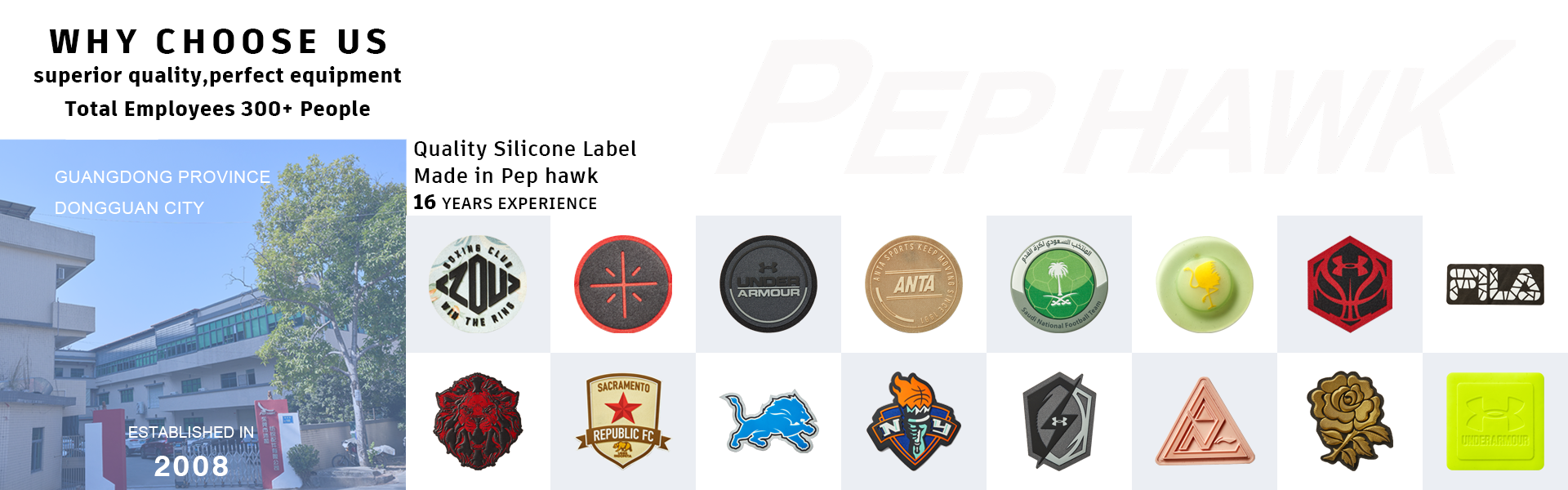
When confronted with the task of producing intricate design drafts of the highest quality, PEPHAWK is here to provide the perfect solution. With over 16 years of industry experience and our esteemed general manager boasting 31 years of expertise in the silicone industry, we are the ultimate choice for tackling your challenging logo design projects. Select PEPHAWK for our unmatched proficiency and rest assured in the impeccable outcomes we consistently deliver.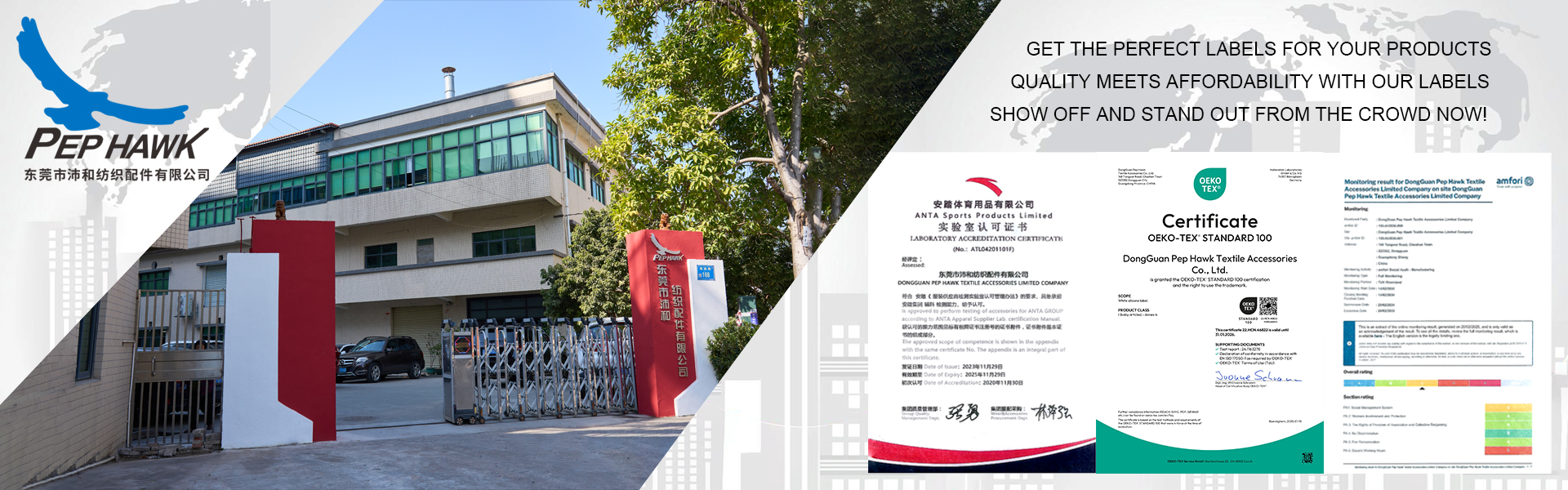
Selection of Blue Jean Patches: A Comprehensive Analysis of Material, Design, and Functionality
How to Fix Engraved Leather Patch Errors Without Ruining Your Design