

Make Your Backpack Stand Out with Durable Velcro Patches
Table of Contents
Velcro patches for backpacks give you a durable, endlessly customizable canvas that never damages your gear.
What Is a Velcro Patch for a Backpack
A Velcro patch for a backpack is a decorative or functional emblem with the rough, hook side of a hook-and-loop fastener permanently bonded or sewn to its back. It mates directly with the soft loop field that many modern backpacks have built into their fronts, shoulder straps, or lid panels. Unlike traditional sew-on badges, these patches are instantly removable and repositionable. The entire concept relies on a two-part system: the loop panel (usually a fuzzy, brushed nylon rectangle on your pack) and the hook backing on the patch itself. When pressed together, they create a secure mechanical bond that resists shear and peel forces during daily movement, yet releases cleanly when you deliberately pull the patch off. This gives you the freedom to rotate designs without leaving adhesive residue, needle holes, or frayed threads on your bag.
[Product Image: A close-up of a high-density embroidered morale patch with visible hook backing laid next to the loop panel of a tactical backpack]
Types of Velcro Patches You Can Choose
Not all hook-backed patches are made the same way. The material and manufacturing process determine texture, durability, and where the patch performs best.
-
Embroidered patches use polyester or rayon threads stitched onto a fabric base. They deliver a classic, textured look with up to 100% thread coverage on the surface. The edges are often finished with a merrow border that prevents fraying.
-
PVC (soft rubber) patches are molded from liquid PVC into 3D designs. They are waterproof, easy to clean, and hold fine detail without threads. These suit outdoor environments where mud, rain, or frequent wiping is common.
-
Woven patches create a flat, smooth surface using thinner threads, which allows for small text and intricate gradients. They feel like a dense fabric label.
-
Printed patches with a hook backing use dye-sublimation or screen printing on polyester canvas. They are the lightest option and can reproduce full-color photos, though they sacrifice the tactile depth of embroidery or PVC.
-
Glow-in-the-dark or reflective patches incorporate photoluminescent pigments or glass bead-coated surfaces. They add visibility during low-light commutes or nighttime field use.
Key Specifications and How They Are Measured
Understanding the numbers behind a patch gives you confidence that it will fit, hold, and last. The following specifications are drawn from standard quality-control tests used by patch manufacturers, referencing widely accepted textile and fastener testing methods.
| Specification | Typical Value | How It Is Measured / Standard |
|---|---|---|
| Standard Patch Size | 2 × 3 inches (50.8 × 76.2 mm) | Caliper and ruler measurement across the widest points, excluding border. Additional common sizes include 3×2″, 4×2″, 2×2″, and 1×1″ rounds. |
| Hook Backing Type | 100% nylon hook, unmated cycle life ≥ 5,000 engagements | Tested according to ASTM D5170 (peel and shear strength of hook-and-loop fasteners). The hook density is typically 300-400 hooks per square inch. |
| Peel Strength (Backing Adhesion) | ≥ 5 N/cm² | Measured with a tensile tester pulling the patch from a standard loop panel at a 90° angle. The bond between hook and patch base must survive 50+ machine wash cycles without delamination. |
| Material Durability – Embroidered | Thread coverage 98%, colorfastness rating 4-5 | Colorfastness tested per ISO 105-B02 (xenon arc lamp) for 40 hours. Abrasion resistance tested per ASTM D3884 with no visible thread breakage after 500 cycles. |
| Material Durability – PVC | Shore A 60-70 hardness, tensile strength ≥ 5 MPa | Measured with a durometer; tear strength tested per ASTM D624 die C. No cracking after 10,000 flex cycles at -10°C. |
| Temperature Resistance | -30°C to +80°C operational | The hook backing and patch materials remain fully functional without softening or losing grip within this range. PVC patches maintain flexibility down to -20°C. |
| Water and Chemical Resistance | Passes 24-hour water immersion without delamination | Submerged in distilled water and a 5% saline solution. PVC and polyester thread show no degradation. Embroidered patches drain and dry within 30 minutes at 25°C. |
| Recommended Loop Panel Compatibility | Brushed nylon, polyester loop with a minimum pile height of 0.8 mm | The hook-to-loop shear strength is optimized for low-profile woven loop fields typically found on backpacks. Mismatch with industrial loop (overly stiff) can reduce peel strength by up to 20%. |
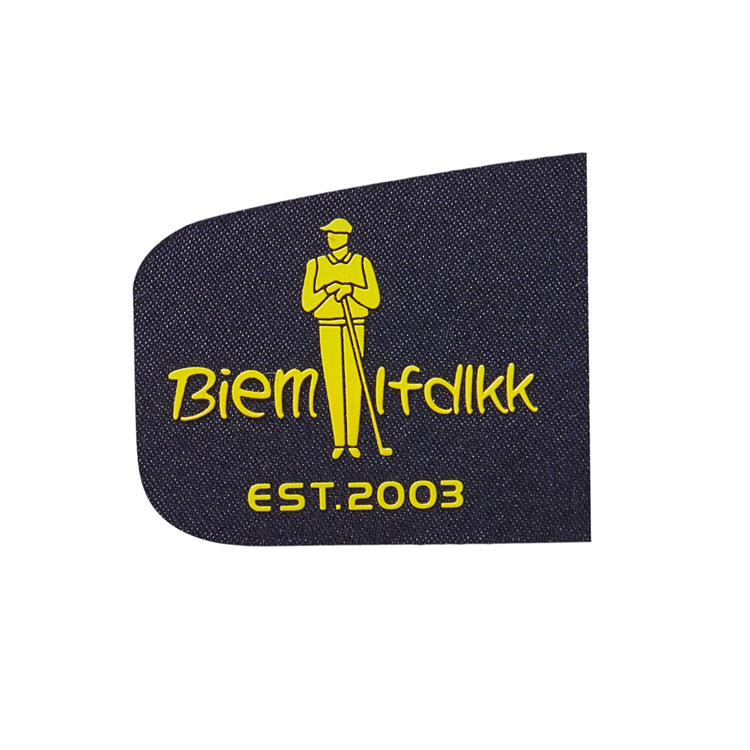
Real-World Applications That Add Value
Velcro patches for backpacks move far beyond simple decoration when you match the right specification to the environment. A few use cases show how a patch’s physical properties serve a purpose:
-
Military and unit identification: Soldiers use 2×3-inch embroidered patches with IR-reflective elements on the loop panels of assault packs. The glow-in-the-dark or IR capability and high peel strength ensure the patch stays put during fast roping or brush contact.
-
Travel and bag tagging: A brightly colored PVC patch on a carry-on backpack instantly distinguishes your bag on the luggage belt. The waterproof nature means it simply needs a wipe after a coffee spill, and the hook backing won’t weaken from repeated handling.
-
Everyday personality switching: Students and commuters keep a collection of small woven or printed patches. The quick-release hook backing lets them swap a favorite band patch for a motivational quote between classes, with no wear on the backpack fabric.
-
Outdoor and safety: A reflective patch on the rear loop panel of a cycling backpack increases side visibility at dusk. The flexible PVC or embroidered base conforms to the curved pack surface and survives rain and mud without stitching failure.
[Application Scene Image: A traveler’s backpack with three different patches on the front loop panel—a national flag PVC patch, a “remove before flight” embroidered tag, and a reflective lightning bolt strip]
Step-by-Step Selection Guide
Use this process to avoid mis-sized patches, poor adhesion, or premature fading.
-
Confirm your backpack’s loop field dimensions. Measure the soft, fuzzy rectangle or panel on your bag. Do not guess. If your panel is exactly 2 × 3 inches, a patch of the same size will fully cover it. For partial coverage or layering, choose a patch at least 0.5 inches smaller in both dimensions.
-
Match the hook backing to your loop type. Standard backpacks use brushed nylon loop. If your pack has a finer micro-loop, patches with a lower-profile hook (molded nylon rather than heavy woven hook) will grip better and reduce bulk. Check the patch spec for “hook height” if available; a height of 1.5–2.0 mm works universally.
-
Select material based on primary exposure. If the patch will face frequent rain, mud, or food spills, go with PVC. Its non-porous surface wipes clean and maintains peel strength because no thread soaks up moisture. For indoor or fair-weather use, embroidered patches provide maximum texture and a traditional feel.
-
Verify colorfastness if your pack lives in the sun. A commuter backpack left on a sunny dashboard will expose the patch to intense UV. Patches with an ISO 105-B02 rating of 4 or higher will not visibly fade over two summers of daily exposure. Ask for a rating if not listed.
-
Size the design for legibility from your intended distance. A 2-inch patch with intricate embroidery is readable from about 3 feet. If you want something visible across a classroom or airport hall, bump up to a 4-inch patch or choose bold PVC shapes with high contrast.
-
Check the edge finish. Merrow borders add hoop-like thickness. This can be an advantage (pulling the patch off becomes easier) or a snag risk if your bag goes through heavy brush. Low-profile laser-cut PVC or heat-sealed embroidered edges are smoother for high-contact zones.
Frequently Asked Questions
Q: What is the exact peel strength of the hook backing, and will it weaken over time?
A: The hook backing has a peel strength of at least 5 N/cm² when mated with a standard brushed nylon loop panel. Hook-and-loop fastener systems used on these patches are rated for over 5,000 engage/disengage cycles before peel strength drops below 80% of the original value. Under normal daily use, this translates to years of reliable adhesion.
Q: Can these patches survive machine washing if I leave them on the backpack?
A: Yes, patches with a bonded hook backing are tested to withstand 50 complete machine wash cycles at 40°C without delamination of the hook from the patch base. After washing, air-dry the backpack; the patch should not be placed in a hot dryer for extended periods because temperatures above 80°C can soften the nylon hook and reduce its profile.
Q: What is the colorfastness rating, and will my patch fade in sunlight?
A: The embroidered and woven patches hold a colorfastness rating of 4-5 on the ISO 105-B02 scale after 40 hours of accelerated xenon-arc exposure. This means even with prolonged direct sun, fading is very slight and not noticeable to the naked eye for at least two years of regular outdoor use. PVC pigments are integrally molded, so their color is solid through the material and will not rub off.
Q: What is the temperature range? I want to attach the patch in cold or hot climates.
A: The complete patch assembly functions fully from -30°C up to 80°C. The hook backing remains pliable and grips securely in freezing conditions, and it will not soften or lose its shape inside a hot car. PVC patches specifically remain flexible down to -20°C and do not crack when bent.
Q: Are all hook backings compatible with my backpack’s loop panel?
A: The hook backing is optimized for low-profile brushed nylon and polyester loop panels with a pile height of at least 0.8 mm, which covers virtually all backpack loop fields. If your backpack has an extremely dense or industrial-grade loop, the measured peel strength may be up to 20% lower, though the patch will still hold firmly under normal loads. It will not work on plain fabric without a loop field—the hook requires a fuzzy mating surface to engage.
Q: How do I know if a patch fits my 2×3-inch loop panel?
A: Measure the patch’s stated dimensions. A patch listed as 2 × 3 inches refers to the maximum width and height including any merrow border. If your loop panel is exactly 2 × 3 inches, the patch will cover it entirely. For a border effect or to see some loop around the patch, pick a patch 0.5 inches smaller in both directions. The hook backing area is usually 0.1–0.2 inches smaller than the patch outline, so it never sticks beyond the loop edge.
Mastering Custom Patch Printing A Complete Walkthrough
Sticker Vinyl Guide Types Parameters Applications And Selection Steps



