

Which Patch Type Elevates Your Apparel Design?
Uncover the world of apparel patches! From decorative to functional, find the right type of patch to elevate your wardrobe and showcase your individual style.
The humble patch – once a symbol of necessity for mending worn fabric – has exploded into a dynamic force in modern apparel design. From high-fashion runways to rugged workwear and personalized streetwear, patches offer unparalleled customization, branding, and storytelling potential. But with a dizzying array of options, the critical question for designers, brands, and DIY enthusiasts alike becomes: Which patch type truly serves your specific apparel purpose? Understanding the distinct categories, their strengths, limitations, and ideal applications is paramount to making an informed, impactful choice. Let’s dissect the primary types of patches for apparel, framed by the practical dilemmas they solve.
1. Embroidered Patches: When Does Detailed Artistry Demand Attention?
The Question: Need vibrant colors, intricate logos, or a premium, textured finish that withstands heavy use?
Embroidered patches are the most common and versatile. Created by stitching thread (often rayon, polyester, or cotton) onto a backing fabric (like tulle or mesh), they excel in reproducing complex designs, logos, and lettering with rich color variation and a distinct 3D texture. The high stitch count delivers durability, making them ideal for corporate uniforms, military insignia, motorcycle club vests, and high-end denim jackets. They offer excellent wash resistance and colorfastness. However, very fine details or photorealistic gradients can be challenging and costly. Backing options (merrowed border, heat-seal adhesive, sew-on) add further flexibility. Choose embroidered patches when brand identity, intricate detail, and long-term durability are non-negotiable.
2. Woven Patches: Seeking Crisp Lines and Cost-Effective Branding?
The Question: Prioritizing sharp, clean text or simple logos for large-scale, budget-conscious production?
Woven patches utilize threads interlaced directly on a loom, creating the design within the fabric itself, rather than stitching onto it. This results in exceptionally crisp, smooth edges and fine lines, perfect for detailed lettering, small logos, or geometric patterns where pixel-perfect clarity is key (e.g., name tags, corporate ID badges, subtle brand accents on polo shirts). They are generally thinner and flatter than embroidered patches, offering a more integrated look. Woven patches are often more cost-effective for high-volume orders due to efficient production. However, they are limited in color complexity (typically 8-12 colors max) and lack the plush texture of embroidery. Vibrant, saturated colors can also be harder to achieve. Opt for woven patches when clean typography, fine detail, and economical mass production are your primary concerns.
3. ChENille Patches: Does Your Design Crave Vintage Texture and Heritage Appeal?
The Question: Aiming for a nostalgic, handcrafted feel with significant dimension and softness?
Chenille patches are instantly recognizable by their distinctive "rope-like" or "velvety" texture. Created by looping yarn (traditionally cotton, now often polyester) around a central stem and cutting it to create a pile, they exude vintage charm and heritage. Popularized by letterman jackets (varsity "chevrons" and team letters), they are synonymous with school spirit, sports teams, and retro fashion. The deep pile offers excellent depth and a soft hand feel. However, they are significantly more expensive and time-consuming to produce than embroidered or woven patches. The pile can snag, and intricate designs with very fine lines are difficult. Select chenille when evoking tradition, achieving maximum tactile dimension, and budget allows for a premium, statement-making element.
4. Leather & Faux Leather Patches: When Does Rugged Authenticity Define the Garment?
The Question: Building apparel that demands a raw, durable, and inherently masculine or artisanal aesthetic?
Cut from genuine or synthetic leather, these patches offer unmatched durability, a distinct natural texture, and a timeless, rugged appeal. Often used on denim jackets, workwear (like Carhartt), motorcycle gear, and high-end leather goods, they develop a unique patina over time. They can be tooled, stamped, dyed, or left natural. Genuine leather provides authenticity but varies in cost and consistency; faux leather offers uniformity and vegan options. Printing or embroidery can be added for detail. The main limitations are higher cost (especially genuine leather), weight, stiffness (which can affect drape on lighter fabrics), and the challenge of intricate designs solely through cutting. Choose leather patches when the garment's identity hinges on ruggedness, natural materials, and a look that ages with character.
5. PVC/Rubber & Silicone Patches: Need Waterproof Durability for Extreme Conditions?
The Question: Designing gear for wet, muddy, or high-abrasion environments where flexibility and weather resistance are critical?
Made from durable, flexible plastics like PVC or silicone, these patches are molded rather than stitched or woven. They are completely waterproof, resistant to UV fading, chemicals, and extreme abrasion. Ideal for outdoor gear (tents, backpacks, fishing vests), tactical apparel, high-visibility workwear, and children's clothing (easy to clean). They offer vibrant, consistent colors and can incorporate 3D effects, glow-in-the-dark elements, or reflective strips seamlessly. However, they lack the textile feel of fabric patches, can feel plasticky, and intricate fine details are harder to achieve. Adhesion is usually via strong sew-on backing or adhesive. Prioritize PVC/silicone when the patch must survive harsh elements, frequent washing, or requires specific safety features like reflectivity.
Beyond the Basics: Specialized Solutions
- Heat Seal/Iron-On Patches: Not a material type per se, but a crucial attachment method. A thermoplastic adhesive backing allows application with heat and pressure (iron or heat press). Offers speed and a clean finish (no stitching visible), ideal for DIY, lightweight fabrics, or temporary application. Durability under repeated washing is often inferior to sew-on; the adhesive can stiffen or peel over time, especially with poor application. Ask: Is ease of application more critical than absolute long-term wash durability?
- Velcro Patches: Feature a hook-and-loop backing (one side sewn to garment, patch has the other). Enable easy swapping and customization – hugely popular in military, tactical, and streetwear (e.g., jacket sleeves). Question: Does user customization or frequent patch rotation add value to the garment?
- Laser-Cut Felt Patches: Simple, cost-effective for basic shapes (logos, icons) using dyed wool or acrylic felt. Often used in children's clothing or craft projects. Limited detail, prone to fraying edges over time. Consider: Is ultra-low cost for simple shapes the priority?
When confronted with the task of producing intricate design drafts of the highest quality, PEPHAWK is here to provide the perfect solution. With over 16 years of industry experience and our esteemed general manager boasting 31 years of expertise in the silicone industry, we are the ultimate choice for tackling your challenging logo design projects. Select PEPHAWK for our unmatched proficiency and rest assured in the impeccable outcomes we consistently deliver.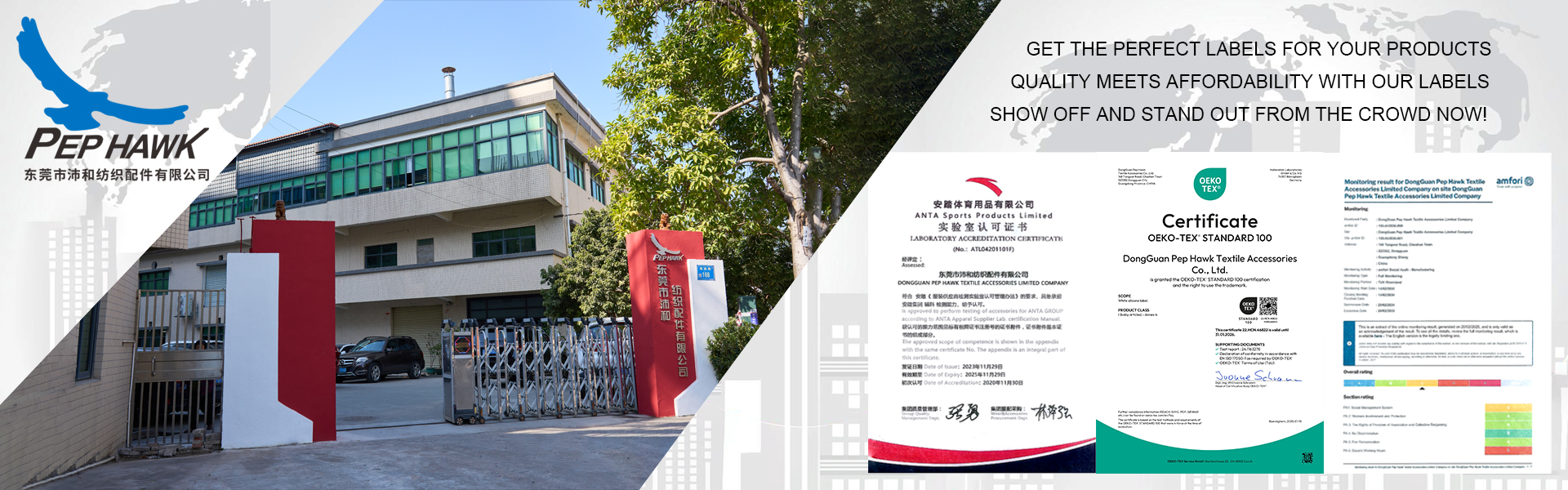
How to iron-on chenille patches with heat press?
Why Grey Leather Patches Solve Repair Problems But Pose New Ones?



