

What is the difference between tackle, twill, and embroidery?
Uncover the distinctions between tackle, twill, and embroidery. This guide will help you understand their unique features and applications in textile design.
Confusion reigns when discussing "tackle," "twill," and "embroidery" in apparel decoration. Many mistakenly treat "tackle" as a distinct technique alongside twill and embroidery. The reality is simpler: "tackle twill" is the specific method, twill is a fabric type, and embroidery is a broad category. Understanding these distinctions is crucial for designers, brands, and decorators. Let’s dissect each term and clarify the critical differences.
1. Embroidery: The Foundational Stitching Technique
Embroidery is the overarching art of decorating fabric by sewing designs with needle and thread. It encompasses countless styles and methods:
- Mechanized Embroidery: Uses computerized machines to stitch intricate logos, text, or artwork directly onto garments (e.g., polo shirts, caps). Threads (polyester, rayon, cotton) create textured, durable designs.
- Hand Embroidery: Traditional, artisanal stitching, often for high-end fashion or bespoke items.
- Key Characteristics: Creates designs from thread; offers high detail for logos/text; provides texture and dimension; generally more expensive per unit than simpler prints; highly durable when done well.
- Common Uses: Corporate logos on dress shirts, athletic team emblems, decorative elements on fashion items.
2. Twill: The Fabric Weave (Not a Decoration Method)
Twill is not a decoration technique. It’s a fundamental textile weave structure, distinct from plain weaves (like poplin) or satin weaves.
- Weave Structure: Characterized by a diagonal "rib" or "wale" pattern created by the weft thread passing over one or more warp threads and under two or more, stepping each row. This creates the signature diagonal lines.
- Properties: Generally more durable, drapes better, and is less prone to wrinkling than plain weaves. Often feels softer and has a subtle sheen.
- Common Examples: Denim (a specific type of twill), chino pants, gabardine, some workwear fabrics, and crucially, the fabric used in tackle twill appliqué.
- Relevance to Decoration: Twill fabric serves as the raw material for the "tackle twill" appliqué process. You cannot "do twill" as decoration; you use twill fabric for decoration (specifically tackle twill).
3. Tackle Twill: The Specific Appliqué Technique (Where "Tackle" Applies)
"Tackle" is almost always shorthand for "tackle twill." This is a precise appliqué method, not a standalone category like embroidery. It involves:
- The Process:
- A design is cut from a sheet of twill fabric (often wool or synthetic twill) using a die or laser.
- This cut twill shape (the "tackle") is positioned onto the base garment fabric.
- An embroidery machine stitches around the very edge of the twill piece with a dense satin stitch or a specialized "tack down" stitch. This secures the twill appliqué and creates a clean, finished border.
- Key Characteristics:
- The design is primarily made of fabric (the twill piece), not thread.
- The embroidery stitch is only the thin border securing the appliqué; it doesn't form the main body of the design.
- Known for exceptional durability, crisp edges, and a classic, slightly raised look.
- Ideal for large lettering, block shapes, and logos where fine detail is less critical than ruggedness.
- Why "Tackle"? The term originates from sports (especially American football), where these durable fabric patches were used on team uniforms ("tackle" gear). It refers to the fabric piece being "tackled" down with stitching.
- Common Uses: Letterman jackets, sports team jerseys (especially names/numbers), military/police patches, workwear logos, collegiate apparel.
Critical Differences Summarized (The Core Confusion Clarified)
|
Core Nature
|
DecorationTechnique
|
DecorationTechnique(Appliqué)
|
Fabric Weave
|
|
What Forms Design?
|
Thread(stitched directly)
|
Fabric(twill piece) +Thread(only for border)
|
N/A(It's the material)
|
|
Role of Stitching
|
Creates theentire design
|
Only securesthe fabric appliqué
|
N/A
|
|
Detail Level
|
High (fine text, complex art)
|
Lower (best for bold shapes/letters)
|
N/A
|
|
Texture
|
Thread-based pile/texture
|
Smooth fabric surface + stitched border
|
Inherent diagonal weave texture
|
|
Durability
|
Very High
|
Extremely High(fabric resists fraying)
|
Depends on fiber (inherently strong weave)
|
|
Cost (Typical)
|
Moderate to High
|
Moderate (less thread than full embroidery)
|
N/A (fabric cost varies)
|
|
Primary Use
|
Detailed logos, small emblems
|
Large letters, block logos, patches
|
Base fabricforgarments orfortackle twill appliqué
|
Why the Confusion? Decoding "Tackle"
The persistent mix-up stems from colloquial industry shorthand. People say "get it done in tackle" meaning "get it done using the tackle twill method." They do not mean a technique called "tackle" separate from twill. "Tackle" by itself, in this context, is meaningless – it’s always intrinsically linked to the twill fabric appliqué process. Asking for the "difference between tackle and twill" is like asking for the difference between "sewing" and "cotton" – one is a process, the other is a material. Tackle twill uses twill fabric via a specific appliqué technique involving minimal embroidery stitching.
Choosing the Right Method: Practical Guidance
- Choose Standard Embroidery When: You need fine detail (small text, intricate logos), a textured thread look, or moderate-sized emblems on most garment types. It’s versatile and widely applicable.
- Choose Tackle Twill When: You need maximum durability for large, bold elements (like team names/numbers on jerseys), a smooth fabric look for the main design area, and crisp, clean edges that resist fraying under heavy wear. It excels on outerwear and performance gear.
- Remember Twill Fabric: This is simply the material choice for the appliqué in tackle twill. You could theoretically use other fabrics for appliqué (felt, leather), but "tackle twill" specifically denotes the use of twill fabric. The base garment can also be twill (like chino pants), but that doesn't make the decoration "twill" – the decoration method is still embroidery or tackle twill appliqué.
When confronted with the task of producing intricate design drafts of the highest quality, PEPHAWK is here to provide the perfect solution. With over 16 years of industry experience and our esteemed general manager boasting 31 years of expertise in the silicone industry, we are the ultimate choice for tackling your challenging logo design projects. Select PEPHAWK for our unmatched proficiency and rest assured in the impeccable outcomes we consistently deliver.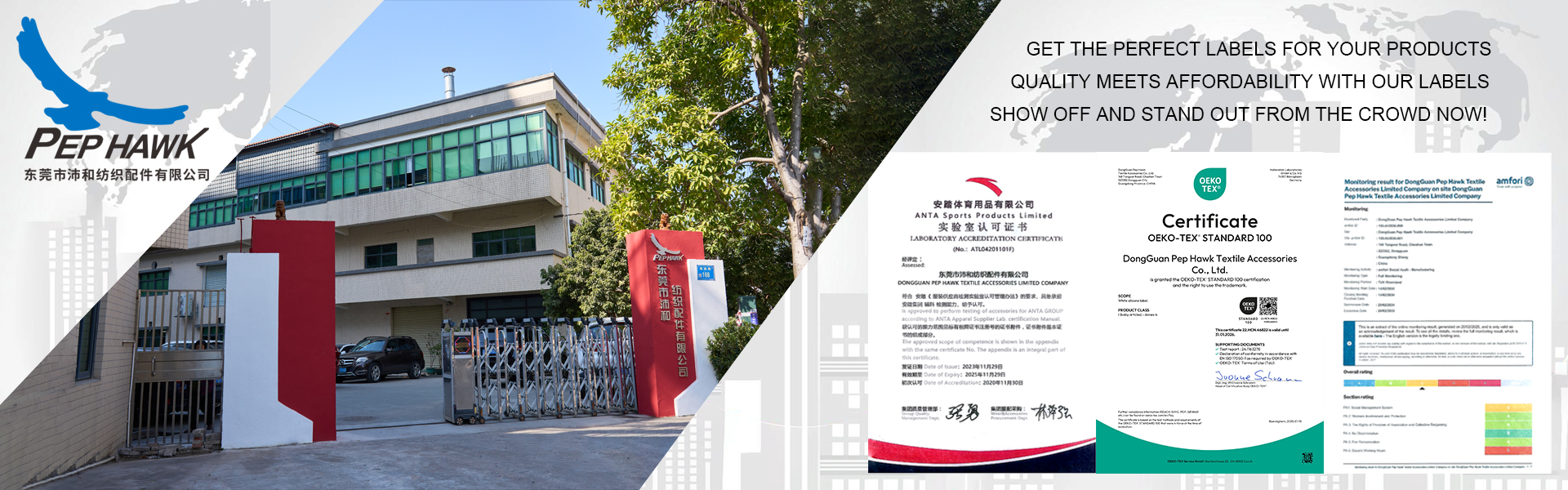
Sublimating Twill: Fabric Requirements and Process Guide
Top 10 Most Common Label Types Explained



