

Tips for Designing Stunning Transparent Patterns
2024-12-23
Explore stunning transparent patterns that elevate your creative projects. Visit our website for inspiration and unique designs tailored to your needs.
Transparent patterns have become a popular design element in recent years. Their ability to add depth and dimensionality to an image while not overwhelming it with searing colors or complicated patterns has come to be appreciated by designers as a versatile design element. The fact that they are easily adaptable to different contexts and types of projects only adds to their appeal. In this article, we will explore tips for creating stunning transparent patterns.
Understanding Transparency
Transparency involves having a certain level of opacity in elements of a design that allow viewers to see the other elements and layers beneath it. It is used to create a sense of depth, shadow, and diversity in designs. In a way, it gives the design an emotional layer where the pattern is infused with a sense of mystery. Such designs can draw in the viewer, making them feel as though they are peering through a window looking into something.
Understanding transparency starts with grasping the difference between opacity and transparency. Working with a transparent design means knowing how to balance the elements of both the foreground and background. In some cases, the object or image that is brought into focus would benefit from having a more opaque foreground element that stands out. The objective is not to make the back of the design look disconnected from the front. When done properly, it provides a polished and cohesive look in design. As such, transparency should be a carefully planned aspect of the design, not an afterthought.
Choosing Colors of Transparent Pattern
Color is an essential aspect of transparent pattern design. Color theory has to be carefully applied in the design process to determine the types of color schemes to use in patterns. Color schemes determine the type of atmosphere that is created in the design. For instance, complementary colors can create a hostile and aggressive mood. Analogous colors create a calming and relaxing mood that is useful for visual storytelling in design.

Another tip is to use transparency in conjunction with specific colors or color palettes. For example, less saturated colors will work best with transparency. Instead of using rich, bright colors that would make the pattern pop, this option will complement the other design elements. Lighter colors create a subtle design, which blends well with transparency. Soft colors work better to create a sense of depth, whereas bright ones can be distracting.
Creating Transparent Patterns
Creating transparent patterns requires understanding how light interacts with the design elements in a project. The levels of opacity in the pattern, the colors used, and the way it interacts with various design elements like texture, images, and typography all play a role in achieving a polished look. The goal is to create a symbiotic relationship between the main design element and its pattern. A designer should pay attention to the pattern’s contrast and opacity, ensuring they strike a balance between visibility and subtlety.
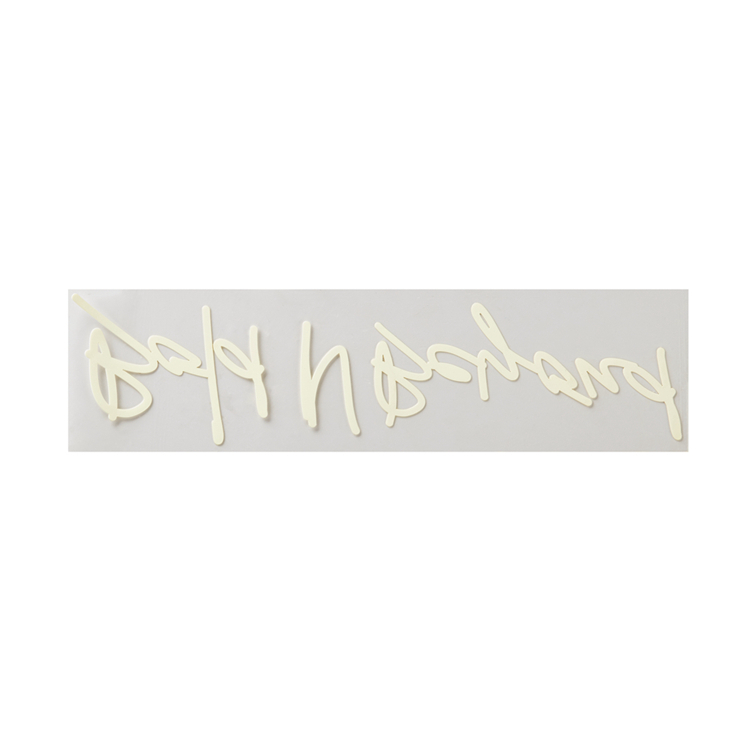
Another important factor to consider is the type of design that you are aiming for - a gradient or a subdued pattern. To create a gradient pattern, you will need two or more colors that gradually transition from one color to another. Typically, gradient patterns are best suited for background designs in a design project. Subdued patterns are light designs that can be used for more subtle visual cues. They require light colors, and again, the right balance of opacity and contrast is paramount to success.
The next thing to consider is the type of software to use in creating these patterns. There are different software options to consider depending on the skill level of the designer and the budget available. Some software programs are more advanced than others, and the type of design you want to create may determine the best one to use. The most common design software for creating transparent patterns include Adobe Illustrator, Photoshop, Corel Draw and Sketch.
Implementing Transparent Patterns
Once you have created a design, the next step is to implement the transparent pattern. While there are no hard and fast rules for implementing transparent patterns, there are some guidelines to help creators achieve optimal results. A designer should choose the right background for the pattern, considering the contrast with the foreground. This ensures the pattern is not drowned out by a busy or colorful background, where it will get lost or considered too “busy”.

Further, the designer should decide what parts of the pattern should be transparent, and how much of it should be shown. Remember that not all parts of the pattern will be entirely visible; thus, keeping the overall design balanced is key. In some designs, the pattern may be visible in its entirety, while in other designs, the pattern may only show up in certain areas. One way to use transparent patterns is to make the background transparent for selected parts of the pattern. This helps to highlight colors and design elements such as typography, logos, and other design elements.
Another crucial part of implementing transparent patterns is to preview it over different backgrounds and in various contexts where the pattern will be used. This would help in making necessary adjustments to the transparency levels if needed. It might even be necessary to try the background on various electronic devices like smartphones and laptops to check the image clarity, balance, and contrast. Finally, be sure to test the design to see if it works across different software programs, graphic resolutions, on different devices, and sizes.
In conclusion, designing transparent patterns can be a fun and rewarding process, particularly when you get the hang of the essential tips involved. As a designer, mastering the art of transparency and color schemes would help to create stunning visual designs that leave lasting impressions on clients and users alike. Possessing such skills will transform you into an exceptional designer that can create standout designs.
Don't settle for subpar labeling products - choose Pephawk for top-quality silicone, microfiber, TPU, and leather labels that will elevate your brand. Our expert abilities include Silk Screen Printing, High Frequency Welding, Sublimation Printing, Seamless Fabrics, and Laser Cutting. Contact us today for prompt support and find out how our range of products can increase your products' value and improve your brand reputation. Don't miss out on this opportunity, reach out to us now.
Creative Red Logo Designs for You to Shop
How to Create the Perfect Blue and White Logo for Apparel That Elevates Your Brand Identity?




SEND MESSAGE