

Step-by-Step Guide to Designing TPU Waterproof Logos
2024-12-13
Elevate your brand with our TPU waterproof logos, engineered for longevity and aesthetic appeal. Perfect for various applications, they resist water and wear.
A company’s logo is its calling card. It represents what the company stands for and what it does. A logo is one of the most important factors in creating brand recognition, and that’s why it’s so important to get it right. Not only does it have to be unforgettable and easy to identify, but it also must be durable and weather-resistant. That’s where the TPU waterproof logo comes in. TPU, or thermoplastic polyurethane, is a material that is both strong and flexible, making it an ideal choice for designing an enduring, waterproof logo. This guide will provide a step-by-step process for designing such logos.

Understanding TPU
Thermoplastic polyurethane, or TPU, is a polymer material that is both strong and flexible. TPU is an excellent choice for making durable and waterproof logos for use in all kinds of weather conditions. TPU has several properties that make it ideal for creating waterproof logos, including its resistance to water, abrasion, and chemicals. TPU is also easily molded into different shapes and designs, which makes it a versatile material for creating custom logos.
Preparing the Design
Creating a successful TPU logo design is a crucial step in establishing brand recognition. A company logo should reflect their identity, what their company represents, and what they do. It is important to choose a style that matches the company's tone and establishes it as credible, trustworthy, and professional. The colors chosen must match the brand and appeal to the company's target audience.
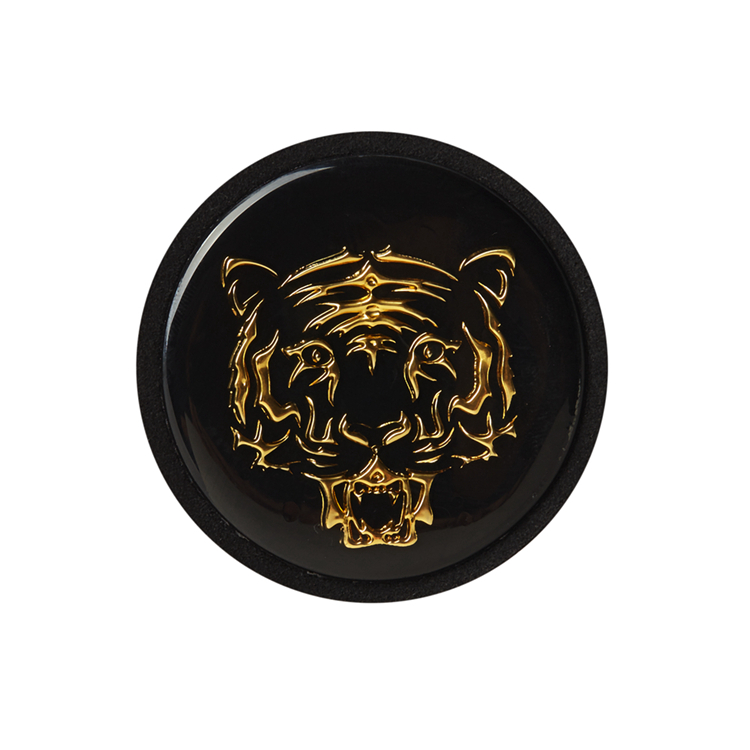
When designing a logo, simplicity is key. A straightforward, clean design is more memorable than one that is too complex. The most famous logos in the world are all simple, memorable, and easily identifiable. It is also critical to use the right typeface, which fits the design to produce a harmonious outcome. Picking the right font type and size is equally essential and should be based on the purpose of the logo. The logo must be legible and preferably compatible with all kinds of devices and fonts.
When selecting the colors, it is best to use a color scheme that is consistent with the company's color branding. The selected color or range of colors should reflect the company's core values and appeal to its target audience. Psychology research shows that different colors can affect an individual's emotions. For example, red and yellow colors are commonly known for arousing excitement, while blue and green tones have a calming effect. You should choose colors that speak to your brand's message and values.
Transferring the Design to TPU
Once the design is ready, the next step is to transfer it to TPU. TPU is a robust material that maintains its shape, which makes it an ideal material for creating custom logos that are weather-resistant and long-lasting. Creating a TPU logo necessitates the use of printing technology and specialized equipment to produce precise results. It is recommended to use printing technology that utilizes solvent inks or UV-curable inks, which offer excellent abrasion resistance, chemical resistance, and color-fastness.
The TPU must be prepared before the design is transferred by cleaning it extensively to eliminate any dirt or debris. It must be entirely clean to ensure that the design accurately adheres to the surface, so it is essential to use a non-abrasive cleaner. Next, the design is printed on transfer paper and carefully placed on top of the TPU sheet. Although different techniques can be used to transfer the design, such as dye-sublimation, the most effective method currently is through heat transfer. Heat and pressure are then applied to the design to transfer it from the paper onto the TPU sheet.
Finishing the TPU Logo
Once the design has been transferred to the TPU sheet, it’s time to trim it to the desired size and shape. The logo can then be adhered to the desired surface using strong glue or adhesive. This will ensure the logo’s longevity over time. It’s essential to make sure that the logo is aligned appropriately before sticking it on the surface. Any fine-tuning should be done now, as once the logo is in place, it is difficult to adjust.
Conclusion
While designing a TPU waterproof logo can seem daunting at first, it is a straightforward process when you break it down step-by-step. Success lies in choosing a suitable design and adapting it to a waterproof TPU format. With these few crucial steps: understanding TPU, preparing a design, transferring the design to TPU, and finishing the logo, you can create a unique and long-lasting symbol for your brand that will endure whatever the weather might bring. Keep in mind that a successful logo should not only be memorable but also reliable and versatile. With the TPU waterproof logo, you get durability and protection, ensuring that your branding stays consistent for years to come.
Tips for Designing TPU Transfer Logos
The Importance of Weatherproof Labels for Outdoor Use




SEND MESSAGE