

National Team Logos: A Cultural and Historical Perspective
Explore iconic national team logos of Spain, USA, Canada, Australia, Germany, and Japan. Discover vibrant designs blending cultural heritage, historical symbolism, and modern identity.
National team logos serve as powerful symbols of identity, unity, and pride, encapsulating a nation’s cultural heritage and sporting spirit. This article explores the iconic logos of national teams from Spain, the United States, Canada, Australia, Germany, and Japan, analyzing their design elements, symbolism, and historical significance.
Spain: A Legacy of Red and Gold
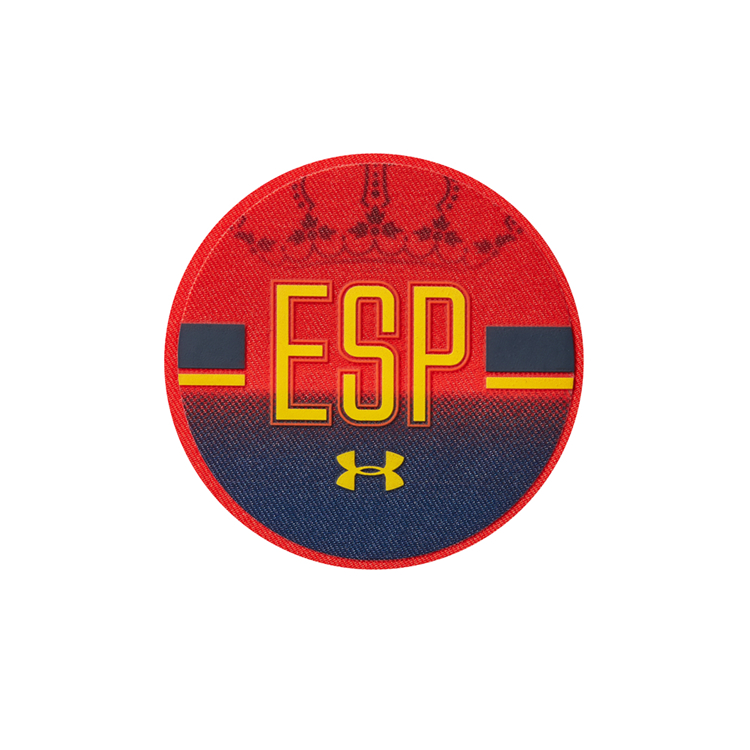
Spain’s national football team logo, representing one of the most successful football nations, features a red and gold color scheme rooted in the country’s flag and heraldic traditions. The current design, updated in 2022 by the Royal Spanish Football Federation (RFEF), includes a crown symbolizing the monarchy, a red saltire (diagonal cross) from the national flag, and the iconic red jersey with a yellow center. The emblem also incorporates a stylized "España" lettering, reflecting national pride. Historically, the logo has evolved from regional coats of arms to a unified national identity, emphasizing Spain’s transition from a decentralized kingdom to a modern nation-state.
United States: Stars, Stripes, and Global Dominance
The U.S. Olympic and Paralympic teams’ logo, managed by the U.S. Olympic & Paralympic Committee (USOPC), prominently features the stars and stripes of the American flag. The 2020 redesign introduced a dynamic, abstract wave pattern in red, white, and blue, symbolizing unity and progress. The five interlocking stars represent excellence, while the star motif echoes the 50 states. For sports like basketball, the NBA’s "USA Basketball" logo with a red-white-blue color block and a dynamic dribbling player has become synonymous with American athletic prowess since 1986.

Canada: Maple Leaves and Inclusivity
Canada’s national sports logos often integrate the maple leaf, a cornerstone of Canadian identity. The Canadian Olympic Committee’s logo, known as the "True North," combines a stylized maple leaf with a compass rose, symbolizing resilience and diversity. The men’s ice hockey team’s emblem features a bold red maple leaf with a white background and blue accents, representing the nation’s winter heritage and multiculturalism. The NHL’s Toronto Maple Leafs logo, with its iconic single red leaf and white background, has become a global symbol of Canadian hockey excellence since 1938.

Australia: Southern Cross and Wildlife
Australian national team logos blend indigenous culture and colonial history. The Australian Institute of Sport (AIS) logo features a golden "A" with a boomerang-like shape, symbolizing agility and innovation. The Wallabies (rugby) and Socceroos (soccer) logos incorporate the southern cross constellation and a kangaroo or rooibos flower. For example, the 2020 Socceroos badge includes a navy-blue base (representing the sea), a golden circle (sunrise), and a five-pointed star cluster symbolizing the southern cross. The kangaroo, a national animal, appears in many designs as a mark of strength and pride.

Germany: The Eagle and Precision
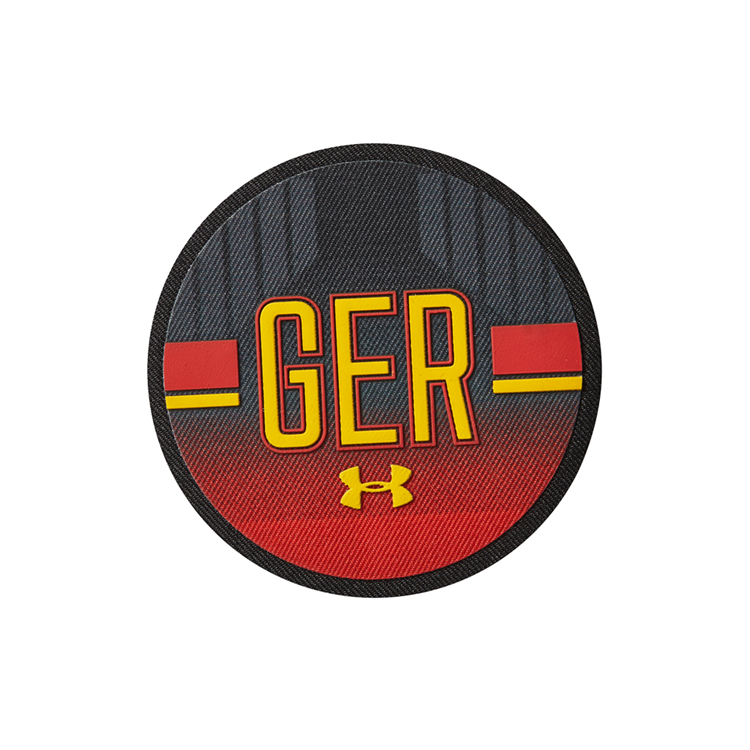
Germany’s national team logos are defined by the Bundesadler (Federal Eagle), a symbol of authority since the Weimar Republic. The German Football Association (DFB) logo features a minimalist black eagle holding a red-and-gold shield, reflecting the national flag. The design, updated in 2022, emphasizes simplicity and modernity, aligning with Germany’s reputation for engineering precision. The eagle’s stylized feathers evoke dynamism, while the shield’s colors symbolize unity and strength. This emblem has remained largely unchanged since 1954, representing continuity despite political shifts.
Japan: Tradition Meets Modernity
Japan’s national team logos often merge traditional motifs with contemporary design. The JFA (Japan Football Association) emblem features a red circle (symbolizing the sun in the national flag) with a white chrysanthemum pattern, representing imperial heritage. The Samurai Blue (football team) logo incorporates a stylized samurai helmet and a circular motif, blending historical symbolism with modern typography. Meanwhile, Japan’s Olympic logo, used since 2020, showcases a circular arrangement of indigo checkered patterns from the Edo period, symbolizing diversity and global unity.

Conclusion: Symbols Beyond Sport
These logos transcend sports, acting as cultural artifacts that narrate a nation’s story. Spain’s blend of monarchy and modernity, the U.S.’s patriotic dynamism, Canada’s multicultural symbolism, Australia’s natural and colonial heritage, Germany’s precision, and Japan’s fusion of tradition and innovation all reflect deeper societal values. As nations evolve, so do their emblems, ensuring that these logos remain timeless yet adaptive testaments to national identity.
Patch Up Your Style: Why Your Jacket Needs a Personality Makeover
Customizable Patches: Exploring Diverse Design Options