

Want A Thriving Business? Focus On Tagless Labels!
2024-12-27
Enhance your wardrobe with our tagless labels, designed for maximum comfort and durability. Shop now for a tag-free experience in all your favorite clothes.
In today’s consumer-driven market, businesses are constantly finding ways to meet customers’ demands while minimizing production costs. One of the ways businesses can achieve this is by implementing tagless labels in their products. Tagless labels are essentially information tags that are directly printed onto garments, rather than being sewn in. The benefits of tagless labels are immense, and this article will highlight the advantages, implementation, and case studies of businesses that are successfully using tagless labels.
Advantages of Tagless Labels
Comfort is a significant factor for customers when buying clothes. Tagless labels ensure good customer experience by eliminating discomfort caused by traditional stitched-in labels. As the tagless label is directly printed onto the garment, it is smooth and does not irritate the skin, enhancing customer satisfaction.
Another singular benefit of tagless labels is that they significantly reduce production costs by up to 50%. With the traditional labels, the manufacturing process is more cumbersome and takes more time due to the need for separately produced labels, and then sewing them on. However, with tagless labels, manufacturers can save time and raw materials, resulting in a reduction in production costs.
A tagless label provides an opportunity to increase brand awareness by providing a space for businesses to include their branding. As a result, tagless labels improve customer loyalty by keeping brands in the minds of the customers even after they have left the store.
Furthermore, tagless labels provide flexibility for customization, ensuring businesses can produce unique items that are difficult to replicate. Businesses can customize the labels with specific information like style, size, and washing instructions. This flexibility enables personalization and helps to create an emotional connection between the customer and the product.
Implementation of Tagless Labels
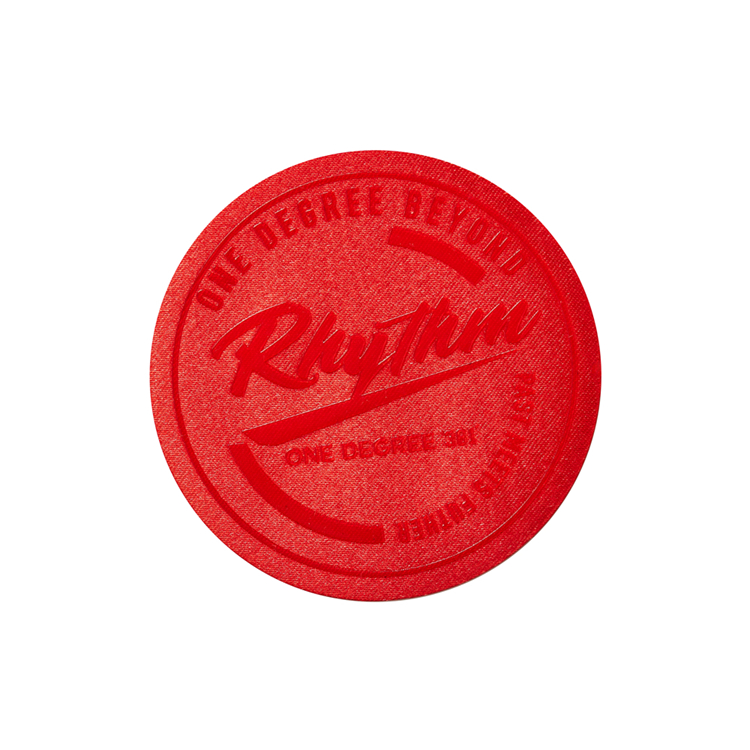
The molded label method is created using a mold custom-shaped to fit the specific dimensions of the garment. The material molded into the tagless labels provides a thick, three-dimensional texture that stands out from the fabric. Molded labels work well for items that need durable, high-quality labels that can withstand frequent use and wear and tear. They can also be metallic in color which makes them more appealing and premium.
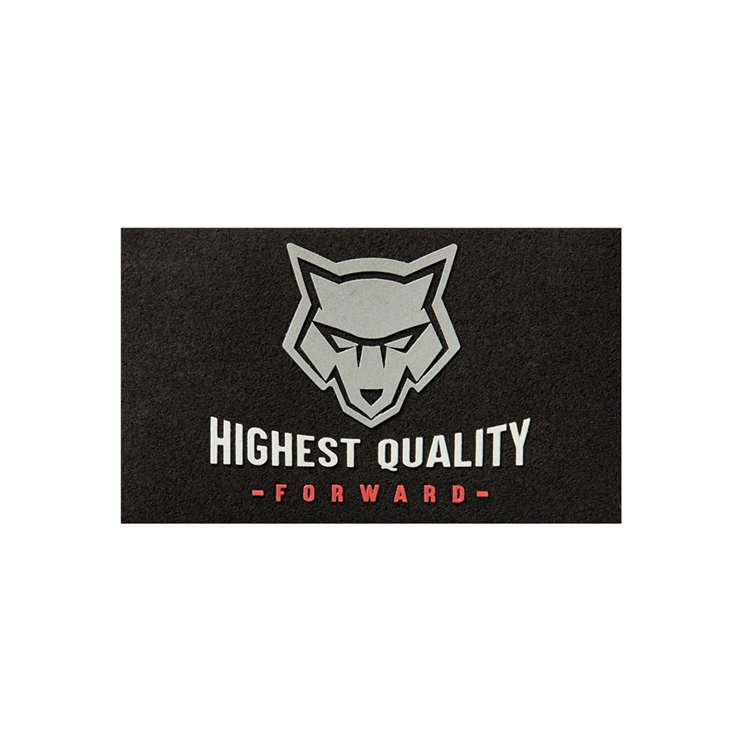
Screen printing, on the other hand, is a chemical process where ink is deposited onto the fabric through a mesh screen. This process produces fine lines and allows for images and designs to be printed with high accuracy. Screen printing is preferable for brands that require high-level artwork, complex designs, or multiple colors. Screen-printed tagless labels stand the test of time as they are more durable and do not fade even after multiple washes.
Despite the obvious advantages, companies should not opt for tagless labels if their art designs are complex and require elaborate shading. Tagless labels do not provide substantial space for detailed branding, which is vital for some brands. While molded and screen-printed tags are accessible, designs such as gradient color shades can be challenging to replicate, especially with molded labels.
Case Studies
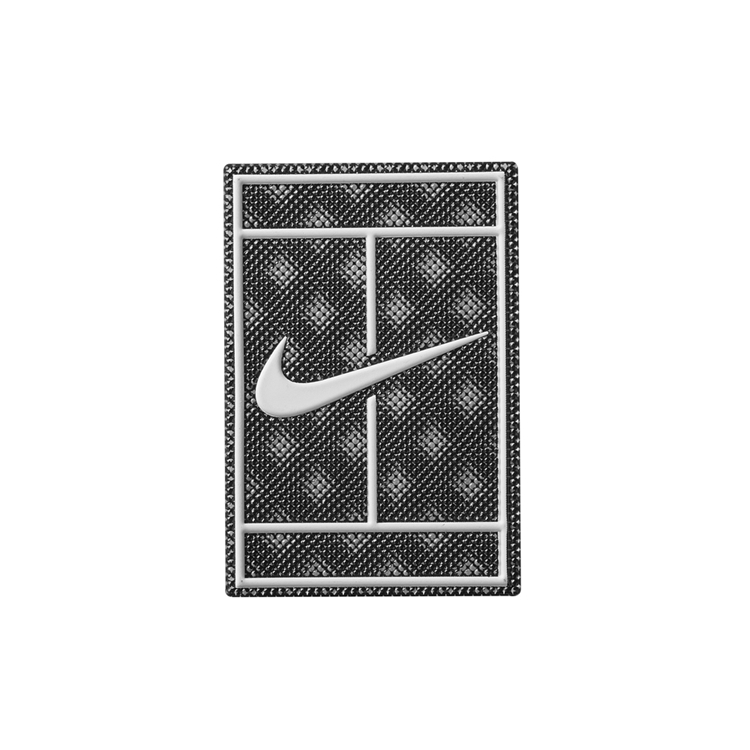
One of the notable brands that have implemented tagless labels is Nike. Nike uses molded label techniques on its sports bras, where the thicker material and texture provide the bra's structure. This method enables the brand to maintain an aesthetic look while still being functional. Nike's innovative approach saved the company time by simplifying its supply chain and added simplicity to its products.
Another brand that uses tagless labels is American Apparel. The company implements screen-printing methods on its T-shirts to produce unique and artistic designs. By customizing T-shirts with colorful, creative designs, the tagless label fulfills its purpose of promoting the brand. It gives American Apparel a unique style for its customers to identify with the brand more closely. Additionally, the company saves costs on production and eliminates the need for expensive label inventory purchases.
Conclusion
Tagless labels are taking the fashion industry by storm, and it is no surprise that this trend is spreading to other industries. This article highlights the advantages of tagless labels, implementation, and case studies of businesses successfully using this method. It is evident that tagless labels can create a positive impact on businesses. By implementing tagless labels, companies can reduce production costs, provide exceptional customer experience, and enhance their brand awareness. The tagless label is the future of the fashion industry. It is up to businesses to integrate tagless labels into their production process and take advantage of this innovative solution.
Fascinating Dark Red Logo Tactics That Can Help Your Business Grow
How Is a Premium Football Patch Crafted?




SEND MESSAGE