

How to Select High-Quality Suede Labels for Apparel Accessories
2026-02-02
Table of Contents
- 1. Introduction: Importance of High-Quality Suede Labels
- 2. Pre-Selection: Suede Label Definitions & Classification
- 3. Core Criterion 1: Material Quality Evaluation
- 4. Core Criterion 2: Performance Testing
- 5. Core Criterion 3: Craftsmanship & Finishing
- 6. Application Compatibility Assessment
- 7. Practical Selection Steps
- 8. Supplier & Procurement Considerations
- 9. Post-Selection: Storage & Handling
- 10. Conclusion: Key Selection Points
A well-made suede label can elevate the overall quality of a garment, leaving a lasting impression on consumers.
1. Introduction: Importance of High-Quality Suede Labels for Apparel
Suede labels are more than just a functional accessory for clothing; they are a key part of branding, aesthetics, and tactile experience.
Low-quality suede labels, by contrast, can undermine a brand’s image. They may fray, fade, or feel rough, making the garment seem cheap and poorly crafted. This is especially critical for brands focusing on premium or casual apparel, where every detail matters.
When selecting suede labels, core requirements include compatibility with the garment’s style, durability for long-term use, and a soft, consistent texture that aligns with the brand’s positioning.
2. Pre-Selection: Clarify Suede Label Basic Definitions & Classification
Before starting the selection process, it is essential to understand the different types of suede used for labels and their basic specifications. This helps avoid confusion and ensures the chosen label matches the intended use.
| Type of Suede | Key Features | Suitable for |
|---|---|---|
| Genuine Suede | Made from animal hide (usually lambskin or cowhide), soft texture, natural grain, high cost | Premium apparel, luxury brands |
| Faux Suede/Microfiber Suede | Synthetic material, durable, easy to maintain, cost-effective, consistent texture | Casual wear, children’s wear, mass-market apparel |
Suede labels also come in different material variants, such as lightweight (for delicate fabrics like knitwear), heavy-duty (for denim or outdoor wear), and stretchable (for sportswear). Standard specifications include thickness (usually 0.3-0.8mm), size (customizable to brand needs), and features like washability or heat resistance.
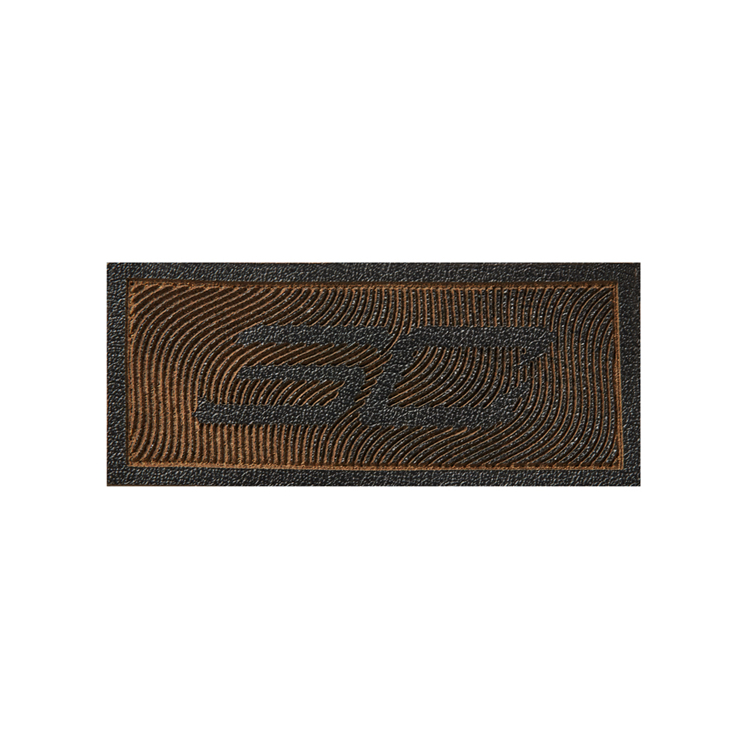
3. Core Criterion 1: Material Quality Evaluation of Suede
The quality of the suede material itself is the foundation of a high-quality label. Focus on four key aspects when evaluating material quality.
First, check the nap or fleece quality. High-quality suede has a uniform nap with consistent pile height—no loose lint, uneven patches, or bald spots. The texture should be soft to the touch, not rough or scratchy.
Second, assess the base fabric strength. The base of the suede should be sturdy, with good tear resistance. It should not fray easily when pulled slightly, as this indicates poor structural integrity.
| Material Quality Check Item | High-Quality Performance | Low-Quality Performance |
|---|---|---|
| Nap Uniformity | Consistent pile height, no bald spots | Uneven nap, loose lint, bald patches |
| Base Fabric Strength | Sturdy, no fraying when pulled | Weak, frays easily, tears quickly |
| Color Consistency | Uniform color, no spots or fading | Color spots, uneven shading, easy fading |
Third, consider material density and weight. The grammage (weight per square meter) should be suitable for the garment type—too light may be flimsy, too heavy may feel bulky on delicate fabrics.
Finally, check color and texture consistency. The suede should have a pure, even color without spots, streaks, or discoloration. The texture should be consistent across the entire label, with no variations in softness or pile density.
4. Core Criterion 2: Key Performance Testing of Suede Labels
Even high-quality suede material may fail in practical use if it lacks essential performance features. Conduct or verify the following tests to ensure durability and functionality.
Color fastness is critical, as labels are often exposed to washing, dry cleaning, rubbing, sunlight, and perspiration. Poor color fastness leads to fading, bleeding, or staining the garment.
| Color Fastness Test Type | Pass Standard |
|---|---|
| Washing Fastness | No fading or bleeding after 5-10 washes at 30-40℃ |
| Rubbing Fastness | No color transfer to white fabric after 500 rubs |
| Sunlight Fastness | No obvious fading after 100 hours of sunlight exposure |
Durability is another key factor. The label should resist abrasion and retain its nap after repeated use. Test this by rubbing the label vigorously for 100 times—high-quality suede will not lose nap or become bald.
Washability and heat resistance are also essential. The label should not shrink, deform, or bleed color after laundering. It should also withstand heat transfer, ironing, and other garment finishing processes without damage.
Finally, check adhesion or sewing compatibility. If the label has a backing, it should bond firmly without peeling. If it needs to be sewn, the suede should not tear or fray during sewing.
5. Core Criterion 3: Craftsmanship & Finishing Quality Check
Excellent material and performance mean little without good craftsmanship. Pay close attention to the finishing details of the label.
Edge treatment is crucial. High-quality suede labels have clean, smooth cuts with sealed edges to prevent fraying or lint loss. Unsealed edges are a sign of poor craftsmanship and will deteriorate quickly.
Printing, embossing, or engraving quality should be clear and durable. Text or logos should be sharp, with no smudging, blurring, or peeling. The marking should withstand washing and rubbing without fading.
The backing material should match the suede and the garment. It should be non-slip, breathable, and not allow glue to penetrate the suede surface—glue penetration causes discoloration and a rough texture.

Overall dimensional accuracy is also important. The label should have consistent size and shape, with no warping or deformation. This ensures it fits perfectly on the garment and maintains a professional appearance.
6. Application Compatibility Assessment
A high-quality suede label must be compatible with the garment it is attached to. Consider four key aspects of application compatibility.
First, match the label to the apparel fabric type. For example, lightweight suede labels are suitable for cotton or knitwear, while heavy-duty labels work better with denim or leather.
Second, adapt to the apparel use scenario. Outdoor wear requires labels with high durability and water resistance, while children’s wear needs skin-friendly, non-toxic suede.
| Apparel Type | Suede Label Requirements |
|---|---|
| Casual Wear | Cost-effective, soft, washable |
| Luxury Wear | Genuine suede, exquisite craftsmanship, custom design |
| Outdoor Wear | Durable, abrasion-resistant, water-resistant |
| Children’s Wear | Skin-friendly, non-toxic, soft, no loose parts |
Third, comply with industry standards. The label should be eco-friendly, non-toxic, and skin-friendly—especially for direct contact with the skin. Look for certifications like OEKO-TEX to ensure safety.
Finally, check customization flexibility. The supplier should be able to adjust the label’s size, color, logo, and shape to meet the brand’s specific needs.
7. Practical Selection Steps: From Sample to Batch Confirmation
Follow these practical steps to ensure the selected suede labels meet quality standards before placing a bulk order.
Step 1: Request and inspect physical samples. Never rely solely on pictures—physical samples allow you to assess the tactile feel, color, texture, and craftsmanship firsthand.
Step 2: Conduct small-scale performance tests. Simulate real-world use by rubbing the label, washing it, or exposing it to sunlight to check durability and color fastness.
| Selection Step | Key Actions |
|---|---|
| Sample Inspection | Check texture, color, craftsmanship, and fit with garment |
| Small-Scale Testing | Rub, wash, and expose to sunlight to test durability |
| Supplier Verification | Check quality certifications and production experience |
| Batch Confirmation | Inspect a random sample from the bulk order for consistency |
Step 3: Verify the supplier’s quality certification. Ask for test reports and certifications to ensure the labels meet industry standards.
Step 4: Confirm batch consistency. Before accepting the entire order, inspect a random sample from the bulk goods to ensure it matches the quality of the approved sample.
8. Supplier & Procurement Considerations
Choosing a reliable supplier is as important as selecting the right suede material. Consider the following factors when choosing a supplier.
First, check the supplier’s professional experience. Suppliers with years of experience in suede label production are more likely to deliver consistent quality and handle customization needs.
Second, assess MOQ (Minimum Order Quantity), lead time, and customization capability. Ensure the supplier can meet your order size and delivery timeline, and offer the customizations you need.
Third, look for good after-sales support. The supplier should have a clear policy for solving batch quality problems, such as reworking or replacing defective labels.
Finally, balance cost-effectiveness. Do not sacrifice quality for a lower price—investing in high-quality labels will enhance your brand image and reduce long-term costs from replacements.
9. Post-Selection: Proper Storage & Handling of Suede Labels
Proper storage and handling after selection ensure the labels maintain their quality until they are attached to garments.
Store suede labels in a dry, cool environment. Avoid direct sunlight and moisture, as sunlight causes fading and moisture leads to mold or discoloration.
Handle the labels with care. Avoid rough contact, which can flatten the nap or cause fraying. Do not stack heavy objects on the labels, as this will deform them.
Manage the shelf life of the materials. Faux suede labels have a longer shelf life than genuine suede—use genuine suede labels within 6-12 months of purchase to avoid deterioration.
10. Conclusion: Summary of High-Quality Suede Label Selection Key Points
Selecting high-quality suede labels requires a comprehensive approach that integrates material quality, performance, craftsmanship, and application compatibility. By following the criteria and steps outlined in this guide, you can choose labels that enhance your garment’s quality and brand image.
Prioritize labels with consistent texture, strong durability, and excellent finishing. Work with reliable suppliers who can deliver consistent quality and meet your customization needs.
Remember that a high-quality suede label is an investment in your brand. It may cost slightly more upfront, but it will leave a positive impression on consumers and contribute to the long-term success of your apparel line.
3D Silicone Patches – Diverse 3D Design Effects and Practical Applications
Instructions for Iron-On Patches on Apparel: A Step-by-Step Practical Guide




SEND MESSAGE