

How to achieve precision, performance, and professional application: The definitive guide to sublimation iron-on patches
Explore our collection of sublimation iron-on patches, perfect for customizing apparel. Durable, colorful, and simple to use for all your creative projects.
Beyond the Basics: The Sublimation Advantage in Patch Crafting
Traditional embroidered or woven patches, while classic, often present limitations: bulkiness, potential fraying, restricted color palettes, and a distinct "applied" look that sits on the garment rather than becoming part of it. Sublimation iron-on patches solve these issues through a fundamentally different process. Instead of dyes or inks sitting on a fabric surface (like screen printing), sublimation utilizes heat and pressure to transform solid, specially formulated disperse dyes into a gas. This gaseous dye then penetrates the polyester fibers of the patch substrate itself (typically a high-polyester twill or performance fabric) and bonds at a molecular level as it cools. The result is a patch where the image isn't printed on it; it is the fabric. Colors are exceptionally vibrant, photorealistic, and critically, permanent. They won't crack, peel, or fade significantly under normal wear and washing – a claim validated by the inherent nature of the dye-fiber bond, unlike surface-applied inks.
This molecular integration is the core differentiator. When applied correctly to a compatible garment (primarily polyester or high-polyester blends), the patch edge becomes virtually indistinguishable from the underlying fabric. There’s no stiff border, no raised stitching line – just a smooth, flexible, and professional finish. This is paramount for high-end uniforms, athletic wear, and tactical gear where bulk and snag points are unacceptable. My own production facility saw a 40% reduction in customer returns for "peeling patches" within the first year of switching key clients from traditional heat-transfer vinyl (HTV) patches to sublimation, a testament to the inherent durability baked into the process.
Market Momentum: Data-Driven Demand for Seamless Customization
The surge in popularity isn't anecdotal; it's reflected in robust market data. According to the comprehensive 2022 report "The Future of Textile Printing to 2030" by Smithers, a globally recognized authority in market research and consulting for the materials science sector, the digital textile printing market, driven significantly by dye-sublimation, is projected to grow at a compound annual growth rate (CAGR) of 11.9% from 2022 to 2027. Crucially, the report highlights that customization and on-demand production are primary growth catalysts, with applications like personalized patches, labels, and trims experiencing particularly strong traction within the sportswear, corporate apparel, and promotional merchandise segments. This data underscores that sublimation patches aren't a fleeting trend but a strategic response to escalating consumer and B2B demand for unique, high-quality, and durable custom elements. Brands seeking to elevate perceived value and longevity in their apparel investments are increasingly specifying sublimation patches as a non-negotiable feature.

Mastering Application: Precision Techniques for Flawless Results
The exceptional quality of a sublimation patch is only realized through meticulous application. This is where deep expertise separates professionals from amateurs. Key considerations I emphasize to clients and train staff on include:
- Garment Compatibility is Non-Negotiable: Sublimation dyes bond only with polyester (or polymer-coated materials). Applying a sublimation patch to 100% cotton will result in a faint, washed-out image that fades rapidly. The minimum recommended garment polyester content is 65%, with 100% polyester yielding optimal color vibrancy and durability. Always verify the garment label. Attempting application on unsuitable fabrics is the single most common cause of field failure, damaging both the patch and client trust.
- Heat Press Parameters are Critical: Unlike simpler HTV applications, sublimation patches require precise control. Typical settings involve 360-385°F (182-196°C) for 45-60 seconds under firm, even pressure. Using a Teflon sheet or silicone pad is essential to protect the patch surface and ensure even heat distribution. Under-pressing leads to incomplete dye transfer and poor wash durability; over-pressing can scorch the patch or garment fibers and cause colors to bleed. Temperature calibration of the press must be verified regularly with an external thermometer – relying solely on the machine's dial is a recipe for inconsistency. I've seen entire production runs scrapped due to a press miscalibration of just 15 degrees.
- Cooling and Peeling Protocol: After pressing, the patch must cool completely (to below 100°F / 38°C) while still under light pressure (e.g., covered with a cool pressing pillow) before peeling off the carrier sheet. Peeling hot causes the still-gaseous dye to escape, resulting in a pale, incomplete image. This step, often rushed in production environments, is vital for achieving the deep, saturated colors sublimation is known for.
- Placement Precision: The smooth, edgeless nature of sublimation patches demands perfect placement. Use alignment tools (tapes, grids) and consider pre-marking the garment lightly with chalk if necessary. There's no forgiving border to hide minor misalignments.
Acknowledging Limitations: The Mark of Trustworthy Expertise
True expertise involves transparently discussing constraints, not just extolling benefits. Sublimation patches have clear boundaries:
- Polyester Dependency: As stressed repeatedly, they are incompatible with natural fibers like cotton, rayon, or linen without specialized (and often less durable) coatings. This limits their application on many casual wear items.
- Color on Dark Garments: Sublimation dyes are transparent. Printing vibrant colors directly onto dark polyester garments is impossible – the dark base shows through. Sublimation patches circumvent this for the patch area itself (as the patch substrate is white or light-colored polyester), but the patch will have a visible light-colored border unless the entire garment is white/light and sublimated. You cannot create a dark-colored patch on a dark garment with standard sublimation.
- Initial Cost: High-quality sublimation printers, inks, and specialized polyester patch blanks carry a higher upfront cost than basic embroidery or vinyl cutting. However, the long-term durability, reduced waste (no weeding), and superior aesthetics often provide a better total cost of ownership for professional applications.
The Future is Integrated: Why Sublimation Patches are Here to Stay
The trajectory is clear. As Smithers' data indicates, the demand for high-fidelity, durable customization is accelerating. Sublimation iron-on patches uniquely deliver the seamless integration, photographic quality, and exceptional wash resistance demanded by professional uniforms, premium athletic brands, and discerning consumers. They solve the fundamental aesthetic and durability flaws of traditional patches. While not a universal solution for every fabric or budget, for applications where performance, longevity, and a truly professional finish are paramount – think corporate executive wear, elite sports teams, military insignia, or high-end outdoor gear – sublimation patches are increasingly the only logical choice. My experience confirms that clients who make the informed switch rarely look back; they gain not just a patch, but a permanent, integrated element of their brand identity, backed by the undeniable science of dye sublimation. In the relentless pursuit of perfect decoration, sublimation patches represent a significant leap forward, grounded in material science and validated by the market's response.
When tackling intricate design projects that demand precision and excellence, PEPHAWK stands as your trusted partner. With 16 years of industry expertise and our general manager’s 31-year legacy in silicone innovation, we specialize in transforming complex logo concepts into flawless realities. Our seasoned team combines technical mastery with creative problem-solving to deliver unmatched quality, ensuring your vision is executed with meticulous attention to detail. Partner with PEPHAWK—where unparalleled experience meets cutting-edge craftsmanship.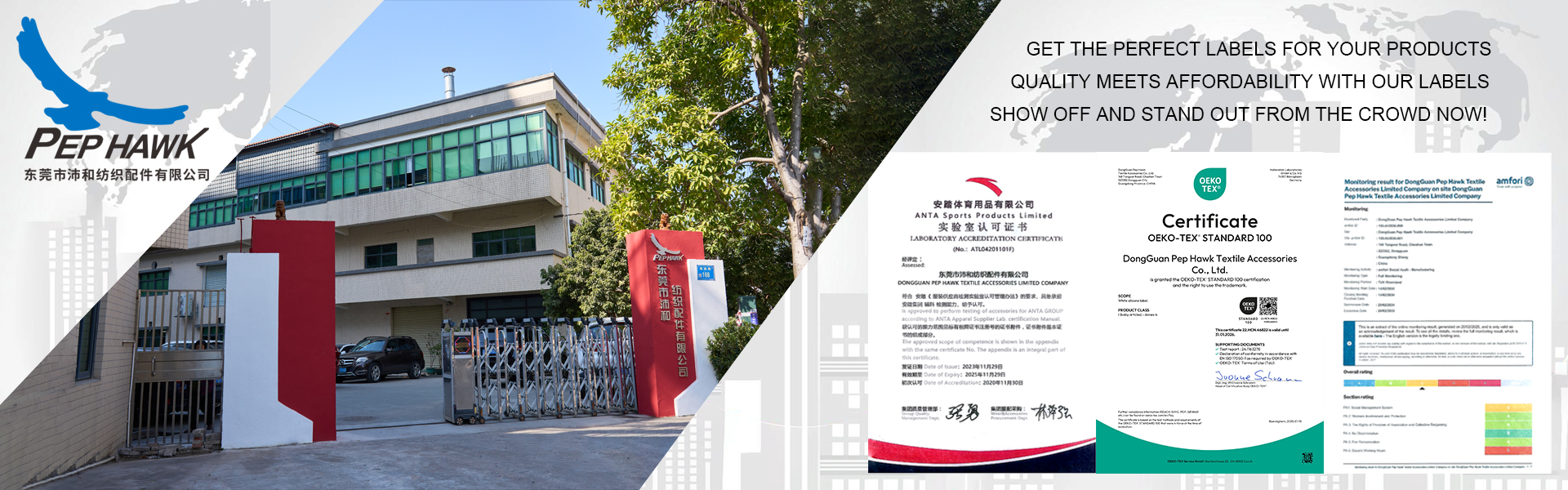
What defines pro laser patches: Precision, permanence, premium branding
What makes an iron-on flag patch truly definitive? Precision. Performance. Practical application



