

Sublimating Twill: Fabric Requirements and Process Guide
Get the ultimate guide to sublimating twill, including essential fabric requirements and a detailed process. Start your creative journey with us!
Sublimation printing unlocks vibrant, permanent designs on textiles, but its success hinges entirely on fabric composition. A frequent query arises: "Can you sublimate on twill fabric?" The answer is a qualified yes—but only under specific, non-negotiable conditions. Twill’s signature diagonal weave presents unique challenges, making understanding its requirements essential for professional results. This guide details the critical factors, process adjustments, and limitations when sublimating twill.
Why Twill Presents a Challenge
Twill is a weave structure, not a fiber type. It describes the diagonal rib pattern created by the warp and weft threads (e.g., denim, chino, gabardine). Crucially, sublimation only bonds with polyester. The dye-sublimation process requires heat (typically 385-400°F / 195-205°C) and pressure to convert solid ink into a gas that penetrates polyester fibers, becoming part of the material. Natural fibers like cotton, common in many twills, cannot accept sublimation ink. Attempting sublimation on 100% cotton twill yields no color transfer—the ink simply washes out. Even blends with low polyester content produce faded, uneven results.
Non-Negotiable Requirements for Sublimating Twill
Success demands strict adherence to these criteria:
- High Polyester Content (Minimum 65%, Ideal 100%): The fabric must be predominantly or entirely polyester. Look for labels specifying "100% Polyester Twill" or "Polyester Twill Weave." Blends like 65/35 polyester/cotton may work but yield significantly muted colors and reduced durability compared to pure polyester. Avoid cotton-rich twills entirely.
- Polyester-Compatible Pre-Treatment: Unlike natural fibers, polyester doesn’t require sizing, but the twill surface must be clean, dry, and free of oils, finishes, or moisture that block ink penetration. Pre-pressing (10-15 seconds at 350°F / 177°C) removes wrinkles and moisture.
- Sublimation-Specific Inks & Paper: Standard pigment or reactive inks fail. You must use dye-sublimation inks printed onto specialty sublimation transfer paper. Generic inkjet paper causes bleeding and poor transfer.
- Precision Heat Press Settings: Twill’s texture requires careful calibration:
- Temperature: 385-400°F (195-205°C). Higher temps risk scorching the fabric or causing "ghosting" (ink migration).
- Time: 45-75 seconds. Thicker twills may need longer; test first.
- Pressure: Medium-firm, even pressure (approx. 40-60 PSI). Too light causes incomplete transfer; too heavy flattens the weave and causes ink bleed.
- Cool Peel: Always peel the transfer paper cold to prevent ink lifting.
- Design & File Preparation: Designs must be mirrored. Use high-resolution (300 DPI) files. Account for potential slight color shifts due to the textured surface.
The Sublimation Process: Key Adjustments for Twill
- Fabric Selection: Source verified 100% polyester twill (e.g., athletic twill, performance twill). Test a swatch first.
- Pre-Press: Apply heat (no paper) for 10-15 seconds to eliminate moisture and wrinkles. Let cool.
- Print & Align: Print design mirrored on sublimation paper. Secure the paper firmly to the fabric using heat-resistant tape, ensuring no movement during pressing. Place a Teflon sheet or silicone paper over the transfer to protect the press and fabric.
- Pressing: Apply calibrated time/temp/pressure. Critical: Place a thin silicone pad or pillow under the twill on the press platen. This cushions the diagonal weave, ensuring even pressure across the textured surface and preventing "highlighting" (uneven color where ribs press flat).
- Cool Peel & Cure: Remove immediately after timing ends. Let cool completely (5+ minutes) before peeling the paper. Avoid touching the design. Cure for 24 hours before washing.
Troubleshooting Common Twill Sublimation Issues
|
Faded/Weak Color
|
Low polyester content (<65%)
|
Use 100% polyester twill only
|
|
Blotchy/Uneven
|
Inconsistent pressure; moisture
|
Use silicone pad; pre-press thoroughly
|
|
Bleeding/Blurry
|
Excessive pressure/time; poor tape
|
Reduce pressure/time; secure paper tightly
|
|
Ghosting
|
Paper not cool when peeled; high temp
|
Peelcold; lower temperature slightly
|
|
No Transfer
|
Cotton twill; wrong ink/paper
|
Verify 100% polyester; use sublimation kit
|
Why Choose Sublimated Twill? Applications & Advantages
When requirements are met, sublimated polyester twill offers compelling benefits:
- Durability: Ink becomes part of the fiber, resisting cracking, peeling, or fading through 50+ washes—ideal for high-use items.
- Vibrant, All-Over Prints: Full-color, photographic designs wrap seamlessly over seams (unlike screen printing).
- Breathability & Performance: Polyester twill is often lightweight, moisture-wicking, and quick-drying.
- Professional Finish: The textured weave adds visual depth and a premium feel compared to flat polyester.
Primary Applications: Custom athletic jackets, performance workwear, durable bags, high-end promotional apparel, and military/police uniforms where colorfastness and detail matter.
Critical Limitations to Remember
- Color Restriction: Sublimation only works on light-colored (white or pastel) polyester. Dark twills cannot be sublimated directly; requires white underbase printing (not true sublimation).
- Texture Impact: The diagonal weave may slightly diffuse fine details or tiny text compared to smooth satin weaves. Optimize designs for the texture.
- Not for Natural Fibers: Traditional cotton twill (denim, chino) is fundamentally incompatible.
When confronted with the task of producing intricate design drafts of the highest quality, PEPHAWK is here to provide the perfect solution. With over 16 years of industry experience and our esteemed general manager boasting 31 years of expertise in the silicone industry, we are the ultimate choice for tackling your challenging logo design projects. Select PEPHAWK for our unmatched proficiency and rest assured in the impeccable outcomes we consistently deliver.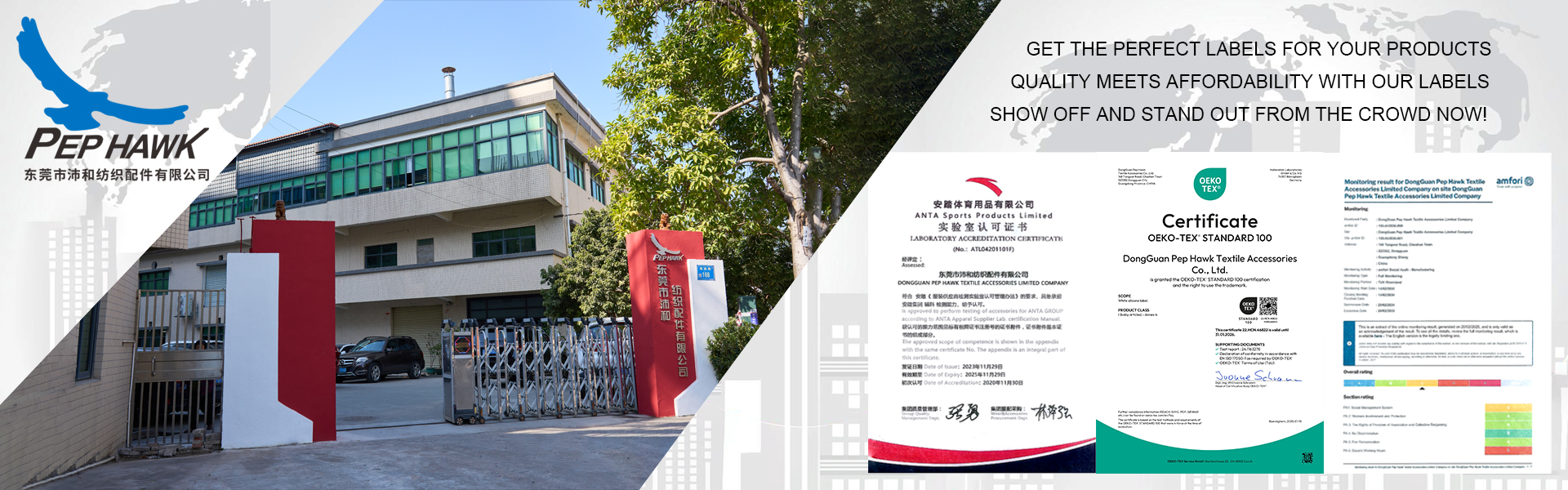
Woven vs Embroidered Patches: Key Differences Compared
What is the difference between tackle, twill, and embroidery?



