

The Embroidery vs. Sublimation Debate: Why One Size Doesn’t Fit All
Shop our exclusive range of sublimated patches, combining quality and creativity. Customize your items with unique designs that reflect your personal style.
When it comes to customizing apparel with patches, the debate between embroidery and sublimation often takes center stage. While some argue that both options are equally versatile, durable, and cost-effective, this perspective overlooks key differences in their applications, aesthetics, and long-term value. In reality, embroidery and sublimation patches cater to distinct needs, and choosing one over the other requires a deeper understanding of their unique characteristics. Below, I will refute the claim that these two types of patches are interchangeable for every occasion and provide a more nuanced analysis.
The Case Against Equivalence: Aesthetic Appeal Matters
One common argument is that both embroidery and sublimation patches offer "stunning" looks suitable for all ages and occasions. However, this oversimplifies the role of aesthetics in design. Embroidery patches are renowned for their textured, three-dimensional appearance, which adds depth and richness to garments like denim jackets, uniforms, or caps. This tactile quality makes them ideal for brands aiming for a classic, premium look. On the other hand, sublimation patches rely on digital printing, resulting in smooth, flat designs that excel in showcasing intricate details and vibrant colors.
While sublimation may be visually striking, it lacks the tactile allure of embroidery. For instance, imagine a military uniform adorned with a digitally printed patch—it simply wouldn’t convey the same sense of tradition and authority as an embroidered crest. Similarly, a sportswear brand might prefer sublimation’s lightweight feel and photo-realistic imagery over the bulkier texture of embroidery. Thus, claiming that either option works universally ignores the importance of context and audience perception.
Durability Misconceptions: Not All Patches Are Created Equal
Another frequent assertion is that both types of patches are equally durable and weather-resistant. While modern manufacturing techniques have improved the longevity of sublimation patches, they still fall short compared to embroidery when subjected to heavy wear and tear. Embroidered patches use dense stitching, making them highly resistant to fraying, fading, and abrasion. This durability ensures they remain intact even after years of washing and outdoor use—a critical factor for industries such as law enforcement, firefighting, or sports teams.
In contrast, sublimation patches, though water- and fade-resistant, are printed onto fabric and sealed with a protective layer. Over time, this layer can degrade under harsh conditions, leading to peeling or cracking. While sublimation is excellent for lightweight accessories like tote bags or promotional items, it cannot match embroidery’s ruggedness for high-stress environments. Therefore, suggesting that both options are equally durable misleads consumers who prioritize longevity.
Cost Considerations: Beyond Initial Pricing
Proponents of sublimation patches often highlight their affordability, citing lower production costs due to faster digital processes. While it’s true that sublimation is generally cheaper upfront, this advantage diminishes when considering the lifespan of the product. An embroidered patch, despite its higher initial cost, offers better value over time because of its superior durability. Businesses investing in branded merchandise should weigh long-term ROI rather than focusing solely on immediate expenses.
Moreover, customization plays a significant role in pricing. While sublimation allows for unlimited color variations without additional charges, embroidery becomes more expensive as complexity increases. However, this limitation also means that embroidered designs tend to be simpler yet timeless, avoiding the risk of appearing dated or overly trendy. For companies seeking a lasting impression, embroidery’s enduring appeal outweighs sublimation’s flashy but fleeting charm.
Versatility: Context Is Key
Both embroidery and sublimation patches are praised for their versatility, but this claim warrants scrutiny. Sublimation shines in scenarios requiring detailed artwork, gradients, or photographic elements—think event badges, fan merchandise, or fashion-forward streetwear. Its ability to reproduce complex designs accurately makes it indispensable for certain niches.
Embroidery, meanwhile, excels in contexts where simplicity and sophistication reign supreme. From corporate logos to athletic team emblems, its clean lines and solid colors project professionalism and reliability. Attempting to force sublimation into these settings risks undermining the intended message, just as using embroidery for highly detailed graphics would sacrifice clarity and impact.
My Perspective: Choose Based on Purpose, Not Popularity
Rather than viewing embroidery and sublimation as interchangeable, we should recognize them as complementary tools tailored to specific goals. If your priority is creating bold, eye-catching designs for short-term campaigns or trendy apparel, sublimation is undoubtedly the way to go. Its affordability, speed, and adaptability make it perfect for fast-paced markets.
However, if you seek timeless elegance, unmatched durability, and a tactile connection with your audience, embroidery remains unmatched. It embodies craftsmanship and authenticity, qualities that resonate deeply with customers seeking premium experiences.
Ultimately, the choice between embroidery and sublimation depends on your objectives, target audience, and desired outcomes. By aligning your decision with these factors, you can harness the strengths of each method to elevate your brand and create meaningful connections.
Conclusion: Embrace the Differences
The notion that embroidery and sublimation patches are equally suited for every occasion oversimplifies their respective strengths and weaknesses. Each technique brings something unique to the table, and recognizing their individual merits enables smarter, more strategic decisions. Whether you opt for the timeless allure of embroidery or the dynamic versatility of sublimation, remember that success lies not in choosing what’s popular but in selecting what truly serves your purpose.
If you're facing the challenge of completing complex design drafts with impeccable quality, look no further than PEPHAWK. Our 16 years of experience and our general manager's 31 years of silicone industry involvement make us the ideal choice to solve your difficult and complicated logo design problems. Choose the expertise of PEPHAWK and feel confident in the flawless results that we deliver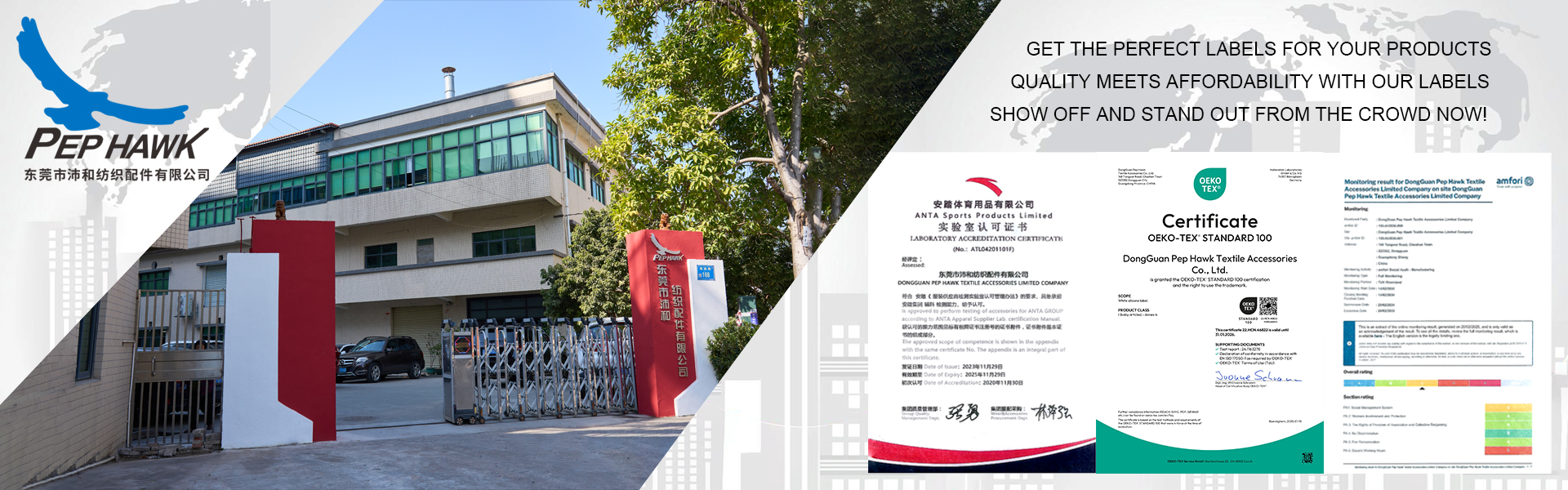
Why Are Premium 3D Embroidery Patches the Ultimate Choice for Your Brand?
Why Embroidered Patches Outshine Woven Patches for Most Projects



