

Stick On Patches For Leather That Work Like A Charm
2026-06-18
Table of Contents
- What Are Stick On Patches For Leather
- Core Product Specifications
- Available Sizes And Formats
- Key Performance Parameters
- Where You Can Use Stick On Patches For Leather
- How To Choose The Right Patch For Your Project
- Step By Step Application Guide
- Maintenance And Longevity Tips
- Common Misconceptions Clarified
Stick on patches for leather are thin, flexible sheets of leather-like material backed with a strong pressure-sensitive adhesive.
What Are Stick On Patches For Leather
Designed for both repair and decorative purposes, they adhere directly to leather, faux leather, and vinyl surfaces once the protective backing is removed. The best options match the texture and color of original leather so closely that the repair becomes nearly invisible.
Unlike traditional leather repair methods that require liquid fillers, glue, and curing time, self-adhesive patches provide an immediate bond. Most products reach full bonding strength within 24 hours of application and remain durable through regular use, temperature changes, and occasional moisture exposure. They work on flat surfaces as well as gently curved areas, making them versatile across many different leather items.
Core Product Specifications
The following table outlines standard specifications for common stick on patches for leather available on the market.
|
Specification
|
Standard Range
|
Premium Grade
|
|
Surface Material
|
PU leather / vinyl
|
High-grade PU with realistic grain
|
|
Thickness
|
0.5 – 0.7 mm
|
0.7 – 1.0 mm
|
|
Adhesive Type
|
Acrylic pressure-sensitive adhesive
|
Industrial-grade acrylic adhesive
|
|
Standard Roll Width
|
3 – 4 inches
|
16 – 17 inches
|
|
Standard Roll Length
|
60 – 63 inches
|
79 – 80 inches
|
|
Color Options
|
8 – 12 basic colors
|
20+ colors including specialty finishes
|
|
Temperature Resistance
|
-10°C to 60°C
|
-20°C to 80°C
|
|
Waterproof Rating
|
Basic water resistance
|
Full waterproof and wear-resistant
|
|
Shelf Life
|
12 months
|
24 months unopened
|
Material quality directly affects how long the patch lasts and how naturally it blends. Premium-grade patches use textured surfaces such as litchi grain, napa finish, or crazy horse texture to match specific leather types. Budget options tend to have smoother surfaces and fewer color choices, which may work for hidden areas but stand out on visible surfaces.
Available Sizes And Formats
Stick on patches for leather come in several packaging formats to suit different project sizes. Choosing the right format prevents waste and ensures you have enough material for the job.
|
Format Type
|
Typical Dimensions
|
Best For
|
|
Pre-cut sheets
|
8 x 11 inches, 5-pack
|
Small repairs, handbags, jackets
|
|
Narrow roll
|
3 x 60 inches
|
Seam repairs, edges, narrow strips
|
|
Wide roll
|
16 x 80 inches
|
Sofa cushions, car seats, large areas
|
|
Extra-large sheet
|
17 x 79 inches
|
Full panel refurbishment, furniture
|
|
Custom die-cut shapes
|
Various pre-cut designs
|
Decorative use, branding, crafts
|
Roll formats offer the most flexibility because you can cut exact shapes and sizes with regular household scissors. For irregular damage or curved surfaces, cutting patches with rounded corners helps prevent peeling edges over time. Pre-cut sheets work well for quick spot repairs and for users who prefer ready-to-use pieces.
Key Performance Parameters
Beyond basic dimensions, several technical parameters determine how well stick on patches for leather perform in real-world use.
Adhesion strength is the most critical parameter. Quality products deliver initial tack strong enough to hold position immediately upon application, with full cure strength reaching approximately 1.8 kg/cm² after 24 hours. The adhesive must remain flexible rather than brittle, so it moves with the leather surface instead of cracking or lifting when bent.
Surface durability covers scratch resistance, abrasion resistance, and color fastness. Top-tier patches withstand thousands of rubbing cycles without fading or wearing through. They also resist common household spills such as coffee, juice, and mild cleaning solutions, making them practical for furniture and frequently touched items.
Flexibility matters especially for items that bend regularly such as jackets, bags, and shoe uppers. Thinner patches generally flex more naturally but offer less structural support for holes and tears. Thicker patches provide better reinforcement but may feel stiff on highly flexible items. Finding the right balance depends on your specific repair need.
Where You Can Use Stick On Patches For Leather
The versatility of self-adhesive leather patches makes them useful across residential, automotive, and craft applications.
Furniture repair represents one of the most common uses. Sofa armrests, seat cushions, office chairs, and ottomans all develop wear patterns over years of use. A well-matched patch can cover faded areas, seal small tears, and extend the life of expensive leather furniture by several years. For large furniture projects, wide-format rolls allow seamless coverage across entire panels.
Automotive interiors benefit greatly from these patches as well. Car seats, steering wheel covers, door panels, and center console armrests frequently suffer from sun damage, scratches, and rips. Heat-resistant patches hold up well inside vehicles exposed to summer temperatures, and their flexible nature conforms to the curved shapes typical of car interiors.
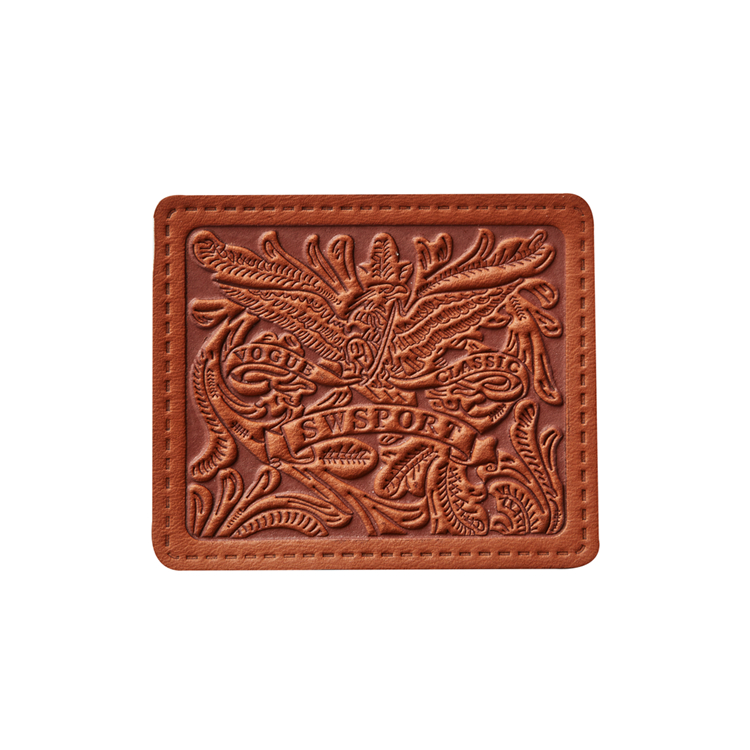
Fashion and accessories represent another major category. Leather jackets, handbags, wallets, belts, and shoes can all be restored with carefully applied patches. Beyond pure repair, many people use decorative leather patches to customize jackets, bags, and notebook covers with personal designs or brand logos.
How To Choose The Right Patch For Your Project
Selecting the best stick on patches for leather depends on four main factors: damage type, surface material, visibility, and environmental conditions.
First, assess the damage. Small scratches and scuffs only need thin patches that cover discoloration. Tears, holes, and burned spots require thicker patches with enough structural support to bridge the gap. For deep damage, you may need to place a backing material underneath before applying the surface patch.
Second, match the material type. Genuine leather with a prominent grain needs a patch with matching texture. Smooth nappa leather calls for a smooth patch, while suede and nubuck require specialized products designed for napped surfaces. Using the wrong texture makes the repair obvious even if the color matches perfectly.
Third, consider visibility. Repairs on highly visible areas such as the front of a sofa or the top of a handbag deserve premium patches with the closest possible color and texture match. Hidden areas such as the back of a cushion or the bottom of a bag work fine with budget options.
Finally, account for environmental conditions. Items used outdoors, in vehicles, or in humid locations need patches with waterproof adhesive and UV-resistant surfaces. Indoor-only items can use standard-grade patches without these extra protections.
Step By Step Application Guide
Proper application makes all the difference in how long stick on patches for leather last and how natural they look. Follow these steps for best results.
Start by cleaning the target area thoroughly. Remove all dirt, grease, leather conditioner, and wax using isopropyl alcohol and a lint-free cloth. Any residue left on the surface weakens the adhesive bond and may cause premature peeling. Allow the surface to dry completely before proceeding.
Next, measure and cut the patch to size. For tears and holes, cut the patch at least half an inch larger than the damaged area on all sides. Round the corners with scissors to reduce the chance of edge lifting over time. Hold the cut piece up to the damage to confirm fit before removing the backing.
Peel off a small section of the protective backing paper rather than removing it all at once. Align the exposed adhesive edge with one side of the repair area, then press it down firmly. Gradually peel away the remaining backing while smoothing the patch from the center outward. This method reduces air bubbles and helps you maintain proper alignment.
Once fully applied, press the entire patch firmly using the palm of your hand or a smooth, flat tool. Work from the center toward the edges to push out any trapped air. For best adhesion, you can apply gentle heat from a hair dryer on low setting to activate the adhesive, then press again. Allow 24 hours for the bond to reach full strength before subjecting the item to heavy use.
Maintenance And Longevity Tips
With proper care, stick on patches for leather can last for years without peeling, fading, or discoloring.
Clean patched areas regularly with a soft damp cloth and mild soap. Avoid harsh chemical cleaners, solvents, and abrasive scrubbers, as these can damage the patch surface and weaken the adhesive edges. Pat the area dry after cleaning rather than rubbing vigorously.
Minimize direct sunlight exposure when possible. Prolonged UV rays cause even the best leather patches to fade gradually. For items near windows or in vehicles, consider using window treatments or sunshades to slow color degradation. Quality patches with UV-stabilized surfaces resist fading much longer than budget alternatives.
Inspect edges periodically, especially on high-flex items. If you notice a corner starting to lift, press it back down firmly and apply gentle heat to reactivate the adhesive. Catching small lifting issues early prevents them from spreading and ruining the entire patch.
Avoid applying leather conditioners, oils, or dyes directly over the patch edge. These products can seep under the adhesive layer and cause it to release from the surface. If you condition the surrounding leather, apply it carefully and wipe away any excess near the patch boundary.
Common Misconceptions Clarified
Several myths circulate about stick on patches for leather that can lead to incorrect expectations.
One common misconception is that all self-adhesive leather patches are the same. In reality, quality varies dramatically between budget and premium products. Cheap patches often use weak adhesive that peels within weeks, while industrial-grade options maintain a strong bond for years. Material thickness, texture accuracy, and color fastness also vary widely between price points.
Another myth is that these patches only work for temporary fixes. While they serve excellently as emergency repairs, properly applied premium patches provide permanent results for many types of damage. For structural tears on non-flexing surfaces such as furniture panels, a good adhesive patch can be a permanent solution.
Some people believe heat is always required for application. Most modern stick on patches for leather work at room temperature without any heat activation. Heat can improve bond strength on certain products, but it is not mandatory. In fact, excessive heat can damage delicate leather surfaces and cause adhesive to bleed.
Stick on patches for leather offer an accessible way to repair, refresh, and customize leather items without professional help. With options ranging from narrow tape rolls to extra-wide furniture-grade sheets, there is a format suitable for every project size. The key to success lies in matching the patch material, texture, and color to your specific item, preparing the surface properly, and following correct application technique.
Whether you are restoring a favorite leather jacket, fixing a car seat, updating furniture, or adding decorative accents to accessories, self-adhesive leather patches deliver reliable results at a fraction of the cost of replacement or professional repair. Keeping a roll on hand means you can address small damages immediately before they worsen, helping your leather goods stay looking their best for years to come.
Custom Made Embroidery Patches Turn Basic Garments Into Standout Pieces
Tiny Iron On Patches Big Style In Small Packages


SEND MESSAGE