

How do sports badges differ across various sports
2025-01-07
Celebrate your sports journey with our custom badges. Explore unique designs that reflect your achievements and inspire pride in your athletic endeavors.
In the vast and vibrant universe of sports, badges serve as more than just ornamental accessories; they are emblems of achievement, symbols of team spirit, and a tangible connection to the sporting heritage. From the roaring stadiums of football to the serene greens of golf, each sport has carved out its own unique niche when it comes to sports badges. Whether you're a sports merchandiser looking to diversify your product line, a collector seeking to expand your trove, or simply a curious enthusiast eager to understand the nuances, let's take a deep dive into how sports badges differ across the board.
Football: The Badge of Passion and Pride
Football, the global behemoth of sports, boasts badges that are nothing short of iconic. These badges are often a complex amalgamation of symbols, colors, and crests that tell a rich story. For the top-tier clubs, like Manchester United or Real Madrid, their badges are steeped in history. The Manchester United crest features a devil, a nod to the city's nickname “The Red Devil,” and it's a symbol that fans wear with unwavering pride. The colors are carefully chosen, with the red representing passion and energy, while the gold accents add a touch of prestige.
When it comes to national football teams, badges take on a patriotic tone. The German national team's badge, for instance, showcases the iconic eagle, a symbol of strength and national identity. These badges are not only emblazoned on the players' jerseys but also adorn a plethora of merchandise. From scarves to keychains, they become a must-have for fans, creating a sea of team colors in the stadiums and a sense of unity that's truly electrifying.
Basketball: Sleek and Dynamic Branding
In the fast-paced world of basketball, badges have a more contemporary and dynamic feel. NBA team badges, such as the Los Angeles Lakers' or the Chicago Bulls', often feature bold, stylized lettering and a prominent logo. The Lakers' classic purple and gold color scheme, combined with their iconic “L” logo, is instantly recognizable. It gives off an air of Hollywood glamour, befitting the team's star-studded history.
Basketball badges also need to work well in a digital age. They are frequently seen on social media, websites, and in high-definition broadcasts. This demands a level of clarity and simplicity that can still make a big impact. Badges are often incorporated into the court design, too, becoming a part of the playing environment and further embedding the team's identity. For fans, wearing a basketball badge on a cap or jersey is a way to show allegiance and be part of the buzzer-beating excitement that defines the sport.
Rugby: Rugged and Heritage-Rich Designs
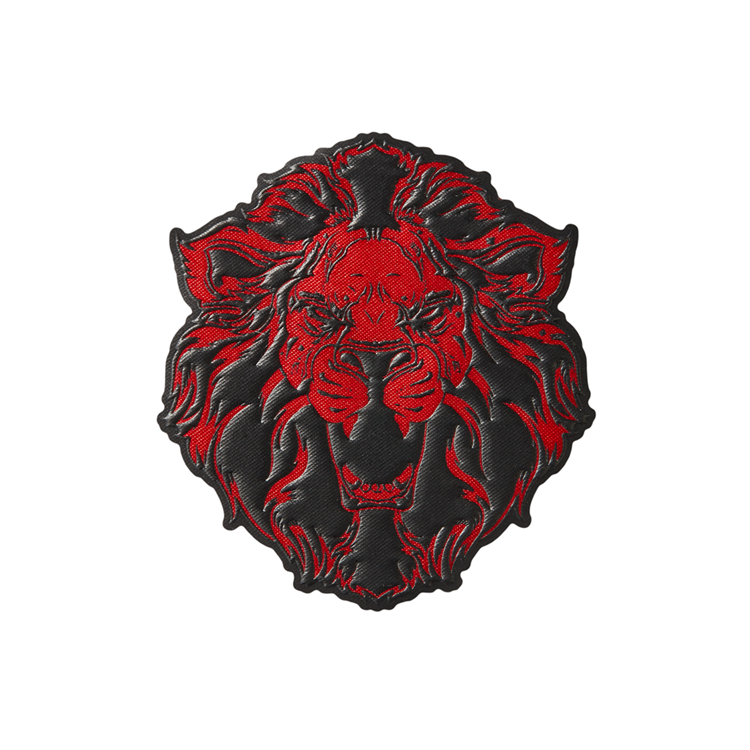
Rugby badges carry a sense of ruggedness and a deep connection to the sport's roots. The oval shape is a common denominator, harking back to the rugby ball itself. Teams like the New Zealand All Blacks have a badge that is minimalist yet powerful. Their silver fern emblem is synonymous with the team's fearsome reputation on the pitch. It's a symbol that has been passed down through generations, representing the nation's rugby prowess.
English rugby clubs, such as Leicester Tigers, have badges that incorporate elements like tigers or castles, tying in with local history and folklore. These badges are stitched onto thick, durable jerseys, ready to withstand the rough and tumble of the game. For supporters, rugby badges are a mark of loyalty, seen at muddy matches and in the post-game celebrations at the local pub. They embody the camaraderie and toughness that are at the heart of the sport.
Golf: Understated Elegance and Prestige
Golf, with its reputation for refinement, has badges that exude understated elegance. Golf club badges, like those of Augusta National or St. Andrews, are often small, discreet, and rich in tradition. The Masters Tournament badge, for example, features the iconic green jacket and a simple, elegant font. It's a symbol that golfers around the world aspire to be associated with.
These badges are more about exclusivity and a sense of accomplishment. They might be found on a golfer's bag, a cap, or a commemorative item. Unlike the more flamboyant badges of other sports, golf badges whisper rather than shout. They are a quiet nod to the player's membership in an elite club or their participation in a prestigious tournament. It's all about the subtle display of status and a love for the gentleman's game.
Tennis: A Touch of Class and Individuality
Tennis badges offer a blend of class and individuality. Grand Slam tournament badges, such as those of Wimbledon or the US Open, are works of art. The Wimbledon badge, with its classic green and purple colors, and the elegant script, is a symbol of tennis royalty. It graces the towels, hats, and programs at the tournament, creating a sense of occasion.
For professional players, their personal logos can also be considered a type of badge. Roger Federer's RF logo is a prime example. It's simple, yet it has become synonymous with his brand of elegant, effortless tennis. These logos are often embroidered or printed on their gear, allowing fans to identify and connect with their favorite players. Tennis badges, whether tournament or player-based, add a touch of sophistication to the sport, much like a perfectly executed backhand volley.
Cycling: Aero-Driven and Sponsor-Focused
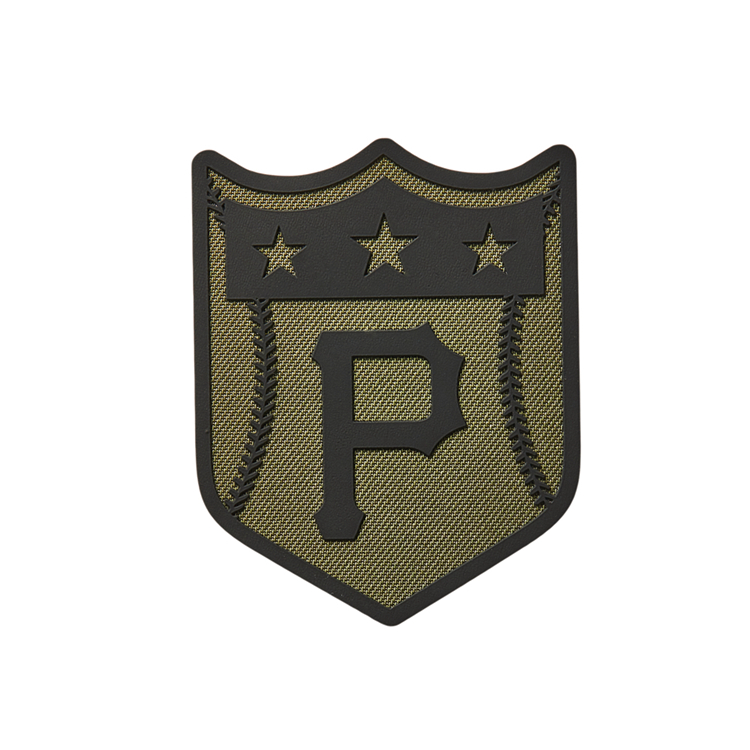
In the world of cycling, badges take on a unique role. Team badges need to be aerodynamic, as they adorn the cyclists' jerseys and bikes during high-speed races. They are often sleek, elongated designs that won't create unnecessary wind resistance. For example, the Team Ineos badge is a streamlined affair, with bold colors that make it visible from a distance.
Cycling badges also prominently feature sponsors. Since the sport relies heavily on sponsorship, these logos become an integral part of the badge design. A cycling badge might have multiple sponsor logos arranged in a way that doesn't clutter the overall look but still gives due recognition. For fans, following a particular team means sporting a jersey with a badge that showcases not only the team but also the companies that support them, making it a moving billboard of sorts.
Ice Hockey: Fierce and Frosty Logos
Ice hockey badges are as tough as the sport itself. NHL team badges, like the Boston Bruins' or the Detroit Red Wings', feature fierce animals or bold symbols that embody the aggression and speed of the game. The Bruins' bear logo, with its menacing glare, strikes fear into opponents.
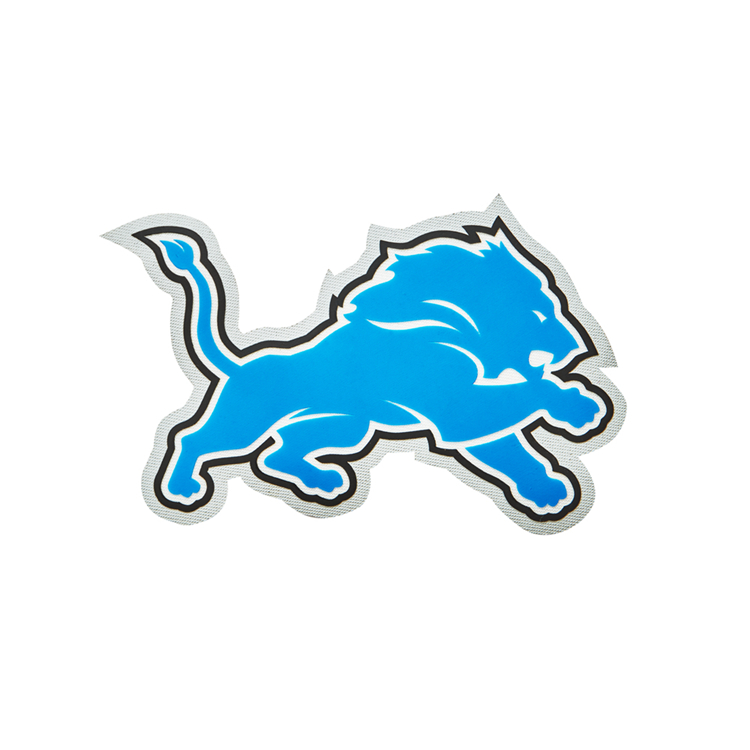
These badges are made to withstand the cold and the rough play on the ice. They're often printed or embroidered on thick, insulated jerseys. The colors are chosen to stand out against the ice surface, with bright primaries like red, blue, and yellow being popular. For fans in the freezing arenas, wearing a team badge is a way to show their passion and keep warm, both literally and figuratively, as they cheer on their favorite team through bone-chilling overtime battles.
Athletics: Symbolic and Inspirational
In track and field, athletics badges are all about inspiration and symbolism. National team badges, for example, might incorporate elements that represent the country's athletic heritage or a particular trait. The Jamaican team's badge, with its lightning bolt, pays homage to the nation's sprinting dominance.
For major championships like the Olympics, the official badges are designed to capture the spirit of the event. The Rio Olympics badge was a vibrant celebration of Brazilian culture, with its colorful patterns and dynamic shapes. These badges are worn by athletes and fans alike, serving as a reminder of the pursuit of excellence and the unity of the global sporting community.
In conclusion, sports badges are as diverse as the sports they represent. From the passionate and elaborate football crests to the understated elegance of golf insignias, each badge tells a story, fosters team spirit, and creates a connection. Whether you're donning a badge to support your team, collecting them as a hobby, or using them to enhance your sports merchandise, understanding these differences allows you to fully appreciate the rich tapestry of the sporting world. So, the next time you see a sports badge, take a moment to decipher the hidden messages and embrace the sporting heritage it embodies.
How to Properly Sew Name Tags on Clothing
Essential Tips for Designing Baseball Bat Labels




SEND MESSAGE