
What Are the Best Practices for Souvenir Logos
2025-01-13
Capture your travel memories with our unique souvenir logos. Browse our collection to discover designs that reflect the essence of your adventures.
Souvenirs are more than just trinkets; they are tangible memories that travelers carry home from their adventures. A well-designed souvenir logo can transform a simple item into a cherished keepsake, enhancing the emotional connection and brand recall. Whether you're creating logos for a local craft shop, a national park, or an international tourist destination, adhering to best practices in souvenir logo design is crucial. This article will explore the key principles and strategies for designing souvenir logos that stand out, tell a story, and leave a lasting impression.
The Importance of a Souvenir Logo
A souvenir logo serves as the face of the product, encapsulating the essence of the place or experience it represents. It plays a vital role in attracting customers, communicating value, and creating an emotional bond. A compelling logo can turn a mere purchase into a meaningful memento, encouraging repeat business and word-of-mouth marketing.
Best Practices for Souvenir Logo Design
1. Understand the Story
Every souvenir has a story to tell, whether it's the history of a landmark, the culture of a region, or the spirit of an event. Begin by researching and understanding the narrative behind the souvenir. This story should be the cornerstone of your logo design, ensuring that the logo resonates with the target audience and evokes the desired emotions.
-
Research the Locale: If the souvenir represents a specific location, delve into its history, folklore, and unique characteristics. For example, a logo for souvenirs from the Grand Canyon might incorporate elements like layered rock formations or the Colorado River.
-
Capture the Experience: Consider the emotions and experiences associated with the souvenir. A logo for a beach resort souvenir could convey relaxation, joy, and the allure of the ocean.
2. Keep It Simple and Recognizable
A great souvenir logo should be simple enough to be easily recognized and remembered, yet detailed enough to convey the story. Avoid clutter and focus on a few key elements that best represent the brand or location.
-
Use Iconic Elements: Incorporate universally recognized symbols or icons that are associated with the place or theme. For a souvenir from Paris, the Eiffel Tower silhouette is an instantly recognizable element.
-
Maintain Clarity: Ensure that the logo remains clear and legible at various sizes. It should look good on a small keychain as well as a large tote bag.
3. Choose the Right Colors
Colors play a crucial role in evoking emotions and creating a connection with the audience. Choose a color palette that aligns with the story and the target market.
-
Reflect the Locale: Use colors that are representative of the place. For a souvenir from a tropical island, vibrant colors like turquoise, coral, and sandy beige can evoke the feeling of sun, sea, and sand.
-
Consider Cultural Significance: Be mindful of the cultural meanings of colors. In some cultures, red symbolizes luck and prosperity, while in others, it might represent danger or warning.
4. Incorporate Local Flair
Adding local elements to the logo can make the souvenir more authentic and appealing to tourists. These elements can include local flora, fauna, architecture, or traditional patterns.

-
Use Native Motifs: For souvenirs from a region known for its indigenous art, incorporate traditional patterns or symbols into the logo design. For example, Native American-inspired souvenirs might feature geometric patterns or animal totems.
-
Highlight Local Produce: If the souvenir is related to a local industry, such as wine or cheese, include elements that represent these products in the logo.
5. Ensure Versatility
The logo should be versatile enough to be used across a range of souvenir products and marketing materials. It should look good on different backgrounds, textures, and colors.
-
Test on Various Products: Before finalizing the logo, test it on a variety of souvenir items like T-shirts, mugs, postcards, and bags. Ensure that it maintains its impact and readability.
-
Adapt for Different Media: Consider how the logo will look in print, on digital platforms, and on physical products. It should be adaptable to different formats without losing its essence.
6. Engage the Audience
A successful souvenir logo should engage the audience and encourage interaction. This can be achieved through creative design elements that invite touch, exploration, or sharing.
-
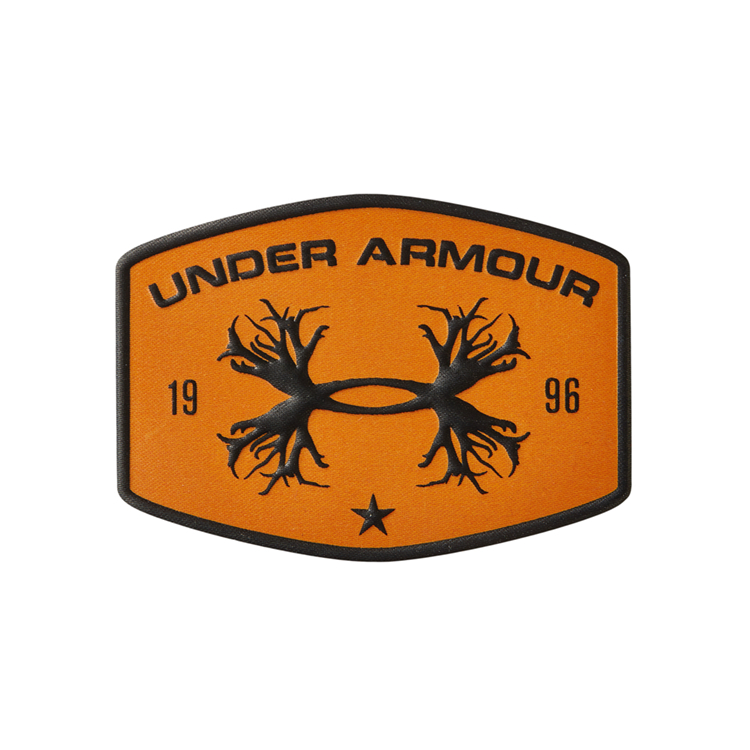
Add Tactile Elements: For physical souvenirs, consider adding tactile elements to the logo, such as embossing, debossing, or foil stamping. These elements can make the logo more interesting and memorable.
-
Encourage Social Sharing: Design the logo in a way that makes it shareable on social media. A unique and eye-catching logo can become a talking point, leading to increased brand exposure.
7. Legal and Ethical Considerations
Ensure that the souvenir logo does not infringe on any existing trademarks or copyrights. Additionally, be respectful of cultural symbols and traditions, avoiding any misappropriation or offensive representations.
-
Conduct Trademark Searches: Before finalizing the logo, conduct thorough trademark searches to avoid legal disputes. Ensure that your design is unique and does not closely resemble any existing logos.
-
Cultural Sensitivity: If using cultural elements, do so with respect and understanding. Consult with local communities or experts to ensure that the representation is accurate and appropriate.
Case Studies: Successful Souvenir Logos
1. The Louvre Museum
The Louvre's souvenir logo is a perfect example of simplicity and recognition. The logo features the iconic glass pyramid entrance, a symbol that is synonymous with the museum. The clean lines and simple design make it easily recognizable and adaptable to various souvenir products, from postcards to tote bags.
2. Maasai Mara National Reserve
For souvenirs from the Maasai Mara, the logo incorporates elements like the African savannah, big cats, and traditional Maasai warriors. The use of earthy colors and silhouettes creates a strong connection to the region's wildlife and culture, making the logo both educational and visually appealing.
3. Great Barrier Reef
Souvenirs from the Great Barrier Reef feature logos with coral reefs, sea turtles, and vibrant marine life. The logo's color palette reflects the underwater world, and the design elements evoke the beauty and fragility of this natural wonder, encouraging conservation efforts.
Conclusion
Designing a souvenir logo is a blend of art, storytelling, and strategic thinking. By following best practices such as understanding the story, keeping it simple, choosing the right colors, incorporating local elements, ensuring versatility, engaging the audience, and considering legal and ethical aspects, you can create a logo that not only looks great but also tells a story and builds a connection. A well-designed souvenir logo can turn a simple product into a cherished memory, enhancing the overall tourist experience and promoting the destination or brand effectively. Whether you're a designer, a business owner, or a marketing professional, investing time and effort into creating a memorable souvenir logo will yield significant returns in terms of brand recognition and customer loyalty.
Step-by-Step Guide to Designing Illusion Logos
What Are the Benefits of Using Bag Badges


SEND MESSAGE