

Exploring the Craftsmanship and Materials of Ski Patches for Jackets
2025-10-16
Ski patches for jackets are far more than decorative accessories—they embody personal style, brand identity, and even memories of mountain adventures.
To endure the harsh conditions of skiing (freezing temperatures, moisture, and constant movement), these patches rely on diverse materials and craftsmanship. This article explores the most prominent materials and techniques used to create ski patches, highlighting how each approach balances aesthetics and functionality.
1. Embroidered Patches: Timeless Artistry in Thread
Embroidered patches are a staple in outerwear customization, prized for their tactile texture and enduring appeal.
Materials
- Embroidery Threads: Polyester or cotton threads are standard, chosen for colorfastness (resistance to fading) and durability against abrasion.
- Base Fabric: Twill, felt, or water-resistant synthetic blends serve as the foundation, providing stability for stitching.
- Backing: Heat-activated adhesive (for easy iron-on application) or sew-on backing (for maximum security) is added to attach the patch to jackets.
Craftsmanship Process
- Design Digitization: The ski-inspired design (e.g., a snowflake, ski boot, or mountain silhouette) is converted into a digital file for embroidery machines, mapping thread colors and stitch patterns.
- Hooping the Base Fabric: The base fabric is stretched taut in an embroidery hoop to ensure uniform stitching.
- Thread Placement & Stitching: Embroidery machines layer threads using techniques like satin stitch (for smooth, glossy surfaces) or fill stitch (for dense, textured areas) to recreate the design.
- Finishing Touches: After stitching, the patch is cut from the base fabric (often with a hot knife to prevent fraying for felt). A backing is applied; heat-activated adhesive allows iron-on application, while sew-on backing requires needle and thread for attachment.
Advantages & Use Cases
Embroidered patches offer a textured, premium look that ages well. They excel at intricate details (e.g., fine lettering for ski resort names or complex ski motifs) and work best on jacket areas with minimal flexibility (e.g., chest pockets or back panels).
2. PVC/Rubber Patches: Durability for Harsh Conditions
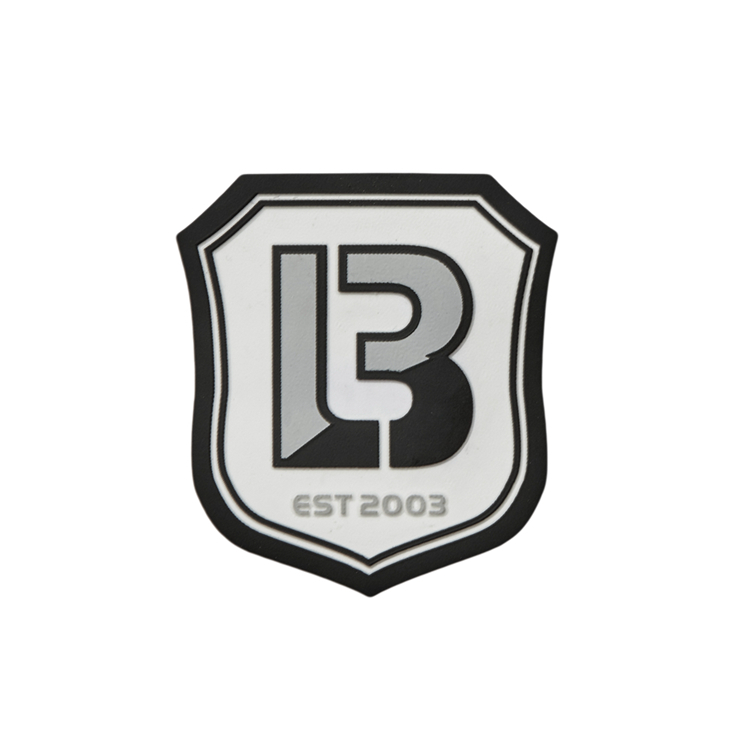
PVC (polyvinyl chloride) and rubber patches are ideal for skiwear due to their unmatched resistance to moisture and cold.
Materials
- PVC Compounds: Offer vibrant colors and a slightly rigid finish.
- Natural/Synthetic Rubber: Provides a softer, matte texture.
Both materials are inherently water-resistant.
Craftsmanship Process
- Mold Creation: A metal mold is precision-engineered based on the patch design, acting as a template for shaping the material.
- Molding:
-
- PVC: Molten PVC is injected into the mold and cooled until hardened.
-
- Rubber: Rubber pellets are placed in the mold, then heated and compressed to fuse into the patch’s shape.
- Coloring & Detailing: Colors are added during molding (via pigmented PVC/rubber) or post-molding painting. Raised/recessed details create 3D effects (perfect for highlighting ski edges or mountain peaks).
- Backing Application: Weatherproof adhesive backing is applied, allowing the patch to be pressed onto jackets. Some versions include sewing holes, though adhesive is preferred for ski jackets to maintain waterproof seams.
Advantages & Use Cases
PVC/rubber patches are 100% waterproof and highly durable, surviving scrapes against ski poles or rocks. Their bold, dimensional appearance suits statement designs (e.g., “ski team” badges or cartoon snowmen) and is easy to clean—simply wipe off snow or dirt.
3. Woven Patches: Subtle Sophistication in Weave
Woven patches offer a sleek, integrated look, resembling the jacket’s fabric while showcasing detailed designs.
Materials
- Polyester Yarn: Used for color vibrancy and strength, woven on specialized looms.
- Base Fabric: A thin, flexible material supports the woven pattern.
Craftsmanship Process
- Jacquard Weaving Setup: The design is programmed into a jacquard loom, which controls thousands of yarns to create intricate patterns (similar to tapestry weaving).
- Weaving the Pattern: Yarns interlace at high speed to form the ski-themed design (e.g., a minimalist ski lift or repeating snowflakes). The loom weaves the design and patch borders simultaneously.
- Cutting & Finishing: Patches are cut from the woven roll. Edges may be left as selvage (smooth, uncut edges from the loom) for a clean look or overlocked (serged) to prevent fraying for custom shapes. Adhesive or sew-on backings are then added.
Advantages & Use Cases
Woven patches are lightweight and flexible, making them perfect for bendable jacket areas (e.g., cuffs or shoulder seams). They excel at fine details (e.g., tiny ski resort logos or intricate mountain outlines) without the bulk of embroidery, though very small text can be harder to read than with embroidery.
4. Heat-Transfer Patches: Vibrant Precision for Complex Art
Heat-transfer patches enable photo-realistic designs, ideal for capturing vivid ski landscapes or custom artwork.
Materials
- Heat-Transfer Film/Sheets: Coated with ink-receptive layers to bond with fabric.
- Specialty Inks: Sublimation inks (for polyester fabrics) or heat-resistant inks (for cotton/nylon blends) ensure color retention.
- Jacket Fabric: Polyester blends work best, though some films adhere to cotton/nylon with added adhesives.
Craftsmanship Process
- Digital Printing: The ski design (e.g., a photo of a skier mid-run or a colorful abstract mountain scene) is printed onto heat-transfer film using large-format printers.
- Heat Application: A heat press applies high temperatures (300–350°F / 150–175°C) to the printed film, melting its adhesive layer to bond the design to the jacket.
- Peeling & Finishing: After cooling, the protective film is peeled away, leaving the design embedded in the fabric. Some films require “cold peel” (peeling after cooling), while others are “hot peel” (peeling while warm).
Advantages & Use Cases
Heat-transfer patches offer unparalleled color accuracy, reproducing gradients, photos, or complex graphics that other techniques cannot. They feel smooth and flexible, so they don’t restrict movement—perfect for chest or back panels. However, they require gentle care (no harsh scrubbing) and may fade over time with excessive sun exposure or harsh washing.
Conclusion
Choosing a ski patch depends on aesthetic preferences, functional needs, and budget:
- Embroidered patches bring classic charm and texture.
- PVC/rubber patches offer rugged durability for extreme conditions.
- Woven patches provide subtle sophistication and flexibility.
- Heat-transfer patches deliver bold, photo-quality vibrancy.
Each technique transforms simple materials into symbols of style and resilience, ensuring ski jackets are both protected from the elements and reflective of adventure. Whether branding a team, commemorating a trip, or adding personal flair, the artistry of ski patches turns functional wear into something truly special.
The Versatility of Cartoon Character Logos in Emblematic Designs
The Artistry of Nike Air Max Logos: Materials and Craftsmanship


SEND MESSAGE