

How to Design 7 Unique Single Custom Embroidered Patches That Stand Out Instantly
Create your own custom embroidered patches for a unique flair. Ideal for fashion, branding, or gifts. Start designing your personalized patch today!
1. Material Matters: Choosing the Right Fabric and Backing
The foundation of any standout patch begins with material selection. While most patches are made from twill fabric, savvy designers are now experimenting with materials like felt, velvet, or even recycled textiles to create a unique tactile experience.
- Heat Seal vs. Merrowed Edge: Consider using heat-seal backing for a clean, no-stitch look ideal for temporary wearables. Alternatively, a merrowed edge gives a classic, polished finish.
- Eco-Friendly Options: Brands focused on sustainability can opt for organic cotton or recycled polyester, which appeal to environmentally conscious consumers.
By choosing unconventional materials, your patch gains a distinctive texture and visual appeal that sets it apart from standard designs.
2. Color Psychology: Strategic Use of Hues for Maximum Impact
Color plays a crucial role in emotional engagement and brand recognition. When designing a single patch, every thread color must serve a purpose.
- Brand Consistency: Align colors with your brand palette to ensure instant recognition.
- Contrast and Depth: Use contrasting threads for outlines and key elements to create depth and dimensionality.
- Metallic and Glow-in-the-Dark Threads: For high-impact visibility, especially at night or under stage lights, these specialty threads offer a modern twist.
A thoughtful color scheme ensures your patch stands out visually while conveying the right message to your audience.
3. Typography and Text Integration: Making Words Work Visually
Even a small amount of text can make a big difference in how a patch is perceived. The font style, size, and placement should all be strategically considered.
- Custom Fonts: Design or license a unique typeface that reflects your brand personality—bold, elegant, playful, etc.
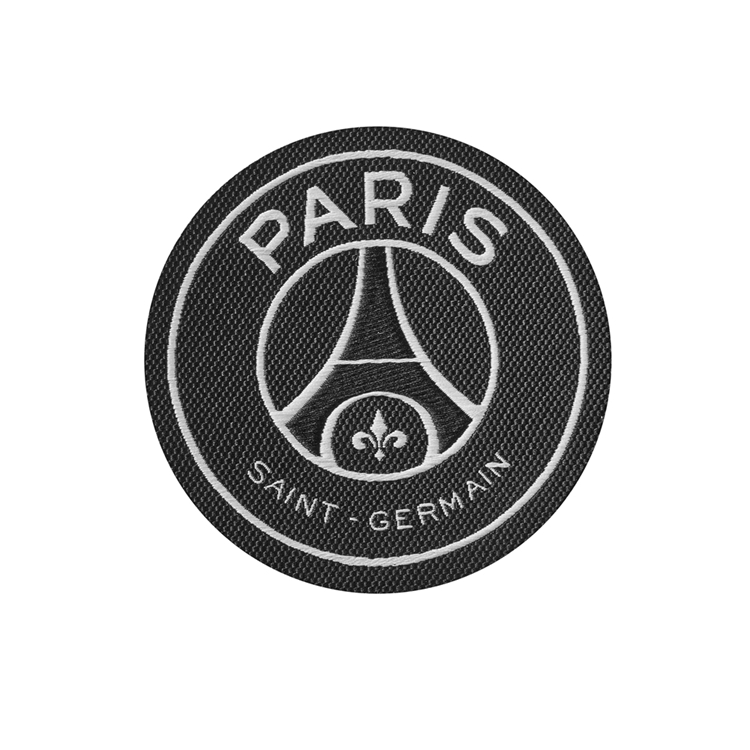
- Arc or Curved Text: Adding curved text around a central image creates a dynamic flow and adds interest.
- Text as Design Element: Treat letters as part of the overall graphic, integrating them into shapes or images for a cohesive look.
When text is more than just information—it becomes art—the patch transforms into a storytelling medium.
4. Shape Innovation: Breaking the Mold of Traditional Patch Geometry
While many patches stick to standard shapes like rectangles or ovals, breaking free from geometric norms can elevate your design.
- Freeform Shapes: Let the design dictate the shape, such as an abstract swirl or silhouette of a product.
- Layered Cutouts: Incorporate multiple layers with cutout sections to create a 3D effect.
- Laser-Cut Edges: Offer precision and a modern aesthetic, perfect for minimalist or tech-oriented brands.
Unconventional shapes draw attention and encourage closer inspection, making your patch more memorable.
5. Detail-Oriented Embroidery Techniques: Adding Dimension and Texture
High-quality embroidery isn’t just about stitching; it’s about creating a sensory experience.
- Chenille Effects: Add softness and retro charm, popular among sports teams and educational institutions.
- Raised Thread (Puff Embroidery): Gives a 3D pop to specific elements like logos or mascots.
- Beaded or Sequined Accents: Ideal for luxury or fashion-forward brands looking to add sparkle and exclusivity.
These techniques allow you to go beyond flat imagery and create a patch that feels premium and engaging.
6. Limited Edition & Personalization: Creating Exclusivity
In the world of branding, exclusivity drives demand. Even within single-patch design, there are ways to introduce limited-run or personalized elements.
- Numbered Editions: Assign each patch a number (e.g., “001/500”) to create collectibility.
- Name Embroidery: Perfect for employee recognition or VIP access badges.
- QR Code Integration: Embed a scannable QR code into the design for digital interaction and tracking.
By offering personalization or scarcity, you transform a simple patch into a valuable collector's item or branded keepsake.
7. Strategic Placement and Application: Ensuring Visual Dominance
A great patch deserves to be seen—and placed where it will have the most impact.
- High-Traffic Zones: Think shoulder sleeves, hat peaks, or jacket backs where visibility is maximized.
- Orientation Matters: Vertical patches work best on narrow spaces like lapels, while horizontal ones suit broader areas like chest pockets.
- Accessory Integration: Use patches on bags, lanyards, or pins to expand brand presence beyond traditional apparel.
Proper placement ensures that your patch doesn't just exist—it commands attention.
When tackling intricate design projects that demand precision and excellence, PEPHAWK stands as your trusted partner. With 16 years of industry expertise and our general manager’s 31-year legacy in silicone innovation, we specialize in transforming complex logo concepts into flawless realities. Our seasoned team combines technical mastery with creative problem-solving to deliver unmatched quality, ensuring your vision is executed with meticulous attention to detail. Partner with PEPHAWK—where unparalleled experience meets cutting-edge craftsmanship.
Why 5 Steps Will Change the Way You Think About Custom Design Patches Forever
How to Make Your Logo Patch Last 10 Years



