

Flat is Boring. Give Your Apparel Dimension and Touch
Shop our vibrant silicone name bands, designed for comfort and style. Perfect for any occasion, personalize yours to stand out from the crowd!
1. The Label as a Brand Storyteller
Gone are the days when a label was simply a piece of fabric with care instructions. Today’s labels are storytelling tools. They whisper your brand values into the ears of consumers—literally and figuratively.
Whether it’s a simple tag inside a shirt or a bold woven label on the outside of a jacket, every label is an opportunity to connect. It might say “Made with organic cotton” or feature your company’s mission statement in a few carefully chosen words. These subtle touches create trust and loyalty long after the purchase is made.
Think of your label as the first handshake between your brand and your customer. It’s personal, intimate, and unforgettable when done right.
2. Types of Labels: From Functional to Fashionable
Not all labels serve the same purpose—and that’s exactly what makes them so versatile. Let’s take a look at some of the most common types of labels used in the apparel industry and how they contribute to both form and function:
Care Labels
These are the practical ones. Required by law in many countries, care labels provide washing, drying, ironing, and dry-cleaning instructions. But why stop at plain text? Brands are now opting for minimalist designs, eco-friendly materials, or even QR codes that link to animated care guides. Practicality meets personality.
Size Labels
Once purely utilitarian, size labels are now being reimagined. Some brands choose removable tags (to avoid scratchiness), while others use soft satin labels that feel luxurious against the skin. Customizable sizes, multilingual printing, and color-coded systems are becoming increasingly popular.
Woven Labels
Woven labels are classic yet customizable. Whether you want a discreet logo on the inside or a visible brand name on the hem, woven labels offer texture and durability. They come in various weaves, from taffeta to satin, each offering a different tactile experience.
Printed Labels
Printed labels allow for full-color branding. Perfect for showcasing intricate logos, slogans, or even small illustrations, these labels bring visual richness to your garments. They’re ideal for limited edition collections or seasonal themes.
Hang Tags & Swing Tags
While not sewn into the garment, hang tags play a crucial role in retail presentation. They can include the brand story, QR codes linking to behind-the-scenes content, or even sustainability certifications. A well-designed swing tag can be the difference between a passing glance and a purchase.
Heat Transfer Labels
These are printed directly onto the fabric using heat-pressed technology. They’re smooth, seamless, and perfect for sportswear or children's clothing where comfort is key. Plus, they eliminate the risk of irritation from rough tags.
Each type of label offers a unique way to enhance the consumer experience. By choosing the right combination, you can create layers of meaning, texture, and identity throughout your collection.
3. Going Beyond Fabric: Materials That Make a Difference
Labels aren’t just about design—they’re also about material choices. In an age where sustainability matters more than ever, brands are exploring innovative alternatives to traditional polyester or cotton tags.
- Organic Cotton Labels : Soft, biodegradable, and perfect for eco-conscious brands.
- Recycled Polyester : Reduces waste and maintains durability.
- Leather Patches : Offer a premium, vintage feel—ideal for denim or outerwear.
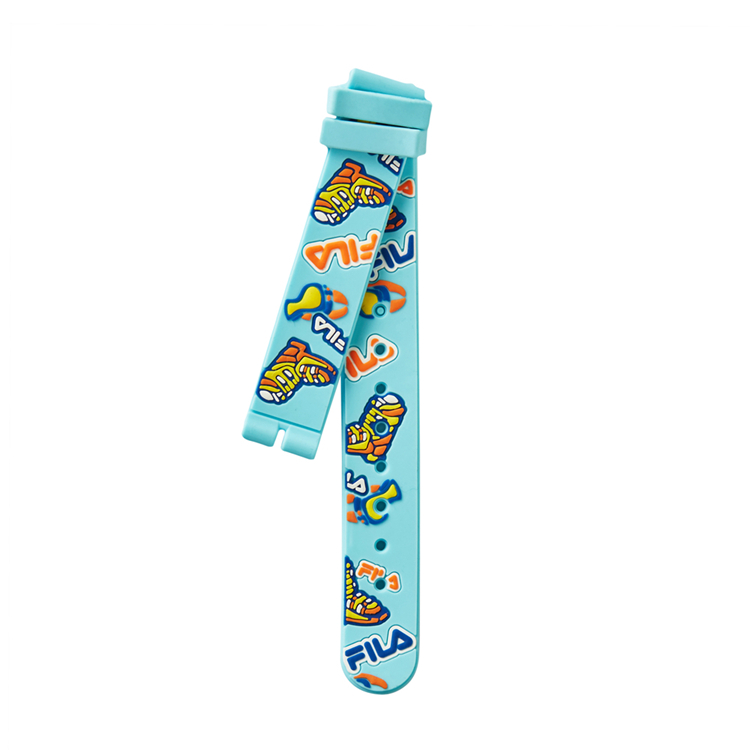
- Silicone Labels : Waterproof, durable, and modern-looking—great for activewear.
- Wooden or Bamboo Labels : Unique and eco-friendly, though less common, these make a bold statement.
The materials you choose reflect your brand’s values and commitment to quality. They also affect the user experience—how the label feels against the skin, how it ages over time, and even how it sounds when touched.
4. Personalization: Making Every Garment Feel Special
Consumers today crave personalization. Labels are a subtle yet effective way to deliver that sense of exclusivity.
Some brands are adding custom names , limited edition numbers , or even QR codes that lead to personalized thank-you videos. Others are experimenting with removable labels that customers can keep as collectibles or pins.
Imagine receiving a jacket with a tiny embroidered note inside: “Thank you for choosing us.” It’s a small gesture—but one that turns a product into a keepsake.
Personalized labels not only increase perceived value but also encourage social sharing. After all, people love showing off something that feels uniquely theirs.
5. Designing for Emotion: How Labels Create Connection
At the end of the day, purchasing decisions are driven by emotion. And labels are emotional triggers. A well-placed message, a familiar logo, or a meaningful symbol can spark joy, nostalgia, or pride.
Consider the feeling of pulling on your favorite hoodie and seeing a small label stitched inside that reads, “Designed with love in [your city].” Suddenly, the item becomes more than just clothing—it becomes part of your identity.
Labels can also celebrate milestones, cultural moments, or community causes. For example, a Pride Month collection might feature rainbow-colored tags with inclusive messages. Or a heritage brand might showcase its founding year proudly on every garment.
When labels evoke emotion, they build brand loyalty. And loyal customers don’t just buy once—they become advocates.
PEPHAWK’s Nike-Style TPU Patch: Zero MOQ, Eco-Friendly Customization, 3D Design
The Modern Answer to the Old-Fashioned, Scratchy Tag



