Silicone Logo Patch Color System: Special Visual Effects, Craftsmanship & Selection Guide
2025-09-06
Silicone Logo Patch Color System: Includes basic tones, special effects, paired with craftsmanship, suitable for apparel/outdoor/baby scenarios, aiding precise selection.
I. Basic Color System
1. Classic Neutral Tones (Versatile for Daily Use)
- Pantone Black 6C: A deep, opaque black with strong color fastness. Ideal for logos on casual apparel (e.g., denim jackets), workwear, and leather bags—offers high contrast with light-colored substrates.

- Pantone 116C: A bright, pure yellow. Used for logos on dark-colored sportswear (e.g., black running tops) or as a base color for multi-color patches.

- Pantone Cool Gray 10C: A muted, blue-toned gray. Suitable for business apparel (e.g., dress shirt cuffs) and minimalist brand logos, conveying professionalism.

- Pantone Warm Gray 5C: A soft, beige-toned gray. Perfect for eco-friendly brands or casual accessories (e.g., canvas tote bags), creating a natural, understated look.

2. Vivid Saturated Hues (High Visual Recognition)
- Pantone Red 485C: A bold, bright red with high saturation. Widely used for sports brand logos (e.g., soccer jersey chest patches) and promotional products—grabs attention quickly.

- Pantone Blue 2945C: A vibrant, sky-like blue. Suitable for outdoor gear (e.g., hiking backpacks) and children’s apparel, symbolizing energy and freshness.

- Pantone Green 362C: A bright, leafy green. Popular for eco-brands, organic product labels, or fitness apparel, aligning with themes of sustainability and vitality.

- Pantone Yellow 109C: A sunny, warm yellow. Used for safety-related casual products (e.g., cycling caps) or playful brand logos (e.g., kids’ backpacks), enhancing visibility.

3. Soft Pastel Tones (Gentle for Skin-Contact & Kids’ Products)
- Pantone Pink 14-1507 TCX: A soft, muted rose pink. Hypoallergenic and non-irritating, ideal for silicone patches on infant clothing, underwear, or women’s loungewear.

4. Earthy Tones (Natural for Outdoor & Casual Gear)
- Pantone Brown 1605C: A rich, chocolate brown. Suitable for leather goods (e.g., backpack zippers) or outdoor jackets, matching natural materials like leather and canvas.

- Pantone Olive 18-0107 TCX: A muted, military-style olive green. Popular for tactical gear (e.g., utility vests) or rugged apparel brands, emphasizing durability and functionality.

II. Special Visual Effect Colors
Special visual effect colors of silicone logo patches go beyond basic hues, integrating functional materials and innovative craftsmanship to meet demands for visibility, interactivity, and aesthetic uniqueness. Below is a detailed breakdown of common types:
1. Fluorescent Colors (High Visibility)
Core Principle
Achieved by adding fluorescent powder (e.g., strontium aluminate-based compounds) to silicone, which absorbs visible light and re-emits it at a longer wavelength, creating a "glowing" effect under natural or ambient light.
Typical Color Variants & Applications
-
Fluorescent Orange: The most widely used safety fluorescent color. Ideal for outdoor sports gear (e.g., hiking jacket chest patches, running backpack straps) and workwear (e.g., construction vests)—stands out sharply against natural backgrounds like forests or urban environments.

-
Fluorescent Yellow : High visibility in low-light conditions (e.g., dawn or dusk). Used for cycling jerseys, traffic safety accessories (e.g., backpack reflective strips’ base color), and children’s school bags to enhance recognition.

-
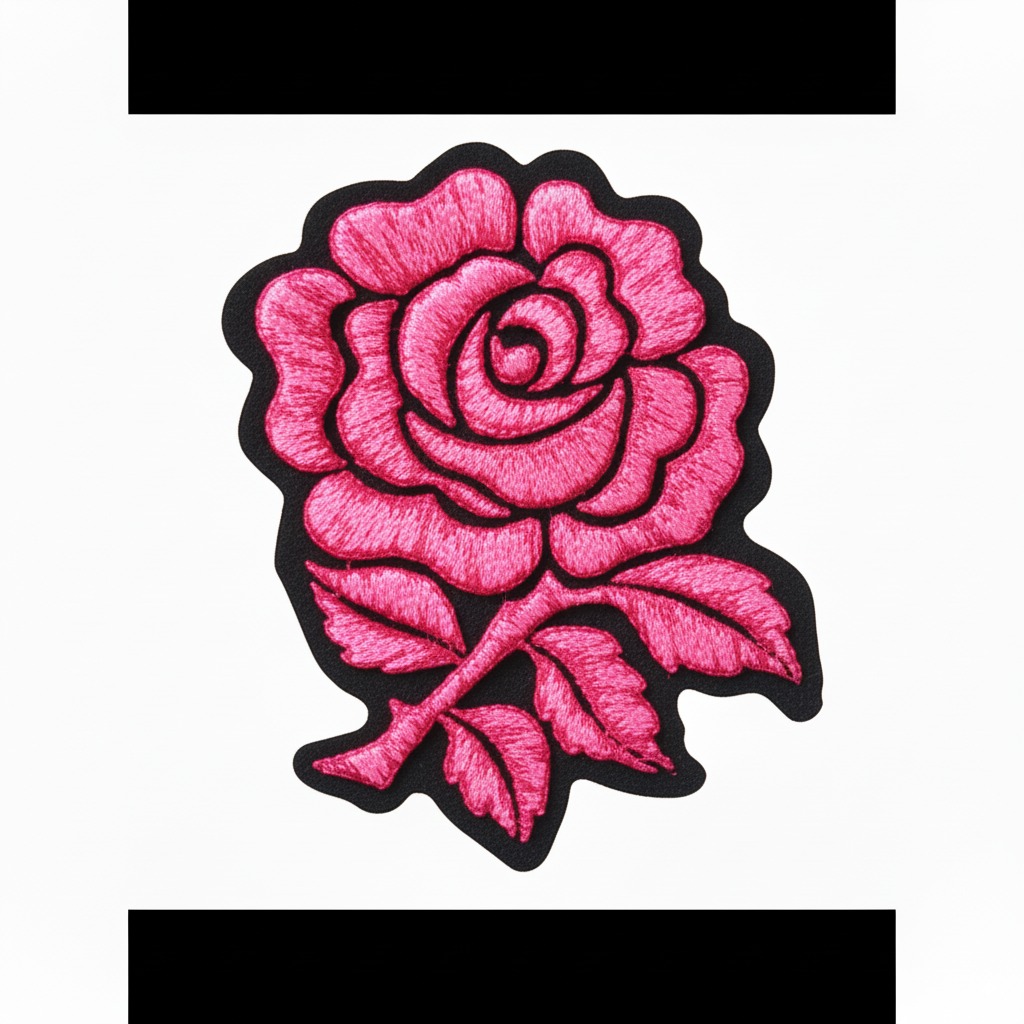
Fluorescent Pink : Popular in trendy youth apparel (e.g., streetwear hoodie logos) and promotional products (e.g., festival tote bags). Balances safety with fashion, appealing to younger demographics.
Key Features
-
Visibility is 3–5 times higher than standard saturated colors;
-
Resists fading after 300+ hours of outdoor exposure (tested per ISO 105-B02);
-
Non-toxic (complies with EN 71-3 for children’s products).
2. Reflective Colors (Night Safety)
Core Principle
Two main technologies:
-
Microprismatic Reflective: Uses tiny prism structures to refract and reflect light back to the source (e.g., car headlights);
-
Glass Bead Reflective: Embeds micro glass beads in silicone to bounce light, creating a "sparkling" effect.
Typical Color Variants & Applications
-
Reflective Silver: The most versatile reflective color. Applied to cycling pants cuffs, infant stroller logos, and luggage tags—reflects white light strongly, ensuring nighttime safety.

-
Reflective Red: Commonly used for emergency gear (e.g., first-aid kit patches, fire-resistant clothing logos) and vehicle-related accessories (e.g., motorcycle seat patches). Aligns with global safety color standards for "warning."

-
Reflective Blue: Suitable for professional uniforms (e.g., security guard jackets, maritime workwear) and outdoor equipment (e.g., camping tent zippers). Offers a calmer alternative to red while maintaining high reflectivity.

Key Features
-
Reflective coefficient ≥ 80 cd/(lx·m²) (meets ANSI/ISEA 107 standards);
-
Water-resistant (maintains performance after 50+ washing cycles);
-
Surface is scratch-resistant (hardness ≥ 3H on the pencil hardness scale).
3. Luminous Colors (Dark Glow)
Core Principle
Incorporates photoluminescent materials into silicone:
-
Short-Acting (Zinc Sulfide-Based): Glows for 2–4 hours after absorbing 10–15 minutes of light;
-
Long-Acting (Strontium Aluminate-Based): Glows for 8–12 hours with 30 minutes of light absorption (no radioactive substances).
Typical Color Variants & Applications
-
Luminous Green: The brightest and most durable luminous color. Used for children’s pajama logos, nightlight switch patches, and outdoor tent stakes—green light is easiest for human eyes to perceive in darkness.

-
Luminous Yellow: Soft glow suitable for low-light environments (e.g., hotel hallway staff uniform logos, airplane seatback pocket patches). Avoids harshness while providing subtle visibility.

Key Features
-
Glow brightness ≥ 100 mcd/m² (initial brightness, per DIN 67510-1);
-
Non-radioactive (passes FDA 21 CFR 177.2600 for food-contact-grade materials);
-
Compatible with soft silicone (maintains flexibility without cracking).
4. Thermochromic & Photochromic Colors (Interactive Effect)
Core Principle
-
Thermochromic: Uses temperature-sensitive microcapsules—changes color when heated (≥ 31°C) or cooled (≤ 20°C);
-
Photochromic: Contains UV-sensitive dyes—shifts hue when exposed to UV light (e.g., sunlight) and reverts indoors.
Typical Color Variants & Applications
-
Thermochromic "Blue-to-Purple": Triggers at 35°C (body temperature or sunlight). Ideal for outdoor sports apparel (e.g., yoga mat logos, running shorts patches)—changes color with activity-induced heat.
-
Thermochromic "Colorless-to-Pink": Activates at 28°C. Used for baby clothing (e.g., onesie logos) to indicate if the environment is too warm (color appears when overheated).
-
Photochromic "Clear-to-Blue": Reacts to UV index ≥ 3. Applied to sun hats, beach towel patches, and sunglasses cases—serves as a "visual UV reminder" for outdoor users.
Key Features
-
Reversible color change (≥ 500 cycles without fading);
-
Non-irritating to skin (meets OEKO-TEX® Standard 100 Class I);
-
Can be combined with other effects (e.g., "photochromic + fluorescent" for dual visibility).
5. Gradient & Multi-Color Blend Effects (Aesthetic Layers)
Core Principle
-
Gradient: Uses "twisted strand compounding" to mix two or more color masterbatches, creating a smooth hue transition;
-
Multi-Color Blend: Achieved via layered injection molding (for 3D patches) or precision screen printing (for flat patches), combining 2–4 contrasting colors.
Typical Color Variants & Applications
-
Red-to-Blue Gradient: Dynamic and energetic. Used for limited-edition sneaker midsoles (e.g., running shoe logos) and streetwear hoodie chest patches—popular in youth fashion.

-
Rainbow Gradient (ROYGBIV): Created by mixing 6+ color masterbatches. Applied to festival apparel (e.g., concert T-shirt patches), pride-themed accessories, and children’s backpacks.

-
Black-to-Silver Metallic Blend: Combines matte black and glossy silver. Suitable for high-end accessories (e.g., leather wallet logos, luxury watch straps)—balances edginess with sophistication.

Key Features
-
No color bleeding (due to high-temperature silicone curing at 160–180°C);
-
Customizable gradient direction (horizontal, vertical, radial);
-
Compatible with 3D embossed designs (enhances visual depth).
Key Note
Most special visual effect colors can be customized with Pantone base hues (e.g., fluorescent red can match Pantone 485C’s tone). When selecting, consider:
-
Functional needs (e.g., night safety → reflective/luminous);
-
Target user (e.g., children → non-toxic luminous/thermochromic);
-
Usage environment (e.g., outdoor → weather-resistant fluorescent/photochromic).
III. The Relationship Between Craftsmanship and Color Performance
1. Screen Printing (Precision for Multi-Color & Gradient)
Craft Principle
A stencil-based process where silicone ink (mixed with colorants) is pressed through mesh screens onto a substrate (e.g., fabric, silicone base). For multi-color designs, multiple screens (one per color) are aligned sequentially; for gradients, CMYK (Cyan, Magenta, Yellow, Key/Black) four-color overlay is used to create smooth hue transitions.
Impact on Color Performance
-
Color Accuracy: Supports precise matching of Pantone colors (ΔE ≤ 1, meeting industry color consistency standards) by adjusting ink ratios. Ideal for brands requiring strict adherence to corporate color guidelines (e.g., a tech brand’s signature navy blue).
-
Gradient & Texture Control: Enables high-definition gradients (e.g., soft pink-to-purple) and matte/glossy contrast effects (e.g., a logo’s text in glossy black, background in matte gray) by varying ink thickness and additives (matting agents, gloss enhancers).
-
Durability of Color: Ink bonds tightly with silicone after curing (120–150°C for 10–15 minutes), resulting in color fastness to washing (ISO 105-C06: ≥ Grade 4) and rubbing (ISO 105-X12: ≥ Grade 4).
Typical Applications
-
Complex multi-color designs (e.g., cartoon-themed patches for children’s clothing, brand logos with 3+ Pantone colors).
-
Gradient effects (e.g., sunset-inspired chest patches for summer dresses, ombre logos for skincare product packaging).
Limitations
-
High setup costs for small-batch orders (each color requires a custom screen), making it less economical for designs with 5+ colors.
-
Fine gradient details (e.g., radial gradients with 4+ hue shifts) may show slight color banding if screen alignment is imprecise.
2. Vinyl Cutting (Purity for Solid Colors & Simple Multi-Color)
Craft Principle
A laser-cutting process where pre-colored silicone vinyl sheets (single-color or pre-laminated multi-color) are cut into the desired logo shape. For multi-color designs, separate vinyl layers are stacked and bonded (via heat or adhesive) to form the final patch.
Impact on Color Performance
-
Solid Color Purity: Uses pre-dyed silicone vinyl with high pigment concentration, resulting in vibrant, uniform solid colors (no color bleeding). For example, a bright red sports team logo maintains consistent saturation across all patches.
-
Color Layer Clarity: Multi-color designs have distinct, sharp boundaries between layers (e.g., a white logo border on a black base) with no blending—ideal for bold, graphic styles (e.g., streetwear number patches).
-
Cost-Efficiency for Simple Colors: No need for ink mixing or screen setup, so unit costs are low (as low as \(0.12–\)0.75) for single-color or 2–3 color designs.
Typical Applications
-
Simple logos (e.g., brand initials on workwear, size labels on activewear).
-
High-contrast multi-color designs (e.g., black-and-white safety patches on construction vests, red-and-yellow warning labels on tool bags).
Limitations
-
Cannot achieve gradients or subtle color transitions
-
Thick multi-color layers (3+ layers) may feel rigid, reducing the patch’s flexibility (not ideal for tight-fitting apparel like leggings).
3. Liquid Silicone Molding (LSR) (Uniformity & Weather Resistance for Colors)
Craft Principle
Liquid Silicone Rubber (LSR)—mixed with color masterbatches—is injected into a custom mold and cured at high temperature (160–180°C) to form a 3D patch in one piece. Color is integrated into the LSR material itself (not just a surface layer).
Impact on Color Performance
-
Color Uniformity: LSR’s low viscosity ensures pigment is evenly distributed throughout the patch, eliminating surface color inconsistencies (e.g., no "streaks" in a metallic silver logo).
-
Extreme Weather Resistance: Color is embedded in the silicone matrix, so it resists fading from UV exposure (500+ hours of UV testing per ISO 4892-3: color fading rate ≤ 5%) and chemical exposure (e.g., sweat, detergents).
-
Compatibility with Special Pigments: Works with high-performance pigments (e.g., reflective glass beads, luminous strontium aluminate) to create durable special-effect colors (e.g., a reflective green LSR patch for hiking boots).
Typical Applications
-
Outdoor gear (e.g., silicone logos on hiking backpacks, kayak handles).
-
Medical or food-contact products (e.g., non-toxic white silicone patches on baby bottle sleeves, FDA-compliant blue patches on medical scrubs).
Limitations
-
High mold costs (\(500–\)2,000+) make it only economical for large-batch production (10,000+ units).
-
Complex multi-color designs require multi-cavity molds, increasing design complexity and lead time.
4. Layered Injection Molding (3D Color Depth & No Bleeding)
Craft Principle
A variation of LSR molding where multiple colors of LSR are injected into the same mold in sequential layers. Each color is cured slightly before the next layer is added, creating a 3D patch with integrated multi-color sections.
Impact on Color Performance
-
3D Color Depth: Colors form distinct, seamless 3D layers (e.g., a 3D brand logo with a dark blue base and light blue raised text) without adhesive bonds—enhancing visual depth and tactile feel.
-
No Color Bleeding: Strict layer separation (due to sequential curing) prevents adjacent colors from mixing (e.g., a red and white 3D logo stays crisp, even after repeated bending).
-
Durability of 3D Colors: Layers are chemically bonded during curing, so colors won’t peel or separate (unlike vinyl-stacked patches).
Typical Applications
-
Luxury accessories (e.g., 3D multi-color logos on leather wallets, watch straps).
-
Premium sports equipment (e.g., 3D silicone logos on soccer cleats, golf bag handles).
Limitations
-
Design complexity is limited (max 3–4 color layers) to avoid mold clogging.
-
Longer production cycles (each layer requires separate injection and curing) increase lead time (2–4 weeks per order).
5. Compounding for Gradients (Natural Hue Transitions)
Craft Principle
A pre-processing step where two or more color masterbatches are mixed via "twisted strand compounding" (a process that twists and fuses color pellets) before being formed into silicone sheets or molded. The mixed material creates a natural gradient as the color masterbatches blend.
Impact on Color Performance
-
Smooth Gradient Transitions: Unlike screen-printed gradients (which rely on ink overlay), compounded gradients have no visible "steps"—e.g., a red-to-blue gradient flows seamlessly across the patch (ideal for rainbow-themed or ombre designs).
-
Gradient Direction Control: The compounding process can be adjusted to create horizontal, vertical, or radial gradients (e.g., a radial sunset gradient for a festival patch).
-
Durability of Gradients: Gradient color is embedded in the silicone material (not a surface layer), so it resists wear and fading (same as LSR-molded colors).
Typical Applications
-
Trendy apparel (e.g., gradient logos on hoodies, rainbow patches on pride accessories).
-
Limited-edition products (e.g., gradient silicone midsoles on running shoes, ombre patches on cosmetic bags).
Limitations
-
Gradient color combinations are limited to 2–3 base colors (more colors result in muddied hues).
-
Cannot achieve precise color stops (e.g., a gradient with a sharp transition from blue to purple is difficult to replicate).
Key Summary: Matching Craft to Color Needs
|
Craft Type
|
Core Color Advantages
|
Best For
|
|
Screen Printing
|
High-precision Pantone matching, gradients
|
Complex multi-color/gradient logos
|
|
Vinyl Cutting
|
Vibrant solid colors, low cost for simplicity
|
Simple single/multi-color graphic designs
|
|
Liquid Silicone Molding
|
Uniformity, weather-resistant colors
|
Outdoor/medical products with durable colors
|
|
Layered Injection Molding
|
3D color depth, no bleeding
|
Luxury 3D multi-color patches
|
|
Compounding for Gradients
|
Seamless natural gradients
|
Trendy ombre/rainbow designs
|
IV. Key Considerations for Color Selection
- Functional Requirements
- For outdoor products, prioritize weather-resistant fluorescent or reflective colors (e.g., silicone patches on hiking bag shoulder straps).
- For skin-contact apparel (e.g., underwear), opt for hypoallergenic light-colored silicone to avoid skin irritation from dark dyes.
- Brand & Cultural Alignment
- High-end brands tend to favor metallic or matte colors; for example, silicone cuffs on business shirts often use a dark gray matte design.
- Avoid cultural taboos: White symbolizes mourning in East Asian cultures while representing purity in Western cultures, so color choices should be adjusted based on the target market.
- Cost & Mass Production Balance
- Basic color screen-printed patches cost approximately \(0.15 to \)0.75 per unit, suitable for large-scale production.
- Metallic or luminous patches, due to complex craftsmanship, cost \(1.50 to \)3.00 per unit and are recommended for limited-edition or high-end product lines.
V. Durability & Maintenance Tips
- Daily Care: Avoid contact with sharp objects; clean with a neutral detergent to maintain vibrant colors.
- Weather Resistance Testing: High-quality silicone patches can pass a 500-hour UV exposure test with a color fading rate of less than 5%.
- Eco-Certifications: OEKO-TEX®-certified silicone patches ensure no harmful substances are released, making them suitable for sensitive scenarios like infant apparel.
By combining colors with craftsmanship, silicone logo patches serve not only as carriers of brand identity but also as an extension of design language. Whether prioritizing functionality, artistry, or cultural resonance, their diverse color palette and customization capabilities can meet a wide range of needs.
10+ Textured Rubber Patches: Fun & Functional!
How to Make Your Logo Unforgettable: The Iron-On Patch Hack Top Brands Hide


SEND MESSAGE